Spring is the ideal time to start a tropical community aquarium. This guide covers beginner fish species, nitrogen cycle timing, essential equipment, and the stocking mistakes that cause aggression or disease.
Key Takeaways
- A properly cycled aquarium takes around 4 to 8 weeks before fish can be safely added in full numbers.
- Spring ambient temperatures make it easier to stabilise tropical tank heat, but a reliable heater is still essential.
- Choosing peaceful, similarly sized species and adding them gradually prevents territorial aggression and ammonia spikes.
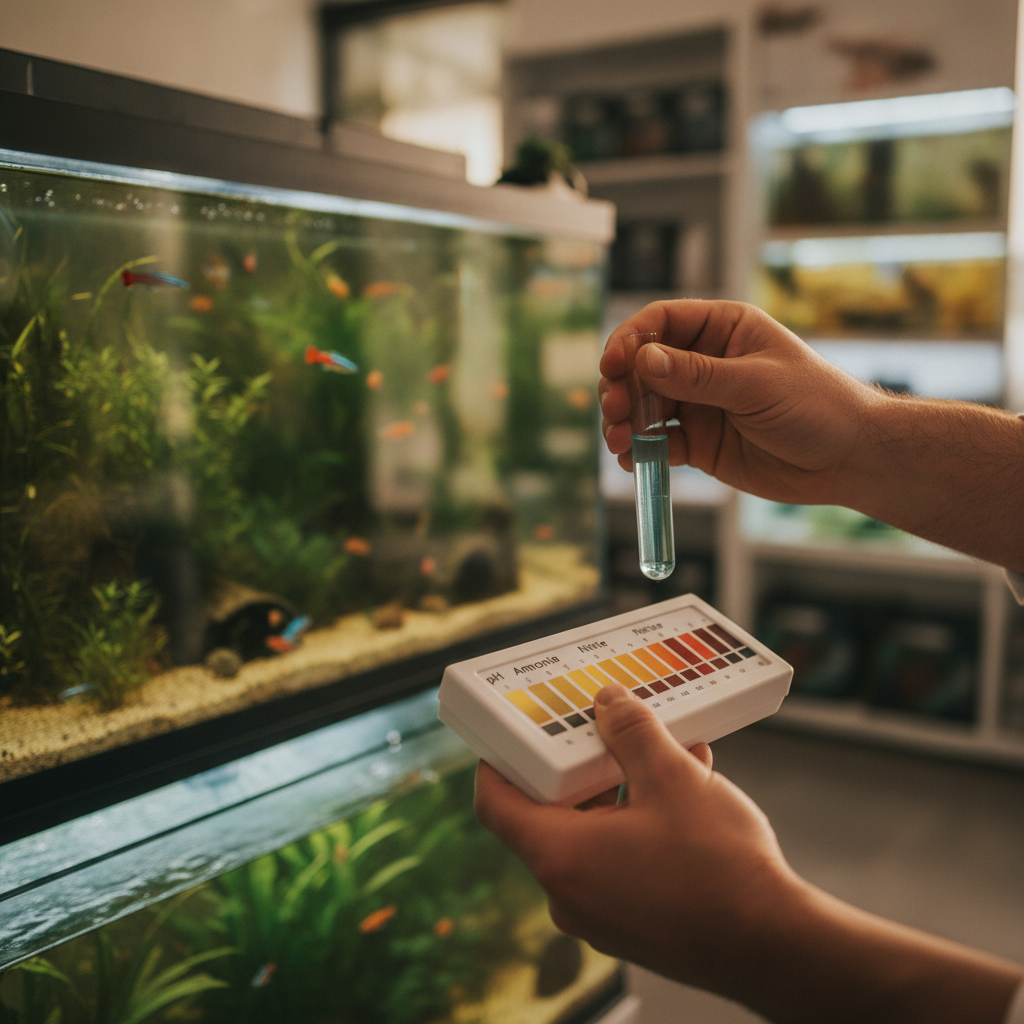
- Testing water parameters weekly (ammonia, nitrite, nitrate, pH) is the single most important habit for preventing disease.
- Overstocking is the most common beginner mistake: it causes stress, poor water quality, and outbreaks of illness.
Why Spring Is an Ideal Time to Start
Spring offers a practical advantage for new aquarium owners. Room temperatures are rising but not yet extreme, which means a standard aquarium heater has to work less to maintain the 24 to 27°C (roughly 75 to 80°F) range most tropical community species prefer. Shipping and purchasing livestock in moderate weather also reduces transit stress on fish, which is a significant contributor to early disease.
Starting in spring also gives owners the full warmer season to learn maintenance routines, observe fish behaviour, and stabilise the tank's biological filtration before the challenges of winter heating arrive.
Preparation: What You Need Before You Begin
Choosing the Right Tank Size
Professional fishkeeping guidelines consistently recommend a minimum of 75 litres (approximately 20 US gallons) for a beginner community setup. Larger water volumes are more chemically stable, meaning small mistakes in feeding or maintenance have less immediate impact. Most owners who start with tanks under 40 litres find water quality much harder to control.
Essential Equipment Checklist
- Aquarium tank with lid or hood: A lid reduces evaporation, keeps fish from jumping, and maintains temperature stability.
- Filter (hang on back or internal canister): The filter houses beneficial bacteria that process fish waste. Choose one rated for at least the full volume of your tank, preferably slightly above.
- Heater with thermostat: An adjustable heater rated at roughly 1 watt per litre is a common guideline. A separate thermometer (digital stick on or floating glass) provides a backup reading.
- LED lighting: A basic LED unit on a timer set for 8 to 10 hours daily supports live plants without encouraging excessive algae.
- Substrate: Fine gravel or aquarium sand, rinsed thoroughly before use. A depth of around 3 to 5 cm suits most beginner planted tanks.
- Water conditioner (dechlorinator): Tap water contains chlorine or chloramine, both of which are toxic to fish and beneficial bacteria. Always treat water before adding it to the tank.
- Liquid test kit for ammonia, nitrite, nitrate, and pH: Liquid reagent kits tend to be more accurate than paper test strips. Weekly testing is the cornerstone of disease prevention.
- Bucket, siphon or gravel vacuum, and algae scraper: Dedicated aquarium tools should never be used with soap or household chemicals.
Optional but Helpful
- Live plants such as Java fern, Anubias, or Vallisneria: these are hardy, low light species that absorb nitrate and provide shelter, reducing fish stress.
- A small quarantine tank (even a basic 20 litre setup) for isolating new or sick fish.
Step by Step: The Nitrogen Cycle
The nitrogen cycle is the biological process that converts toxic fish waste (ammonia) into less harmful substances. Understanding this cycle is arguably the most critical piece of knowledge for any new fishkeeper. Skipping or rushing it is the leading cause of fish deaths in new aquariums, sometimes called "new tank syndrome."
Step 1: Set Up the Tank (Day 1)
Rinse substrate with plain water (no soap, ever), arrange it in the tank, install the filter and heater, fill with dechlorinated water, and turn everything on. Let the system run for at least 24 hours to confirm the heater is holding temperature.
Step 2: Introduce an Ammonia Source (Days 2 to 7)
There are two main approaches. A "fishless cycle" uses pure ammonia (available as household ammonia without surfactants or fragrances) dosed to approximately 2 to 4 parts per million (ppm). This method avoids exposing live fish to toxic conditions. Alternatively, a small pinch of fish food can be added daily to decompose and produce ammonia, though this method is less precise.
Step 3: Monitor Ammonia and Nitrite (Weeks 1 to 4)
Test every two to three days. Ammonia will rise first. After roughly one to two weeks, beneficial Nitrosomonas bacteria begin converting ammonia into nitrite (also toxic). Nitrite levels will climb while ammonia starts to drop.
Step 4: Nitrate Appears (Weeks 3 to 6)
Nitrobacter and related bacteria convert nitrite into nitrate, which is far less toxic at low concentrations. When tests show 0 ppm ammonia, 0 ppm nitrite, and a readable nitrate level (typically under 40 ppm), the cycle is complete.
Step 5: Perform a Large Water Change
Before adding any fish, do a 50 to 70% water change with temperature matched, dechlorinated water to bring nitrate levels down. The tank is now biologically ready.
Typical total timeline: 4 to 8 weeks. Warmer spring temperatures can sometimes accelerate bacterial colonisation slightly, but patience remains essential. Adding a small amount of filter media from an established, healthy tank can also speed up the process.
Beginner Friendly Fish Species That Coexist Peacefully
A successful community aquarium pairs species that share similar water parameter needs, occupy different levels of the tank, and do not display territorial or predatory behaviour toward one another. The following species are widely recommended in beginner fishkeeping resources and professional aquarist guidelines.
Top Level Swimmers
- Harlequin rasbora (Trigonostigma heteromorpha): A small, peaceful schooling fish. Keep in groups of six or more. Tolerates a pH range of roughly 6.0 to 7.5 and temperatures of 23 to 28°C.
- Endler's livebearer (Poecilia wingei): Colourful and active. Keep in groups. Males are smaller and more vivid. Be aware that livebearers breed readily; keeping only males avoids population surges.
Mid Level Swimmers
- Neon tetra (Paracheirodon innesi): One of the most popular community fish worldwide. Requires groups of at least six; ten or more is preferable. Prefers slightly acidic to neutral water (pH 6.0 to 7.0) and temperatures of 20 to 26°C.
- Cherry barb (Puntius titteya): Peaceful, hardy, and easy to feed. Unlike some other barb species, cherry barbs are rarely nippy. Groups of six or more are recommended.
- Dwarf gourami (Trichogaster lalius): A labyrinth fish that breathes surface air. Generally peaceful, though males can be territorial with each other. Keeping one male with one or two females, or a single specimen, works best in smaller tanks.
Bottom Level Swimmers
- Bronze or albino corydoras (Corydoras aeneus): Social bottom dwellers that sift through substrate for food. Keep in groups of at least four to six. They prefer sand or smooth gravel, as rough substrates can damage their barbels.
- Kuhli loach (Pangio kuhlii): A shy, eel shaped bottom dweller that thrives in groups. Provide hiding spots with driftwood or plant cover.
Algae Management
- Nerite snails (Neritina species): Excellent algae grazers that do not reproduce in freshwater. A couple of nerite snails can help keep glass and decor clean without adding significant bioload.
Stocking Your Tank: The Step by Step Approach
Even after the nitrogen cycle is complete, adding all fish at once is a common and serious mistake. The beneficial bacteria colony is sized to the current waste load. Suddenly doubling or tripling that load overwhelms the filter, causing a dangerous ammonia spike (sometimes called a "mini cycle").
Recommended Stocking Schedule
- Week 1 after cycling: Add a small, hardy group first, such as six corydoras or six neon tetras. Monitor ammonia and nitrite daily for the first week.
- Weeks 3 to 4: If parameters remain stable (0 ammonia, 0 nitrite), add the next small group.
- Weeks 5 to 6 and beyond: Continue adding species in small groups, testing water after each addition, until you reach your target stock level.
How Many Fish Can You Keep?
The old "one inch of fish per gallon" rule is widely considered oversimplified and unreliable by modern aquarist standards. A better approach considers the adult size of each species, their activity level, and the tank's filtration capacity. For a 75 litre (20 gallon) tank, a reasonable community might include 8 to 10 small tetras or rasboras, 6 corydoras, and a single dwarf gourami or a small group of endlers. This is a guideline, not a hard rule: regular water testing confirms whether the bioload is manageable.
Common Stocking Mistakes That Lead to Aggression or Disease
Mistake 1: Mixing Incompatible Species
Owners commonly report fin nipping and chasing after adding species like tiger barbs or serpae tetras to a peaceful community. Some fish sold as "community safe" in pet shops can be semi aggressive. Always research a species' temperament before purchase.
Mistake 2: Insufficient School Sizes
Schooling fish kept in groups of two or three instead of six or more often display stress behaviours: hiding, colour loss, or redirected aggression. A single neon tetra in a tank of larger fish is not a community; it is a stressed, vulnerable animal.
Mistake 3: Overstocking
Too many fish in too little water leads to elevated ammonia and nitrite, reduced dissolved oxygen, chronic stress, and disease outbreaks (particularly ich, also called white spot disease, and bacterial fin rot). If ammonia or nitrite readings are consistently above 0 ppm despite regular maintenance, the tank may be overstocked.
Mistake 4: Adding Fish to an Uncycled Tank
This remains the most frequent cause of mass fish loss among beginners. Ammonia and nitrite poisoning cause gill damage, lethargy, gasping at the surface, and rapid death. There is no shortcut that reliably replaces a properly completed nitrogen cycle.
Mistake 5: Skipping Quarantine
New fish can carry parasites, bacteria, or viruses without showing symptoms. Professional aquarist practice recommends quarantining new arrivals in a separate tank for two to four weeks before introducing them to an established community. While not every beginner has space for a quarantine tank, awareness of this risk is important.
Mistake 6: Ignoring Water Temperature Differences
Mixing species with significantly different temperature needs (for example, a subtropical species at 18°C alongside a tropical species at 26°C) causes chronic stress for at least one group. Stress is the primary gateway to disease in fish.
What to Watch for After Stocking
- Ammonia or nitrite above 0 ppm: Perform an immediate 25 to 50% water change with dechlorinated, temperature matched water.
- White spots on fins or body: Likely ich (Ichthyophthirius multifiliis). Raise temperature gradually to around 28 to 30°C and consider aquarium salt treatment, following product directions carefully.
- Clamped fins, lethargy, or loss of colour: General signs of stress or disease. Check all water parameters first.
- Persistent chasing or fin damage: May indicate a species incompatibility or that a tank is too small for the current stock. Rearranging decor can sometimes break up established territories.
When to Consult a Veterinary Professional
Fish veterinary medicine is a growing specialty. Owners should seek professional help if:
- Fish show symptoms (lesions, swelling, rapid breathing, erratic swimming) that do not improve after correcting water parameters.
- Multiple fish die within a short timeframe despite water parameters testing as normal.
- A disease does not respond to standard over the counter aquarium treatments within the timeframe listed on the product.
- An owner is unsure whether a symptom indicates a parasite, bacterial infection, or environmental issue.
Some exotic animal or aquatic veterinarians offer remote consultations where owners can share water test results and photos. If no aquatic vet is available locally, university veterinary teaching hospitals may provide guidance.
Ongoing Spring Maintenance Routine
- Perform a 20 to 30% water change weekly using dechlorinated, temperature matched water.
- Test ammonia, nitrite, nitrate, and pH at least once per week for the first three months, then bi weekly once the tank is stable.
- Clean the glass with an algae scraper as needed.
- Rinse filter media in old tank water (never tap water, which kills beneficial bacteria) once a month or when flow noticeably decreases.
- Avoid overfeeding: most fish only need a small amount once or twice daily, consuming it within two to three minutes.
If planning a holiday or absence, a detailed handover is important for fish health. The Fish Tank Pet Sitting Handover Template Guide provides a practical checklist to share with anyone caring for the tank in an owner's absence.
A Note on Exotic Pet Care Across the Seasons
Aquariums are not the only pet setup where spring conditions matter. Reptile owners face similar seasonal challenges: the Spring Bearded Dragon Mistakes New Owners Must Avoid article covers parallel pitfalls in temperature and habitat management for another popular exotic pet.
Frequently Asked Questions
How long does it take to cycle a new tropical aquarium before adding fish? ↓
Can neon tetras and corydoras live together in the same community tank? ↓
What is the most common mistake beginners make when stocking a new aquarium? ↓
Do I still need a heater for a tropical aquarium if I set it up in spring? ↓

Emma Lawson
Practical Pet Care Educator
Practical pet home care specialist — clear, step-by-step guidance grounded in veterinary nursing standards.
Content Disclosure
This article was created using state-of-the-art AI models with human editorial oversight. It is intended for informational and entertainment purposes only and does not constitute veterinary medical advice. Always consult a licensed veterinarian for your pet's specific health needs. Learn more about our process.