New Zealand has no native land snakes, but sea snakes occasionally wash ashore and Kiwi owners travelling to Australia should still understand elapid first aid. This guide covers the autumn realities for NZ dog owners.
Key Takeaways
- New Zealand has no native land snakes, so routine bush walks and backyard play carry no terrestrial snake bite risk for Kiwi dogs.
- Yellow-bellied sea snakes (Hydrophis platurus) and banded sea kraits (Laticauda colubrina) occasionally wash up on NZ beaches, particularly along the northern North Island after warm currents or storms.
- All snakes are notifiable under the Biosecurity Act 1993. Report any sighting, alive or dead, to MPI's biosecurity hotline (0800 80 99 66) and keep dogs well clear.
- Pressure immobilisation remains the global standard for elapid bites and is essential knowledge for owners taking dogs across the Tasman.
- Autumn collapse, vomiting, or weakness in a Kiwi dog is far more likely to be toxin exposure, 1080 bait, marine biotoxin contact, or hypothermia than envenomation.
- Never handle a beached sea snake. They are highly venomous, can bite reflexively when stunned or apparently dead, and contact can be fatal.
Why Snake Bites Are Not a Routine NZ Veterinary Emergency
New Zealand is one of only a small number of countries on Earth with no naturally occurring land snakes. The combination of long geographic isolation, cool maritime climate, and strict biosecurity has kept terrestrial snakes off these islands. For domestic dog owners, this means the kind of autumn emergency that fills Australian veterinary clinics in March, April, and May does not exist as a background risk in Aotearoa. A dog yelping in long grass in Tauranga, Christchurch, or Invercargill is overwhelmingly more likely to have stood on a bee, a piece of glass, or a hidden hedgehog than to have been struck by a snake.
That said, snake awareness is not irrelevant for NZ owners. There are three scenarios where the topic becomes clinically important: a rare sea snake or sea krait washing ashore, an illegally kept snake escaping captivity, or a Kiwi dog travelling to or living temporarily in Australia. Each scenario deserves a measured, locally accurate response.
Sea Snakes on New Zealand Beaches
Two species are recorded as occasional native visitors to NZ waters. The yellow-bellied sea snake is a true pelagic species carried south on warm currents and most often beached after storms or unusual oceanographic events. The banded sea krait is a tropical visitor sighted very rarely in the far north. Both are venomous elapids, and although they are not aggressive in water, a stunned or dehydrated specimen on the sand will bite if disturbed.
Department of Conservation (DOC) records and NIWA marine reports note that beach sightings tend to cluster in the upper North Island, including Northland, Auckland's west coast, the Coromandel, and the Bay of Plenty. Strandings have also been documented as far south as the Wellington region and even occasional events on the South Island west coast. Cooler autumn waters can actually increase strandings because affected animals lose mobility and drift ashore.
If you walk dogs on the beach, particularly after rough weather:
- Keep dogs on a lead in areas where strandings have been reported.
- Scan the wrack line ahead of your dog, especially when off-lead recall is uncertain.
- Treat any colourful, ribbon-like or eel-like animal on the sand as potentially venomous. Do not let dogs sniff or mouth it.
- Photograph from a safe distance (at least two metres) and call DOC or MPI to report it.
If Your Dog Is Bitten by a Sea Snake
Bites are exceedingly rare, but the clinical principles mirror those used for Australian elapid envenomation. Sea snake venom is primarily neurotoxic and myotoxic, so signs may include sudden weakness, drooling, vomiting, dilated pupils, dark urine from muscle breakdown, and progressive paralysis. A deceptive lucid interval can occur between the bite and obvious illness.
Immediate Steps
- Keep the dog completely still. Carry small dogs; have two people lift larger dogs. Movement pumps venom through the lymphatic system.
- Apply pressure immobilisation if the bite is on a limb. Use a broad firm crepe or elastic bandage (around 10 to 15 cm wide), wrap from the bite site upward toward the body and then back down to the toes, and splint the limb with a rolled magazine, length of timber, or any rigid object. The tension should match what you would use for a sprained ankle.
- Do not apply pressure immobilisation to bites on the head, neck, or torso. Transport instead.
- Phone the emergency clinic before you arrive. NZ veterinary hospitals do not routinely stock sea snake antivenom, so the team will need time to contact a hospital pharmacy or specialist centre and decide on a management plan. Supportive care is the mainstay.
- Save the local emergency number now: [LOCAL_VET_EMERGENCY_en-nz].
What Not to Do
- Do not apply a tourniquet, cut the wound, attempt to suck out venom, or apply ice or heat.
- Do not wash the bite site. Residual venom on the fur can sometimes be used for diagnostic testing.
- Do not pick up the snake, even if it looks dead. Reflex bites have been recorded in stranded sea snakes hours after apparent death.
- Do not delay transport while you search for the perfect bandage. A reasonable bandage now is better than a perfect one in twenty minutes.
Reporting Snakes Under NZ Biosecurity Law
Snakes are classified as unwanted organisms under the Biosecurity Act 1993, and it is an offence to import, breed, or keep them without specific authorisation under the Hazardous Substances and New Organisms Act 1996. Even reptile hobbyists in NZ cannot legally keep snakes as private pets. This framework, administered by the Ministry for Primary Industries (MPI), is the reason terrestrial snakes have never established a wild population here.
If you, your dog, or a beachgoer encounters any snake, alive or dead, the obligation is clear:
- Call the MPI biosecurity hotline on 0800 80 99 66. The line operates 24 hours a day.
- Do not attempt to capture, kill, or move the animal. Photograph from a safe distance and keep watch from afar.
- Keep dogs and children well away until biosecurity officers or DOC rangers arrive.
- Note GPS coordinates, landmarks, and the time of sighting to assist the response team.
Kiwi Dogs Travelling to Australia
Movement of dogs between NZ and Australia is tightly regulated, but it does happen, particularly for families relocating or for working dogs accompanying owners on extended trips. Once a dog is in Australia, it enters one of the most snake-rich environments on the planet. Eastern brown, tiger, and red-bellied black snakes are clinically the most relevant for canine envenomation, and they remain active well into autumn, especially during warm, dry spells.
If you are travelling with a dog across the Tasman, learn pressure immobilisation in advance, save the after-hours number of a 24-hour emergency clinic at your destination, and recognise that the Australian Veterinary Association (AVA) and emergency hospitals there are well practised in elapid management. Antivenom is expensive, often several thousand AUD per case, and many dogs need multiple vials plus intensive supportive care. Confirm that your pet insurance policy covers envenomation overseas before you fly.
What Looks Like a Snake Bite in NZ but Isn't
Because no land snake population exists in Aotearoa, sudden collapse, vomiting, weakness, or unexplained bleeding in a NZ dog almost always points to another cause. Veterinary emergency staff will consider:
- 1080 (sodium fluoroacetate) bait exposure, particularly in or near DOC predator control areas. Signs include vocalisation, vomiting, hyperexcitability, seizures, and rapid collapse.
- Brodifacoum or other anticoagulant rodenticide ingestion, causing bleeding from gums, pale mucous membranes, and lethargy several days after exposure.
- Tutu (Coriaria arborea), karaka berries, oleander, and rhubarb leaves, all of which can produce neurological or cardiac signs.
- Toxic algal blooms on lakes, rivers, and estuaries, which can cause rapid neurological collapse after swimming or drinking.
- Bee and wasp stings, which can mimic an envenomation picture in sensitive dogs, particularly Vespula wasp encounters in late autumn.
- Hypothermia after cold-water swims, especially in short-coated breeds and pups.
- Heatstroke earlier in autumn, particularly in heavy-coated working breeds, Huntaways, and brachycephalic dogs.
The takeaway is that the emergency response (keep the dog calm, phone the clinic, transport without delay) remains the same, even though the underlying cause will almost certainly not be a snake bite.
Prevention and Native Wildlife Considerations
While snakes are not part of the NZ landscape, dogs still pose risks to native fauna and vice versa. The Dog Control Act 1996, mandatory microchipping, and various regional council bylaws set clear obligations for keeping dogs leashed in conservation areas. DOC operates strict access rules around kiwi habitat, blue penguin colonies, and shorebird nesting zones, and many beaches have seasonal dog bans. Respecting these rules protects native species and also keeps dogs away from beached marine animals, including the rare sea snake.
Practical Steps for Autumn
- Walk dogs on lead near tidal zones and the high water mark, particularly in Northland, Auckland, Waikato, and the Bay of Plenty after storms.
- Avoid letting dogs investigate seaweed piles, driftwood, and washed-up debris.
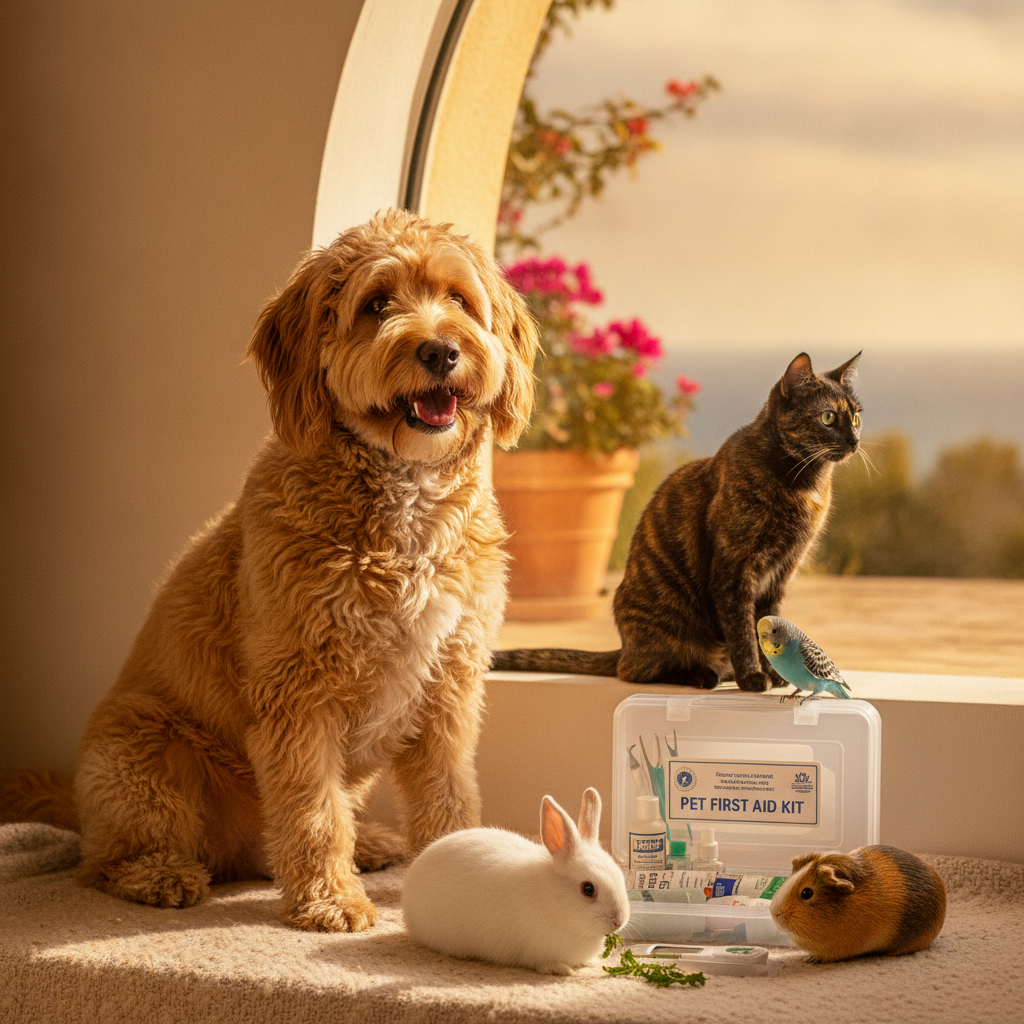
- Carry a basic first aid kit including a 10 cm crepe bandage, a rigid splint material, a clean towel, and the saved phone number for your nearest 24-hour clinic.
- Maintain current registration and microchip details through your territorial authority.
- Keep MPI (0800 80 99 66) and DOC (0800 DOC HOT, or 0800 362 468) saved in your phone.
What to Tell the Vet on Arrival
If your dog has had any suspected envenomation or unexplained collapse, a focused handover saves valuable triage time. Be ready to report:
- Time the dog was last seen normal and time of the suspected incident.
- Location and likely exposures (beach, bush, garden, near 1080 operation, near a waterway with algal bloom warnings).
- Description of any animal, plant, or substance the dog may have contacted, with a photo if safely obtained.
- Clinical signs and their timing, including any collapse, vomiting, weakness, urine colour change, or bleeding.
- First aid applied, including bandage placement and time.
- Your dog's weight in kg, breed, age, and current medications.
- Any pre-existing conditions, especially clotting disorders, kidney disease, or recent surgery.
The New Zealand Veterinary Association (NZVA) endorses evidence based emergency care, and clinics across the country routinely manage toxin and trauma cases with IV fluids, baseline bloodwork, and supportive monitoring. For genuine envenomation events, the team will liaise with specialist centres in Auckland, Palmerston North, or Christchurch where required.
Recovery and Follow-Up at Home
For the rare confirmed envenomation, expect a hospital stay of one to several days. After discharge, plan for strict rest for one to two weeks, careful monitoring of urine colour, and follow-up bloodwork as advised. A small subset of antivenom recipients may develop delayed serum reactions seven to fourteen days after treatment, including lethargy, fever, joint discomfort, or urticaria; these warrant prompt re-examination.
If your dog experienced weakness, ataxia, or any neurological signs during the episode, structured at-home reassessment can help track recovery. Many Kiwi owners also use this period to review broader autumn pet management, including coat care for damp coastal weather, joint support for older working dogs, and the transition to indoor warmth as evenings cool.
Final Word
The good news for New Zealand dog owners is that the dramatic snake season Australians prepare for each year simply is not part of life in Aotearoa. The honest caveat is that sea snake strandings do occur, biosecurity incursions remain theoretically possible, and any Kiwi crossing the Tasman with a dog should know elapid first aid. Keep the MPI biosecurity hotline saved, keep DOC's number alongside it, and treat any unexplained autumn collapse as an emergency until a vet has examined your dog. When in doubt, phone ahead and go.
Frequently Asked Questions
Are there any snakes in New Zealand that could bite my dog? ↓
What should I do if I see a snake in NZ? ↓
Is it legal to keep a pet snake in New Zealand? ↓
If my dog collapses in the garden in autumn, what should I think about first? ↓
I'm moving to Australia with my dog. What snake first aid should I learn? ↓
Can sea snakes really bite even when they look dead? ↓

Dr. Ana Reyes
Emergency & Critical Care Veterinarian
Emergency and critical care veterinarian — life-saving first-aid guidance and emergency recognition for pet owners.
Content Disclosure
This article was created using state-of-the-art AI models with human editorial oversight. It is intended for informational and entertainment purposes only and does not constitute veterinary medical advice. Always consult a licensed veterinarian for your pet's specific health needs. Learn more about our process.