Singapore's tropical climate and thriving ornamental fish industry make it one of the best places to start a budget freshwater aquarium. This guide covers local equipment costs in SGD, fish sourcing, water treatment essentials, and regulations specific to keeping fish in Singapore.
Key Takeaways
- A basic 20 to 30 gallon freshwater tropical setup in Singapore typically costs between $50 and $160 SGD, depending on equipment choices and where you shop.
- Singapore's year-round temperatures of 25 to 32°C eliminate the need for an aquarium heater, saving $15 to $40 SGD compared to temperate climate setups.
- PUB tap water contains chloramine, which does not evaporate through ageing. A water conditioner is mandatory for every water change, not optional.
- Skipping the nitrogen cycle remains the costliest beginner mistake, leading to fish loss and repeat spending.
- The Animal and Veterinary Service (AVS) under NParks regulates ornamental fish imports, and certain species such as piranhas are prohibited in Singapore.
Why Singapore Is an Excellent Place for Budget Fish Keeping
Singapore has a long and active ornamental fish keeping culture, supported by dedicated fish farms, a network of well-stocked aquarium shops across the island, and a climate that naturally suits tropical freshwater species. The country is one of the world's leading exporters of ornamental fish, which means hobbyists benefit from ready access to healthy, locally bred stock at competitive prices.
Because ambient temperatures across Singapore remain between 25 and 32°C throughout the year, a heater is unnecessary for most tropical freshwater setups. This single factor already reduces initial equipment costs by $15 to $40 SGD compared to hobbyists in cooler countries. High humidity also means evaporation rates are moderate, reducing the frequency of water top-ups.
Where to Source Equipment and Fish in Singapore
Singapore has a healthy spread of aquarium retailers, from large fish farms open to the public to smaller neighbourhood shops. Notable fish farming operations in the Sungei Tengah and Pasir Ris Farmway areas offer direct retail access to a wide range of species and equipment. Shops in areas such as Clementi, Thomson, and Serangoon are well known among hobbyists for competitive pricing on tanks, filters, and livestock.
Online aquarium retailers based in Singapore have also grown in number, offering delivery of livestock and equipment islandwide. For budget setups, comparing prices between a few physical shops and online stores typically yields the best value.
Estimated Equipment Costs in SGD
The Tank
Locally made glass tanks are widely available. A standard 2-foot tank (approximately 75 litres or 20 gallons) typically costs between $15 and $40 SGD from local shops. Custom sizes are available at a small premium. Branded imported tanks may cost two to four times more, so sourcing a locally manufactured tank is one of the simplest ways to keep costs low.
Filtration
A sponge filter with a small air pump is the most affordable filtration option, typically costing $5 to $12 SGD for the sponge and $8 to $18 SGD for the pump. Hang-on-back (HOB) filters from regional brands cost roughly $12 to $30 SGD. Internal power filters fall in a similar range. Filtration is consistently ranked as the single most important piece of equipment for fish health in professional aquarium husbandry guidelines.
Lighting
Basic clip-on LED lights suitable for a fish-only tank cost around $8 to $20 SGD. For planted setups, a higher-output LED strip in the $20 to $45 SGD range is advisable. While Singapore receives abundant sunlight, placing tanks near windows promotes excessive algae growth and temperature fluctuations, so artificial lighting with controlled duration is preferred.
Substrate and Decor
Fine gravel or sand suitable for aquariums costs around $3 to $8 SGD per kg at local shops. Driftwood and natural stones are available from aquarium retailers, typically priced between $5 and $25 SGD depending on size and type. Commercially packaged planted-tank substrates range from $10 to $30 SGD per bag.
Water Testing and Maintenance Tools
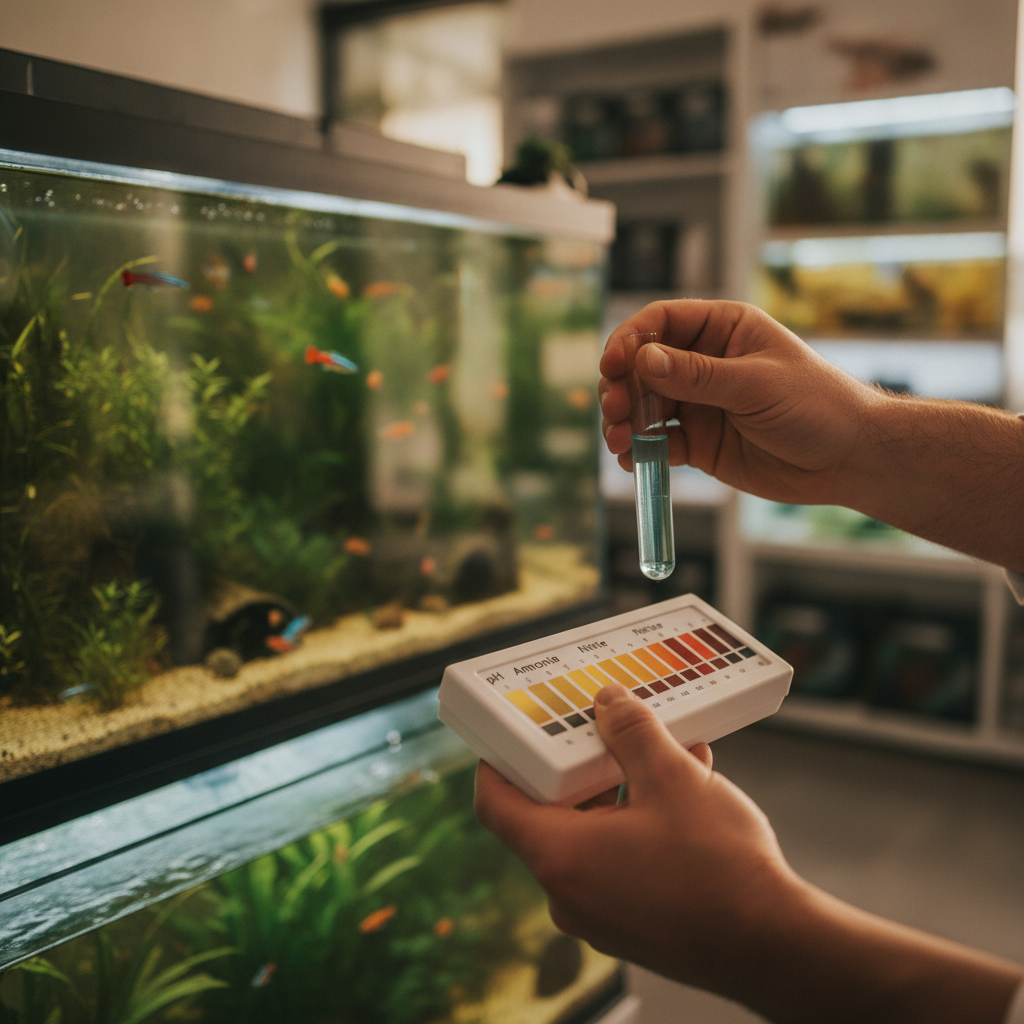
A liquid test kit covering ammonia, nitrite, nitrate, and pH costs around $15 to $35 SGD. Test strips are cheaper upfront ($5 to $12 SGD) but less accurate and more expensive per test over time. A gravel vacuum costs $4 to $8 SGD, and a fishnet, bucket, and water conditioner add another $5 to $12 SGD combined.
Water Conditioner: Not Optional in Singapore
This deserves special emphasis. PUB, Singapore's national water agency, treats tap water with chloramine (a compound of chlorine and ammonia). Unlike chlorine alone, chloramine does not dissipate by letting water sit for 24 to 48 hours. According to information published by PUB, Singapore's tap water contains approximately 1.9 to 2.7 ppm of monochloramine, which is safe for human consumption but toxic to fish even at low levels. A quality water conditioner that neutralises both chlorine and chloramine is therefore essential for every water change. Budget around $6 to $15 SGD for a bottle that lasts several months of regular use.
Total Estimated Equipment Budget
For a 2-foot tank with a sponge filter, basic LED light, locally sourced substrate, and essential maintenance tools (including water conditioner), expect to spend roughly $50 to $110 SGD. Upgrading to a HOB filter and planted-tank lighting pushes the total toward $110 to $160 SGD.
Locally Available Fish Species for Beginners
Singapore's ornamental fish farms breed a wide range of tropical freshwater species. Because these fish are adapted to local water conditions and produced in volume, they tend to be hardy and affordable.
Livebearers
Guppies (Poecilia reticulata): Among the most affordable aquarium fish available, guppies typically cost $0.50 to $2 SGD each at local shops. They tolerate a wide range of water parameters and breed readily.
Endler's Livebearers (Poecilia wingei): Slightly smaller than guppies and increasingly popular, these colourful fish cost around $1 to $3 SGD each.
Labyrinth Fish
Betta splendens: Common varieties are available for $2 to $8 SGD at most aquarium shops, with show-quality specimens costing significantly more. Male bettas must be housed individually due to aggression.
Honey Gourami (Trichogaster chuna): Peaceful and compact (around 5 cm), honey gouramis typically cost $3 to $6 SGD each and are excellent community fish.
Cyprinids
Harlequin Rasbora (Trigonostigma heteromorpha): Native to the Malay Peninsula, these schooling fish cost roughly $1 to $3 SGD each and should be kept in groups of six or more.
Cherry Barb (Puntius titteya): Hardy and colourful, cherry barbs are widely bred in the region and typically cost $1.50 to $4 SGD each.
Bottom Dwellers
Corydoras catfish: Several species are bred commercially in the region. Prices range from $2 to $6 SGD each. They should be kept in groups on smooth substrate.
Kuhli Loach (Pangio kuhlii): Native to Southeast Asia, kuhli loaches cost around $2 to $5 SGD each and prefer soft substrate with hiding places.
Total Livestock Budget
Stocking a 2-foot community tank with a school of rasboras, a small group of corydoras, and a pair of gouramis typically costs $15 to $40 SGD at Singapore aquarium shops.
AVS Regulations: What Singapore Fish Keepers Should Know
The Animal and Veterinary Service (AVS), a cluster of the National Parks Board (NParks), oversees the regulation of ornamental fish in Singapore. Key points for hobbyists:
- Prohibited species: Piranhas are banned in Singapore. Importing or keeping them is illegal.
- CITES-listed species: Species such as Asian arowana (dragon fish), seahorses, and certain corals require CITES permits. Purchasing these from licensed local dealers ensures compliance.
- Import limits for travellers: Individuals may bring in up to 50 ornamental fish (non-endangered, non-restricted) in up to 3 litres of packing water as personal allowance without a licence.
- Genetically modified fish: Written approval from NParks/AVS is required before importing genetically modified or transgenic fish, including certain colour-enhanced species.
Hobbyists purchasing from established local aquarium shops can generally be confident that species sold are legal for keeping in Singapore. When in doubt, the AVS website provides updated guidance.
The Nitrogen Cycle: The Costliest Mistake to Avoid
The nitrogen cycle is the biological process where beneficial bacteria convert toxic ammonia into nitrite and then into less harmful nitrate. A tank that has not completed this cycle is a toxic environment for fish.
Cycling typically takes four to six weeks. Adding fish to an uncycled tank commonly results in rapid fish loss from ammonia and nitrite spikes, sometimes called "new tank syndrome." This leads to repeat fish purchases, emergency medications, and frustration.
How to Cycle on a Budget
- Fishless cycling: Add a source of ammonia (pure household ammonia without surfactants, or fish food left to decompose) and monitor levels with a test kit.
- Seeded media: Borrowing established filter media from a friend's healthy tank speeds up the process significantly. Singapore's active hobbyist community, including online forums and social media groups, makes finding willing donors straightforward.
- Patience: Waiting is free. Rushing by adding fish too early is the most common and most expensive beginner error.
Fish Health and Veterinary Access in Singapore
Veterinary consensus holds that most freshwater fish diseases are directly linked to poor water quality, overcrowding, or stress. The three pillars of prevention are: maintaining stable water parameters, performing regular partial water changes (20 to 30 percent weekly), and avoiding overstocking.
Common Diseases and Approximate Treatment Costs
- Ich (White Spot Disease): Raising tank temperature slightly and using a widely available ich medication typically costs $4 to $12 SGD per treatment course.
- Fin Rot: Often responds to improved water conditions alone. Antibacterial medications cost $5 to $15 SGD if needed.
- Fungal Infections: Antifungal treatments cost $4 to $12 SGD.
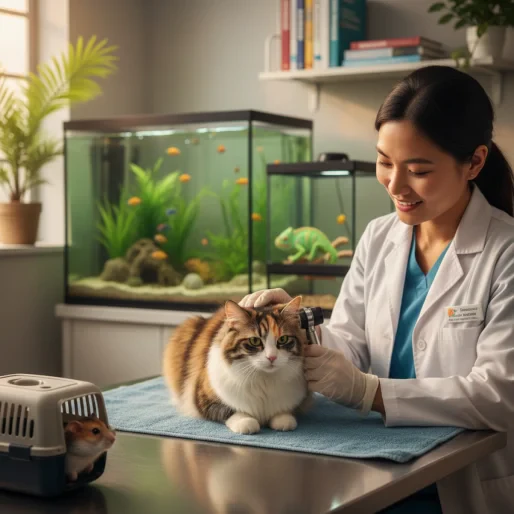
Aquatic veterinary medicine is a specialised and limited field in Singapore. Where available, a veterinary consultation for fish may cost $70 to $150 SGD or more. For budget community fish, prevention and over-the-counter aquarium medications from local shops remain the practical primary approach. If a serious or unusual health issue arises, seeking professional advice is recommended.
Call the Animal Recovery Centre (ARC) or your nearest 24-hour veterinary clinic.
Several clinics in Singapore offer 24-hour emergency services. The AVS (Animal & Veterinary Service) website lists all licensed clinics.
Ongoing Monthly Costs in SGD
- Fish food: $2 to $6 SGD for quality flake or pellet food lasting one to two months.
- Electricity: A small air pump and LED light add very little to the electricity bill. At the current SP Group residential tariff of approximately 29.72 cents per kWh (with GST, Q2 2026), a basic setup consuming around 10 to 20 watts continuously adds roughly $2 to $5 SGD per month.
- Water conditioner: $2 to $4 SGD per month with regular water changes.
- Replacement filter media: $2 to $5 SGD every two to three months.
- Test kit refills: $8 to $15 SGD every few months.
Total ongoing monthly costs typically fall between $5 and $15 SGD, making freshwater aquarium keeping one of the most affordable pet hobbies in Singapore.
Avoiding Common Beginner Mistakes in Singapore
- Adding fish before the tank is cycled. Wait four to six weeks and verify safe ammonia and nitrite levels with a test kit.
- Using tap water without conditioner. Singapore's chloramine-treated water is toxic to fish. Always use a water conditioner that neutralises chloramine.
- Overstocking. HDB flats have limited space, and smaller tanks are popular, but overstocking a compact tank accelerates water quality problems.
- Overfeeding. Feed only what fish consume in two to three minutes, once or twice daily.
- Placing the tank in direct sunlight or near windows. Singapore's intense sun causes rapid temperature spikes and algae blooms.
- Skipping water tests. Invisible ammonia and nitrite spikes are silent killers, especially in the first three months.
- Cleaning filter media in tap water. Chloramine in Singapore's tap water destroys beneficial bacteria. Always rinse filter media in dechlorinated water removed from the tank.
- Buying prohibited or CITES species without proper documentation. Ensure compliance with AVS regulations before purchasing any uncommon species.
Financial Planning for Aquarium Fish
Pet insurance for fish is not available in Singapore. For aquarium hobbyists, a practical approach includes:
- Setting aside a small emergency fund: $15 to $30 SGD covers most foreseeable situations for a budget community tank, including medications and replacement equipment.
- Keeping a basic fish first-aid kit on hand: An ich treatment, an antibacterial medication, and aquarium salt costs $8 to $20 SGD and enables rapid response.
- Investing in prevention: Every dollar spent on a quality test kit, proper cycling, and reliable filtration reduces the chance of costly disease treatment or fish replacement.
Frequently Asked Questions
Do I need a heater for a tropical aquarium in Singapore? ↓
Is Singapore tap water safe for aquarium fish? ↓
How much does a basic aquarium setup cost in Singapore? ↓
Are there any fish species that are illegal to keep in Singapore? ↓
What are the ongoing monthly costs for a freshwater aquarium in Singapore? ↓

Rachel Simmons
Pet Ownership Cost Advisor
Pet ownership cost advisor — transparent vet fee breakdowns, insurance guidance, and financial planning for owners.
Content Disclosure
This article was created using state-of-the-art AI models with human editorial oversight. It is intended for informational and entertainment purposes only and does not constitute veterinary medical advice. Always consult a licensed veterinarian for your pet's specific health needs. Learn more about our process.