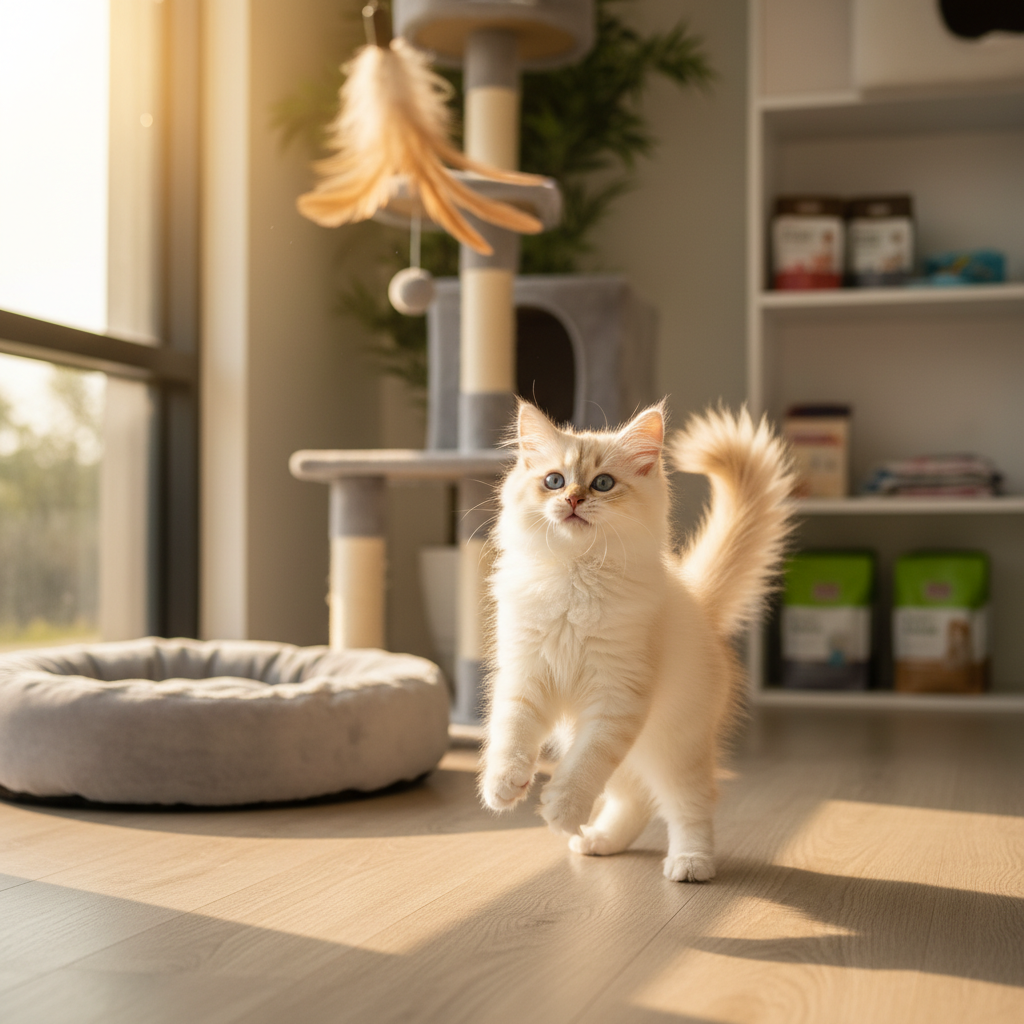
A full breakdown of what Singapore kitten owners can expect to spend in the first year, from AVS compliance to vet bills and daily essentials. All costs quoted in SGD with local regulatory requirements included.
Key Takeaways
- Budget level: Expect to spend roughly SGD $1,100 to $1,600 in the first year on essentials alone.
- Mid-range level: A comfortable first year typically runs SGD $1,900 to $3,000 when adding insurance, quality food, and routine wellness exams.
- Premium level: Owners who opt for comprehensive insurance, specialty diets, and proactive diagnostics may spend SGD $3,800 to $6,000 or more.
- Desexing (sterilisation) and the initial vaccine series are usually the single largest veterinary line items in year one.
- Mandatory AVS licensing, microchipping, and vaccination requirements mean certain costs are non-negotiable for Singapore cat owners.
- An emergency fund or insurance policy is strongly recommended, as unexpected kitten illnesses can cost several hundred to several thousand dollars at Singapore veterinary clinics.
Why First Year Costs Are Higher Than Most Expect
The first twelve months with a kitten represent the most medically intensive period of a cat's life. In Singapore, these costs are shaped not only by medical necessity but also by strict regulatory requirements enforced by the Animal and Veterinary Service (AVS) under the National Parks Board (NParks). Kittens need multiple rounds of core vaccinations, a sterilisation procedure, mandatory microchipping, parasite prevention, and a series of wellness checks.
Professional consensus suggests that many first-time owners in Singapore underestimate kitten costs by 30 to 50 percent because they focus on the adoption fee and overlook downstream expenses. Singapore's tropical climate also introduces year-round parasite pressure, meaning there is no seasonal break from flea, tick, and heartworm prevention.
AVS Licensing and HDB Regulations
All cats in Singapore must be microchipped and registered under the AVS licensing framework. While cat licensing was historically less enforced than dog licensing, the regulatory landscape continues to evolve. Key compliance points include:
- Microchipping: Mandatory for all cats. Must be done by an AVS-registered veterinarian.
- HDB restrictions: Cats are officially not permitted in HDB flats, though the Cat Management Framework and ongoing policy discussions may affect future regulations. Owners in private housing do not face this restriction.
- Sterilisation: While not legally mandated for privately owned cats, AVS and welfare organisations such as the Cat Welfare Society strongly encourage sterilisation. Many adoption organisations require proof of sterilisation.
Owners should confirm current HDB and AVS regulations before acquiring a kitten, as non-compliance can result in fines.
Veterinary Costs: Vaccinations
Core Vaccine Series
Veterinary guidelines from the World Small Animal Veterinary Association (WSAVA) recommend that kittens receive core vaccinations starting at around 6 to 8 weeks of age, with boosters every 3 to 4 weeks until approximately 16 weeks. Core vaccines protect against feline panleukopenia, feline herpesvirus, and feline calicivirus (typically combined as the FVRCP injection). Rabies vaccination is not routinely required in Singapore as the country maintains rabies-free status, but may be needed for international travel.
- Budget: SGD $80 to $160 for the full series at welfare organisation clinics.
- Mid-range: SGD $160 to $340 at a general veterinary practice, often bundled with a consultation fee per visit.
- Premium: SGD $340 to $540 when each visit includes a comprehensive physical exam, faecal screening, and blood work.
Non-Core Vaccines
Depending on lifestyle and risk factors, veterinarians may recommend feline leukaemia virus (FeLV) vaccination. This typically adds SGD $35 to $80 per dose, with two initial doses required for kittens.
Sterilisation (Spaying or Neutering)
Sterilisation is one of the single largest veterinary expenses in the first year. The cost varies based on the sex of the kitten, anaesthesia protocols, pre-surgical blood work, and pain management.
- Budget: SGD $80 to $200 through subsidised programmes offered by welfare organisations such as the Cat Welfare Society or SPCA Singapore.
- Mid-range: SGD $250 to $550 at a general practice, typically including pre-anaesthetic blood work and post-operative pain relief.
- Premium: SGD $550 to $950 at a practice offering advanced monitoring, IV fluid support during surgery, and extended post-operative follow-up.
Subsidised sterilisation programmes are periodically available and represent significant savings for budget-conscious owners.
Microchipping
Microchipping is mandatory in Singapore and must be performed by an AVS-registered veterinarian. The microchip is linked to the owner's details in the national registry.
- Budget: SGD $30 to $50 when bundled with sterilisation or vaccination visits.
- Mid-range: SGD $50 to $80 as a standalone appointment.
- Premium: SGD $80 to $110 including registration and documentation.
Routine Wellness Exams
Most veterinarians recommend two to three wellness visits in the first year beyond vaccine appointments to monitor growth, dental development, and behaviour.
- Budget: SGD $0 to $60 if exams are included in vaccination packages.
- Mid-range: SGD $60 to $200 per visit at a general practice.
- Premium: SGD $200 to $400 per visit when advanced diagnostics (blood chemistry, urinalysis) are included.
Parasite Prevention: A Year-Round Necessity
Singapore's tropical climate (average temperatures of 25 to 31°C year-round with high humidity) means parasites remain active throughout the entire year. There is no winter break from fleas, ticks, or heartworm-carrying mosquitoes. Year-round broad-spectrum parasite prevention is considered essential by Singapore veterinary professionals.
- Budget: SGD $80 to $140 per year for basic topical or oral flea and worm treatments.
- Mid-range: SGD $140 to $270 per year for broad-spectrum monthly preventatives.
- Premium: SGD $270 to $470 per year for combination products covering fleas, ticks, heartworm, and intestinal parasites.
Food
Kittens need a calorie-dense, protein-rich diet formulated specifically for growth. In Singapore, a wide range of imported and locally available brands meet international nutritional standards. Feeding guidelines stress that any complete and balanced commercial kitten food meeting AAFCO or equivalent standards is appropriate.
- Budget: SGD $200 to $340 per year using supermarket-brand dry kibble with occasional wet food.
- Mid-range: SGD $400 to $680 per year using veterinary-recommended brands combining wet and dry food.
- Premium: SGD $800 to $1,350 per year for prescription, raw, or ultra-premium brands, especially when using primarily wet food or fresh-food delivery services available in Singapore.
Singapore's heat and humidity mean wet food left out can spoil quickly. Owners should discard uneaten wet food within 30 to 45 minutes to prevent bacterial growth.
Litter and Litter Supplies
A single kitten will typically use 3 to 5 kg of litter per week, depending on litter type and scooping frequency.
- Budget: SGD $110 to $200 per year using non-clumping clay litter.
- Mid-range: SGD $200 to $400 per year using clumping clay or tofu-based litter (popular in Singapore for its flushability and low dust).
- Premium: SGD $400 to $680 per year using premium plant-based or silica crystal litter, plus a self-cleaning litter box (one-time cost of SGD $135 to $800).
Essential Supplies and Setup
First-time kitten owners need a range of one-off items:
- Litter box: SGD $15 to $80
- Food and water bowls: SGD $8 to $55
- Scratching post or cat tree: SGD $30 to $270
- Carrier: SGD $30 to $110
- Bedding and blankets: SGD $15 to $70
- Toys and enrichment items: SGD $15 to $80
- Collar and ID tag: SGD $8 to $30
Total one-off setup costs typically range from SGD $110 to $695 depending on quality and quantity.
Pet Insurance in Singapore
Pet insurance is growing in availability in Singapore, with several providers now offering cat-specific plans. Industry data consistently shows that a single emergency visit for foreign body ingestion, urinary obstruction, or accidental trauma can cost SGD $2,000 to $7,000 or more at Singapore veterinary clinics.
- Accident-only cover: SGD $15 to $30 per month (SGD $180 to $360 per year).
- Accident and illness cover: SGD $35 to $70 per month (SGD $420 to $840 per year).
- Comprehensive cover (including wellness): SGD $70 to $120 per month (SGD $840 to $1,440 per year).
Policy structures vary: deductible amounts, co-pay percentages, annual benefit caps, and waiting periods all affect the real-world value of a plan. Owners should compare multiple providers and read policy exclusions carefully before committing.
Unexpected Veterinary Bills
Even with careful planning, kittens are prone to accidents and acute illness. Common unexpected costs in Singapore include:
- Gastrointestinal issues (vomiting, diarrhoea, foreign body ingestion): SGD $270 to $4,000 depending on whether surgery is needed.
- Upper respiratory infections: SGD $135 to $680 for diagnosis and treatment.
- Urinary problems: SGD $400 to $3,400, especially in male kittens.
- Accidental injury (falls from windows, lacerations): SGD $270 to $2,700.
- Dental issues (retained baby teeth extraction): SGD $200 to $1,080.
High-rise living in Singapore introduces a specific risk: "high-rise syndrome" from falls through windows or off balconies. Cat-proofing mesh for windows and balconies is a strongly recommended investment (SGD $200 to $800 for professional installation).
Call the Animal Recovery Centre (ARC) or your nearest 24-hour veterinary clinic.
Several clinics in Singapore offer 24-hour emergency services. The AVS (Animal & Veterinary Service) website lists all licensed clinics.
Itemised First Year Total: Three Spending Levels
Budget Level (SGD $1,100 to $1,600)
- Vaccinations: SGD $80 to $160
- Sterilisation: SGD $80 to $200
- Microchipping: SGD $30 to $50
- Wellness exams: SGD $0 to $60
- Parasite prevention: SGD $80 to $140
- Food: SGD $200 to $340
- Litter: SGD $110 to $200
- Supplies (one-off): SGD $110 to $200
- Emergency fund contribution: SGD $270 to $400
- Insurance: SGD $0
Mid-Range Level (SGD $1,900 to $3,000)
- Vaccinations: SGD $160 to $340
- Sterilisation: SGD $250 to $550
- Microchipping: SGD $50 to $80
- Wellness exams: SGD $120 to $400
- Parasite prevention: SGD $140 to $270
- Food: SGD $400 to $680
- Litter: SGD $200 to $400
- Supplies (one-off): SGD $200 to $400
- Emergency fund contribution: SGD $270 to $400
- Insurance: SGD $420 to $840
Premium Level (SGD $3,800 to $6,000)
- Vaccinations: SGD $340 to $540
- Sterilisation: SGD $550 to $950
- Microchipping: SGD $80 to $110
- Wellness exams: SGD $400 to $800
- Parasite prevention: SGD $270 to $470
- Food: SGD $800 to $1,350
- Litter: SGD $400 to $680
- Supplies (one-off): SGD $400 to $695
- Emergency fund contribution: SGD $680 to $1,350
- Insurance: SGD $840 to $1,440
Singapore-Specific Tips for Reducing Costs
- Subsidised sterilisation: Welfare organisations such as SPCA Singapore and the Cat Welfare Society periodically offer subsidised sterilisation drives.
- Vaccination bundling: Many clinics offer kitten packages that combine vaccinations, deworming, and a health check at a reduced total fee.
- Tofu litter: Locally popular tofu-based litters are competitively priced, produce less dust in enclosed HDB spaces, and can be disposed of more easily.
- Window mesh: Investing in proper window grilles or mesh prevents costly emergency visits from high-rise falls.
Final Thoughts
Budgeting for a kitten in Singapore requires accounting for both universal veterinary needs and local regulatory requirements. The tropical climate demands year-round parasite prevention, high-rise living necessitates safety investments, and AVS compliance adds mandatory costs that cannot be deferred. Whether spending at the budget or premium level, the most important financial decision any new owner can make is to plan ahead, set aside a contingency fund, and never delay veterinary care for financial reasons alone.
Frequently Asked Questions
How much does it cost to own a kitten in Singapore for the first year? ↓
Is microchipping mandatory for cats in Singapore? ↓
Do I need pet insurance for my kitten in Singapore? ↓
Is year-round parasite prevention necessary in Singapore? ↓
Are cats allowed in HDB flats in Singapore? ↓

Rachel Simmons
Pet Ownership Cost Advisor
Pet ownership cost advisor — transparent vet fee breakdowns, insurance guidance, and financial planning for owners.
Content Disclosure
This article was created using state-of-the-art AI models with human editorial oversight. It is intended for informational and entertainment purposes only and does not constitute veterinary medical advice. Always consult a licensed veterinarian for your pet's specific health needs. Learn more about our process.