A Singapore-focused guide to choosing dog breeds that cope with year-round tropical humidity, HDB housing rules, and AVS licensing requirements. Includes breed comparisons, adoption pathways, and heat-aware routines for local flats and condos.
Key Takeaways
- Muzzle length is the single biggest risk factor. Brachycephalic breeds struggle in Singapore's humidity and are widely discouraged by veterinary professionals.
- HDB rules matter as much as breed traits. Only certain small breeds (and Project ADORE local mixed breeds) are permitted in HDB flats; condominiums set their own MCST rules.
- Year-round air conditioning or strong cross ventilation is essential, alongside walks scheduled before 7am or after 8pm to avoid pavement burns.
- Singapore Specials (local mixed breeds) are climate adapted and eligible for HDB adoption under Project ADORE.
- AVS dog licensing and microchipping are mandatory, and most reputable adopters or breeders will complete this before handover.
Why Heat and Humidity Are the First Filter in Singapore
Singapore sits roughly one degree north of the equator, with daily temperatures typically between 25 and 33 degrees Celsius and relative humidity that often holds between 70 and 90 percent. The northeast monsoon (around November to January) brings heavier rainfall, while the inter-monsoon months can feel even more oppressive due to still air. These conditions reduce a dog's ability to cool itself through panting, which is the primary canine thermoregulation method. Heat dissipation is harder in humid air than in dry desert heat of the same temperature, which is why a 32 degree Celsius afternoon in Bukit Timah or Pasir Ris can be more dangerous than it sounds.
Veterinary guidance from bodies such as the World Small Animal Veterinary Association (WSAVA) and observations from the Singapore Veterinary Association (SVA) consistently flag three structural breed traits that determine heat risk: muzzle length, coat type, and body size. Smart home tools such as those discussed in the guide to AI climate monitors that protect pets from heatstroke can help, but no gadget rescues a breed that is structurally unsuited to a tropical climate.
The Three Structural Factors That Matter Most
1. Muzzle Length
Brachycephalic breeds such as French Bulldogs, English Bulldogs, Pugs, Boston Terriers, Shih Tzus, Pekingese, Boxers, and Cavalier King Charles Spaniels have compressed airways. In Singapore's humidity, even a short walk between an HDB lift lobby and a void deck can trigger laboured breathing. Professional consensus, including from the British Veterinary Association and FECAVA, links these breeds to elevated risk of Brachycephalic Obstructive Airway Syndrome (BOAS), heat exhaustion, and exercise intolerance.
Mesocephalic breeds (medium muzzle, such as Labrador Retrievers) and dolichocephalic breeds (long muzzle, such as Greyhounds and Whippets) cool more efficiently. For Singapore households, muzzle length is the most important breed filter, ahead of size or appearance.
2. Coat Type
A double coat with a coarse outer layer and insulating undercoat (Huskies, Malamutes, Bernese Mountain Dogs, Chow Chows) traps heat and is poorly suited to the tropics. Light single coats (Whippets, Greyhounds, Basenjis) and short coats on local mixed breeds tolerate humidity better. Shaving a double coat is generally discouraged by veterinarians and groomers because the undercoat helps regulate skin temperature and protects against ultraviolet exposure. Dark coats also absorb more radiant heat on tarmac and HDB pavements, which can reach surface temperatures well above the air temperature in the early afternoon.
3. Body Size
Larger dogs have a less favourable surface area to volume ratio for shedding heat. Giant breeds (Great Danes, Saint Bernards, Newfoundlands) overheat quickly and need significant indoor space, which is uncommon in HDB flats and most condominiums. Small to medium adult dogs in the 5 to 20 kg range typically adapt better to apartment life with reliable air conditioning, provided the breed is not brachycephalic.
Singapore Housing Rules Shape Breed Choice
Unlike many countries, Singapore's housing framework directly limits the breeds you can keep. HDB flats permit one small dog from an approved list of around 60 breeds (such as the Bichon Frise, Miniature Schnauzer, Maltese, Poodle (Toy or Miniature), and Jack Russell Terrier), with an adult weight cap of approximately 10 kg and shoulder height limit of about 40 cm. Under Project ADORE (Adoption and Rehoming of Dogs), HDB also permits Singapore Specials (local mixed breeds) sourced through approved Animal Welfare Groups, subject to size and behaviour criteria.
Condominiums and landed homes operate under their respective MCST or landed property rules and can accommodate a wider range of breeds, but Specified Dogs under the AVS schedule (including Pit Bull Terrier types, Akita, Tosa, Boerboel, Dogo Argentino, Fila Brasileiro, Neapolitan Mastiff, and Perro de Presa Canario, among others) require additional licensing, banker's guarantee, third party liability insurance, muzzling in public, and microchipping. Crossbreeds of Specified Dogs may also fall under these rules.
All dogs over three months old must be licensed with the Animal and Veterinary Service (AVS), a cluster of the National Parks Board (NParks). Microchipping is mandatory, and sterilised dogs benefit from significantly reduced licence fees.
Side by Side Comparison Table
| Breed | Muzzle | Coat | Adult Size | Singapore Suitability | HDB Eligible |
|---|---|---|---|---|---|
| Singapore Special (local mixed) | Medium to Long | Short, single | Small to Medium | Excellent (climate adapted) | Yes, via Project ADORE |
| Whippet | Long | Short, single | Small to Medium | Very good | Generally yes (check size) |
| Greyhound (incl. retired racers) | Long | Short, single | Medium to Large | Very good (calm indoors) | No (condo or landed) |
| Miniature Poodle | Long | Curly single | Small | Very good | Yes |
| Bichon Frise | Medium | Curly single | Small | Good | Yes |
| Miniature Schnauzer | Medium | Wiry double | Small | Good | Yes |
| Basenji | Medium | Short, single | Small | Very good (quiet, athletic) | Often yes (check list) |
| Labrador Retriever | Medium | Dense double | Large | Moderate (strict heat plan) | No (condo or landed) |
| French Bulldog | Short (brachycephalic) | Short | Small | Poor (avoid) | Permitted but discouraged |
| Pug | Short (brachycephalic) | Short, double | Small | Poor (avoid) | Permitted but discouraged |
| Husky / Malamute | Medium | Heavy double | Medium to Large | Poor (avoid) | No (and unsuited) |
Temperament, Care, Health, and Costs in Singapore
Temperament
Sighthounds such as Whippets and Greyhounds are typically calm indoors and low barking, which suits condo living where complaints to MCST about noise can escalate quickly. Singapore Specials cover a wide temperament range; reputable Animal Welfare Groups such as SOSD, Action for Singapore Dogs (ASD), Causes for Animals, and SPCA Singapore conduct behaviour assessments that should guide matching, especially for families with young children.
Care and Grooming
Humidity accelerates skin and ear infections, particularly in dogs with floppy ears or skin folds. Regular ear cleaning, prompt drying after rain walks, and routine professional grooming are essential. Grooming prices in Singapore typically range from around $50 to $120 SGD for small breeds and higher for larger or double coated dogs. The principles in the guide to choosing a dog groomer apply here, with the additional consideration of finding a groomer experienced in tropical coat management.
Health Risks
Singapore is officially rabies free, so routine rabies vaccination is not standard for resident dogs, although it is required for export. Core vaccines administered by Singapore veterinarians typically include canine distemper, infectious hepatitis, parvovirus, parainfluenza, and leptospirosis, with the latter being particularly relevant due to rat exposure in shared bin centres and grass areas. Heartworm prevention is non negotiable, as mosquitoes transmit Dirofilaria immitis year round. Tick borne diseases such as ehrlichiosis are also a regional concern.
Costs
Realistic monthly running costs for a small to medium dog in Singapore commonly fall between $200 and $500 SGD, covering food, parasite prevention, grooming, and routine supplies. Annual vet wellness visits typically range from around $150 to $400 SGD before any treatments. Pet insurance products are available from several local insurers and generally cost $40 to $120 SGD per month depending on age and coverage. Boarding during travel periods (such as June and December school holidays) often runs from around $40 to $90 SGD per day and books out early. For after hours concerns, owners should keep a 24 hour clinic contact ready:
Call the Animal Recovery Centre (ARC) or your nearest 24-hour veterinary clinic.
Several clinics in Singapore offer 24-hour emergency services. The AVS (Animal & Veterinary Service) website lists all licensed clinics.
Why Brachycephalic Breeds Are Discouraged in Singapore
Even with continuous air conditioning, brachycephalic dogs cannot reliably cope with the inevitable transitions: vet visits in a Grab Pet, walks to the void deck, lift breakdowns in older HDB blocks, or power interruptions. Singapore Airlines and other carriers operating from Changi increasingly restrict snub nosed breeds in cargo, which limits relocation and family travel options. Families considering a future move should review preparation steps similar to those in the dog cargo flights preparation guide. Common regrets reported by counsellors and trainers in Singapore involve owners who selected a brachycephalic breed seen on social media, then faced repeated respiratory issues, BOAS surgery costs, and severely limited outdoor time.
Breeds That Cope Best With Singapore Apartment Living
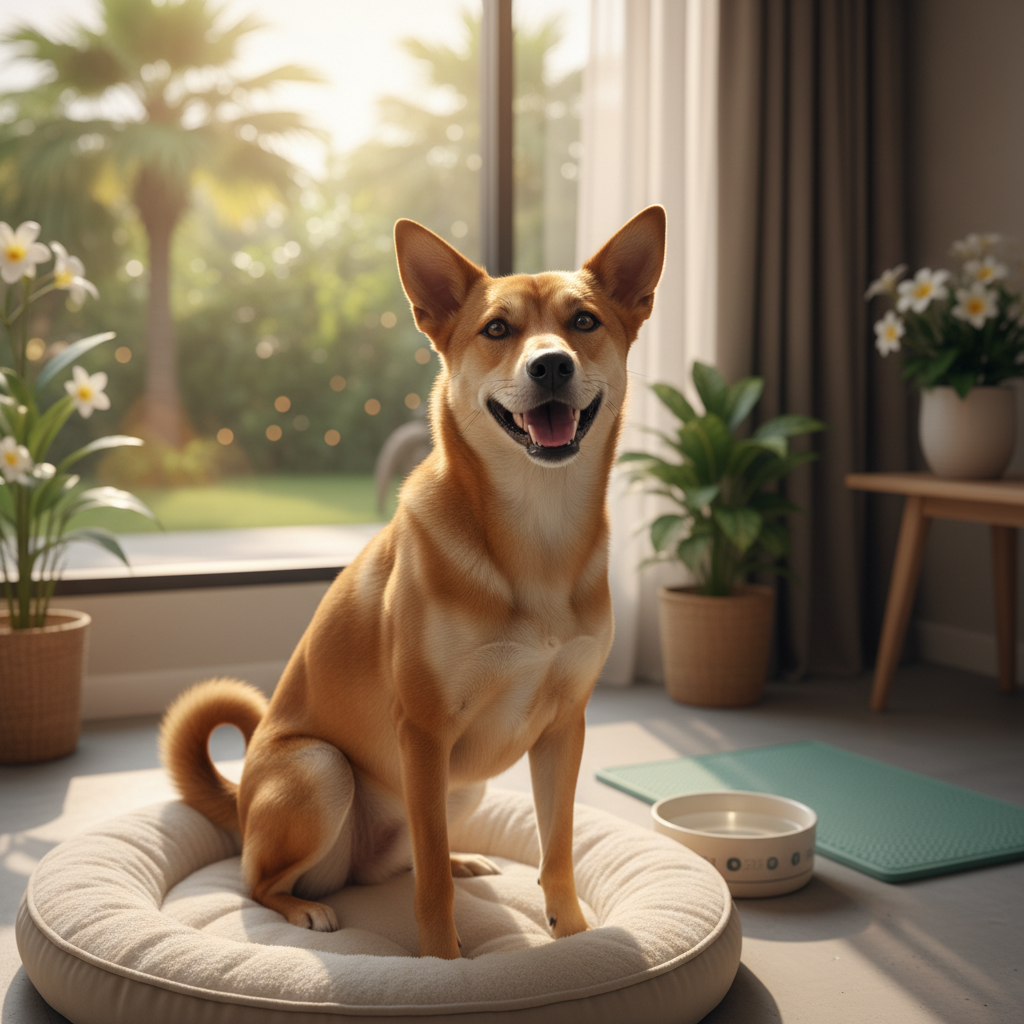
- Singapore Specials: Climate adapted, typically robust, and eligible for HDB under Project ADORE through approved AWGs.
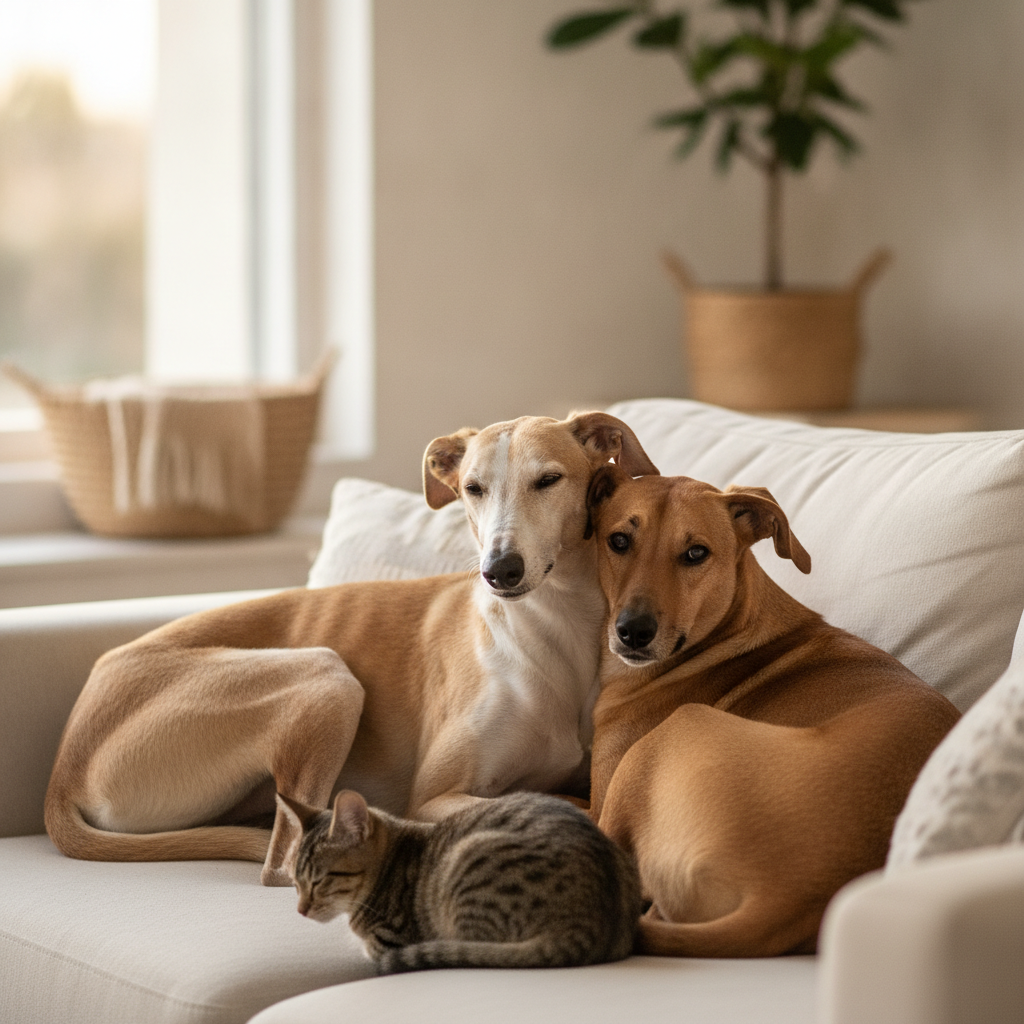
- Whippets: Quiet, clean, sprint indoors briefly, then sleep, ideal for condos.
- Miniature and Toy Poodles: Low shedding, intelligent, well suited to flats; require mental enrichment.
- Basenjis: Quiet (they yodel rather than bark), short coated, and athletic during cooler hours.
- Retired Greyhounds: Best suited to condos or landed homes; remarkably calm indoors.
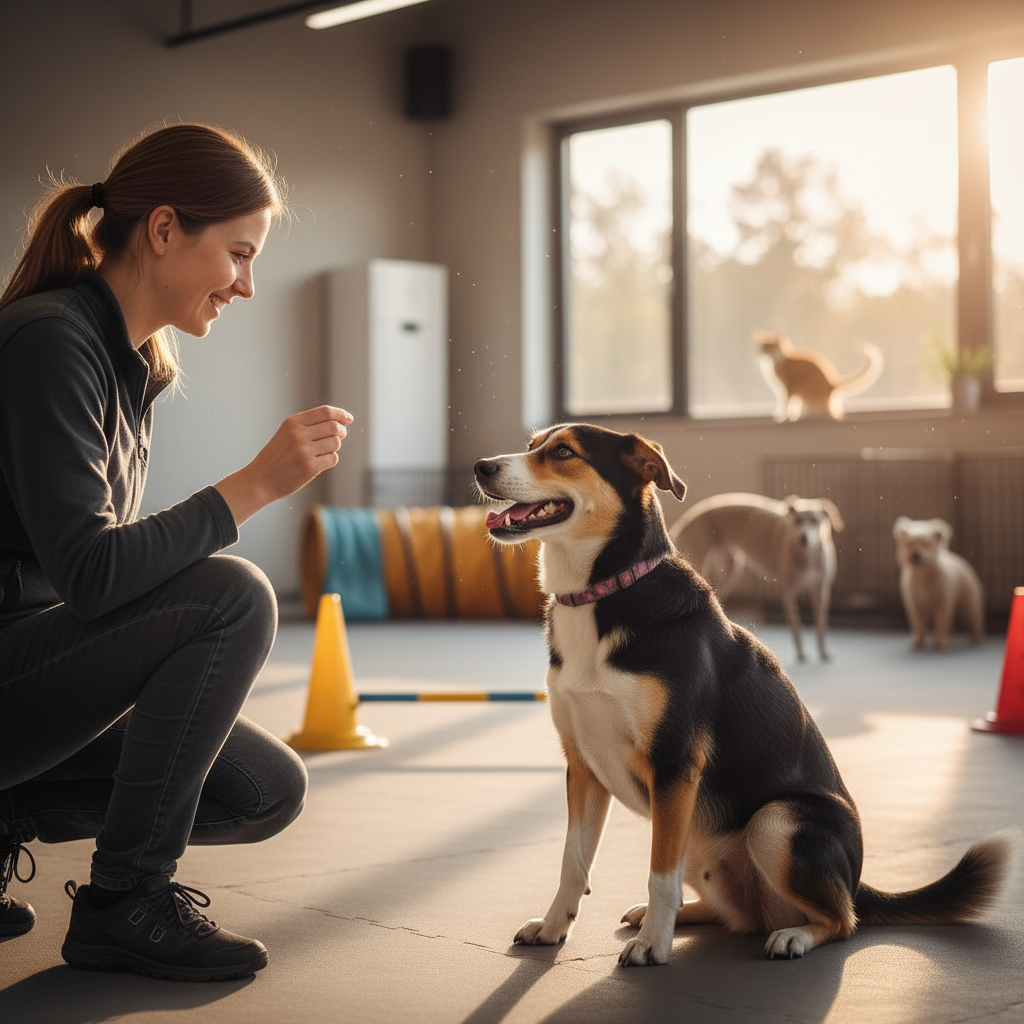
Settling any newly adopted dog into structured routines is critical. Families considering daycare should consult the guide to settling a newly adopted dog into group daycare and the honest assessment in does your dog actually enjoy daycare.
Lifestyle Match Guide for Singapore Homes
HDB Flat, Working Couple
Best fits: Miniature Poodle, Bichon Frise, small Singapore Special via Project ADORE. Plan for a reliable dog walker for early morning and post sunset walks during the hottest months.
Condo or Landed Home With Outdoor Area
Best fits: Whippet, retired Greyhound, Standard Poodle, medium Singapore Special. Always check pavement temperature with the back of the hand for seven seconds before walks; East Coast Park and Bukit Timah trails get very hot from late morning.
Family With Young Children
Best fits: Mature, behaviour assessed Singapore Special, Standard Poodle, calm Labrador (in landed or large condo). Always supervise interactions regardless of breed reputation.
Senior Owners or Quieter Households
Best fits: Retired Greyhound, adult Whippet, mature shelter dog. Consider sleep and routine support outlined in summer daylight, senior pets' sleep, and sundowning.
Adoption and Sourcing in Singapore
Rescue and Shelter Adoption
Approved Animal Welfare Groups including SPCA Singapore, SOSD, Action for Singapore Dogs, Causes for Animals, and Voices for Animals consistently see large populations of climate adapted Singapore Specials. Adopters should ask:
- How was the dog assessed and over what period?
- What is the known history with apartment living, lifts, children, and other pets?
- What veterinary work is complete (vaccinations, sterilisation, heartworm test, microchipping, AVS licence transfer)?
- What is the post adoption support and return policy?
Ethical Breeders
If choosing a breeder, prioritise AVS licensed facilities, health tested parents, and breeders who decline to sell brachycephalic dogs into tropical conditions. Avoid online listings without a facility visit, and avoid sellers who do not screen adopters or who cannot show the dam.
Avoid
- Pet shop puppies of unclear origin.
- Imported brachycephalic puppies marketed as rare colours.
- Any source unwilling to share veterinary records or allow a visit.
Decision Checklist Before You Commit
- The home has reliable air conditioning and a backup plan for outages.
- The household can commit to walks before 7am and after 8pm in hotter months.
- The HDB approved list or condo MCST rules have been verified for the chosen breed.
- AVS licensing, microchipping, and core vaccinations including leptospirosis are budgeted.
- Year round heartworm and tick prevention is built into the monthly budget.
- A Singapore Special adoption pathway has been considered.
- A boarding or pet sitter plan is in place for travel; see hiring a trustworthy in home pet sitter.
- All household members agree on responsibilities and on a 10 to 15 year commitment.
Final Word
The climate will not adapt to the dog, so the dog must be chosen to fit Singapore. Long muzzled, single coated, small to medium dogs (including the many Singapore Specials waiting in local shelters) are almost always the kindest, healthiest, and most sustainable choice. Brachycephalic breeds, however appealing on social media, are widely considered unsuitable for year round humidity. Families who plan thoroughly, follow AVS and HDB rules, and commit to heat aware routines tend to enjoy long, healthy relationships with dogs who are genuinely thriving rather than merely surviving.
Frequently Asked Questions
Which dog breeds are allowed in HDB flats in Singapore? ↓
Are brachycephalic breeds like French Bulldogs and Pugs legal in Singapore? ↓
What vaccinations are required for dogs in Singapore? ↓
What does it cost to keep a dog in Singapore each month? ↓
When are the safest times to walk a dog in Singapore? ↓
How do I adopt a Singapore Special through Project ADORE? ↓

Priya Nair
Dog Breed Advisor & Adoption Counsellor
Dog breed advisor and adoption counsellor — honest breed comparisons and lifestyle matching for prospective owners.
Content Disclosure
This article was created using state-of-the-art AI models with human editorial oversight. It is intended for informational and entertainment purposes only and does not constitute veterinary medical advice. Always consult a licensed veterinarian for your pet's specific health needs. Learn more about our process.