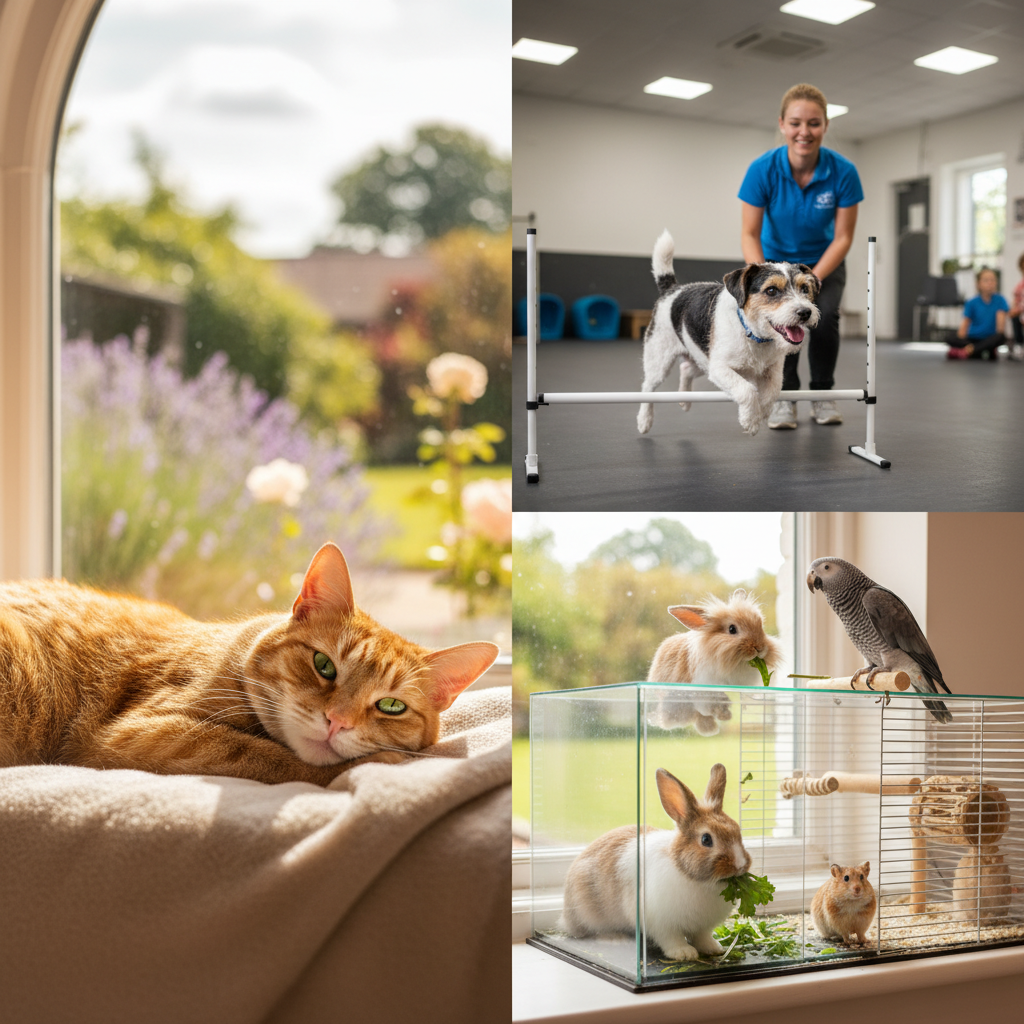
A guide for Singapore pet owners comparing home and clinic euthanasia, covering AVS regulations, local cremation options, costs in SGD, and aftercare services available on the island.
Key Takeaways for Singapore Pet Owners
- Both home and clinic euthanasia are humane, painless options when performed by an AVS-licensed veterinarian in Singapore.
- Home euthanasia is well established here, with multiple mobile veterinary practices serving the island, and typically costs from SGD $300 to $600 or more.
- Clinic euthanasia is generally more affordable (around SGD $150 to $350) and offers same-day availability in most cases.
- Home burial is only legal on privately owned landed property in Singapore and must take place within 24 hours. HDB residents, condo dwellers, and renters must use a licensed cremation service.
- Singapore's tropical heat means prompt aftercare arrangements are essential to preserve dignity and hygiene.
Understanding Euthanasia in Singapore's Veterinary Context
All practising veterinarians in Singapore must be registered with the Animal and Veterinary Service (AVS), a cluster under the National Parks Board (NParks). This applies equally to clinic-based and mobile veterinarians. The euthanasia procedure itself is the same regardless of setting: a sedative is administered first to ease the pet into a deep, painless sleep, followed by a barbiturate injection (typically pentobarbital) that stops the heart within seconds to a few minutes. Professional veterinary consensus confirms that, when proper sedation protocols are followed, the pet feels no pain.
Singapore owners often note that the process is gentler and quicker than anticipated. Involuntary muscle twitches or a final exhale may occur after death. These are reflexes rather than signs of distress, though they can be startling without forewarning. A skilled veterinarian will explain these possibilities before beginning.
Home Euthanasia in Singapore
Singapore has a well-developed mobile veterinary sector. Several housecall practices offer compassionate end-of-life visits across the island, typically covering all areas from Woodlands to Jurong to Pasir Ris. During a home visit, the veterinarian arrives with all required medications and equipment. The pet remains on a favourite bed or mat, surrounded by family, without the stress of transport.
This can be especially beneficial for cats, which are known to find carrier travel and clinic environments highly distressing, and for older dogs with mobility issues who may struggle with car journeys. In Singapore's tropical climate, where outdoor temperatures frequently exceed 30°C and humidity stays high, even a short trip to a clinic can cause additional discomfort for a frail or unwell animal.
Typical Cost Range
Home euthanasia in Singapore generally ranges from SGD $300 to $600 or more, depending on the pet's size, the time of the appointment, and whether weekend or public holiday surcharges apply. Some mobile practices include a complimentary keepsake such as a paw print or fur clipping in the base price. Others offer bundled packages that combine the visit, procedure, and private cremation with urn return. Always request a full cost breakdown when booking.
How to Find a Mobile Vet
- Ask your regular veterinarian. Many Singapore clinics can recommend a trusted mobile colleague if they do not offer housecall euthanasia themselves.
- Check AVS registration. Any veterinarian performing euthanasia must be registered with AVS. Owners can verify this through the NParks website.
- Ask about sedation protocols. Confirm that the mobile vet uses a two-stage sedation and euthanasia approach for maximum comfort.
- Clarify aftercare logistics. The mobile vet should explain how the pet's body will be transported to the cremation facility, which is especially important given Singapore's heat.
Preparing Your Home
- Choose a quiet, cool room. Air conditioning is recommended, both for the pet's comfort and to assist the veterinarian working in close quarters.
- Lay towels or a waterproof pad beneath the pet's bedding, as the body may release urine or stool after death (a normal physiological response).
- Ensure good lighting so the vet can locate veins safely.
- Have water available for handwashing.
- Offer favourite treats before sedation if the pet is still eating.
- Decide in advance who will be present and brief everyone, including children, on what to expect.
Clinic Euthanasia in Singapore
Singapore has a high density of veterinary clinics, many of which are open extended hours or operate 24-hour emergency services. Clinic euthanasia is typically available same-day or next-day and costs around SGD $150 to $350, depending on the clinic and the pet's size. Many clinics schedule end-of-life appointments at quieter times, such as the first or last slot of the day, and offer a private room.
Owners can ask for a side entrance to avoid a busy waiting area. Bringing a familiar blanket, toy, or the pet's favourite treat can make the environment less clinical. Clinic euthanasia may be medically preferable if a pet has very fragile veins, is severely dehydrated, or requires emergency intervention, since the clinic setting provides immediate access to additional equipment and support staff.
Call the Animal Recovery Centre (ARC) or your nearest 24-hour veterinary clinic.
Several clinics in Singapore offer 24-hour emergency services. The AVS (Animal & Veterinary Service) website lists all licensed clinics.
Can Family Members and Other Pets Be Present?
Both home and clinic settings in Singapore generally allow family members, including children, to be present. Many veterinarians experienced in end-of-life care encourage families to include children when the family considers it appropriate, as being present can help children process loss in a supported environment. No one should feel obligated to remain in the room; the pet's comfort is not affected if someone steps away.
Companion animals may also be permitted to be nearby. Bereavement guidance from veterinary professionals suggests that allowing a bonded pet to see the deceased animal may reduce searching behaviour afterward. This is a personal choice with no obligation either way.
Aftercare in Singapore: Cremation, Burial, and Keepsakes
Singapore's regulations and land constraints make cremation the most common aftercare choice. All pet cremation facilities must be approved by the National Environment Agency (NEA).
Cremation Options and Typical Costs
- Communal cremation: The pet is cremated alongside other animals. Ashes are not returned. Typically SGD $50 to $200, depending on the pet's weight.
- Partitioned cremation: Pets are cremated in the same chamber but separated by partitions. Ashes are returned, though minimal co-mingling is possible. Typically SGD $90 to $400.
- Private cremation: The pet is cremated individually. Ashes are returned in an urn or container. Typically SGD $170 to $800, depending on the pet's size.
Several established cremation providers in Singapore also offer columbarium niches, memorial services, and sea ash scattering. Owners should ask about the facility's procedures, whether independent auditing is conducted, and whether premises visits are possible.
Home Burial
Under Singapore's Environmental Public Health (Public Cleansing) Regulations, burying animal carcasses in public places is prohibited. Home burial is only permitted on privately owned landed property and must occur within 24 hours of death. This means residents of HDB flats, condominiums, or rental properties cannot bury pets on their premises. For the majority of Singapore households, cremation is the practical and legally compliant option.
Keepsakes
Paw prints (ink or clay), nose prints, and fur clippings are commonly offered by both mobile veterinarians and cremation services in Singapore. These should be requested before or immediately after the procedure, as they cannot be obtained later.
Deciding When It Is Time
Quality-of-life assessment tools can help owners move beyond emotional guesswork. The HHHHHMM scale, developed by veterinary oncologist Dr Alice Villalobos, evaluates Hurt, Hunger, Hydration, Hygiene, Happiness, Mobility, and whether there are "more good days than bad." This framework is widely referenced in veterinary palliative care and is best used alongside guidance from the pet's treating veterinarian. If the question "Is it time?" is arising frequently, veterinary professionals note that this itself is often a meaningful signal.
Emotional Support After Pet Loss
Pet bereavement is increasingly recognised as genuine and significant grief. Resources available to Singapore residents include:
- Veterinary follow-up: Many Singapore clinics send condolence messages or make follow-up calls. Owners should not hesitate to contact their veterinary team.
- Online support communities: Pet loss support groups, including those with members across Southeast Asia, provide peer connection for grieving owners.
- Professional counselling: Therapists in Singapore who work with grief and loss can support clients mourning a pet. There is no need to minimise the bond.
Grief after losing a pet is normal, valid, and deserves compassionate support. There is no fixed timeline for healing.
Myth vs Reality: Singapore Edition
Myth: Home euthanasia is less professional or less safe than clinic euthanasia.
Reality: Mobile veterinarians in Singapore carry the same medications, follow the same protocols, and hold the same AVS registration as clinic-based veterinarians. The standard of care is identical regardless of setting.
Myth: You can bury your pet in any garden or green space in Singapore.
Reality: Burial in public areas is illegal under the Environmental Public Health Regulations. Only owners of private landed property may bury a pet on their own land, and it must be done within 24 hours. Most Singapore residents will need to use a licensed, NEA-approved cremation service.
Myth: Choosing euthanasia means giving up on your pet.
Reality: Veterinary ethics consistently frame euthanasia as a final act of care. When suffering cannot be meaningfully relieved, choosing a peaceful, painless death is widely regarded by professionals as compassionate and responsible.
Myth: Private cremation always guarantees only your pet's ashes are returned.
Reality: Reputable, NEA-approved cremation providers in Singapore do return only the individual pet's ashes after a private cremation. However, owners should ask about the facility's procedures and whether independent auditing is conducted. A recommendation from a trusted veterinarian is the best safeguard.
Quick Reference: Home vs Clinic Euthanasia in Singapore
| Factor | Home Euthanasia | Clinic Euthanasia |
|---|---|---|
| Setting | Pet's own home | Veterinary clinic |
| Typical cost (SGD) | $300 to $600+ | $150 to $350 |
| Scheduling | Advance booking usually required | Often same day or next day |
| Pet stress level | Often lower (no travel in heat) | Varies by individual pet |
| Emergency availability | Limited | 24-hour clinics available |
| Family presence | Easily accommodated | Usually accommodated |
| Aftercare transport | Vet typically arranges | Clinic typically arranges |
Frequently Asked Questions
How much does pet euthanasia cost in Singapore? ↓
Is home burial legal for pets in Singapore? ↓
How do I find a licensed mobile vet for home euthanasia in Singapore? ↓
What pet cremation options are available in Singapore? ↓
Will my pet feel pain during euthanasia? ↓
Can my family and other pets be present during euthanasia in Singapore? ↓

Hannah Cole
Pet Owner Community Advisor
Pet owner community advisor — calm, clear answers to the questions every pet parent asks.
Content Disclosure
This article was created using state-of-the-art AI models with human editorial oversight. It is intended for informational and entertainment purposes only and does not constitute veterinary medical advice. Always consult a licensed veterinarian for your pet's specific health needs. Learn more about our process.