
In this article
- Key Takeaways
- Why Insect Protein Is Gaining Traction in 2026
- Nutritional Profile of Black Soldier Fly Larvae (BSFL)
- Allergy Friendly Benefits: Novel Protein for Sensitive Dogs
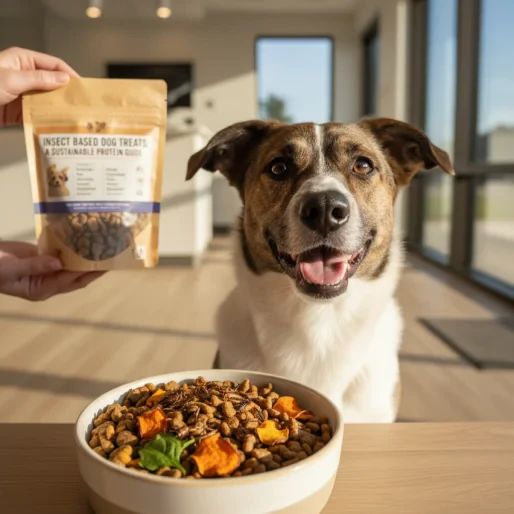
- Taste Acceptance: Will Dogs Actually Eat Insect Treats?
- How to Read the Ingredients List on Insect Based Treats
- Portion Sizing and Feeding Considerations
- Special Populations: Puppies, Seniors, and Dogs With Health Conditions
- Sustainability: The Bigger Picture
- Foods That Remain Toxic to Dogs
- Final Thoughts
Key Takeaways
- Black Soldier Fly larvae (BSFL) offer a complete amino acid profile with crude protein levels typically ranging from 35% to 60% on a dry matter basis.
- Insect protein qualifies as a novel protein, making it a practical option for dogs with diagnosed sensitivities to chicken, beef, or other common proteins.
- Palatability studies suggest most dogs accept insect based treats readily, though individual preferences vary.
- Reading the ingredients list on insect treats requires the same critical eye as any other pet food: look for named protein sources, clear AAFCO or FEDIAF statements, and transparent guaranteed analyses.
- Always consult a veterinarian before using insect protein as part of an elimination diet for suspected food allergies.
Why Insect Protein Is Gaining Traction in 2026
The pet food industry is under increasing pressure to find protein sources that are both nutritionally adequate and environmentally responsible. Conventional animal proteins, particularly beef and chicken, carry significant land use, water, and carbon footprints. According to estimates from the Food and Agriculture Organization (FAO), insect farming requires substantially less land, water, and feed compared to traditional livestock production. For owners interested in reducing their pet's environmental impact, insect based treats represent one of the most accessible entry points. For a broader look at eco conscious feeding, see our guide on How to Calculate Your Pet's Diet Pawprint in 2026.
Regulatory frameworks are also catching up. In the European Union, insect derived proteins have gained approval for use in pet food under updated feed regulations. In the United States, AAFCO has been reviewing insect ingredients, and several insect derived ingredients now appear in the official feed ingredient definitions. This regulatory progress has given manufacturers more confidence to bring insect based products to market.
Nutritional Profile of Black Soldier Fly Larvae (BSFL)
Black Soldier Fly larvae (Hermetia illucens) are the most widely used insect species in pet food manufacturing, and for good reason. Their nutritional composition is well suited to canine dietary needs.
Protein Content and Amino Acid Profile
On a dry matter basis, BSFL typically contain between 35% and 60% crude protein, depending on the substrate they are raised on and the processing method used. Peer reviewed analyses indicate that BSFL provide all essential amino acids required by dogs, including lysine, methionine, and threonine, though the exact ratios can vary by batch. The protein digestibility of processed BSFL meal has been measured in feeding trials and generally falls within a range considered comparable to conventional animal protein meals, though some studies suggest slightly lower apparent digestibility than high quality poultry meal.
Fat and Fatty Acid Composition
BSFL are naturally rich in fat, often containing 15% to 35% crude fat on a dry matter basis. The fatty acid profile is notable for its high lauric acid content (a medium chain fatty acid also found in coconut oil), which has been studied for antimicrobial properties. However, the omega 3 to omega 6 ratio in BSFL is typically not ideal for dogs on its own, meaning well formulated products may need supplementation with fish oil, flaxseed, or algal oil to meet AAFCO or FEDIAF recommendations for essential fatty acids like EPA and DHA.
Minerals and Micronutrients
BSFL are naturally high in calcium due to their exoskeleton, with calcium to phosphorus ratios that can vary significantly based on rearing conditions. This is nutritionally relevant: an imbalanced calcium to phosphorus ratio can be harmful, particularly for growing puppies. Responsible manufacturers will adjust mineral content during formulation and disclose the guaranteed analysis on the label. BSFL also provide meaningful amounts of iron, zinc, and manganese.
Chitin: A Unique Component
The exoskeleton of BSFL contains chitin, a fibrous polysaccharide. Research into chitin's effects on canine digestion is still in relatively early stages. Some studies suggest chitin may act as a prebiotic fibre supporting gut microbiome diversity, while others note that high chitin content could reduce overall nutrient digestibility. The practical impact for treat level feeding (as opposed to a complete diet) is likely minimal, but it is worth noting as a distinguishing feature of insect based products.
Allergy Friendly Benefits: Novel Protein for Sensitive Dogs
Food allergies and adverse food reactions in dogs most commonly involve proteins. According to veterinary dermatology literature, the proteins most frequently implicated in canine food allergies include beef, dairy, chicken, wheat, and lamb. When a dog is suspected of having a food allergy, veterinary nutritionists typically recommend an elimination diet using a novel protein, meaning a protein the dog has never been exposed to before.
Why Insect Protein Qualifies as Novel
For the vast majority of dogs in 2026, insect protein remains a genuinely novel ingredient. Unlike venison, duck, or kangaroo (which have become more mainstream and therefore less reliably "novel"), most dogs have had zero prior dietary exposure to insect derived proteins. This makes BSFL based treats a practical option during or after an elimination diet trial, provided the treat contains no other common allergens.
Important Caveats
It is critical to understand that "hypoallergenic" is not a regulated or guaranteed claim in pet food. A product labelled as insect based may still contain chicken fat, egg, or wheat as secondary ingredients. Cross contamination during manufacturing is also a possibility. Owners managing confirmed food allergies should always read the full ingredients list, contact the manufacturer about shared production lines, and ideally work under the guidance of a veterinarian or board certified veterinary nutritionist (Diplomate ACVN or equivalent). Prescription hydrolysed protein diets remain the gold standard for diagnostic elimination trials, as recommended by WSAVA nutrition guidelines.
Taste Acceptance: Will Dogs Actually Eat Insect Treats?
One of the most common concerns owners raise is palatability. Fortunately, published feeding trials and manufacturer reported data generally show favourable results.
What Palatability Research Suggests
Several peer reviewed studies conducted between 2019 and 2025 have evaluated dogs' acceptance of insect based diets and treats. The general finding is that most dogs accept BSFL based products without significant reluctance, particularly when the larvae have been processed into a meal or incorporated into a baked treat format. Some studies have used two bowl preference tests, comparing insect based kibble to conventional poultry based kibble, and reported that a majority of dogs showed no strong preference for either option, suggesting acceptable palatability for the insect based formulation.
Practical Tips for Introduction
- Start small: Offer a single insect based treat alongside a familiar treat and observe the dog's response.
- Texture matters: Dried whole larvae, extruded treats, and baked biscuits each have different textures. Dogs that reject one format may accept another.
- Mix with familiar food: For dogs reluctant to try something new, crushing an insect based treat over regular food can ease the transition.
- Give it time: Some dogs are naturally neophobic (cautious about new foods). Two or three exposures may be needed before the dog accepts the treat willingly.
Understanding canine body language during feeding can also help owners gauge true acceptance versus polite refusal. Our article on Canine Body Language: A Guide for Daycare Staff covers relevant signals in detail.
How to Read the Ingredients List on Insect Based Treats
Owners are often surprised that the ingredients list alone tells them less than the AAFCO or FEDIAF nutritional adequacy statement. However, the ingredients list remains a vital tool when evaluating insect based treats. Here is what to look for.
Named Protein Sources
A quality insect based treat should list a specific, named insect ingredient near the top of the ingredients list. Look for terms like "Black Soldier Fly larvae meal," "dried Hermetia illucens larvae," or "insect protein meal (Black Soldier Fly)." Vague terms like "insect meal" without species identification are less transparent and should prompt further questions to the manufacturer.
Watch for Hidden Common Proteins
If the goal is to use the treat as a novel protein option, scrutinise every ingredient for traces of common allergens. Chicken fat, egg product, beef flavouring, and dairy derivatives can appear far down the list but are still relevant for allergy sensitive dogs. A truly single protein insect treat should contain no other animal derived ingredients.
Guaranteed Analysis: What the Numbers Mean
The guaranteed analysis panel provides minimum crude protein and fat percentages, plus maximum crude fibre and moisture. For treats, these values help compare products but do not tell the whole story about ingredient quality or digestibility. Key points to check:
- Crude protein: For insect based treats, look for values that reflect meaningful protein contribution, typically above 20% for a dried treat format.
- Crude fat: BSFL are naturally high in fat, so expect moderate to high fat levels unless the product has been defatted.
- Crude fibre: May be higher than conventional treats due to chitin content.
- Moisture: Lower moisture generally means a more calorie dense product per gram.
Additives and Preservatives
Insect based treats, like any pet treat, may contain preservatives, humectants, colouring agents, or flavour enhancers. Look for products that use minimal additives. Natural preservatives such as mixed tocopherols (vitamin E) or rosemary extract are generally preferred over artificial alternatives. Any product making therapeutic or health claims beyond basic nutrition should be viewed sceptically unless backed by clinical data.
The AAFCO or FEDIAF Statement
Most treats are labelled as "intended for intermittent or supplemental feeding only" and do not carry a complete and balanced nutritional adequacy claim. This is normal and expected for treats. The important takeaway: treats, including insect based ones, should not exceed roughly 10% of a dog's daily caloric intake. The remaining 90% should come from a complete and balanced diet that meets AAFCO or FEDIAF standards.
Portion Sizing and Feeding Considerations
Because BSFL based treats can be relatively calorie dense (due to their natural fat content), portion control matters. Veterinary nutritionists recommend calculating the caloric content of treats and factoring this into the dog's total daily energy requirement. For a rough guide:
- Small dogs (under 10 kg): limit treats to approximately 30 to 50 kcal per day from all treat sources combined.
- Medium dogs (10 to 25 kg): approximately 50 to 100 kcal per day from treats.
- Large dogs (over 25 kg): approximately 100 to 150 kcal per day from treats.
These ranges are general starting points. Active, working, or growing dogs may have different needs, and overweight dogs on a weight management plan may need stricter limits. For help budgeting pet care costs including nutrition, see our New Pet Budget 2026: First Year Cost Breakdown.
Special Populations: Puppies, Seniors, and Dogs With Health Conditions
Puppies
Growing dogs have higher protein and mineral requirements, and the calcium to phosphorus ratio is particularly critical. Insect based treats can be offered to puppies, but they should remain a small supplement to a complete puppy diet formulated to AAFCO or FEDIAF growth standards. Puppies being socialised at daycare or in training classes often benefit from small, high value treats: insect based options can serve this purpose well. For more on safe socialisation, see How to Socialise a Puppy at Daycare Safely.
Senior Dogs
Older dogs may benefit from novel, easily digestible protein sources, particularly if they have developed food sensitivities over time. Insect treats can complement a senior diet, though owners should monitor for any gastrointestinal changes when introducing new foods. Senior dogs also benefit from mental stimulation: pairing new treat types with enrichment activities like nosework can be especially rewarding. See our Nosework for Senior Dogs: A Spring Training Guide for ideas.
Dogs With Chronic Health Conditions
Dogs with kidney disease, pancreatitis, liver conditions, or other metabolic disorders may need specific macronutrient restrictions. While insect protein is not inherently contraindicated, any dietary changes for dogs with chronic conditions must be supervised by a veterinarian. Prescription or therapeutic diets should never be replaced with over the counter products without professional guidance.
Sustainability: The Bigger Picture
Choosing insect based treats is one tangible step owners can take toward a lower impact feeding routine. BSFL can be reared on organic waste streams, converting food by products into high quality protein with significantly lower greenhouse gas emissions than conventional livestock. Some estimates suggest insect farming uses up to 90% less land and substantially less water per kilogram of protein produced, though exact figures vary by facility and methodology.
However, sustainability claims on packaging should be evaluated critically. Third party certifications, transparent sourcing information, and clear supply chain disclosures are markers of genuine commitment rather than greenwashing.
Foods That Remain Toxic to Dogs
Regardless of the protein source in a dog's diet, certain human foods remain dangerous. This table is a quick safety reference.
| Food | Toxic Component | Risk Level |
|---|---|---|
| Chocolate | Theobromine, caffeine | Moderate to severe |
| Grapes and raisins | Unknown compound | Severe (kidney failure) |
| Onions and garlic | Thiosulfates | Moderate to severe |
| Xylitol (birch sugar) | Insulin release trigger | Severe (hypoglycaemia, liver failure) |
| Macadamia nuts | Unknown compound | Moderate |
| Cooked bones | Splintering risk | Moderate (GI obstruction or perforation) |
| Alcohol | Ethanol | Severe |
If a dog ingests any toxic food, contact a veterinarian or emergency animal poison helpline immediately.
Final Thoughts
Insect based dog treats, particularly those featuring Black Soldier Fly larvae, represent a genuinely promising intersection of sustainability, novel protein nutrition, and practical allergy management. The science supporting their nutritional adequacy is growing, regulatory acceptance is expanding, and palatability data is encouraging. However, as with any pet nutrition decision, critical label reading, appropriate portion control, and veterinary guidance remain essential. No single treat or ingredient is a magic solution: the best feeding plan is one tailored to the individual dog's health status, life stage, and dietary history.
Disclaimer: This article was prepared by Sarah Mitchell, an AI generated fictional expert persona representing pet nutrition consulting expertise modelled on professional standards. Content is for educational purposes only and does not replace consultation with a licensed veterinarian or board certified veterinary nutritionist.
Frequently Asked Questions
Content Disclosure
This article was created using state-of-the-art AI models with human editorial oversight. It is intended for informational and entertainment purposes only and does not constitute veterinary medical advice. Always consult a licensed veterinarian for your pet's specific health needs. Learn more about our process.