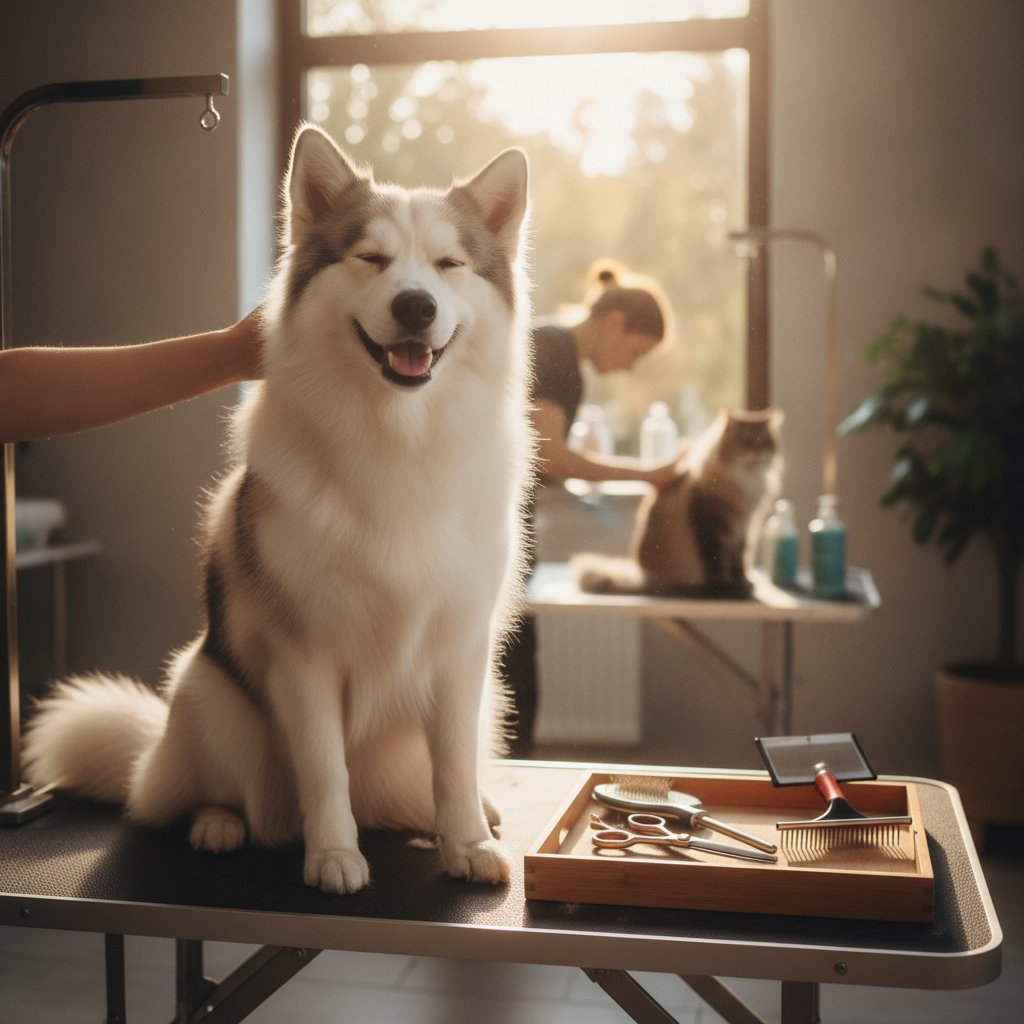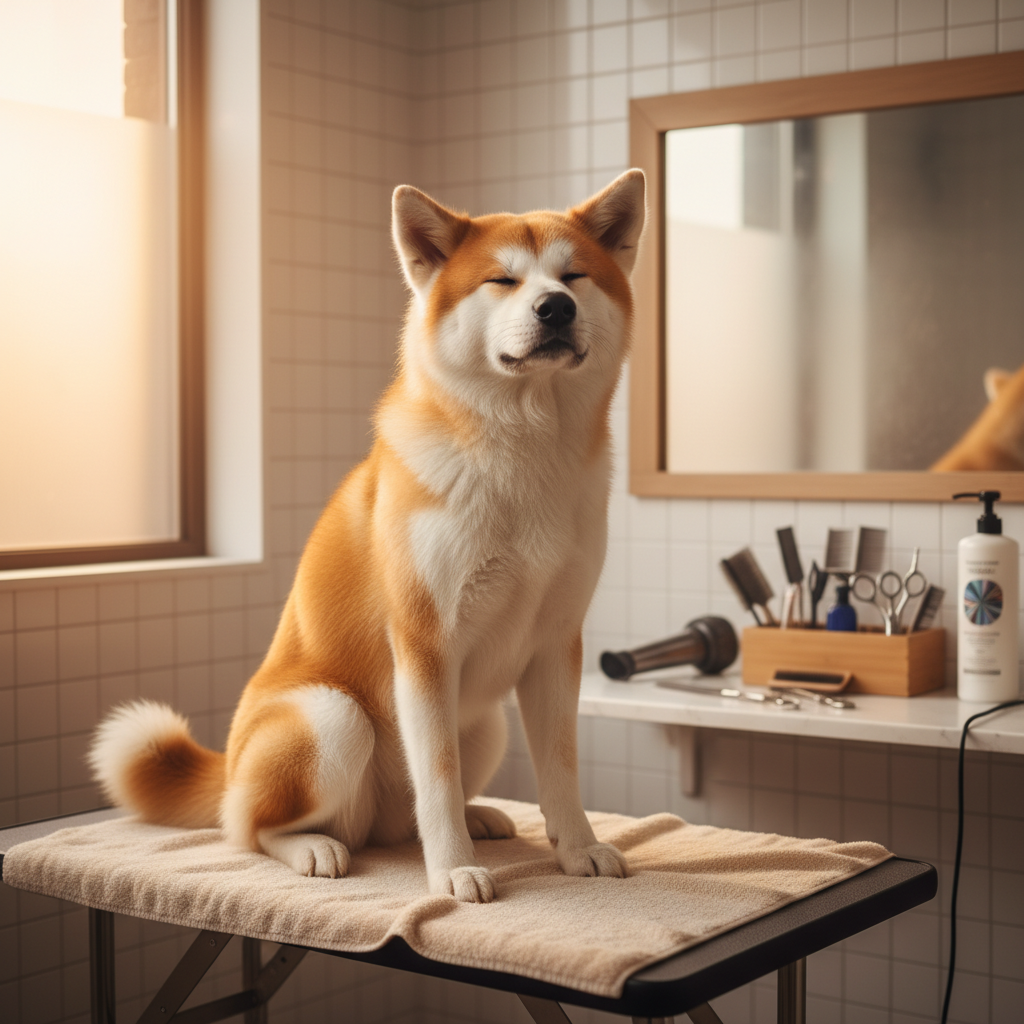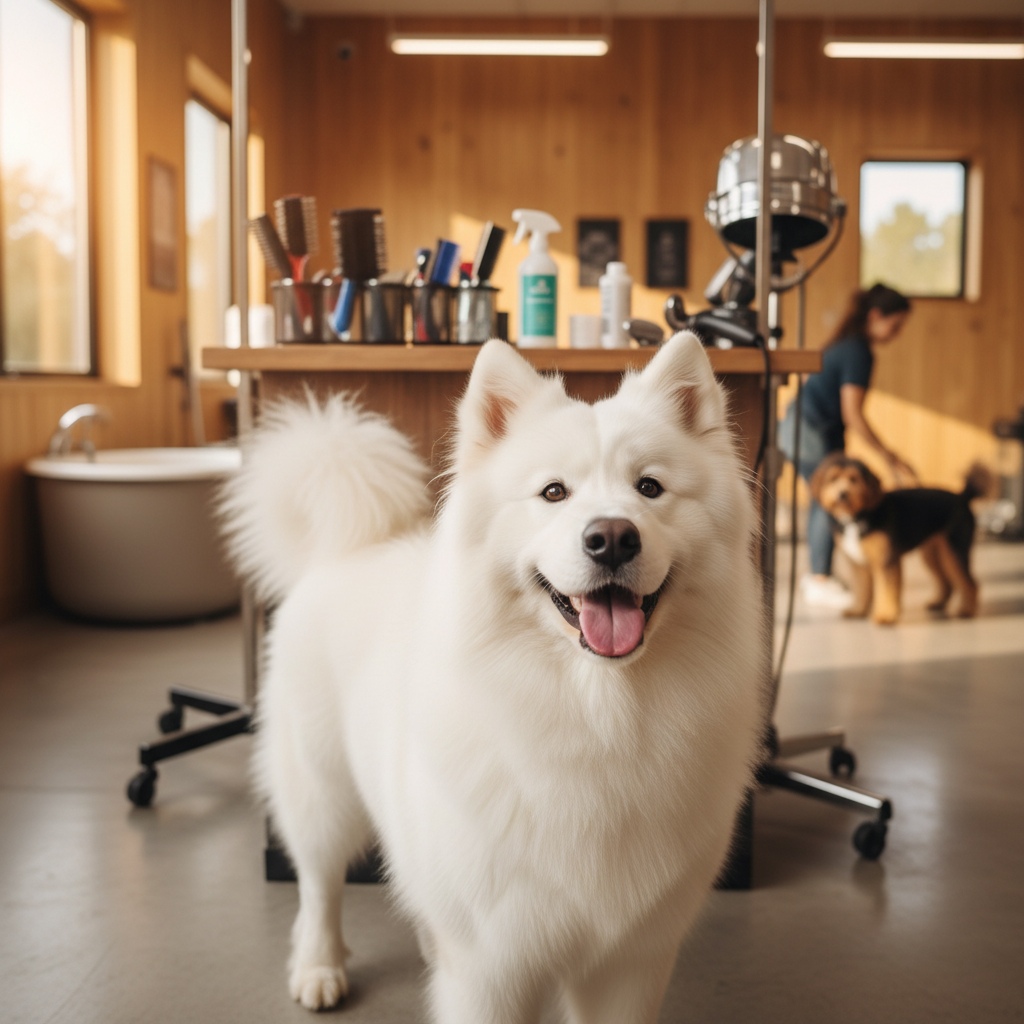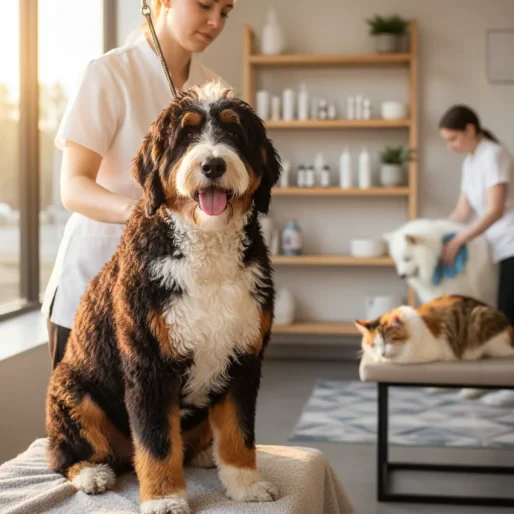
Singapore's tropical heat and humidity make double-coated dogs especially vulnerable to coat damage from shaving. Learn why proper grooming, not clipping, is the safest way to keep your dog cool year-round.
Key Takeaways
- A double coat insulates against heat and UV radiation, both of which are intense year-round in Singapore's tropical climate.
- Shaving can cause post-clipping alopecia, a condition where the coat regrows poorly or not at all, leaving dogs permanently less protected.
- With average temperatures of 27°C to 34°C and humidity regularly exceeding 80%, shaved dogs face higher risks of overheating, sunburn, and fungal skin infections.
- Regular deshedding, indoor cooling, hydration, and professional grooming are safer, more effective strategies.
- If a double-coated dog shows signs of heat distress despite proper coat care, a veterinary evaluation is recommended to rule out underlying conditions.
Double Coats and Singapore's Tropical Climate
Breeds like Golden Retrievers, Siberian Huskies, German Shepherds, Samoyeds, Pomeranians, and Shetland Sheepdogs all have double coats consisting of a dense, insulating undercoat and a coarser protective topcoat. This two-layer system traps a buffer of air against the skin, which slows heat transfer from the environment to the body.
In Singapore, where temperatures rarely drop below 24°C and midday readings regularly reach 33°C to 34°C, many owners understandably worry about their double-coated dogs overheating. The instinct to shave the coat for relief is common but misguided. The double coat does not make a dog hotter; it functions like insulation in a building, keeping external heat out while allowing the body's own cooling systems to function efficiently.
Removing this insulation through shaving exposes the skin directly to solar radiation and ambient heat, forcing the dog to work significantly harder to regulate its core temperature. In a climate with no cool season to offer respite, this is a year-round risk rather than a seasonal one.
Why Shaving Is Especially Risky in Singapore
Year-Round UV Exposure
Singapore sits almost directly on the equator, receiving intense ultraviolet radiation throughout the year. The UV index frequently reaches "very high" or "extreme" levels, even on overcast days. The topcoat of a double-coated dog blocks a substantial portion of UV rays. Shaving removes this barrier entirely, exposing pale, thin skin to direct sunlight.
Canine sunburn (solar dermatitis) can develop quickly in tropical UV conditions, presenting as red, inflamed, or blistering skin. Chronic UV exposure increases the risk of actinic keratosis and squamous cell carcinoma, a form of skin cancer. The nose bridge, ear tips, and dorsal trunk are particularly vulnerable.
Humidity and Skin Infections
Singapore's average relative humidity hovers around 80% to 90%. When a shaved coat begins to regrow, the faster-growing undercoat often returns first, creating a dense, cottony texture that traps moisture against the skin. In high-humidity conditions, this creates an ideal environment for bacterial and fungal skin infections, commonly known as hot spots. Dogs living in HDB flats where airflow may be more limited can be especially susceptible if their coat structure has been compromised by shaving.
Post-Clipping Alopecia
Veterinary dermatologists recognise post-clipping alopecia as a condition where hair fails to regrow normally after shaving. It is observed most frequently in Nordic and Arctic breeds such as Huskies, Malamutes, and Samoyeds, but can affect any double-coated breed. The condition can persist for months or even years, and some dogs never fully recover their original coat texture.
In Singapore's climate, a dog with a permanently compromised coat lacks both thermal insulation and UV protection every single day of the year. There is no winter recovery period to offset this vulnerability.
Common Myths Addressed for Singapore Owners
Myth: "My dog needs to be shaved because Singapore is too hot"
Dogs do not cool themselves primarily through their skin surface. Their main cooling mechanisms are panting (evaporative cooling through the respiratory tract), vasodilation (blood vessels near the skin releasing heat), and conduction (lying on cool surfaces such as tile floors). The double coat supports these processes by preventing external heat from penetrating to skin level. Shaving removes this thermal buffer.
Myth: "The coat will grow back normally"
While some dogs recover a near-normal coat after a single shave, many do not. The risk of permanent texture change, patchiness, or alopecia is well documented in veterinary dermatology literature. There is no reliable way to predict which dogs will recover and which will not.
Myth: "Shaving reduces shedding in my flat"
Shaving does not stop the hair growth cycle. Shed hairs are simply shorter after shaving, often making them harder to remove from furniture and fabrics because they embed more stubbornly. For HDB and condominium living, regular deshedding with appropriate tools is far more effective at managing loose fur indoors.
Effective Cooling Strategies for Singapore
Keeping a double-coated dog comfortable in Singapore's perpetual warmth requires consistent management rather than seasonal adjustments. The following strategies are supported by veterinary consensus and are well suited to local conditions.
1. Regular, Thorough Deshedding
Removing loose undercoat is the single most effective grooming intervention. Dead undercoat traps heat, reduces airflow through the coat, and can form mats that pull painfully on the skin. An undercoat rake or deshedding tool, used according to the manufacturer's instructions, restores the coat's natural thermal regulation.
In Singapore, where there is no distinct shedding "season" due to the consistent climate, many double-coated dogs shed moderately year-round rather than in heavy seasonal blows. Brushing two to three times per week is a practical baseline, with daily sessions during any heavier shedding periods. Professional grooming appointments every six to eight weeks help maintain coat health between home sessions.
2. Keep Your Home Cool
Air-conditioning and good ventilation make a significant difference for double-coated breeds in Singapore. Ensuring the dog has access to a cool, well-ventilated space during the hottest parts of the day (typically 11 a.m. to 3 p.m.) is essential. Tile and marble floors, common in HDB flats and condominiums, naturally provide cool surfaces for conductive cooling.
3. Constant Access to Fresh Water
Dehydration accelerates overheating. Dogs should always have access to clean, cool water, both indoors and during any outdoor activity. Portable water bottles designed for dogs are practical for walks in parks and along park connectors.
4. Cooling Mats and Elevated Beds
Pressure-activated cooling mats and elevated mesh beds promote heat dissipation and are widely available from pet retailers in Singapore. These are particularly useful for dogs resting in areas without air-conditioning.
5. Time Outdoor Activity Carefully
Veterinary guidelines consistently recommend avoiding strenuous exercise during peak heat. In Singapore, this means scheduling walks for early morning (before 8 a.m.) or evening (after 6 p.m.) when pavement temperatures are lower. Pavements and tarmac can reach surface temperatures exceeding 55°C during midday sun, posing a burn risk to paw pads regardless of coat type.
Popular dog-friendly areas such as park connectors and green corridors offer more shaded routes, which help reduce direct sun exposure during walks.
6. Offer Swimming Opportunities (With Proper Aftercare)
Swimming is excellent low-impact exercise and cooling activity. However, in Singapore's humidity, a double coat that remains damp can quickly become a breeding ground for bacteria and fungi. Thorough drying after any water activity, including being caught in a tropical downpour, is essential. A high-velocity pet dryer is a worthwhile investment for owners of double-coated breeds in this climate.
7. Professional Summer Trim, Not a Shave
A professional groomer experienced with double-coated breeds can perform a light trim that tidies feathering on the legs, belly, and tail and trims around the paw pads to improve airflow. This is fundamentally different from shaving and does not damage the undercoat structure. When booking, use specific language such as "deshed and trim only, no clipping to the skin" to avoid misunderstandings.
HDB Breed Considerations
Under Singapore's Housing and Development Board regulations, only dogs from the HDB-approved breed list (generally breeds weighing up to approximately 10 kg when fully grown) are permitted in HDB flats. Most large double-coated breeds such as Golden Retrievers, Huskies, and German Shepherds are not HDB-approved and are typically housed in private properties or condominiums.
However, several smaller double-coated breeds, including Pomeranians and Shetland Sheepdogs (subject to the approved list), are popular among HDB residents. Owners of these breeds should be equally vigilant about coat care, as the same risks of shaving apply regardless of the dog's size.
All dogs in Singapore must be licensed with the Animal and Veterinary Service (AVS) under the National Parks Board (NParks), microchipped, and vaccinated against rabies. These requirements are separate from grooming decisions but form part of responsible ownership that includes proper coat management.
When to See a Veterinarian
Certain situations require professional veterinary evaluation rather than home management:
- Signs of heatstroke: Excessive panting, drooling, lethargy, vomiting, staggering, or collapse. Heatstroke is a medical emergency. Contact an emergency veterinary clinic immediately.
Call the Animal Recovery Centre (ARC) or your nearest 24-hour veterinary clinic.
Several clinics in Singapore offer 24-hour emergency services. The AVS (Animal & Veterinary Service) website lists all licensed clinics.
- Persistent skin redness, lesions, or unusual lumps after sun exposure: These may indicate solar dermatitis or early skin cancer and require professional diagnosis.
- Coat that has not regrown normally months after shaving: A veterinary dermatologist can assess for post-clipping alopecia and rule out endocrine conditions such as hypothyroidism or Cushing's disease, both of which independently affect coat growth.
- Chronic matting that cannot be resolved with brushing: In severe cases, partial clipping under professional supervision may be the most humane option, but this should be a last resort rather than routine practice.
- Recurring hot spots or fungal infections: In Singapore's humidity, skin infections can recur frequently in dogs with compromised coats. A veterinarian can prescribe appropriate treatment and recommend preventive strategies.
When consulting a veterinarian about coat or skin concerns, useful questions to ask include: "Could an underlying health condition be affecting coat quality?" and "What grooming protocol do you recommend for a double-coated breed living in a tropical climate?"
Breeds Most Commonly Affected in Singapore
While this guidance applies to all double-coated breeds, the following are among the most popular double-coated breeds kept in Singapore and most frequently subject to shaving requests:
- Golden Retriever
- Siberian Husky
- German Shepherd
- Samoyed
- Pomeranian
- Shetland Sheepdog
- Chow Chow
- Australian Shepherd
Single-coated breeds such as Poodles, Maltese, and Yorkshire Terriers have a different coat structure and can be clipped without the same risks. Understanding which coat type a dog has is essential before making any grooming decisions. A professional groomer or veterinarian can confirm coat type if there is any uncertainty.
Communicating with Your Groomer
Clear communication with grooming professionals is critical. Many grooming salons in Singapore handle a high volume of appointments, and a vague request for a "summer cut" can lead to a double coat being shaved unintentionally. Specify your requirements clearly: "deshed and trim feathering only, do not shave or clip the body coat." Reputable groomers experienced with double-coated breeds will understand and respect this instruction.
For owners who use pet-sitting or daycare services, ensure that any grooming instructions are documented in writing so that caregivers do not authorise a shave without the owner's informed consent.
Frequently Asked Questions
Is it safe to shave my Husky or Golden Retriever in Singapore's heat? ↓
What is post-clipping alopecia and can it happen in Singapore? ↓
How often should I groom a double-coated dog in Singapore? ↓
Can I keep a double-coated dog in an HDB flat? ↓
What are the best ways to keep a double-coated dog cool in Singapore? ↓

Dr. James Harrington
Veterinarian & Pet Health Writer
Veterinarian and health writer — translating complex medical topics into clear, actionable guidance for pet owners.
Content Disclosure
This article was created using state-of-the-art AI models with human editorial oversight. It is intended for informational and entertainment purposes only and does not constitute veterinary medical advice. Always consult a licensed veterinarian for your pet's specific health needs. Learn more about our process.