Why Large Dogs Stay Longer in Shelters
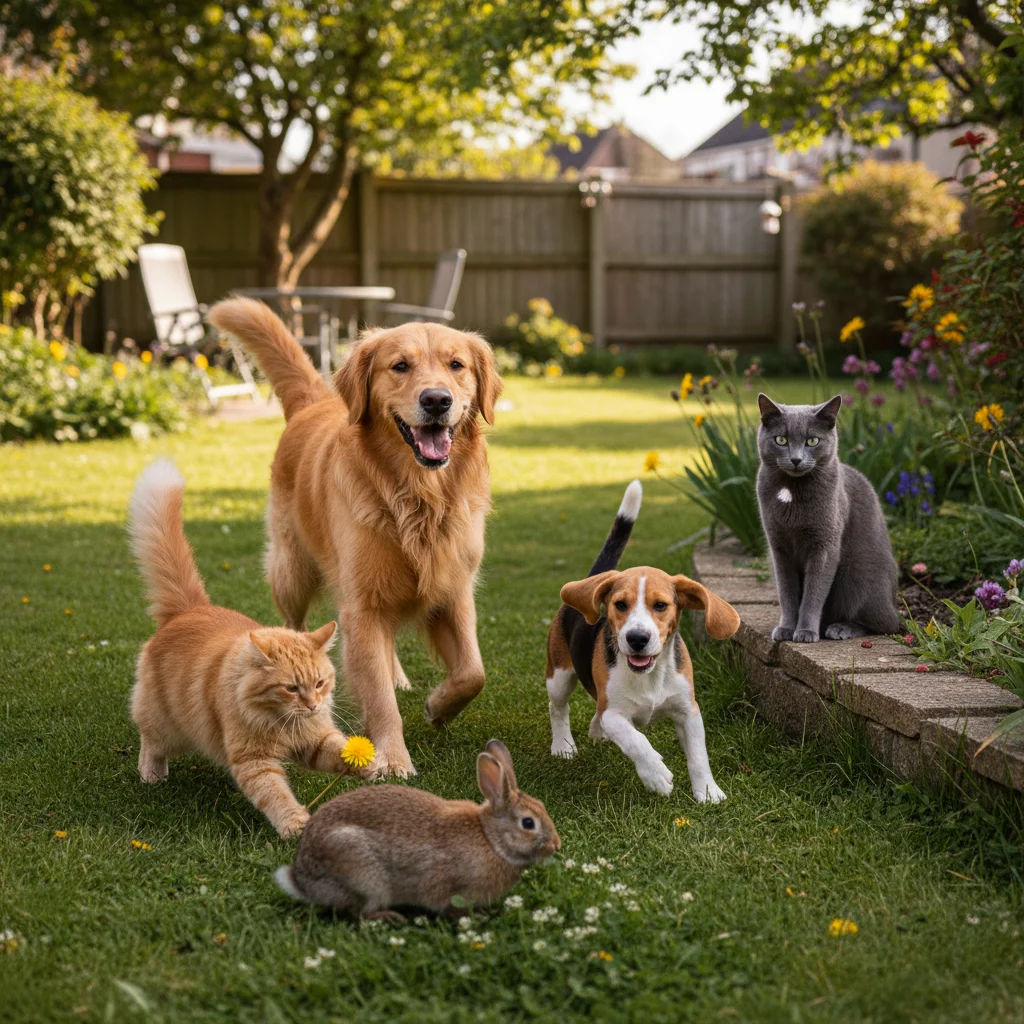
Large dog breeds consistently wait longer for adoption than their smaller counterparts. This FAQ guide explains why, busts common myths, and helps first-time adopters prepare confidently.
Pet care guides
Practical guides and everyday inspiration for a happier life with your pet.
351 Articles
Most recent
Large dog breeds consistently wait longer for adoption than their smaller counterparts. This FAQ guide explains why, busts common myths, and helps first-time adopters prepare confidently.
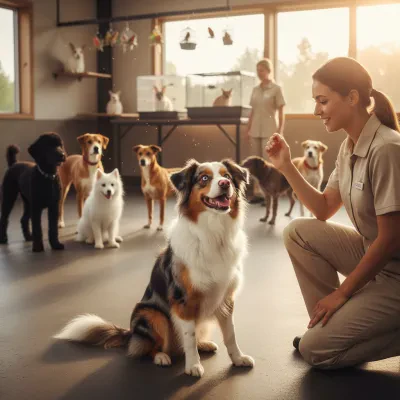
Not all dog daycares manage play groups equally. This guide covers staff-to-dog ratios, breed grouping strategies, and behavioural screening practices that separate safe facilities from risky ones.
Hotel rooms and holiday rentals confront dogs with a convergence of olfactory, acoustic, and territorial stressors that can trigger marking, vocalisation, and anxiety far beyond simple nerves. Understanding the root causes of these behaviours and applying evidence-based management strategies makes the difference between a stressful trip and a settled, enjoyable one.
Pet insurance rarely pays out what owners expect, because excess structures, co-pay clauses, and annual benefit limits all reduce the final reimbursement simultaneously. This guide explains each mechanism clearly so you can calculate your real out-of-pocket cost before a crisis arrives.
New puppy owners often struggle to tell the difference between normal settling-in behaviour and a genuine medical crisis. This guide walks through the red-flag symptoms, first-aid steps, and decision-making framework that emergency veterinary medicine uses to triage a sick puppy.
Breed heritage shapes everything from exercise requirements to escape risk, and a sitter who lacks that context may misread normal behaviour as a crisis, or miss a genuine one entirely. This guide covers the three most commonly misunderstood temperament groups and exactly what to document before you hand over the keys.
Arthritis changes everything about a dog's grooming routine, from the way they stand at the tub to how long they can tolerate a brush stroke near an inflamed hip. This guide covers professional-grade positioning strategies, adaptive equipment, and coat-type-specific techniques that keep senior dogs comfortable and clean without aggravating their joints.
Rapid eating in dogs carries real health risks, from regurgitation and bloating to life-threatening gastric dilatation-volvulus in deep-chested breeds. Food puzzles and scatter feeding are evidence-informed enrichment strategies that slow consumption, support digestion, and meet a dog's cognitive and olfactory needs using positive reinforcement principles.
Indoor pet cameras give owners a practical window into their animal's unsupervised world, turning hours of footage into actionable health and welfare information. This guide explains what normal at-home behaviour looks like, how to build a useful baseline, and exactly which clips to share with your veterinarian or pet sitter.
When spring arrives, cats with environmental allergies do not sneeze their way through pollen season the way humans do: their immune systems stage a cutaneous battle instead, producing skin flares, over-grooming, and characteristic lesions. This guide unpacks the science behind feline seasonal allergy, explains why the response differs so fundamentally from human hay fever, and outlines what owners and clinicians can do about it.
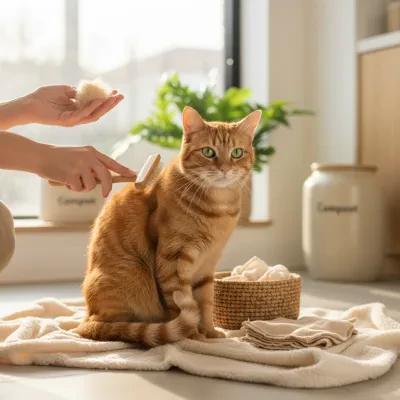
Grooming a cat at home with sustainable tools reduces single-use plastic waste without compromising coat health or skin monitoring quality. This guide covers reusable wipe techniques, compostable brush selection, breed-specific grooming frequency, and practical second uses for collected shed fur.
As water temperatures rise each spring, pond fish display a cascade of behaviours that range from entirely normal to genuinely urgent. Learning to distinguish thermoregulatory surface positioning from hypoxic distress, reproductive chasing from harmful aggression, and incidental flicking from a parasite crisis is the foundation of proactive spring pond management.