
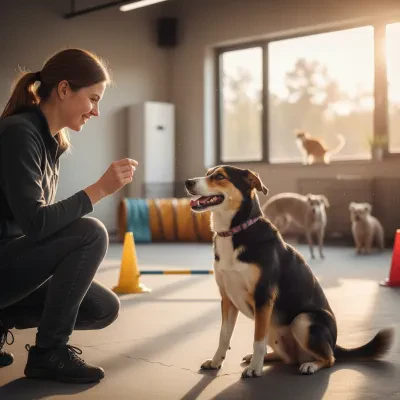
How to Assess a Shelter Dog's Temperament Before Adoption
Behaviour evaluations in shelters measure stress responses, not personality. This guide explains what tests reveal, their limitations, and how to support a new dog through decompression.

Explore by topic
Practical information about dog breeds & adoption to help you care for your pet and prepare questions for your veterinarian.
Behaviour evaluations in shelters measure stress responses, not personality. This guide explains what tests reveal, their limitations, and how to support a new dog through decompression.
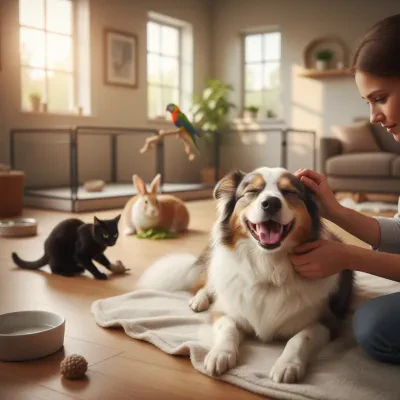
Adding a second dog during summer seems convenient, but the timing can backfire. This guide covers readiness assessment, introduction protocols, resource guarding prevention, and budget planning.
Learn how to identify a responsible dog breeder and avoid puppy mills in 2026. This guide covers health testing documents, online listing red flags, socialisation questions, contract clauses, and California's AB 519 broker ban.
The 3-3-3 rule maps the first three days, three weeks, and three months of a shelter dog's adjustment period. This guide covers decompression spaces, behavioural surprises, and the mistakes first-time adopters commonly make.
Retired greyhounds carry unique behavioural traits shaped by their racing background. This guide covers prey drive management, sleep nesting, transition timelines, and science based strategies for a smooth adoption.
Late spring shelter surges compromise screening quality and skew behaviour assessments. Learn how to ask the right questions and spot a dog's true temperament despite overcrowded conditions.
Breed-specific rescues operate very differently from general shelters, with tailored screening processes and longer wait times. This guide explains how these organisations work, what to expect during the application, and why patience often leads to a better match.
Bringing a newly adopted dog into a home with resident cats requires careful planning, scent swapping, and room-by-room desensitisation. This guide covers realistic timelines, positive reinforcement protocols, and when to seek professional help.
Bonded cat pairs often settle faster, show fewer stress behaviours, and require less human intervention than single cats. This guide explains the behavioural science behind bonded pairs and why two cats can be less work than one.
Large dog breeds consistently wait longer for adoption than their smaller counterparts. This FAQ guide explains why, busts common myths, and helps first-time adopters prepare confidently.
Breed heritage shapes everything from exercise requirements to escape risk, and a sitter who lacks that context may misread normal behaviour as a crisis, or miss a genuine one entirely. This guide covers the three most commonly misunderstood temperament groups and exactly what to document before you hand over the keys.
Before signing adoption papers, a structured coat and skin assessment can reveal a rescue dog's nutritional history, parasite load, and grooming needs. This professional groomer's guide explains what each sign means and how to plan for coat health from day one.