Sustainable Pet Care
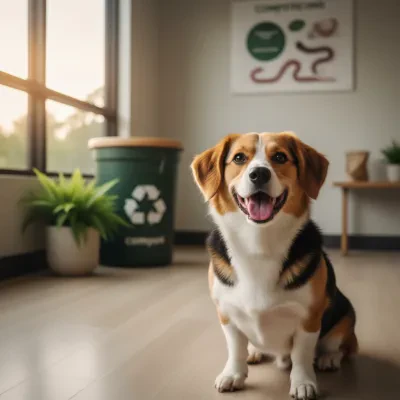
Dog Waste Disposal Ranked: Bags, Worms, and More
Four sustainable dog waste disposal methods compared side by side. Learn which option scores highest for environmental impact, ease of use, and cost.
Explore by topic
Practical information about sustainable pet care to help you care for your pet and prepare questions for your veterinarian.
Four sustainable dog waste disposal methods compared side by side. Learn which option scores highest for environmental impact, ease of use, and cost.

Black soldier fly larvae are emerging as a sustainable protein source for dogs. This guide covers how they are farmed, their amino acid profile versus chicken, and what veterinary research says about making the switch.
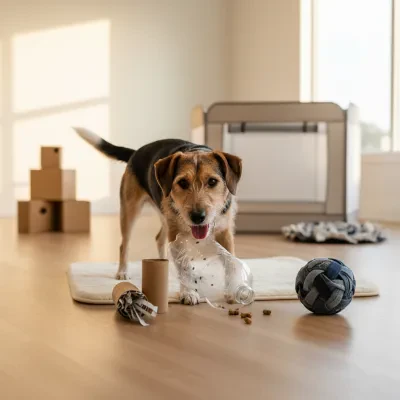
Learn how to build snuffle mats, cardboard puzzles, and bottle spinners for your dog using everyday recycled household items. This step by step guide covers safe materials, build instructions, and a weekly rotation schedule to keep your dog mentally stimulated on a budget.
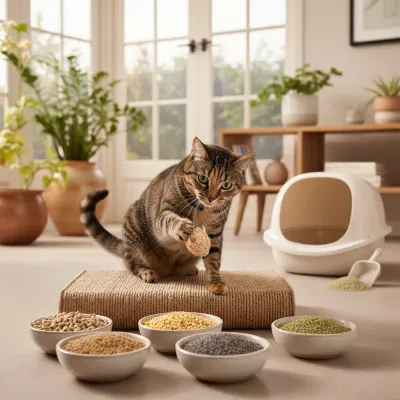
Wood pellet, tofu, corn, paper, and coconut cat litters each claim to be the greenest choice. This guide ranks all five on absorbency, odour control, dust, and compostability so cat owners can choose with confidence.

Grooming a cat at home with sustainable tools reduces single-use plastic waste without compromising coat health or skin monitoring quality. This guide covers reusable wipe techniques, compostable brush selection, breed-specific grooming frequency, and practical second uses for collected shed fur.

Pet ownership generates a surprisingly large volume of single-use plastic waste, from food pouches and packaging to disposable grooming items and conventional waste bags. This room-by-room guide outlines practical, vet-informed swaps that meaningfully reduce environmental impact without compromising your pet's health or comfort.

From rPET leads and certified compostable waste bags to low-impact harnesses, this guide walks owners through every element of a greener daily walk. Learn how to identify credible sustainability certifications, avoid greenwashing, and build a walk kit that protects both your dog and the planet.

Spring cleaning can expose dogs and cats to hazardous chemicals found in everyday household products, including pine-based disinfectants, quaternary ammonium compounds, and essential oil cleaners. This guide identifies the riskiest ingredients and provides practical, vet-informed alternatives for a thorough clean that does not compromise pet safety.

Plant-based flea and tick repellents are marketed as natural, gentle alternatives to conventional veterinary products, but the scientific evidence tells a more complicated story. This veterinary review examines the biology behind botanical repellents, evaluates the most common ingredients against published research, and explains the critical safety risks every pet owner needs to understand.

A veterinary guide to the biology, risks, and strict protocols required for safely composting dog and cat waste using worms. Learn how to manage pathogen control and pharmaceutical residues.
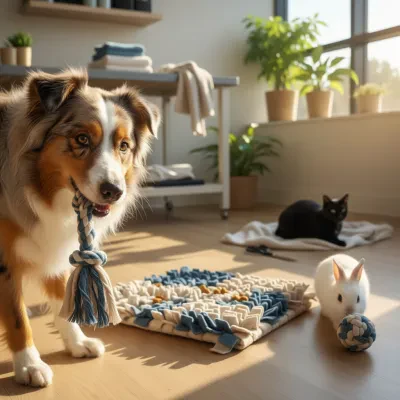
A veterinary practice manager analyzes the cost benefits and safety protocols of DIY pet toys. Learn how to turn household waste into high-value enrichment while avoiding expensive obstruction surgeries.

Transition your pet's hygiene routine to sustainable, skin-safe methods with this master groomer's guide. Learn how natural bristle tools and biodegradable ingredients support both environmental health and the canine lipid barrier.