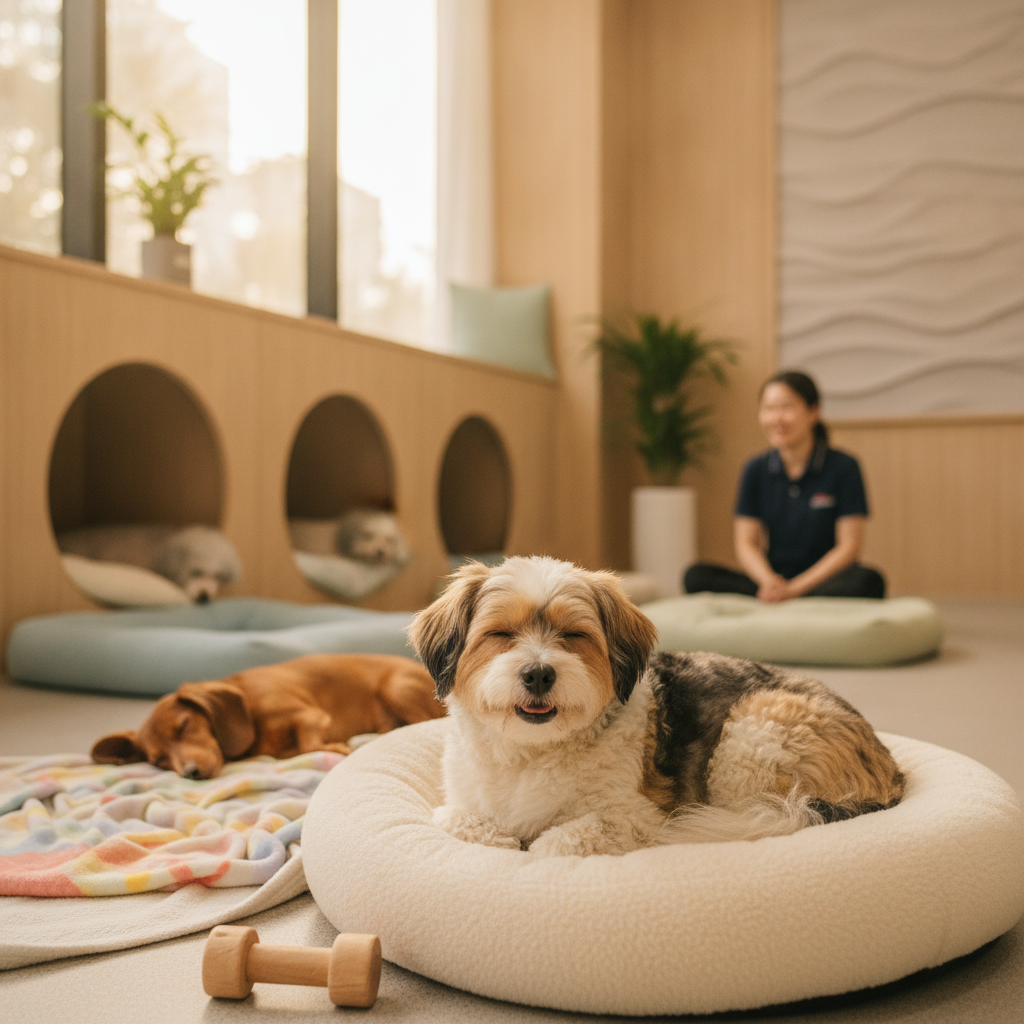
A practical guide to booking a Swedish hunddagis around Midsommar and the July holiday rush. Learn quality standards, heat and cooling questions, paperwork, lead times, and pricing.
Key Takeaways
- Book early: The weeks around Midsommar and the July industrisemester are Sweden's busiest holiday window. Reputable hunddagis and boarding kennels often fill 2 to 4 months ahead, so reserve as soon as your dates are set.
- Check the paperwork both ways: Expect to provide vaccination records and proof of liability insurance, and ask the facility for its own permit and insurance details in return.
- Plan for heat: Swedish summers can bring genuine warm spells. Ask specific questions about shade, indoor cooling, water access, and how staff adjust activity during hot afternoons.
- Pricing varies by region: Stockholm and other large cities typically cost more than smaller towns, but availability and drive time matter as much as the daily rate.
- Always have an emergency vet plan: Confirm the nearest open veterinary clinic, since many Swedish practices reduce hours over the Midsummer holiday.
What Swedish Daycare and Boarding Involves Over the Summer Exodus
In Sweden, hunddagis (dog daycare) traditionally refers to daytime care for dogs while owners work, while overnight holiday cover is usually provided by a hundpensionat (boarding kennel) or an in-home sitter. During the Midsommar weekend and the long July holiday, when much of the country takes leave at once, many families need overnight or multi-week care rather than ordinary weekday daycare. Clarifying which service you actually need is the first step, because the two operate under different practical expectations.
Professional pet-care standards, including those promoted by Pet Sitters International (PSI) and NAPPS, emphasise structured routines, clear staff-to-dog ratios, and documented emergency procedures. A quality Swedish facility should be able to explain its daily rhythm: arrival and settling, supervised group or individual play, rest periods, feeding, and toilet breaks. The most common issue on the first night of any new boarding stay is separation anxiety, so ask how staff help dogs settle and whether they send updates or photos during longer holiday stays.
Animal welfare oversight in Sweden
Commercial dog care in Sweden is regulated under national animal welfare law, with oversight historically tied to the Swedish Board of Agriculture (Jordbruksverket) and enforced locally by the county administrative boards (lansstyrelsen). Facilities caring for dogs on a commercial basis generally require a permit. You are entitled to ask whether a hunddagis or pensionat holds the relevant permit, and a trustworthy operator will share this without hesitation. Treat reluctance as a meaningful warning sign.
How to Find and Vet a Trustworthy Hunddagis
Start your search well before the holiday rush, because the best-reviewed facilities are also the first to fill. Personal recommendations from your veterinarian, local dog clubs, and trainer networks are often more reliable than online listings alone. Once you have a shortlist, visit in person whenever possible. A walkthrough tells you more than any website.
Questions worth asking on a visit
- Permit and insurance: Does the facility hold the required commercial permit, and does it carry business liability insurance covering dogs in its care?
- Staff ratios and training: How many dogs are supervised per staff member, and are staff trained in canine body language and pet first aid?
- Grouping policy: Are dogs grouped by size, temperament, and energy level? Anxious or small dogs should not be mixed with boisterous large dogs.
- Daily routine: What does a typical day look like, including rest periods? Constant high-arousal play without downtime can leave dogs exhausted and stressed.
- Health protocol: What happens if a dog becomes unwell, and which veterinary clinic do they use?
Fear Free principles, widely referenced in professional pet care, stress reducing fear, anxiety, and stress during handling. A facility that talks naturally about gentle handling, choice, and quiet spaces is signalling a welfare-first mindset.
Questions to Ask About Outdoor Shade and Cooling During Warm Spells
Swedish summers are mild compared with many regions, but warm spells do occur, and dogs are far more vulnerable to heat than people realise. Brachycephalic (flat-faced) breeds, overweight dogs, double-coated northern breeds, puppies, and seniors are at higher risk. Heat-related illness is a genuine emergency, so the facility's hot-weather plan deserves close attention.
Heat and cooling checklist
- Shade: Are outdoor areas shaded for the whole day, not just the morning? Natural tree cover, sails, or covered runs all help.
- Indoor cooling: How is the indoor space kept comfortable on warm days, through ventilation, fans, or cool flooring?
- Water: Is fresh water available in multiple locations, refreshed regularly so it does not sit warm in the sun?
- Activity timing: Do staff move vigorous play to cooler morning and evening hours and switch to calm, low-exertion activities during the hottest part of the afternoon?
- Cooling aids: Do they use cooling mats, paddling areas, or damp towels, and do they understand that these are aids, not substitutes for shade and rest?
- Recognising heatstroke: Can staff describe early warning signs such as excessive panting, drooling, lethargy, wobbliness, or vomiting, and the immediate steps they would take?
For a deeper look at safe cooling tools, our guide to canine cooling mats and vests explains what genuinely helps and what to avoid. Owners of anxious or small breeds may also find our piece on quiet indoor daycare for anxious small dogs useful when assessing whether a busy facility suits a sensitive dog.
Vaccination and Insurance Documentation Required
Most reputable Swedish facilities require proof of core vaccinations before accepting a dog, primarily to protect every dog in their care. While exact requirements vary by operator and should be confirmed directly, common expectations include core vaccinations kept up to date and, in many group settings, protection against kennel cough (Bordetella and parainfluenza). Ask the facility for its written vaccination policy in advance so there are no surprises at drop-off.
Documents to gather before booking
- Vaccination records: An up-to-date record, ideally in your dog's official record book or pet passport. Some facilities ask for vaccinations to be completed at least one to two weeks before arrival so immunity is established.
- Identification: In Sweden, dogs must be microchipped (or tattooed) and registered. Bring proof your contact details are current.
- Insurance details: Many Swedish owners carry dog insurance. Bring your policy number and the insurer's contact details, and confirm the facility carries its own liability cover.
- Parasite control: Note recent flea and tick treatment, which matters in the Swedish summer when tick exposure is high.
- Health and medication notes: A written summary of any conditions, medications, dosages, and feeding instructions.
Never rely on memory for medication. Provide written dosing instructions and clearly labelled supplies, and confirm staff are comfortable administering them. For medically complex or elderly dogs, ask whether the facility has experience with similar cases and how it monitors them.
What to Prepare Before You Leave Your Dog
Good preparation reduces stress for both dog and facility. Pack familiar items that smell of home, such as a bed or blanket and a favourite toy, since familiar scent is one of the simplest ways to ease settling. Bring your dog's usual food in clearly measured portions to avoid digestive upset, which is common when diet changes suddenly during an already stressful stay.
An information pack worth assembling
- Your contact numbers and at least one local emergency contact who can act on your behalf if you are unreachable.
- Your veterinarian's details plus the nearest clinic offering emergency hours during the holiday period.
- Feeding schedule, portion sizes, and any food sensitivities.
- Medication instructions and supplies in original packaging.
- Behaviour notes: fears, triggers, recall reliability, and how your dog signals stress.
- Written consent for veterinary treatment and a stated cost limit or instruction if you cannot be reached.
If you are weighing boarding against a sitter who stays in your home, our comparison of drop-in versus live-in pet sitting outlines the trade-offs that apply across Europe, including the Swedish summer.
Emergency Contact Protocol
Every responsible care arrangement needs a clear emergency chain, and this matters even more around Midsommar, when many Swedish veterinary practices run reduced hours or close for the holiday weekend. Confirm in writing which clinic the facility uses, its holiday opening times, and the location of the nearest 24-hour emergency veterinary hospital.
Agree in advance who makes decisions if your dog needs urgent care and you cannot be reached. Provide a financial authorisation limit and a trusted local proxy. Professional standards from PSI and NAPPS consistently stress that documented emergency procedures, not informal verbal agreements, are the mark of a serious operator. If a facility cannot describe its emergency protocol clearly, that is a red flag.
Red Flags and Green Flags
Green flags
- Transparent about permits, insurance, and staff training.
- Willing to give you a tour of all areas, including rest and overnight spaces.
- Asks you detailed questions about your dog, which shows they screen for compatibility.
- Clear written policies on vaccinations, heat management, and emergencies.
- Calm, clean environment with dogs grouped sensibly and visible rest periods.
Red flags
- Reluctance to show the full premises or share permit and insurance details.
- No vaccination requirements, which suggests weak health controls.
- Overcrowding, no separation by size or temperament, and no quiet space.
- Vague or dismissive answers about heat, water, and emergency vet access.
- Pressure to book and pay in full with no written contract.
Special Considerations for Anxious or Elderly Dogs
Anxious dogs often struggle most during the first 24 to 48 hours of a new stay, and a busy holiday-period facility can amplify that stress. Look for operators offering a trial day before the holiday, quieter group options, and staff fluent in reading canine stress signals. A short settling-in visit lets your dog build positive associations before the longer stay.
Elderly and medically complex dogs need extra scrutiny. Confirm the facility can manage mobility limits, joint stiffness on hard floors, more frequent toilet breaks, and consistent medication timing. Seniors also regulate temperature less efficiently, so the heat questions above are doubly important for them. Never understate the risks: if your dog has significant health needs, a dedicated in-home sitter may be a safer choice than group boarding, and your veterinarian's input should guide the decision.
Booking Lead Times Around Midsommar and July
The Swedish holiday calendar concentrates demand sharply. Midsommar (the Midsummer weekend in late June) kicks off a period when much of the country is on leave, and the traditional July industrisemester keeps demand high for weeks. Practically, this means:
- Reserve early: For Midsommar and July, aim to book 2 to 4 months ahead, and earlier in popular regions. Sought-after facilities can fill even sooner.
- Confirm cancellation terms: Holiday bookings often carry deposits and stricter cancellation windows. Read these before paying.
- Build in a trial: Schedule any settling-in visit well before the holiday, while staff still have capacity.
- Have a backup: Keep a second option in mind in case your first choice cannot accommodate your full dates.
How Pricing Compares Between Stockholm and Smaller Towns
Pricing in Sweden varies with location, service type, and the dog's needs. As a general pattern, Stockholm and other large cities tend to charge more than smaller towns and rural areas, reflecting higher overheads and stronger demand. Daycare is usually priced per day or via monthly packages, while holiday boarding is charged per night, often with surcharges during peak periods such as Midsommar and July.
Rather than chasing the lowest daily rate, weigh the total picture. A cheaper facility an hour away may cost more in fuel and time than a closer option, and a slightly higher rate can buy better ratios, stronger heat management, and clearer emergency protocols. Ask exactly what each rate includes: extra charges may apply for medication administration, individual rather than group care, late pickup, or peak-season dates. Request a written quote covering your full stay so you can compare like for like.
Final Thoughts
Choosing summer care in Sweden comes down to planning ahead, asking direct questions, and insisting on transparency around permits, insurance, heat, and emergencies. The Midsommar and July exodus rewards owners who book early and prepare thoroughly. With the right facility, clear documentation, and a solid emergency vet plan, your dog can stay safe, cool, and calm while you travel. This guide is educational and does not replace advice from a licensed veterinarian or certified pet-care professional, whose input is especially valuable for anxious, elderly, or medically complex dogs.
Frequently Asked Questions
How far in advance should I book a hunddagis or boarding kennel for Midsommar? ↓
What vaccinations and documents do Swedish dog daycares usually require? ↓
How can I tell if a facility manages hot weather safely? ↓
Is daycare in Stockholm more expensive than in smaller towns? ↓
Is group boarding suitable for an anxious or elderly dog? ↓

Laura Chen
Pet Sitter & Travel Specialist
Pet sitter and travel specialist — practical logistics, sitter vetting, and anxiety management for travelling pet owners.
Content Disclosure
This article was created using state-of-the-art AI models with human editorial oversight. It is intended for informational and entertainment purposes only and does not constitute veterinary medical advice. Always consult a licensed veterinarian for your pet's specific health needs. Learn more about our process.