
Dr. James Harrington
A veterinarian with 15 years of clinical and educational practice, Dr. Harrington specialises in translating complex medical topics into language pet owners can actually use. His writing combines clinical depth with scientific accuracy, drawing on AVMA, WSAVA, and evidence-based veterinary guidelines to help owners understand what is happening inside their pet — and what to do about it.
- Credentials
- DVM, MRCVS, 15 years clinical and educational practice
- Focus
- Scientific
Authored Guides
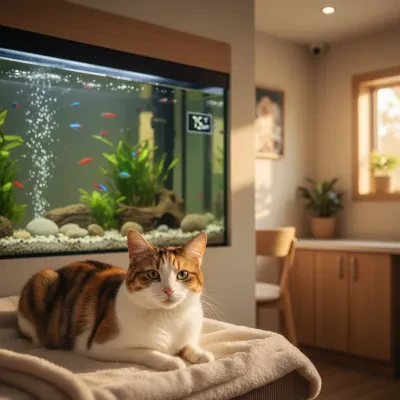
How Rising Spring Temperatures Affect Freshwater Aquarium Chemistry: Dissolved Oxygen, pH Fluctuation, and Disease Risk
As ambient temperatures climb each spring, the water chemistry inside a freshwater aquarium undergoes a series of interconnected shifts that can reduce dissolved oxygen, destabilise pH, and trigger a cascade of opportunistic disease. Understanding the science behind these changes is the most effective tool aquarium owners have for protecting their fish during the season's most chemically volatile weeks.
Do Plant-Based Flea and Tick Repellents Actually Protect Pets? A Scientific Review
Plant-based flea and tick repellents are marketed as natural, gentle alternatives to conventional veterinary products, but the scientific evidence tells a more complicated story. This veterinary review examines the biology behind botanical repellents, evaluates the most common ingredients against published research, and explains the critical safety risks every pet owner needs to understand.

Vermicomposting Pet Waste: The Science of Safe Disposal
A veterinary guide to the biology, risks, and strict protocols required for safely composting dog and cat waste using worms. Learn how to manage pathogen control and pharmaceutical residues.
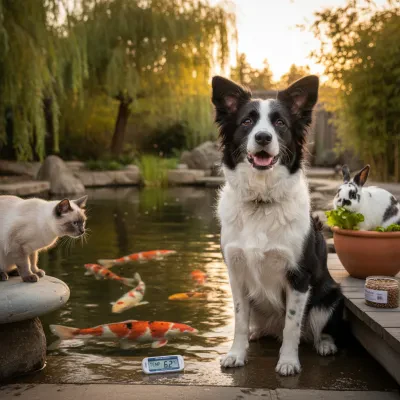
Opening the Koi Pond: Water Temperature and Feeding Schedules
A veterinary guide to safely transitioning koi from winter dormancy to spring activity. Learn the critical relationship between water temperature, metabolic rates, and safe feeding protocols.
The Carbon Pawprint: A Veterinary Analysis of Wet vs. Dry Pet Food
A comprehensive breakdown of the environmental impact of pet food formulations. Dr. James Harrington analyses life cycle assessments, protein sourcing, and packaging to help owners make sustainable choices without compromising nutrition.
Managing Nitrate Spikes in Aquariums During Spring Warm Ups: A Veterinary Guide
Rising spring temperatures can accelerate fish metabolism and waste production, often outpacing biological filtration. Learn the veterinary protocols for detecting, managing, and preventing dangerous nitrate accumulation.

Hydrotherapy for Post-Operative Dogs: The Mechanics of Recovery
A veterinary deep-dive into how aquatic therapy accelerates post-surgical healing. We explore the physics of buoyancy, hydrostatic pressure, and thermal effects in canine rehabilitation.

The Science of the Itch: A Veterinary Guide to Seasonal Allergies and Atopy
Dr. James Harrington explains the biological mechanisms behind canine atopic dermatitis and seasonal pollen allergies. Learn why your dog itches, how to distinguish atopy from other conditions, and the latest evidence-based treatments for long-term relief.

Leishmaniasis Vector Control: A Veterinary Guide to Spring Sandfly Protection
As spring temperatures rise, so does the risk of sandfly-borne Leishmaniasis. Dr. James Harrington explains the vector biology, clinical progression, and evidence-based prevention protocols for at-risk dogs.