
In this article
- Key Takeaways
- Why Dental Disease Accelerates in Cats After Age Ten
- How to Spot Tooth Resorption at Home
- Recognising Stomatitis in Senior Cats
- Anaesthesia Safety for Older Cats: What Owners Should Know
- Diet Adjustments for Cats With Sore Gums
- Reading Pet Food Labels for Senior Cats With Dental Issues
- Portion Sizing and Feeding Schedule for Senior Cats
- A Yearly Dental Health Timeline for Senior Cats
- When to Seek Emergency Dental Care
- Bringing It All Together
Key Takeaways
- Up to 70 percent of cats over three years old show some form of dental disease, and the risk intensifies significantly after age ten.
- Tooth resorption and stomatitis are two of the most painful oral conditions in senior cats, yet many owners miss the signs until advanced stages.
- Modern veterinary anaesthesia protocols have made dental procedures considerably safer for older cats, though pre-anaesthetic screening is essential.
- Diet texture, nutrient density, and hydration adjustments can dramatically improve comfort and nutrition for cats with sore mouths.
- A yearly dental health timeline helps owners stay ahead of progressive oral disease rather than reacting to emergencies.
Why Dental Disease Accelerates in Cats After Age Ten
Feline dental disease is not simply a cosmetic issue. The progressive accumulation of plaque, tartar, and bacterial biofilms on teeth creates chronic inflammation that damages the gingival tissue, periodontal ligaments, and eventually the bone that anchors each tooth. In younger cats, the immune system and natural saliva flow help moderate this cycle. After roughly ten years, however, several age-related changes converge to accelerate oral disease.
First, immune function naturally declines in geriatric cats. The inflammatory response becomes less precise and, paradoxically, can become more destructive to the cat's own tissues. Second, saliva production may decrease, reducing one of the mouth's primary defence mechanisms against bacterial colonisation. Third, many senior cats develop concurrent conditions such as chronic kidney disease or diabetes mellitus, both of which compromise tissue healing and shift the oral bacterial population toward more pathogenic species.
The result is a compounding cycle: as teeth and gums deteriorate, eating becomes painful, nutritional intake drops, body condition declines, and immune resilience weakens further. Veterinary dental associations, including the American Veterinary Dental College (AVDC), emphasise that proactive dental monitoring should intensify once a cat reaches senior status.
How to Spot Tooth Resorption at Home
Tooth resorption (formerly called feline odontoclastic resorptive lesions, or FORLs) is one of the most common dental pathologies in cats over ten. Studies suggest that around 30 to 70 percent of cats presenting for dental treatment have at least one resorptive lesion, depending on the population studied and the diagnostic methods used. These lesions involve the progressive destruction of tooth structure by the cat's own cells (odontoclasts), starting at or below the gumline and eventually hollowing out the tooth from within.
Signs Owners Can Watch For
- Jaw chattering or flinching when yawning, eating, or being touched around the face.
- Dropping food or tilting the head while chewing, especially with kibble or firmer textures.
- Pink or red tissue growing over a tooth crown, which can indicate the gum attempting to cover an eroding tooth.
- Increased drooling, sometimes tinged with blood.
- Reluctance to groom, leading to a dull or matted coat.
- Preference shifts from dry food to wet food, or from treats to softer options.
It is important to note that many resorptive lesions sit below the gumline and are invisible without dental radiographs. Home monitoring catches only the surface indicators. Veterinary guidelines from the AVDC recommend full-mouth dental radiographs for any senior cat undergoing a dental evaluation, as visual inspection alone can miss a significant number of lesions.
Recognising Stomatitis in Senior Cats
Feline chronic gingivostomatitis (FCGS), often shortened to stomatitis, involves severe, diffuse inflammation of the oral mucosa extending beyond the gingiva into the caudal (back) portion of the mouth. This condition is thought to represent an exaggerated immune response to oral bacteria, and possibly to the tooth structure itself. While stomatitis can occur at any age, senior cats with declining immune regulation are particularly susceptible.
Key Home Indicators
- Extremely red, swollen tissue at the back of the mouth, visible when the cat yawns or vocalises.
- Severe halitosis that goes beyond typical "cat breath" to a distinctly foul, metallic odour.
- Weight loss despite apparent interest in food. Cats may approach the food bowl eagerly, take one bite, and then walk away crying.
- Pawing at the mouth or rubbing the face against objects.
- Behavioural changes including withdrawal, aggression when the head is touched, or loss of interest in play.
Stomatitis frequently requires aggressive treatment, sometimes including near-total or full-mouth tooth extractions, along with medical management. Owners who notice these signs should seek veterinary evaluation promptly rather than attempting home remedies, as delayed treatment allows pain and tissue destruction to progress.
Anaesthesia Safety for Older Cats: What Owners Should Know
One of the most common reasons owners delay dental care for senior cats is fear of anaesthesia. This concern is understandable but, according to veterinary anaesthesia guidelines, modern protocols have substantially reduced anaesthetic risk even in geriatric patients.
Pre-anaesthetic Screening
The British Small Animal Veterinary Association (BSAVA) and the American Animal Hospital Association (AAHA) both recommend comprehensive pre-anaesthetic assessments for senior cats, typically including:
- Complete blood count and serum biochemistry (to evaluate kidney function, liver function, blood glucose, and red blood cell status).
- Urinalysis to assess kidney concentrating ability.
- Blood pressure measurement.
- Thyroid hormone evaluation (hyperthyroidism is common in older cats and affects cardiovascular stability).
- Cardiac auscultation, with echocardiography if a murmur or arrhythmia is detected.
How Modern Protocols Reduce Risk
Veterinary anaesthetists now tailor drug protocols to the individual patient. For senior cats, this typically means using lower doses of induction agents, selecting drugs with fewer cardiovascular side effects, maintaining intravenous fluid support throughout the procedure, and using multimodal pain management (local nerve blocks, non-steroidal anti-inflammatories when kidney function allows, and opioid analgesia) to reduce overall anaesthetic depth requirements.
Continuous monitoring of blood pressure, heart rate, respiratory rate, blood oxygen saturation, and body temperature throughout the procedure is standard practice. Recovery areas for senior cats should be warm and quiet, as hypothermia and stress are common post-anaesthetic complications in older patients.
Professional consensus suggests that the risks of untreated dental disease, including chronic pain, systemic infection, and nutritional decline, often outweigh the carefully managed risks of anaesthesia in most senior cats. However, this is always a case-by-case evaluation, and the veterinary team should discuss individual risk factors openly with the owner.
Diet Adjustments for Cats With Sore Gums
Nutrition is where dental disease and daily care intersect most directly. A cat with painful teeth or inflamed gums may dramatically reduce food intake, leading to muscle wasting, fatty liver disease (hepatic lipidosis, a life-threatening condition in cats that stop eating), and micronutrient deficiencies. Thoughtful diet adjustments can help maintain caloric intake and body condition while oral disease is being managed.
Texture Modifications
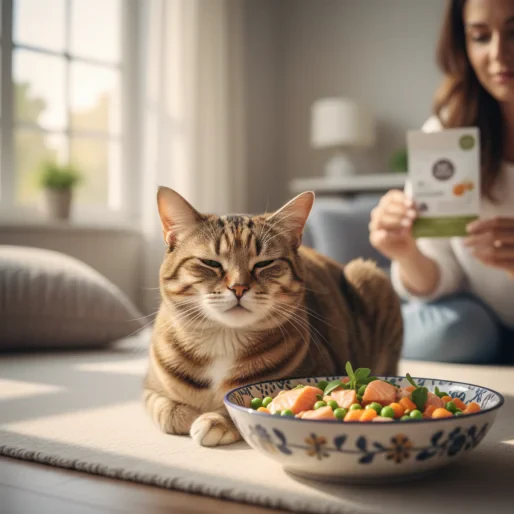
Switching from dry kibble to pate-style wet food is often the first and simplest intervention. Pate textures require minimal chewing and can be lapped rather than bitten. For cats that resist change, gradually mixing increasing proportions of wet food into their existing kibble over seven to ten days can ease the transition. In severe cases, adding warm water to pate and mashing it into a slurry consistency allows cats to consume food almost without any oral manipulation.
Nutrient Density and Caloric Concentration
Because sore-mouthed cats tend to eat smaller volumes, choosing foods with higher caloric density per gram becomes important. When reviewing labels, look for products that list a named animal protein (such as chicken, turkey, or salmon) as the first ingredient, with a guaranteed analysis showing crude protein levels appropriate for adult maintenance or senior cats (typically around 30 percent or higher on a dry-matter basis for cats). Fat content provides concentrated calories; levels around 15 to 20 percent on a dry-matter basis are typical for adult cat foods, though individual needs vary.
The AAFCO nutritional adequacy statement on the label confirms whether a food meets minimum requirements for a given life stage. For senior cats, foods labelled for "adult maintenance" or "all life stages" are generally appropriate, but cats with concurrent kidney disease or other conditions may need veterinary-supervised therapeutic diets. Always consult a veterinarian before making dietary changes for cats with diagnosed medical conditions.
Hydration Support
Cats with painful mouths often drink less. Since feline chronic kidney disease frequently accompanies advanced age, maintaining hydration is doubly important. Wet food inherently provides more moisture than kibble (typically around 75 to 85 percent moisture versus roughly 10 percent in dry food). Offering multiple water sources, including moving-water fountains, can encourage drinking. For more on hydration technology, see AI Water Fountains for Cats: Health Monitoring Guide 2026.
Supplements and Additives to Discuss With a Vet
Omega-3 fatty acids (EPA and DHA, typically derived from fish oil) have demonstrated anti-inflammatory properties in veterinary research and may support gingival health when used as part of a broader treatment plan. Probiotics formulated for cats are another area of growing interest, though evidence for oral health benefits specifically remains preliminary. Any supplementation should be discussed with a veterinarian to avoid interactions with existing medications or inappropriate dosing.
Foods to Avoid
| Food or Substance | Risk to Cats |
|---|---|
| Onions, garlic, chives, leeks | Cause oxidative damage to red blood cells (Heinz body anaemia) |
| Raw bones (small, brittle) | Tooth fracture risk is higher in cats with resorptive lesions or weakened teeth |
| Chocolate and caffeine | Theobromine and caffeine toxicity (cardiac and neurological effects) |
| Grapes and raisins | Associated with acute kidney injury in some animals |
| Xylitol (birch sugar) | Can cause hypoglycaemia; toxicity well documented in dogs, caution advised in cats |
| Cooked bones of any type | Splintering risk causing oral lacerations or gastrointestinal perforation |
Reading Pet Food Labels for Senior Cats With Dental Issues
Owners are often surprised that ingredient lists tell them less than the AAFCO or FEDIAF nutritional adequacy statement. A label that prominently features "real chicken" may still derive a substantial portion of its protein from plant sources. The guaranteed analysis panel provides minimum crude protein and fat percentages, but comparing these meaningfully between wet and dry foods requires converting to a dry-matter basis.
Quick Dry-Matter Conversion
To convert a guaranteed analysis figure to dry-matter basis: divide the nutrient percentage by the total dry matter percentage (100 minus the moisture percentage). For example, a wet food with 10 percent crude protein and 78 percent moisture has a dry-matter protein content of roughly 45 percent (10 divided by 22, multiplied by 100). This allows a fair comparison to a dry food with 32 percent crude protein and 10 percent moisture, which has a dry-matter protein of approximately 36 percent.
For senior cats with dental pain, the priority is choosing a texture they can comfortably eat while ensuring the food meets AAFCO or FEDIAF adult maintenance standards. WSAVA offers a nutrition toolkit that includes questions owners can ask pet food manufacturers about quality control and digestibility testing, which can help identify higher-quality options without relying on brand marketing.
Portion Sizing and Feeding Schedule for Senior Cats
Senior cats generally have lower resting energy requirements than younger adults, typically around 50 to 60 kilocalories per kilogram of body weight per day for inactive indoor seniors, though individual variation is significant. Cats with dental pain, however, may need more calorie-dense food served in smaller, more frequent meals.
- Frequency: Three to four small meals daily rather than two larger ones can reduce the discomfort of extended chewing sessions.
- Warming: Gently warming wet food to just below body temperature (around 35 to 37 degrees Celsius) can enhance aroma and make it more palatable for cats with reduced appetite.
- Monitoring: Weekly weigh-ins using a kitchen or baby scale (for cats under 6 kilograms) help detect weight loss trends before they become critical. A loss of more than 5 percent of body weight over a month warrants veterinary attention.
Cats with cognitive changes may also benefit from dietary strategies discussed in Cognitive Dysfunction in Senior Dogs: A Diet Guide, as many of the nutritional principles around antioxidants and omega-3 fatty acids apply across species, though dosing and specific formulations differ.
A Yearly Dental Health Timeline for Senior Cats
Proactive scheduling helps owners stay ahead of dental disease rather than responding only to crises. The following timeline is a general framework; individual cats may need more frequent attention based on their specific conditions.
Months One and Two: Baseline Assessment
Schedule a comprehensive veterinary dental examination, including full-mouth radiographs if not performed in the past twelve months. Establish a body condition score and weight baseline. Discuss anaesthetic risk if procedures are anticipated.
Months Three and Four: Home Monitoring Routine
Begin or reinforce a weekly home oral check: gently lift the lip to observe gum colour, look for redness or swelling, note any new odour, and watch for behavioural changes during meals. Record findings in a simple log or phone note to share with the veterinary team.
Months Five and Six: Mid-Year Diet Review
Reassess food texture and caloric intake. If the cat has lost weight or is avoiding food, consult the veterinarian about dietary adjustments, pain management, or scheduling a dental procedure. This is also a good time to check hydration status and kidney values if the cat is on monitoring for chronic kidney disease.
Months Seven and Eight: Dental Product Evaluation
Review any dental treats, water additives, or oral care products in use. The Veterinary Oral Health Council (VOHC) maintains a list of products that have met defined standards for plaque or tartar reduction. Products without VOHC acceptance may have limited evidence of efficacy.
Months Nine and Ten: Pre-Winter Health Check
Many senior cats lose weight during colder months due to reduced activity and appetite changes. A brief veterinary visit to assess oral health, weight, and overall condition can catch emerging issues. If dental disease has progressed, scheduling a procedure before the end of the year may be advisable.
Months Eleven and Twelve: Annual Review and Planning
Complete the cycle with a comprehensive annual examination. Compare current dental radiographs to previous images to track progression. Update the dietary plan, adjust feeding frequency if needed, and set goals for the coming year.
When to Seek Emergency Dental Care
Certain situations require urgent veterinary attention rather than waiting for a scheduled visit:
- Sudden refusal to eat lasting more than 24 hours (hepatic lipidosis risk in cats increases rapidly with fasting).
- Visible facial swelling, which may indicate a tooth root abscess.
- Bleeding from the mouth that does not stop within a few minutes.
- Drooling combined with lethargy or fever.
- A broken or visibly fractured tooth with exposed pulp.
These signs can indicate acute infection or severe pain requiring immediate intervention, including antibiotics, pain relief, and possibly emergency tooth extraction.
Bringing It All Together
Dental disease in senior cats is not an inevitable decline to accept passively. With regular veterinary dental assessments, attentive home monitoring, safe anaesthetic protocols tailored to the older patient, and thoughtful dietary management, many cats over ten can maintain comfortable mouths and adequate nutrition well into their later years. The key is consistency: small, regular actions like weekly oral checks, maintaining a food texture the cat can manage, and following a structured yearly timeline make a far greater difference than occasional reactive interventions.
Professional consensus from organisations including the AVDC, AAHA, and BSAVA consistently supports proactive dental care as a cornerstone of senior cat wellness. Owners who integrate oral health into their broader senior care routine, alongside kidney monitoring, weight management, and cognitive support, give their cats the best chance at a comfortable and nourished old age.
Frequently Asked Questions
Content Disclosure
This article was created using state-of-the-art AI models with human editorial oversight. It is intended for informational and entertainment purposes only and does not constitute veterinary medical advice. Always consult a licensed veterinarian for your pet's specific health needs. Learn more about our process.