In this article
The Mechanics of the Seasonal Coat Blow
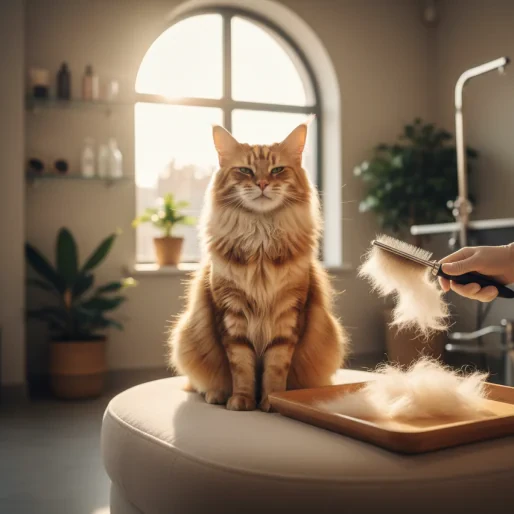
The transition from winter to spring triggers a biological response in felines known as the vernal moult. Triggered by photoperiod changes (increased daylight) rather than temperature alone, the cat's body signals the release of the dense, insulating undercoat that developed during the colder months. For professional groomers, this season represents the highest volume of work due to the rapid accumulation of dead hair which can quickly turn into solid matting if not addressed.
While veterinary professionals focus on the digestive impact of ingested hair, such as trichobezoars, the groomer's role is mechanical removal. Effective deshedding reduces the volume of loose fur a cat ingests during self grooming. For a medical perspective on the internal effects of this cycle, readers can consult the guide on managing the seasonal coat blow.
Key Takeaways for Spring Grooming
- Photoperiod Driven: Daylight changes trigger the shed, meaning indoor cats with artificial light may shed year round, but spring intensifies the volume.
- Tool Selection: Using the wrong brush can cause brush burn or fail to reach the skin.
- Technique Matters: Top brushing misses the undercoat. Line brushing is essential.
- Skin Safety: Feline skin is significantly thinner and more elastic than canine skin, making it prone to tearing if mats are pulled.
The Professional Toolkit
Success in managing a blowing coat depends heavily on using the correct tools for the specific coat texture. A Persian requires different equipment than a British Shorthair.
1. The Slicker Brush
This is the workhorse of the grooming salon. For dense undercoats, a slicker brush with long, angled pins is necessary to penetrate through the topcoat down to the skin. Professional consensus warns against using slickers with plastic tips on the pins for thick double coats, as the tips often snag and prevent the pins from separating the hair shafts effectively.
2. The Metal Greyhound Comb
Groomers refer to the metal comb as 'The Lie Detector.' After brushing with a slicker, the metal comb is passed through the coat. If it catches, the tangle remains. It is the final verification tool to ensure the undercoat is fully impacted. For spring shedding, a comb with dual spacing (fine and coarse tines) provides the most versatility.
3. The Rubber Curry
For short haired breeds like Bengals or Abyssinians, metal pins may be too harsh. A rubber curry brush relies on friction to grab loose oils and dead hair without scratching the skin. It also provides a massage effect which stimulates blood flow to the follicles.
Technique: The Art of Line Brushing
The most common error owners make is 'top brushing' where the brush floats over the surface of the coat. This leaves the undercoat impacted against the skin, eventually forming a felt like pelt. Professional groomers utilize a technique called Line Brushing.
To perform this, the groomer parts the hair until the skin is visible in a straight line. Holding the upper section of hair back with one hand, the brush is pulled through the hair below the part, moving away from the skin. The line is then moved up specifically, inch by inch. This ensures every square centimetre of the cat is detangled from the skin out.
Handling Senior Cats
Older cats often lose mobility and flexibility due to arthritis, preventing them from grooming their lower spine and hips. This lack of self maintenance creates severe matting specifically in the rear quarters. When grooming senior cats, comfort is paramount. Short sessions are recommended to avoid stressing arthritic joints. If a senior cat suddenly stops grooming entirely, it may be a sign of deeper issues. For more on behavioral changes in aging felines, refer to the guide on recognising cognitive dysfunction syndrome.
Safety Zones and Warning Signs
Feline skin is deceptively fragile. The areas behind the ears, in the axillae (armpits), and the sanitary areas are high risk zones for tearing. Grooming standards dictate that scissors should never be used to cut mats out of a cat's fur by a non professional. The skin can be pulled up into the center of the mat, leading to severe lacerations.
Furthermore, owners must monitor the cat's stress levels. Open mouth breathing (panting) in a cat during grooming is a veterinary emergency signal indicating extreme stress or cardiac compromise. If this occurs, stop grooming and contact a veterinarian immediately. Difficulty breathing or persistent open-mouth breathing requires urgent veterinary assessment.
Hygiene and Environment
The spring shed also increases the dander load in the home. While grooming removes the bulk of the hair, maintaining a clean environment reduces allergens. Using appropriate substrates in the litter box can also help minimize dust that sticks to the coat. Review the professional guide to sustainable substrates for options that keep coats cleaner.
When to Seek a Professional
While maintenance grooming is an owner's responsibility, certain situations require a certified master groomer or veterinary intervention:
- Pelted Coats: If the hair is matted solid like a sheepskin rug, it must be shaved by a professional using a hygienic clipper.
- Aggression: Cats that bite or scratch pose a risk of infection to the owner.
- Skin Lesions: If sores, crusts, or bald patches are found under the mats.
By utilizing professional tools like the metal comb and adopting the line brushing technique, owners can successfully navigate the spring shed, keeping their cat's coat healthy and their home relatively hair free.
Frequently Asked Questions
Content Disclosure
This article was created using state-of-the-art AI models with human editorial oversight. It is intended for informational and entertainment purposes only and does not constitute veterinary medical advice. Always consult a licensed veterinarian for your pet's specific health needs. Learn more about our process.