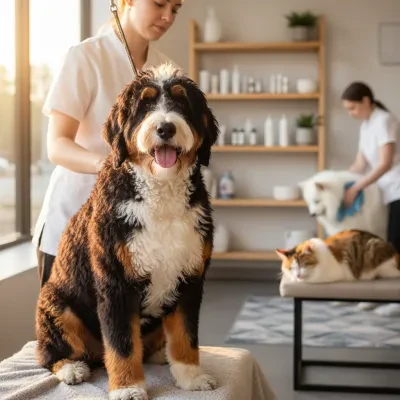
Why You Should Never Shave a Double-Coated Dog
Shaving a double-coated dog can cause permanent coat damage, increase sunburn risk, and actually make your dog hotter. Learn the science behind thermoregulation and safer cooling alternatives.
Veterinarian & Pet Health Writer
A veterinarian with 15 years of clinical and educational practice, Dr. Harrington specialises in translating complex medical topics into language pet owners can actually use. His writing combines clinical depth with scientific accuracy, drawing on AVMA, WSAVA, and evidence-based veterinary guidelines to help owners understand what is happening inside their pet — and what to do about it.
Shaving a double-coated dog can cause permanent coat damage, increase sunburn risk, and actually make your dog hotter. Learn the science behind thermoregulation and safer cooling alternatives.
Smart habitat monitors now offer automated UVB tracking, real-time temperature and humidity alerts, and data logging for reptile and amphibian enclosures. But does this technology actually help prevent common health problems like metabolic bone disease?
A veterinary science breakdown of AI pet health screening tools in 2026, from photo diagnosis apps to wearable monitors and telehealth platforms. Each category is evaluated for accuracy, veterinary endorsement, and real world reliability.
Senior dogs and cats in the UAE face extreme heat risks due to summer temperatures regularly exceeding 45°C combined with high coastal humidity. Understanding how ageing reduces thermoregulation helps UAE pet owners prevent life-threatening heatstroke.
Aging pets lose the ability to regulate body temperature efficiently, putting them at serious risk during warm weather. Learn the science behind age-related thermoregulation decline, how to spot heat distress early, and which cooling protocols keep pets over ten safe.
Black soldier fly larvae are emerging as a sustainable protein source for dogs. This guide covers how they are farmed, their amino acid profile versus chicken, and what veterinary research says about making the switch.
AI pet health apps use image recognition and natural language processing to assess symptoms from photos and text. This guide explains the science, their limits, and when only a real vet will do.
Pollen triggers skin reactions in dogs through a fundamentally different pathway than in humans. This guide explains the immunology behind canine atopic dermatitis, how to spot the signs, and which immunotherapy options veterinary science supports.
Proprioception exercises help dogs develop better balance, coordination, and injury resilience. This guide covers the science behind wobble boards, cavaletti poles, and body awareness drills for dogs of all ages.
Canine massage therapy supports muscle recovery, joint mobility, and post-exercise comfort in active dogs. This guide explains the physiology, signs to watch for, and when professional help is needed.
When spring arrives, cats with environmental allergies do not sneeze their way through pollen season the way humans do: their immune systems stage a cutaneous battle instead, producing skin flares, over-grooming, and characteristic lesions. This guide unpacks the science behind feline seasonal allergy, explains why the response differs so fundamentally from human hay fever, and outlines what owners and clinicians can do about it.
Hydrotherapy is far more than a warm soak after surgery. This veterinary guide unpacks the physiology of buoyancy, hydrostatic pressure, and viscous resistance to explain exactly how underwater treadmill and pool sessions rebuild muscle, restore gait, and accelerate orthopaedic recovery in dogs.