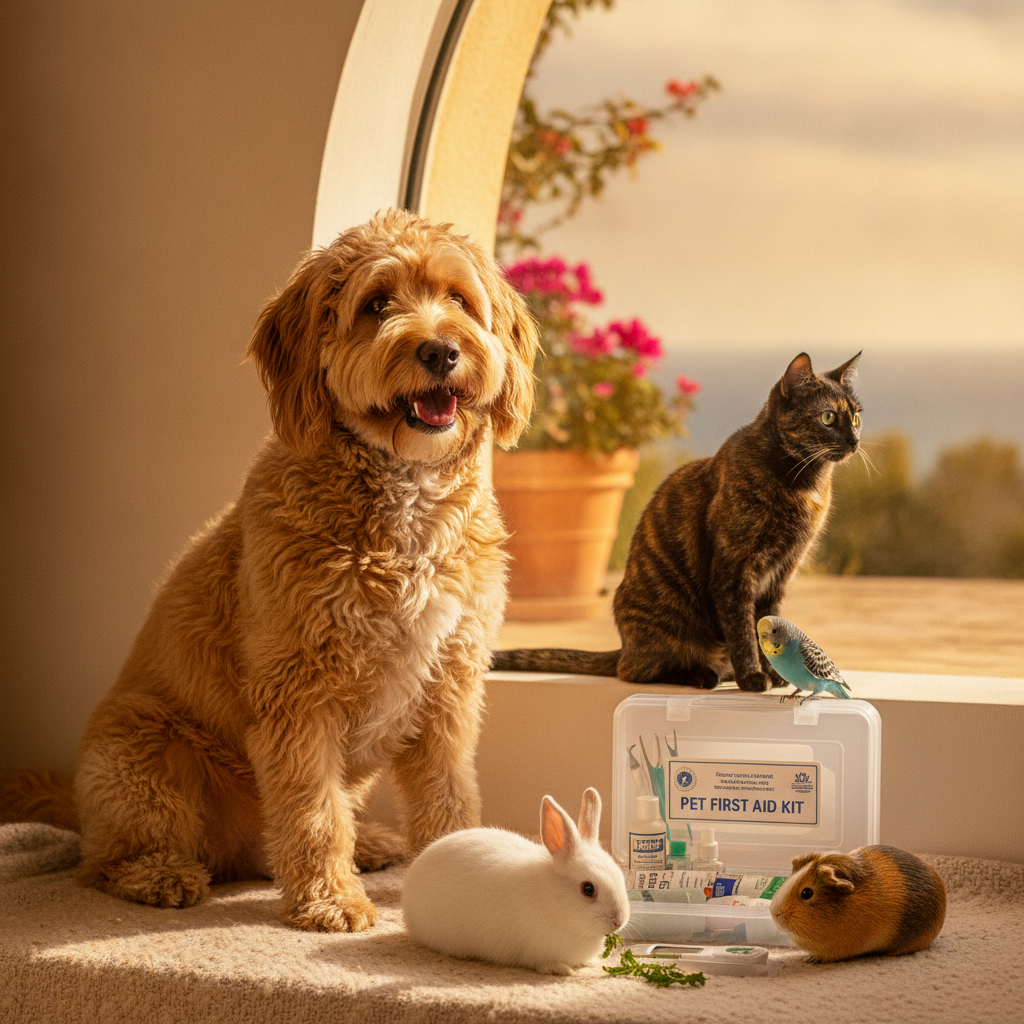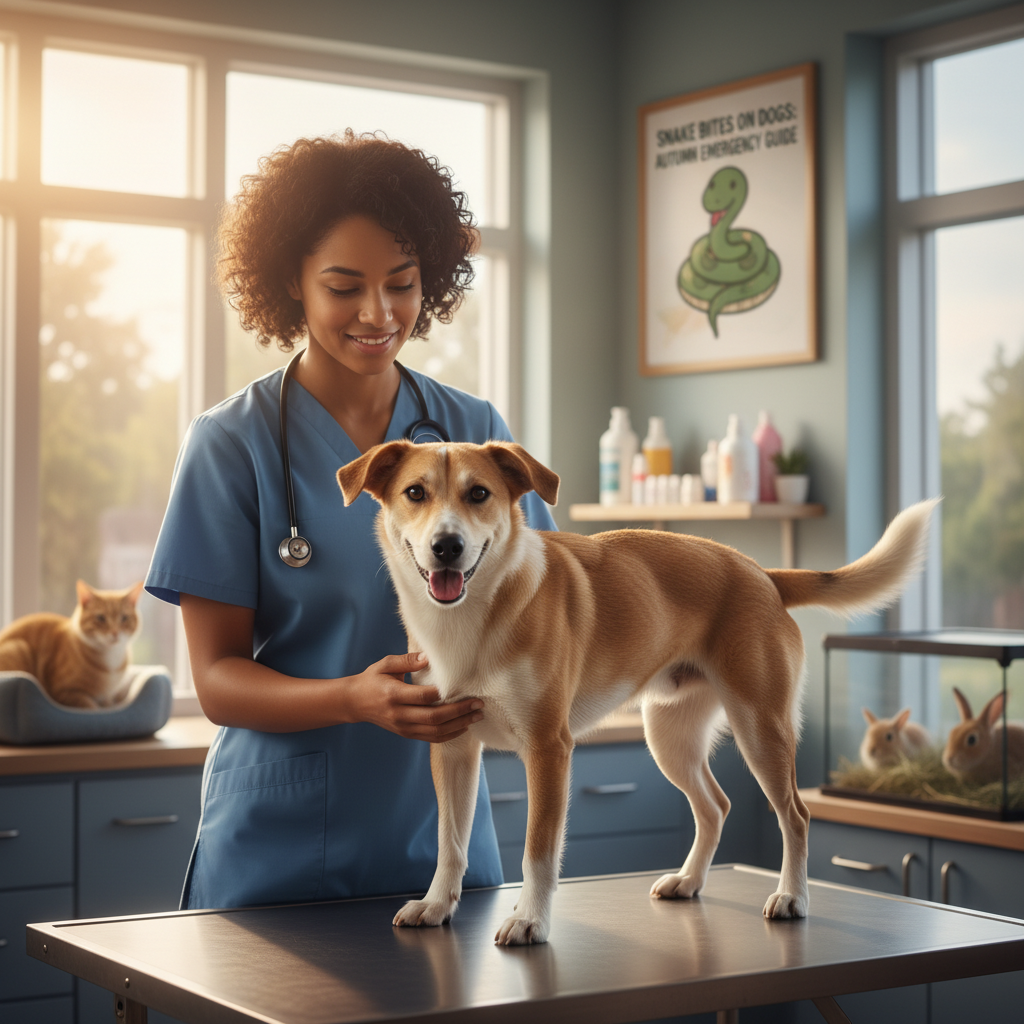
A complete monsoon season pet first aid kit guide for households in the Philippines and Indonesia. Covers leptospirosis, flood wounds, snake bites, humidity storage, and a printable restock checklist.
Key Takeaways
- Leptospirosis risk peaks during monsoon flooding, so vaccination status, prompt rinsing after flood exposure, and a kit that supports early veterinary triage are non negotiable.
- Flood water is rarely just water: it carries sewage, glass, rusted metal, and chemical runoff, so wound cleaning supplies must be ready before the rains arrive.
- Snake bite response in rural Luzon, Mindanao, Sumatra, Java, and Sulawesi depends on immobilisation and rapid transport, not tourniquets or suction.
- Humidity above 70 percent degrades medications and bandages, so storage strategy matters as much as the supplies themselves.
- Use the printable restock checklist at the end of this guide every 90 days during rainy months.
Why Monsoon Season Demands a Specialised Pet First Aid Kit
From June through November in the Philippines and roughly October through April across most of Indonesia, sustained rainfall transforms ordinary backyards into wading pools and quiet rural roads into ankle deep waterways. Veterinary guidelines from organisations such as the World Small Animal Veterinary Association (WSAVA) emphasise that the disease pressure on pets shifts dramatically during these months, with waterborne pathogens, displaced wildlife, and damp environments multiplying the routine risks owners normally manage.
A general purpose first aid kit, the kind sold in a small zippered pouch at a pharmacy, is not sufficient. The kit needs to address three distinct emergency categories at once: infectious exposure (especially leptospirosis), trauma from debris and floodwater, and envenomation from snakes flushed out of their habitats. It also needs to survive the humidity itself, which can ruin tablets, wet gauze, and corrode metal instruments within a single wet season.
The Core Kit: Supplies Every Monsoon Household Should Stock
Professional consensus from veterinary first aid curricula suggests building the kit in layers. Start with the universal basics, then add region specific items.
Universal Basics
- Digital rectal thermometer with a flexible tip and a small bottle of water based lubricant.
- Blunt tipped bandage scissors and stainless steel tweezers stored with a silica gel pack.
- Non stick absorbent pads in two sizes, conforming gauze rolls, and self adhering cohesive bandage (often sold as vet wrap).
- Sterile saline solution in single use sachets, which avoid the contamination problems of opened bottles.
- Disposable nitrile gloves in at least two sizes so multiple household members can help.
- A muzzle appropriate for your dog, or a soft pillowcase for cats and small mammals, because pain causes even gentle pets to bite.
- A sturdy carrier or rigid board for transport, plus a clean towel for restraint and warmth.
- A waterproof document pouch containing vaccination records, microchip numbers, and a clear photo of each pet.
Monsoon Specific Additions
- Antiseptic solution suitable for animal use, such as a diluted chlorhexidine or povidone iodine product recommended by your veterinarian.
- Extra towels and a gentle pet shampoo for rinsing flood exposed coats.
- An LED head torch and spare batteries, since power outages are common.
- A laminated card listing your nearest 24 hour veterinary clinic, the closest antivenom holding facility, and a poison control line.
- Oral rehydration sachets formulated for animals, used only on veterinary instruction.
For owners of long coated breeds, also review summer grooming for longhair guinea pigs and rabbits, because matted wet fur traps pathogens against the skin.
Leptospirosis Exposure: Prevention, Recognition, and Kit Support
Leptospirosis is a bacterial infection shed in the urine of rats, livestock, and infected dogs, and it thrives in standing water. The ASPCA and major veterinary public health bodies consistently flag it as one of the highest priority zoonotic concerns during tropical rainy seasons. Both dogs and humans in the household are at risk.
Prevention Layer One: Vaccination
Speak with your veterinarian before the rains begin about a multivalent leptospirosis vaccine appropriate for circulating serovars in the Philippines or Indonesia. Vaccination does not provide absolute protection, but it substantially reduces severity. Cats are considered less susceptible clinically but can still carry the bacteria.
Prevention Layer Two: Environmental Management
- Drain standing water from yards, plant pots, and discarded tyres weekly.
- Restrict outdoor access during and immediately after heavy rain.
- Use bleach diluted per public health guidance to disinfect concrete areas where pets toilet.
- Control rodents using pet safe trapping methods rather than poisons that can secondary poison your dog.
What to Watch For
Owners commonly report a sudden onset of lethargy, loss of appetite, vomiting, increased thirst, yellowing of the gums or whites of the eyes, and reluctance to move. Any combination of these signs within two weeks of flood exposure warrants same day veterinary assessment. Your kit cannot treat leptospirosis, but the thermometer, the documents pouch, and the laminated emergency contact card will accelerate the clinic visit that can save your pet's life.
Wound Care After Flood Wading
Flood water in urban Manila, Cebu, Jakarta, or Surabaya routinely contains sewage overflow, broken glass, nails, fuel residue, and decomposing organic matter. Even a pet that appears clean after wading may have minor cuts on the paw pads, interdigital spaces, or belly.
The Three Step Post Wading Protocol
- Rinse thoroughly with clean tap water (or boiled and cooled water if your supply is suspect), focusing on paws, abdomen, and any area that contacted the water. A handheld shower head makes this faster.
- Inspect systematically: pads, between toes, under the tail, ear canals if the dog swam, and the mouth if there is any chance the pet drank floodwater.
- Dry completely, because damp skin folds incubate yeast and bacteria within hours in tropical humidity.
Treating Minor Wounds at Home
For superficial scrapes, professional first aid teaching suggests clipping the surrounding fur with blunt tipped scissors, flushing with sterile saline, dabbing with a veterinary approved antiseptic, and covering with a non stick pad secured with cohesive bandage. Check the wound twice daily. Any wound that is deep, will not stop bleeding within five minutes of pressure, shows discharge, or is accompanied by limping or fever needs professional assessment.
Wounds That Always Need a Vet
- Puncture wounds, especially from nails or animal bites, because they seal over dirty.
- Wounds longer than two centimetres or that gape open.
- Any wound near a joint, the eye, the abdomen, or the chest.
- Wounds in immunocompromised pets, puppies, kittens, and senior animals. Senior owners should also review summer daylight, senior pets' sleep and sundowning for related considerations.
Snake Bite Response in Rural Areas
Heavy rains flush snakes, including the Philippine cobra, king cobra, and various pit vipers, out of burrows and toward higher ground, which often means homes, farms, and chicken coops. In rural areas of Mindanao, Palawan, Kalimantan, and Papua, antivenom access can require a journey of several hours, so response in the first 30 minutes is critical.
What to Do
- Move the pet away from the snake without trying to catch or kill it. A clear phone photograph from a safe distance helps identification.
- Keep the pet as still as possible. Movement pumps venom through the lymphatic system. Carry small dogs and cats; for larger dogs, use a stretcher or rigid board.
- Note the time of the bite and the location on the body.
- Call ahead to the nearest veterinary clinic or human hospital so antivenom can be prepared. Some rural areas rely on human antivenom administered by veterinarians under emergency protocols.
- Transport immediately.
What Not to Do
- Do not apply a tourniquet. Modern envenomation guidance considers it harmful for most snake bites.
- Do not cut the wound or attempt to suck out venom.
- Do not apply ice or hot compresses.
- Do not give human pain medication. Many human analgesics, including paracetamol and ibuprofen, are toxic to dogs and cats.
Kit Items That Support Snake Bite Response
- A clean cloth bandage for light compression on limb bites, applied only if trained.
- A rigid carrier or board for immobilisation.
- The laminated emergency contact card with the nearest antivenom site clearly marked.
- A small notebook and pen to record progression of swelling, breathing rate, and gum colour during transport.
Storing Medications in High Humidity
Tropical humidity, often above 80 percent during monsoon weeks, destroys medications faster than most owners realise. Tablets soften and crumble, capsules stick together, ointments separate, and adhesive bandages lose tack. Veterinary pharmacy guidance generally recommends the following.
The Three Container System
- Primary container: a hard sided, gasket sealed plastic box that protects against splashes and pests.
- Secondary humidity barrier: zip top bags inside the box for each category (wound care, oral medications, instruments, paperwork).
- Desiccant layer: rechargeable silica gel canisters or fresh sachets in each bag, replaced or oven dried every four to six weeks during the rainy season.
Temperature and Light
Store the kit in the coolest, darkest cupboard in your home, away from the kitchen and bathroom where heat and steam are highest. Do not store it in a vehicle, where interior temperatures can exceed 50 degrees Celsius even on overcast days. For households relying on air conditioning, review AI climate monitors for protecting pets from heatstroke, since the same sensors can flag medication storage issues.
Expiry and Inspection
- Write the expiry date on the outside of each inner bag with a permanent marker.
- Inspect every 90 days for discolouration, condensation, mould, or odour.
- Replace gauze and cohesive bandage at the start of every wet season, even if unopened, because tropical storage degrades the adhesive.
Seasonal Maintenance Calendar
One Month Before Monsoon
- Confirm all vaccinations are current, including leptospirosis where applicable.
- Refill prescription medications so you have a buffer in case of supply chain disruption.
- Replace expired items and silica gel.
- Print fresh copies of vaccination records and emergency contacts.
During Monsoon
- Inspect the kit every 30 days.
- Air the contents on a dry day to prevent mildew.
- Note any items used and replace within one week.
After Monsoon
- Conduct a full inventory.
- Discard anything that became damp, even briefly.
- Move the kit back to its standard storage location, ready for the next cycle.
Printable Restock Checklist
Print this checklist, laminate it if possible, and tick items every 90 days.
- Digital thermometer and lubricant
- Bandage scissors and tweezers
- Non stick pads (small and large)
- Conforming gauze rolls (at least three)
- Cohesive bandage (at least three rolls)
- Sterile saline sachets (minimum ten)
- Veterinary approved antiseptic solution
- Disposable nitrile gloves (two sizes)
- Muzzle or pillowcase for restraint
- Towels (two clean, dedicated to the kit)
- Pet shampoo for post flood rinsing
- LED head torch and spare batteries
- Laminated emergency contact card
- Oral rehydration sachets (veterinary formulation)
- Hard sided sealed container
- Zip top bags and silica gel sachets
- Notebook, pen, and permanent marker
- Vaccination records and microchip numbers in waterproof pouch
- Recent photo of each pet
- Rigid board or carrier for transport
When to Skip the Kit and Go Straight to the Clinic
The kit is a bridge, not a substitute. Veterinary guidelines from the AVMA and similar bodies are consistent on red flag signs that require immediate professional care without delay for home treatment: difficulty breathing, collapse, seizures, bloated abdomen, suspected snake or scorpion envenomation, ingestion of floodwater followed by vomiting, and any wound with arterial bleeding. In these situations, load the pet, grab the documents pouch, and drive.
For households also caring for senior cats, the principles in senior indoor cat care during Japan's rainy season translate well to tropical climates, especially around humidity management and litter hygiene.
Final Thoughts
A monsoon ready pet first aid kit is not a one time purchase. It is a system that combines vaccination, environmental management, well chosen supplies, humidity proof storage, and a clear emergency plan. The most common hazard people miss is not a missing item: it is an expired or mouldy kit that gives false confidence when the storm finally arrives. Build it now, maintain it on a calendar, and your household will be ready before the first heavy rain of the season.
Frequently Asked Questions
Is the leptospirosis vaccine necessary for dogs in the Philippines and Indonesia? ↓
How often should I replace items in a tropical pet first aid kit? ↓
Can I use human antiseptics on my dog or cat after flood exposure? ↓
What should I do if I cannot reach a vet quickly after a snake bite? ↓
How do I keep medications dry in 80 percent humidity? ↓

Tom Ashford
Pet Safety & Home Consultant
Pet safety and home-proofing specialist — systematic hazard prevention and emergency preparedness for pet owners.
Content Disclosure
This article was created using state-of-the-art AI models with human editorial oversight. It is intended for informational and entertainment purposes only and does not constitute veterinary medical advice. Always consult a licensed veterinarian for your pet's specific health needs. Learn more about our process.