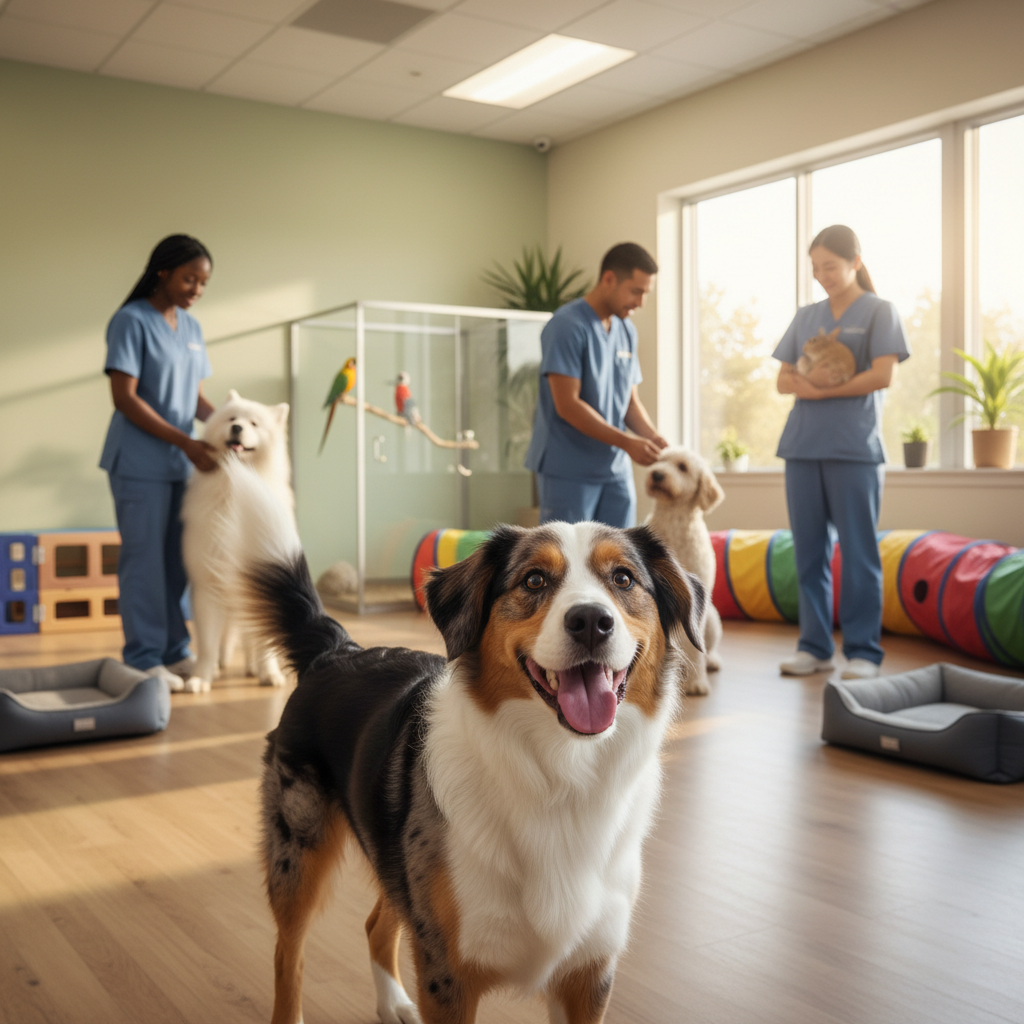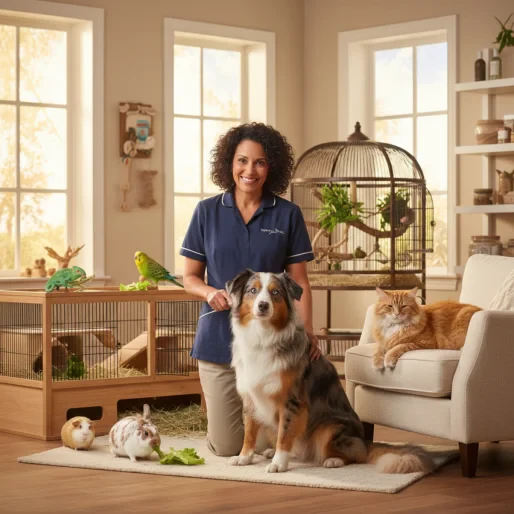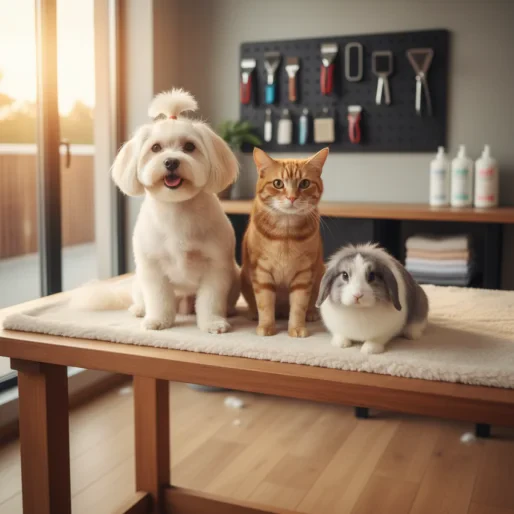
Australian pet owners should verify groomer qualifications, insurance, and salon standards before booking. This guide covers nationally recognised credentials, state welfare codes, and climate specific considerations unique to Australia.
Key Takeaways
- In Australia, the benchmark grooming qualification is the Certificate III in Animal Care Services (Pet Grooming) under the national vocational education framework, delivered by TAFE institutes and registered training organisations.
- The Pet Industry Association Australia (PIAA) maintains member standards and a code of conduct that owners can use to evaluate grooming businesses.
- State and territory welfare codes, such as the NSW Animal Welfare Code of Practice No 8 for pet grooming establishments, set enforceable requirements for animal handling, hygiene, and facility design.
- Australia's extreme summer heat, paralysis tick risk in coastal eastern regions, and high UV exposure create grooming considerations not found in other countries.
- Any skin abnormality discovered during grooming warrants referral to a veterinarian rather than at-salon treatment.
Why Groomer Qualifications Matter for Australian Pets
Grooming is far more than a cosmetic service. A properly trained groomer identifies early signs of skin infection, parasites, lumps, and coat deterioration that owners may miss between veterinary visits. In Australia, where outdoor lifestyles are common and pets face unique environmental hazards, competent grooming is particularly important. Matted fur near the ears or groin can mask hot spots or fungal growth that worsen rapidly, while tangled coats in humid subtropical regions such as coastal Queensland and northern New South Wales create ideal conditions for dermatitis.
Conversely, an unqualified groomer may use incorrect blade lengths on a double-coated breed like an Australian Shepherd, nick skin folds on brachycephalic dogs such as Bulldogs and Pugs, or fail to recognise the difference between normal seasonal shedding and alopecia. Professional credentials exist to minimise these risks and give owners an objective way to evaluate competence.
Australian Qualification Framework: Certificate III in Animal Care Services
The nationally recognised qualification for professional pet groomers in Australia sits within the Australian Qualifications Framework (AQF). The Certificate III in Animal Care Services (currently coded ACM30122, superseding ACM30121) includes a pet grooming specialisation stream. This qualification is delivered by TAFE institutes and private registered training organisations (RTOs) across all states and territories.
The Certificate III covers core competencies including animal handling and restraint, workplace health and safety, infection control, basic animal health assessment, and breed-specific coat care techniques. Students complete both theoretical units and practical placements, typically over 12 to 18 months of study.
Key points for owners evaluating a groomer's training:
- Check the qualification code: a legitimate Certificate III will reference a nationally recognised training package code (e.g. ACM30122) and be issued by an RTO registered with the Australian Skills Quality Authority (ASQA) or the relevant state training authority.
- Verify the RTO: owners can search the national register at training.gov.au to confirm that a training provider is genuinely registered.
- Distinguish from short courses: weekend workshops and unaccredited online modules do not carry the same weight as a full Certificate III. While short courses may supplement existing skills, they should not be a groomer's sole qualification.
Pet Industry Association Australia (PIAA) Membership
The Pet Industry Association Australia, established in 1979, is the country's peak trade association for the pet industry. PIAA members are required to meet defined standards, participate in ongoing training, and adhere to a recognised code of conduct. PIAA has been actively working with state and federal governments on proposed updates to the industry's Code of Practice, with the goal of requiring all new entrants to the grooming sector to complete foundation training in animal welfare and care.
While PIAA membership is voluntary, it serves as a useful indicator of professional commitment. Owners can check whether a grooming business is a current PIAA member through the association's website. Membership signals that the business has agreed to industry standards that go beyond minimum legal requirements.
State and Territory Welfare Codes
Unlike some countries where grooming is largely unregulated, several Australian states and territories have specific welfare codes covering pet grooming establishments. These codes are enforceable under animal welfare legislation:
- New South Wales: the Animal Welfare Code of Practice No 8 (Animals in Pet Grooming Establishments) sets requirements for facility design, animal handling, enclosure standards, water availability, and staff competence. Under this code, animals must be held singly (except compatible animals of the same species from the same household), and cats must never be caged with dogs.
- Australian Capital Territory: the ACT maintains its own Code of Practice for Pet Grooming Establishments, with similar provisions for animal welfare and facility standards.
- Other states: Victoria, Queensland, Western Australia, South Australia, Tasmania, and the Northern Territory regulate animal welfare through their respective Prevention of Cruelty to Animals Acts and associated regulations, which apply to grooming establishments even where a specific grooming code does not exist.
Owners should ask a prospective groomer whether they are familiar with and compliant with their state or territory's relevant welfare code. A professional groomer will answer confidently.
Climate Specific Grooming Considerations for Australia
Australia's climate creates grooming challenges that require specific training and awareness.
Extreme Heat and Heatstroke Risk
Summer temperatures regularly exceed 40°C across much of Australia. Grooming salons must manage heat risk through adequate air conditioning, access to fresh water at all times, and careful scheduling to avoid transporting pets during peak heat. Cage dryers are a particular concern in hot climates: unattended cage dryers without temperature controls have been linked to fatal overheating incidents. A responsible Australian salon uses dryers with automatic shutoffs and constant monitoring, and many have moved away from cage dryers entirely.
Double-coated breeds popular in Australia, such as Australian Shepherds, Border Collies, and Golden Retrievers, should never be shaved in the belief that it will keep them cooler. The double coat provides insulation against both heat and UV exposure. A qualified groomer understands this and will recommend deshedding and undercoat removal rather than a close shave.
Paralysis Tick Awareness
In coastal areas of eastern Australia, from North Queensland through to eastern Victoria, the paralysis tick (Ixodes holocyclus) poses a serious and potentially fatal risk to dogs and cats. Professional groomers working in these regions should be trained to identify paralysis ticks during grooming sessions. If a tick is found, the groomer should notify the owner immediately and recommend urgent veterinary attention. Groomers should never attempt to treat tick paralysis symptoms.
Animal Emergency Service (AES)
Call the Animal Emergency Service or find your nearest 24-hour emergency vet clinic.
AES operates in QLD, NSW, and VIC. For other states, search for your nearest after-hours veterinary hospital.
Bushfire Smoke and Air Quality
During bushfire season, air quality can deteriorate rapidly. Grooming salons should monitor air quality indices and consider rescheduling bathing and drying sessions on days with hazardous smoke levels, as the combination of water, heat, and poor air quality can stress animals with respiratory sensitivities, particularly brachycephalic breeds.
Insurance Requirements for Australian Groomers
Professional grooming carries inherent risks, and Australian pet owners should confirm that any groomer they use holds appropriate insurance coverage.
- Public liability insurance: this covers claims arising from injury to an animal or a person during grooming. Industry guidance in Australia typically recommends a minimum of $5 million to $20 million AUD in public liability coverage, which is standard for most small business policies.
- Care, custody, and control (bailee) insurance: because groomers take temporary custody of animals, bailee coverage is essential. This covers situations where a pet is injured, escapes, or dies while in the groomer's care.
- Professional indemnity insurance: covers claims related to professional advice or service that results in harm.
- Workers' compensation: salons with employees are required by law in all Australian states and territories to carry workers' compensation insurance.
- Mobile groomers: those operating mobile grooming vans need commercial vehicle insurance that specifically covers the grooming unit and its equipment.
Owners are within their rights to ask whether a groomer carries current insurance. A professional groomer will provide proof of coverage without hesitation. Refusal to share this information is a significant red flag. Australian insurers such as BizCover offer tailored policies for dog grooming businesses.
Hygiene and Salon Standards
A properly run grooming salon in Australia follows hygiene practices that align with both state welfare codes and veterinary clinic principles:
- Tool sterilisation: clippers, blades, scissors, and combs should be disinfected between each animal using veterinary-grade disinfectant or UV sterilisation units.
- Table and tub cleaning: non-porous surfaces wiped down and disinfected after every session.
- Towel and bedding management: single-use or freshly laundered textiles for each pet.
- Ventilation and air quality: adequate airflow to manage dander, product fumes, and humidity, which is especially important in Australia's warmer and more humid regions.
- Water availability: under NSW and ACT codes, fresh water must be available to animals at all times while in the establishment.
First Aid and Safe Handling
Professional groomers should hold a current pet first aid certificate. In Australia, accredited programmes are offered through organisations such as the Australian Red Cross (general first aid) and various veterinary nursing associations. Training should cover choking response, wound management, seizure protocols, heatstroke recognition (critical in Australian conditions), and basic tick identification for those in endemic areas.
Qualified groomers also understand low-stress handling techniques. This includes correct use of grooming loops (never left unattended), muzzle application when necessary, and recognition of canine and feline stress signals such as whale eye, lip licking, or flattened ears. For guidance on managing anxious animals, the principles in helping a fearful rescue cat build confidence apply to grooming contexts as well.
How to Verify an Australian Groomer's Credentials
Owners should not rely solely on a groomer's verbal claims. The following verification steps are recommended:
- Request certificate copies: legitimate groomers willingly display or share their credentials. A Certificate III should show the qualification code, the issuing RTO, and a completion date.
- Verify the RTO: search training.gov.au to confirm the training provider is registered and the qualification is current.
- Check PIAA membership: if the groomer claims PIAA membership, verify through the association's directory.
- Ask about continuing education: grooming standards evolve. Credentialed groomers typically pursue additional training in new techniques, equipment safety, and dermatological updates.
- Confirm first aid currency: first aid certificates typically expire every three years in Australia and should be renewed.
- Review insurance documentation: ask for a current certificate of currency showing public liability and bailee coverage.
Owners researching broader professional standards may also find the Pet Sitter Insurance and Bonding: Australia Guide useful for understanding how care providers demonstrate accountability.
Red Flags When Choosing an Australian Grooming Salon
Owners should be alert to the following warning signs:
- No visible credentials: a salon that cannot produce a Certificate III or equivalent from a recognised RTO may lack formal training.
- Refusal to allow observation: while some salons limit viewing to avoid distracting pets, outright refusal to let owners see the grooming area at any time is concerning.
- No insurance documentation: unwillingness to confirm insurance status suggests the business may be uninsured.
- Overcrowded or chaotic environment: too many animals in a small space increases stress, disease transmission risk, and accident likelihood, and may breach state welfare codes.
- Dirty equipment or surfaces: visible hair buildup on blades, stained tables, or soiled towels indicate poor hygiene practices.
- Sedation without veterinary oversight: groomers should never administer sedatives. Any sedation must be prescribed and supervised by a registered veterinarian. Administering prescription medication without veterinary authorisation is illegal in Australia.
- No intake form or health questions: a qualified groomer asks about allergies, medications, tick prevention status, past reactions, and behavioural concerns before every appointment.
Grooming Frequency for Popular Australian Breeds
Professional grooming frequency depends on coat type, lifestyle, and environmental exposure:
- Australian Shepherd, Border Collie, Golden Retriever (double-coated): professional deshedding and skin checks every 6 to 8 weeks. Never shave these coats.
- Labradoodle, Groodle, Cavoodle (popular crossbreeds with continuously growing coats): every 4 to 6 weeks for clipping, scissoring, and hygiene trims.
- Schnauzer, Wire Fox Terrier (wire-coated): hand-stripping every 8 to 12 weeks to maintain correct coat texture.
- Staffy, Kelpie, Boxer (short-coated): professional baths and deshedding every 8 to 12 weeks, with regular at-home brushing.
- Cats: long-haired breeds such as Persians and Ragdolls benefit from professional grooming every 6 to 8 weeks, particularly in warmer months when mats trap heat against the skin.
Pets recovering from surgery or managing joint conditions (see the Dog Hydrotherapy After Joint Surgery: Aussie Guide) may require modified grooming positions and gentler handling.
Building Confidence in Your Groomer Choice
Selecting a groomer is a decision that directly impacts a pet's physical health and emotional wellbeing. By understanding Australian qualification frameworks (Certificate III via TAFE or registered RTOs), checking PIAA membership, verifying insurance coverage, confirming compliance with state welfare codes, and watching for red flags, Australian pet owners can make informed choices. A qualified groomer welcomes these questions because transparency is the foundation of professional trust.
When in doubt, ask to see credentials, request proof of insurance, observe the salon environment, and trust professional instincts. A pet's comfort and safety are always worth the extra diligence.
Frequently Asked Questions
What is the recognised grooming qualification in Australia? ↓
Is pet grooming regulated in Australia? ↓
What insurance should an Australian pet groomer carry? ↓
Should I worry about paralysis ticks during grooming? ↓
How do I verify a groomer's credentials in Australia? ↓
Sophie Bianchi
Certified Master Pet Groomer
Certified master pet groomer — breed-standard techniques, skin health awareness, and at-home grooming guidance.
Content Disclosure
This article was created using state-of-the-art AI models with human editorial oversight. It is intended for informational and entertainment purposes only and does not constitute veterinary medical advice. Always consult a licensed veterinarian for your pet's specific health needs. Learn more about our process.