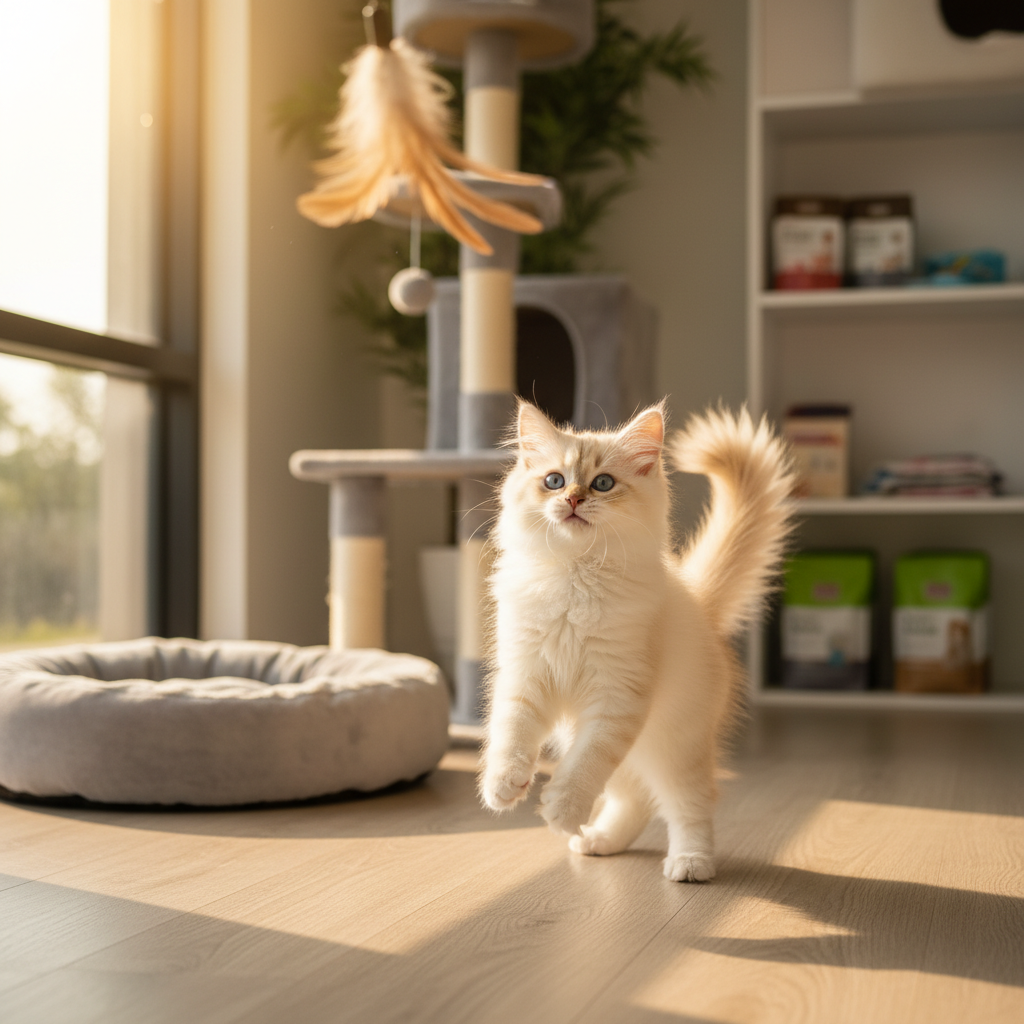
Bringing home a kitten during Australia's spring (September to November) means navigating paralysis ticks, snake season, and state microchipping laws. This checklist covers vaccinations, indoor setup, and seasonal hazards specific to Australian conditions.
Key Takeaways
- Australian spring (September to November) coincides with rising paralysis tick and snake activity, making prevention a priority from day one.
- The F3 vaccine is the core kitten vaccine in Australia, protecting against feline panleukopenia, calicivirus, and herpesvirus.
- Microchipping is mandatory across all Australian states and territories, typically required by 12 weeks of age or before sale or transfer.
- Australia is rabies free, so rabies vaccination is not part of the standard kitten schedule.
- The Animal Poisons Helpline (1300 869 738) provides 24/7 telephone triage for suspected poisonings.
Why Australian Spring Kittens Need Their Own Checklist
Spring in Australia runs from September to November, and it is the peak of kitten season. Shelters and rescue organisations such as the RSPCA and Cat Protection Society see a significant surge in kitten arrivals during this period. For new owners, the season brings a distinct set of hazards: paralysis ticks becoming active along the eastern seaboard, snakes emerging from brumation, spring flowering plants that are toxic to cats, and warming temperatures that encourage open windows and exploratory behaviour. A structured, Australia specific checklist helps ensure nothing critical is overlooked during those first weeks.
Vaccination Timeline for Australian Kittens
Core Vaccine: The F3
The Australian Veterinary Association (AVA) and the World Small Animal Veterinary Association (WSAVA) recommend the F3 combination vaccine as the core vaccine for all kittens in Australia, regardless of whether they will live indoors or have outdoor access. The F3 protects against:
- Feline panleukopenia (feline parvovirus)
- Feline calicivirus (cat flu)
- Feline herpesvirus type 1 (cat flu)
The standard Australian schedule generally follows:
- 6 to 8 weeks: First F3 dose.
- 10 to 12 weeks: Second F3 booster.
- 16 to 20 weeks: Final kitten F3 booster. Current WSAVA guidelines (2024) recommend extending the final dose to 16 to 20 weeks to account for the potential interference of maternally derived antibodies.
- 12 months later: First annual booster, then every one to three years as assessed by the veterinarian.
Australia is free of rabies, so rabies vaccination is not required or available as part of routine domestic kitten care.
Non Core Vaccines
Depending on lifestyle and risk, a veterinarian may also discuss:
- Feline immunodeficiency virus (FIV): Australia is one of the few countries where an FIV vaccine remains available. It is generally recommended for cats that will have outdoor access or could encounter FIV positive cats. The vaccine requires an initial course of three doses given two to four weeks apart.
- Feline leukaemia virus (FeLV): Considered for kittens with potential outdoor exposure or those in multi cat households with unknown status cats.
- Chlamydophila felis: Sometimes recommended in multi cat environments or catteries.
All vaccination decisions should be made in consultation with a registered veterinarian who can assess your kitten's individual risk profile.
Microchipping: A Legal Requirement
Unlike many countries where microchipping is optional, Australia mandates microchipping of cats in all states and territories. Key requirements include:
- New South Wales: By 12 weeks of age or before sale or transfer.
- Victoria: Before registration with council for the first time, and before sale or transfer.
- Queensland: By 12 weeks of age or before change of ownership.
- Western Australia: Cats over six months must be microchipped, with penalties exceeding $5,000 for non compliance.
- South Australia: By 12 weeks or before transfer of ownership.
- Tasmania: By four months of age.
- ACT: Before registration, with fines up to $1,600 for non compliance.
- Northern Territory: Requirements vary by council; Darwin mandates microchipping for registration from three months.
After microchipping, owners must register the chip with an approved database (such as the relevant state pet registry) and keep contact details current. A microchip is only useful if the linked information is accurate.
Pet Registration
In addition to microchipping, most Australian councils require cats to be registered with the local government authority. Registration fees vary by council and are often reduced for desexed animals. Check with your local council for specific requirements and deadlines, as penalties for unregistered cats can apply.
Indoor Setup: Room by Room
The Safe Room (First 3 to 7 Days)
Professional guidelines recommend confining a new kitten to a single room before allowing full house access. This safe room should contain:
- A litter tray placed well away from food and water
- Fresh water in a shallow, stable bowl
- Age appropriate kitten food meeting Australian Standard or AAFCO nutritional profiles
- A cosy hiding spot (covered bed or a cardboard box lined with a blanket)
- A scratching post or pad
- A few safe toys with no detachable small parts, string, or ribbon
Kitchen and Laundry
- Install child locks on cabinets containing cleaning products, dishwasher tablets, and bin bags.
- Store foods toxic to cats (onions, garlic, grapes, chocolate, xylitol containing products) in sealed containers.
- Always check inside washing machines and dryers before starting a cycle. Kittens are drawn to the warmth of recently used machines.
- Check behind appliances for gaps where a small kitten could become trapped.
Living Areas
- Secure blind cords and electrical cables using cord covers or cable clips.
- Anchor bookshelves and tall furniture to the wall. Kittens climb aggressively, and unsecured furniture can topple.
- Remove or elevate all toxic houseplants. Lilies (all Lilium and Hemerocallis species) are extremely dangerous to cats, with even minor exposure potentially causing kidney failure. Other common Australian spring plants to remove include wisteria, azaleas, daffodils, and yesterday today and tomorrow (Brunfelsia).
- Check reclining chairs and sofa beds before operating them.
Bedrooms and Bathrooms
- Fit secure screens or window restrictors on all windows. Spring temperatures in much of Australia encourage open windows, and "high rise syndrome" (falls from height) is a recognised veterinary emergency in cats.
- Keep toilet lids closed. Small kittens can fall in and may not climb out.
- Store all medications securely. Paracetamol and ibuprofen are highly toxic to cats even in very small amounts.
- Remove hair ties, dental floss, and cotton buds. Linear foreign bodies are a well documented surgical emergency in cats.
Spring Hazards Specific to Australia
Paralysis Ticks
The paralysis tick (Ixodes holocyclus) is one of the most dangerous parasites for cats in Australia, found primarily along the eastern coastline from North Queensland to northern Victoria. Tick activity increases significantly in spring and peaks through summer. Key actions for kitten owners:
- Discuss a cat safe tick prevention product with your veterinarian before bringing the kitten home. Products designed for dogs (particularly those containing permethrin) can be fatal to cats.
- Perform daily tick searches, paying particular attention to the head, neck, ears, shoulders, and armpits, where approximately 85 to 90 percent of ticks are found.
- Keep grass and vegetation trimmed to reduce tick habitat in your yard.
- Know the signs of tick paralysis: wobbliness in the back legs, changed voice or meow, difficulty swallowing, vomiting, and laboured breathing. Tick paralysis is a veterinary emergency requiring immediate treatment.
Snakes
Australian snakes emerge from brumation in spring, and encounters with curious kittens can be fatal. Brown snakes, tiger snakes, and red bellied black snakes are among the most commonly encountered species. If outdoor access is planned, keeping the kitten indoors or in a secure cat enclosure (catio) dramatically reduces risk. If you suspect a snake bite, seek emergency veterinary care immediately, as antivenom must be administered promptly.
Toxic Spring Plants and Garden Chemicals
Fertilisers, snail and slug pellets (many contain metaldehyde, which is toxic to cats), and herbicides should be stored securely. Spring is a peak time for garden product use across Australian households.
Heat and Bushfire Smoke
While extreme heat is more associated with summer, late spring in many parts of Australia can bring days above 35°C. Ensure kittens have access to cool, shaded areas and fresh water at all times. In bushfire prone regions, poor air quality from smoke can affect cats, particularly those with respiratory conditions. Keep kittens indoors on high smoke days.
The Socialisation Window
Feline behavioural research identifies the sensitive socialisation period in kittens as approximately 2 to 7 weeks, with some experts extending it to 9 weeks. Most kittens adopted from shelters arrive at 8 to 12 weeks, so much of this window has passed. However, continued gentle socialisation remains beneficial:
- Introduce the kitten to a variety of people in calm settings.
- Expose the kitten gradually to household sounds (vacuum, doorbell, kitchen appliances) paired with treats or play.
- Handle the kitten daily, including touching paws, ears, and mouth, to prepare for veterinary examinations and grooming.
- Introduce existing pets gradually, always supervising and providing the kitten with escape routes.
Emergency Preparedness
Assemble an emergency kit before a crisis occurs:
- Your veterinarian's phone number and clinic address
- Nearest 24 hour emergency veterinary hospital details
- Animal Poisons Helpline: 1300 869 738 (operates 24/7 across Australia)
Animal Emergency Service (AES)
Call the Animal Emergency Service or find your nearest 24-hour emergency vet clinic.
AES operates in QLD, NSW, and VIC. For other states, search for your nearest after-hours veterinary hospital.
- A hard sided pet carrier appropriately sized for a kitten
- Sterile gauze pads and self adhesive bandage wrap
- Blunt tipped scissors
- Digital thermometer (normal feline temperature: approximately 38.1°C to 39.2°C)
- Saline solution for flushing minor wounds
- A recent photo of your kitten on your phone
- Copies of vaccination records and microchip details
Common First 30 Day Mistakes
1. Giving Full House Access Too Soon
Confining a kitten to one room for the first few days reduces stress, supports litter training, and limits exposure to hazards not yet identified.
2. Delaying the First Vet Visit
The first veterinary appointment should occur within 24 to 72 hours of bringing the kitten home, establishing a health baseline and beginning or continuing vaccinations and parasite prevention.
3. Using Dog Parasite Products on Cats
Many flea and tick treatments for dogs contain permethrin, which is highly toxic and potentially fatal to cats. This is especially relevant in Australia where tick prevention is critical. Always use cat specific products.
4. Litter Tray Errors
Common mistakes include placing the tray near food, using a covered tray that traps odours, switching litter types suddenly, and infrequent cleaning. The general guideline is one tray per cat plus one extra.
5. Feeding an Inappropriate Diet
Kittens need higher protein and calorie levels than adult cats. Choose a food labelled for kittens or "all life stages" that meets AAFCO or equivalent nutritional standards.
6. Skipping Pet Insurance
Veterinary emergency costs in Australia can run from several hundred to several thousand dollars. A paralysis tick treatment alone can cost $5,000 to $10,000 or more in severe cases. Enrolling while the kitten is young and healthy typically results in better coverage and lower premiums.
7. Neglecting Parasite Prevention
In Australia's climate, year round parasite prevention is recommended in many regions, with spring being the most critical time to begin. Discuss a comprehensive programme covering fleas, ticks (in endemic areas), and intestinal worms with your veterinarian.
Spring Maintenance Checklist at a Glance
- Fit or check window screens and restrictors before opening windows for the season
- Audit all indoor and garden plants for toxicity
- Begin or update flea, tick, and worm prevention (use cat safe products only)
- Schedule the next vaccination booster
- Confirm microchip registration details are current
- Check council registration requirements and deadlines
- Inspect yard for snake harbourage (long grass, woodpiles, debris)
- Stock and review the emergency kit
Printable Summary: First 30 Days
- Before arrival: Set up safe room, purchase essentials (food, litter, carrier, scratching post, toys), book first vet appointment, kitten proof at least one room, check council registration requirements.
- Day 1 to 3: Keep kitten in safe room, introduce litter tray, begin gentle handling, monitor eating and drinking.
- Day 3 to 7: First veterinary visit, begin or continue F3 vaccination schedule, discuss microchipping (if not already done), start parasite prevention.
- Week 2: Gradually allow supervised exploration of additional rooms, continue socialisation with household sounds and people.
- Week 3: Introduce existing pets slowly under supervision, establish play routines for exercise.
- Week 4: Second vaccination booster (if timing aligns), reassess kitten proofing as the kitten grows bolder and more agile, confirm microchip registration is complete and accurate.
Emergency contacts to keep accessible:
- Your veterinarian: [name and number]
- Nearest 24 hour emergency vet: [name and number]
- Animal Poisons Helpline: 1300 869 738
Animal Emergency Service (AES)
Call the Animal Emergency Service or find your nearest 24-hour emergency vet clinic.
AES operates in QLD, NSW, and VIC. For other states, search for your nearest after-hours veterinary hospital.
Frequently Asked Questions
When is kitten season in Australia? ↓
What is the F3 vaccine for kittens in Australia? ↓
Is microchipping mandatory for cats in Australia? ↓
Do Australian kittens need a rabies vaccine? ↓
How can I protect my kitten from paralysis ticks? ↓
What is the Animal Poisons Helpline number in Australia? ↓

Tom Ashford
Pet Safety & Home Consultant
Pet safety and home-proofing specialist — systematic hazard prevention and emergency preparedness for pet owners.
Content Disclosure
This article was created using state-of-the-art AI models with human editorial oversight. It is intended for informational and entertainment purposes only and does not constitute veterinary medical advice. Always consult a licensed veterinarian for your pet's specific health needs. Learn more about our process.