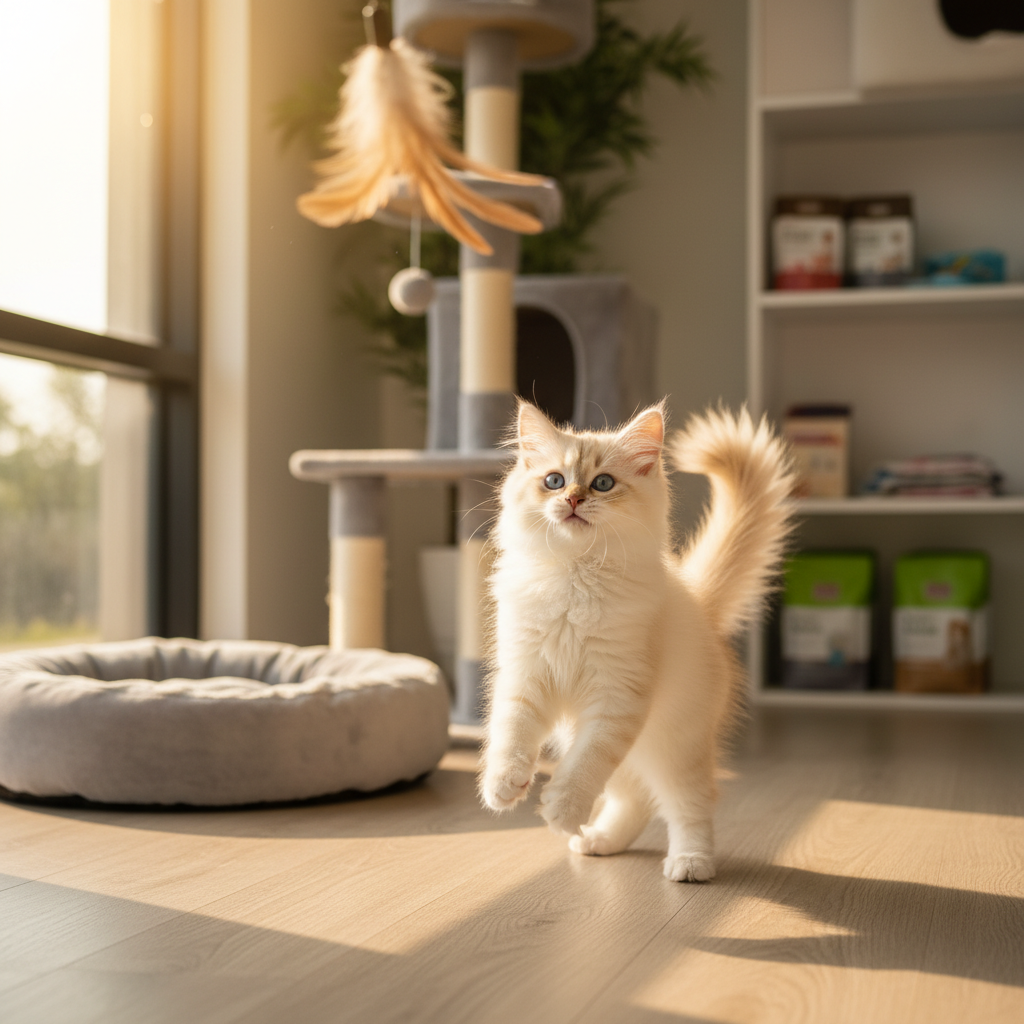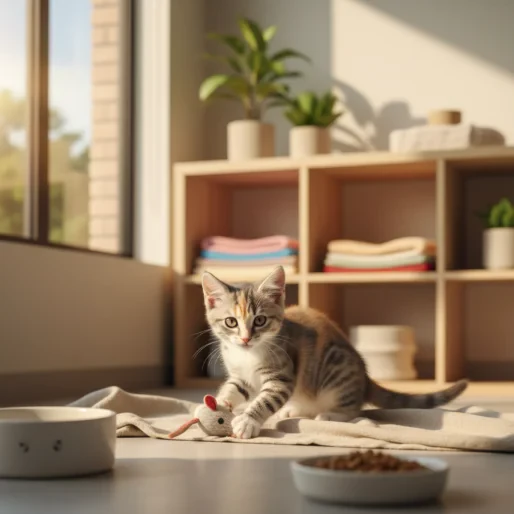
Kitten season in Australia peaks from October through January, flooding shelters with litters that need prepared homes. This guide covers everything Australian first time adopters need to know, from vet visits and vaccination schedules to heat safety and paralysis tick prevention.
Key Takeaways
- Kitten season in Australia runs from approximately September through March, with shelters experiencing peak intake from October to January.
- Kittens should stay with their mother until at least 8 weeks of age for proper socialisation and weaning.
- A first veterinary visit should happen within 48 to 72 hours of bringing a kitten home.
- Core vaccinations (F3), parasite prevention (including paralysis tick protection on the east coast), and desexing are early priorities.
- Australian summers bring extreme heat, bushfire smoke, and snake activity, all of which pose risks to young kittens.
- Many Australian councils require cat registration, microchipping, and increasingly mandate cat containment or curfews.
Understanding Kitten Season in Australia
In Australia, kitten season follows the Southern Hemisphere spring and summer. As daylight hours increase from September onward, undesexed queens come into oestrus and give birth in waves. Shelters and rescue organisations such as RSPCA Australia, the Cat Protection Society, and the Animal Welfare League typically see kitten intake surge from October through January, with some litters continuing to arrive through March. During peak periods, many shelters reach capacity and rely heavily on foster carers and adopters to manage the influx.
For prospective adopters, this means there are plenty of kittens looking for homes, but it also means shelters are under enormous pressure. Adopting a kitten during this period is a genuine contribution to animal welfare, provided you are prepared for the commitment.
How Old Should a Kitten Be Before Adoption?
Veterinary and welfare guidelines in Australia align with international standards: kittens should remain with their mother and littermates until at least 8 weeks of age. This period is essential for developing bite inhibition, appropriate play behaviour, and social skills. Kittens separated earlier often develop behavioural issues including excessive biting and difficulty interacting with other cats. Some breeders and breed specific rescue groups prefer to wait until 12 weeks, particularly for pedigree kittens. If a rescue offers a kitten younger than 8 weeks, it has likely been orphaned or hand reared and may need additional socialisation support at home.
The First Vet Visit
A veterinary check up within 48 to 72 hours of adoption is strongly recommended. This initial visit typically includes a full physical examination, a faecal test for intestinal parasites, an assessment of body condition and weight, discussion of vaccination schedules, and baseline parasite prevention. Most Australian shelters and rescues provide initial vaccinations, microchipping, and deworming before adoption, so bring all paperwork so the veterinarian can continue the existing care plan rather than duplicating it. This visit also establishes the kitten as a patient, which is important if an emergency arises later.
Animal Emergency Service (AES)
Call the Animal Emergency Service or find your nearest 24-hour emergency vet clinic.
AES operates in QLD, NSW, and VIC. For other states, search for your nearest after-hours veterinary hospital.
Vaccinations for Australian Kittens
The Australian Veterinary Association (AVA) and the World Small Animal Veterinary Association (WSAVA) recommend core vaccinations for all kittens. In Australia, the standard core vaccine is the F3, which covers feline parvovirus (panleukopenia), feline calicivirus, and feline herpesvirus. Kittens typically begin their F3 course at 6 to 8 weeks of age, with boosters every 3 to 4 weeks until approximately 16 weeks of age.
Australia is rabies free, so rabies vaccination is not required for domestic cats. However, feline immunodeficiency virus (FIV) vaccination and feline leukaemia virus (FeLV) vaccination may be discussed depending on the kitten's lifestyle and risk factors, particularly if outdoor access is planned. Your veterinarian will tailor the schedule based on your kitten's age, history, and living situation.
Desexing: Timing and Legal Requirements
In Australia, the term "desexing" is used rather than spaying or neutering. Cats can become sexually mature as early as 4 months, and professional veterinary bodies support early desexing, with many recommending the procedure before 5 months of age. Most shelters and rescues in Australia desex kittens before adoption.
Desexing legislation varies by state and territory. In some jurisdictions, desexing is mandatory unless the owner holds a breeder permit. For example, the ACT, South Australia, and Western Australia have mandatory desexing requirements with specific exemption processes. Check your local council's requirements, as penalties can apply for non compliance. Beyond legal obligations, desexing helps reduce the number of unwanted kittens entering shelters each season.
Kitten Proofing Your Australian Home
Kittens are remarkably curious, agile, and small enough to fit into surprisingly tight spaces. Priority hazards include:
- Toxic plants: All species of true lilies are extremely toxic to cats and can cause fatal kidney failure from even minor exposure. Other common garden plants in Australia such as oleander, yesterday today and tomorrow (Brunfelsia), and sago palm also pose serious risks. Spring and summer gardens often feature these plants, so check both indoor arrangements and outdoor areas.
- String, thread, and rubber bands: Linear foreign bodies are a leading cause of emergency surgery in young cats.
- Cleaning products: Many conventional cleaners contain compounds harmful to cats. Store all products securely and ventilate areas after cleaning.
- Open windows and balconies: High rise syndrome is a recognised veterinary emergency. Secure all windows and balconies with mesh or screens.
- Small objects: Hair ties, earbuds, and small toy parts are frequently ingested by kittens.
Australian Specific Hazards
Extreme Heat
Australian summers regularly produce temperatures above 40°C in many regions. Kittens are more vulnerable to heat stress than adult cats. Ensure your kitten always has access to fresh water and cool, shaded areas. Never leave a kitten in a car, conservatory, or enclosed sunroom during warm weather. Signs of heat stress include panting, drooling, lethargy, and unsteadiness. If you suspect heat stroke, move the kitten to a cool area, offer water, and contact your vet immediately.
Paralysis Ticks
Along Australia's east coast, from North Queensland down to eastern Victoria, the paralysis tick (Ixodes holocyclus) is a serious and potentially fatal hazard for cats. Tick season typically runs from September through March, coinciding directly with kitten season. Symptoms of tick paralysis include a change in voice or meow, wobbliness in the hind legs, difficulty swallowing, vomiting, and progressive paralysis. This is a veterinary emergency requiring immediate treatment. Discuss tick prevention with your vet, as many products are weight and age restricted for kittens. Importantly, never use a dog tick product on a cat: permethrin based treatments are potentially fatal to cats.
Snakes
Snake season in Australia also overlaps with kitten season. Brown snakes, tiger snakes, and other venomous species are active during the warmer months and can enter suburban gardens. Keeping kittens indoors or in secure enclosures significantly reduces the risk of snake encounters. If you suspect a snake bite (symptoms include sudden weakness, dilated pupils, vomiting, or collapse), seek emergency veterinary care immediately. Antivenom treatment is time critical.
Bushfire Smoke
Bushfire season in many parts of Australia coincides with late spring and summer. Smoke exposure can cause respiratory irritation in kittens, particularly those with existing upper respiratory infections. On days of poor air quality, keep windows closed and keep your kitten indoors. If your kitten develops persistent coughing, wheezing, or laboured breathing during smoke events, contact your vet.
Feeding Your Kitten
Kittens need higher protein, higher fat, and more calories per kilogram of body weight than adult cats. Choose a commercial food specifically labelled for kittens or "all life stages" that meets the Australian Standard for pet food (AS 5812). Wet food is often recommended for kittens as it supports hydration and is easier to eat. Transition gradually from whatever the shelter or foster carer was feeding to avoid digestive upset. Fresh water should always be available. Never offer cow's milk, as most cats are lactose intolerant after weaning and it commonly causes diarrhoea.
Cat Containment and Council Rules
Australia is increasingly moving toward cat containment to protect both cats and native wildlife. The ACT has territory wide cat containment, meaning cats must be kept on their owner's property at all times. Many councils across New South Wales, Victoria, Queensland, South Australia, and Western Australia have introduced cat curfews (typically dusk to dawn) or full containment rules for new cats. Check your local council's regulations, as fines may apply for roaming cats.
Keeping kittens indoors or providing secure outdoor access through cat enclosures (often called "catios") is strongly recommended by both the AVA and RSPCA Australia. This protects kittens from traffic, dogs, snakes, ticks, and territorial cats, while also reducing predation on native wildlife including small mammals, birds, and reptiles.
Registration and Microchipping
Microchipping is mandatory for cats in all Australian states and territories, though the specific age requirements vary. Most states require microchipping by 12 weeks of age or at the point of sale or adoption. Registration requirements also vary by council, with annual or lifetime registration fees typically ranging from $20 to $80 AUD for desexed cats (fees for entire cats are substantially higher in many jurisdictions). Most shelters microchip before adoption, but confirm the chip is registered to your details and update your contact information if you move.
How Much Does It Cost to Adopt a Kitten in Australia?
Adoption fees from Australian shelters and rescues typically range from $150 to $350 AUD. This usually includes desexing, initial vaccinations (F3), microchipping, and deworming. Beyond the adoption fee, first year costs commonly include:
- Follow up vaccinations and boosters: $80 to $150 AUD
- Ongoing parasite prevention (including tick prevention on the east coast): $150 to $300 AUD per year
- Quality kitten food: $500 to $900 AUD per year
- Litter and supplies: $200 to $400 AUD per year
- Council registration: $20 to $80 AUD
- Scratching posts, carriers, and enrichment items: $100 to $300 AUD
Pet insurance is generally most cost effective when started young, before any pre existing conditions are documented. Kittens are at higher risk for accidents and foreign body ingestions, which can result in emergency bills of $2,000 to $5,000 AUD or more. Review policies carefully, looking at coverage limits, exclusions, waiting periods, and whether the policy covers dental and chronic conditions.
Introducing a Kitten to Other Pets
Slow, structured introductions are essential. Keep the new kitten in a separate room (a "base camp") for at least the first week, allowing scent exchange through bedding swaps and feeding on opposite sides of a closed door. Progress to brief supervised visual introductions before allowing shared space access. Rushing this process is one of the most common mistakes owners make. Hissing and cautious behaviour are normal; sustained aggression, blocking access to food or litter, or signs of severe stress in either cat warrant stepping back in the process.
When to Call the Vet Immediately
First time adopters often worry about overreacting. As a general principle, it is always better to call and be reassured than to wait too long with a kitten. Seek urgent veterinary attention if your kitten shows any of the following:
- Difficulty breathing or open mouth breathing
- Refusal to eat or drink for more than 12 to 24 hours
- Vomiting or diarrhoea lasting more than 24 hours, or containing blood
- Straining in the litter box without producing urine
- Sudden lethargy or unresponsiveness
- Seizures or loss of coordination
- Signs of tick paralysis (wobbly gait, changed voice, difficulty swallowing)
- Suspected snake bite (sudden collapse, dilated pupils, weakness)
- Signs of heat stroke (excessive panting, drooling, unsteadiness)
- Suspected ingestion of a toxic substance
Keep your regular vet's daytime number and an after hours emergency clinic number saved in your phone from day one.
Myth vs. Reality
| Myth | Reality |
|---|---|
| Kittens should drink cow's milk. | Most cats are lactose intolerant after weaning. Cow's milk commonly causes diarrhoea. Fresh water is all a weaned kitten needs alongside appropriate food. |
| A cat needs to have one litter before being desexed. | There is no medical benefit to allowing a cat to have a litter before desexing. Early desexing is safe and helps reduce shelter overcrowding. |
| Indoor cats don't need vaccinations. | Core vaccinations (F3) are recommended for all cats regardless of lifestyle. Indoor cats can be exposed to pathogens brought in on shoes, clothing, or through brief escapes. |
| Cats always land on their feet so balconies are fine. | High rise syndrome is a recognised veterinary emergency. Cats can and do sustain serious injuries from falls. All windows and balconies should be secured with mesh or screens. |
| You can use dog flea and tick products on cats. | Never use dog parasite products on cats. Permethrin, found in many dog tick treatments, is potentially fatal to cats. Always use cat specific products and check age and weight requirements. |
Quick Reference: Australian Kitten Adopter Checklist
- Schedule a vet visit within 48 to 72 hours of adoption
- Bring all shelter paperwork (F3 vaccination records, deworming, microchip number)
- Confirm microchip registration is in your name and details are current
- Check your local council's registration, desexing, and containment requirements
- Set up a quiet base camp room with litter box, food, water, and hiding spots
- Remove or secure toxic plants (especially lilies), string, small objects, and chemicals
- Purchase kitten specific food meeting Australian Standard AS 5812
- Provide scratching posts (vertical and horizontal options)
- Secure windows and balconies with mesh or screens
- Discuss desexing timing with your vet if not already done
- Start parasite prevention, including paralysis tick protection if on the east coast
- Consider pet insurance before any conditions are documented
- Plan for heat safety: access to shade, fresh water, and cool areas
- Begin gentle daily handling of paws, ears, and mouth
- Plan slow introductions if other pets are in the household
Frequently Asked Questions
When is kitten season in Australia? ↓
What vaccinations does a kitten need in Australia? ↓
Is desexing mandatory for cats in Australia? ↓
How much does it cost to adopt a kitten in Australia? ↓
Do I need to protect my kitten from paralysis ticks? ↓
Can I let my kitten outside in Australia? ↓
What are the biggest seasonal dangers for kittens in Australia? ↓

Hannah Cole
Pet Owner Community Advisor
Pet owner community advisor — calm, clear answers to the questions every pet parent asks.
Content Disclosure
This article was created using state-of-the-art AI models with human editorial oversight. It is intended for informational and entertainment purposes only and does not constitute veterinary medical advice. Always consult a licensed veterinarian for your pet's specific health needs. Learn more about our process.