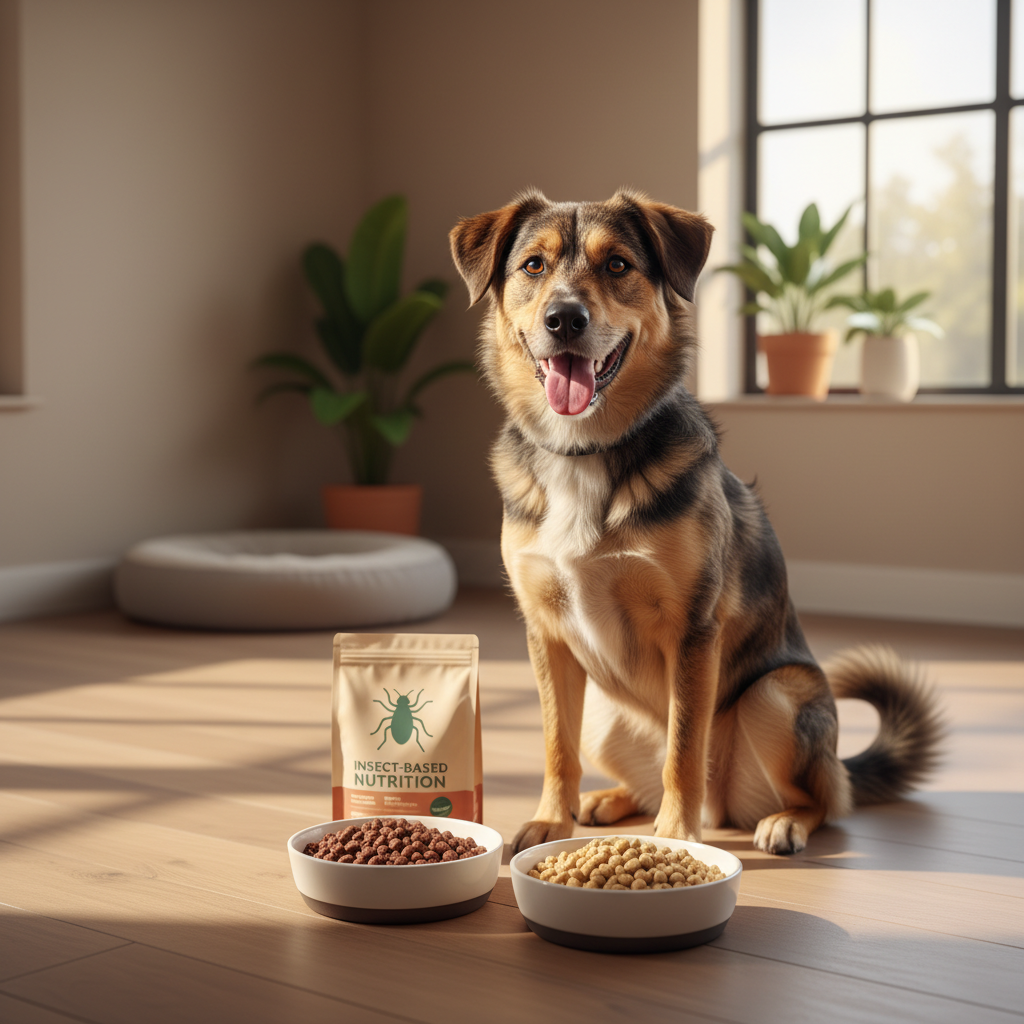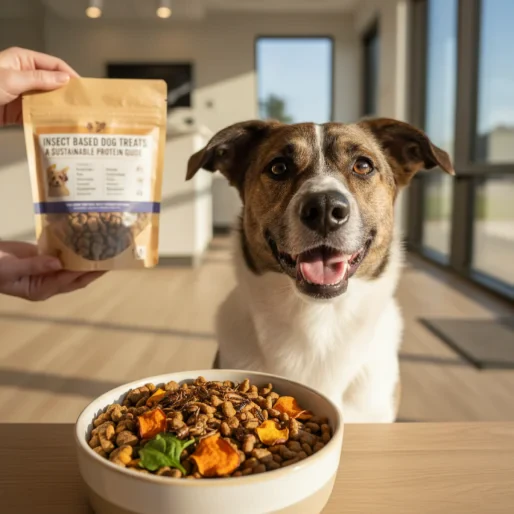
Insect protein treats are gaining traction among Canadian dog owners seeking sustainable, allergy friendly options. This guide covers BSFL nutrition, Canadian regulatory context, and practical feeding advice for every season.
Key Takeaways for Canadian Dog Owners
- Black Soldier Fly larvae (BSFL) deliver a complete amino acid profile with crude protein levels typically ranging from 35% to 60% on a dry matter basis.
- Insect protein qualifies as a novel protein, making it a practical choice for dogs with diagnosed sensitivities to chicken, beef, or other common proteins.
- In Canada, pet food ingredients fall under the oversight of the Canadian Food Inspection Agency (CFIA), and insect derived ingredients are subject to the Feeds Act and Regulations.
- The Canadian Veterinary Medical Association (CVMA) encourages owners to consult a veterinarian before making significant dietary changes, including the introduction of novel proteins.
- Treats, including insect based options, should not exceed roughly 10% of a dog's total daily caloric intake.
Why Canadian Pet Owners Are Exploring Insect Protein
Canada's pet food market is one of the largest in the world, and interest in sustainability has grown significantly across provinces. With high rates of pet ownership (estimates often place Canadian dog ownership at around 35% of households), the environmental footprint of conventional pet protein sources is a meaningful consideration. Beef and poultry production carry substantial land, water, and carbon costs. According to Food and Agriculture Organization (FAO) estimates, insect farming requires considerably less land, water, and feed than traditional livestock, making insect based treats an accessible starting point for environmentally conscious Canadian dog owners.
From an allergy perspective, veterinary dermatology literature identifies beef, dairy, chicken, wheat, and lamb as the proteins most commonly implicated in canine food allergies. For dogs undergoing elimination diets, insect protein remains genuinely novel for the vast majority of Canadian pets, unlike venison or bison, which appear in many Canadian commercial diets.
Canadian Regulatory Landscape
Pet food in Canada is regulated under the Feeds Act and Feeds Regulations, administered by the CFIA. Any feed ingredient, including insect derived protein, must comply with these regulations before being used in commercial pet food products sold in Canada. The CFIA maintains a list of approved single ingredient feeds, and manufacturers seeking to use novel ingredients like BSFL may need to submit applications for assessment.
It is worth noting that regulatory progress for insect ingredients has been slower in Canada compared to the European Union, where insect derived proteins have gained explicit approval for pet food use. Canadian pet owners may encounter insect based treats from both domestic producers and imported brands. When evaluating imported products, look for confirmation that the product meets Canadian labelling and safety requirements. The Pet Food Association of Canada (PFAC) also provides voluntary guidelines that many reputable manufacturers follow.
Labelling Requirements
Canadian pet food labels must include a guaranteed analysis, an ingredient list, and feeding directions. While AAFCO standards are widely referenced in North America, Canadian regulations have their own framework. A well labelled insect based treat should list a named insect ingredient (such as "Black Soldier Fly larvae meal" or "dried Hermetia illucens larvae") near the top of the ingredient list. Vague terms like "insect meal" without species identification warrant further investigation.
Nutritional Profile of BSFL for Canadian Dogs
Protein and Amino Acids
BSFL typically contain between 35% and 60% crude protein on a dry matter basis, providing all essential amino acids required by dogs. Protein digestibility of processed BSFL meal has been measured in feeding trials and generally falls within a range comparable to conventional animal protein meals, though some research suggests slightly lower apparent digestibility than high quality poultry meal.
Fat Content and Fatty Acids
BSFL are naturally rich in fat, often containing 15% to 35% crude fat on a dry matter basis. Their fatty acid profile is notable for high lauric acid content. However, the omega 3 to omega 6 ratio in BSFL is not ideal on its own. Well formulated Canadian products may supplement with fish oil, flaxseed (a crop widely grown across the Canadian prairies), or algal oil to improve essential fatty acid balance.
Minerals and Chitin
BSFL are naturally high in calcium due to their exoskeleton, with variable calcium to phosphorus ratios. This is especially relevant for growing puppies, where an imbalanced ratio can cause developmental issues. BSFL also contain chitin, a fibrous polysaccharide that may act as a prebiotic fibre. Research into chitin's effects on canine digestion is still developing, but the practical impact at treat level feeding is likely minimal.
Climate Considerations: Storing and Feeding Across Canadian Seasons
Canada's climate extremes introduce practical considerations for insect based treats that may not apply in milder regions.
Winter Storage
In provinces where temperatures regularly drop below minus 20°C (and can reach minus 30°C or colder in Alberta, Saskatchewan, Manitoba, and parts of Ontario and Quebec), storing treats in unheated garages or vehicles can cause textural changes. Dried insect treats may become extremely hard and brittle in freezing conditions. Keep treats in a sealed container at room temperature indoors to preserve texture and palatability.
Summer Humidity
In eastern Canada, particularly Ontario, Quebec, and the Maritime provinces, summer humidity can be significant. High moisture environments can accelerate spoilage in natural, minimally preserved treats. Once opened, store insect based treats in airtight containers and check for any signs of mould or off odours, especially during July and August.
Training Outdoors
Canadian dog owners often use treats during outdoor training sessions year round. Insect based treats in a dried or baked format hold up well in cold weather pockets and treat pouches, resisting the crumbling that can affect softer treats in winter. During warmer months, their lower moisture content compared to meat based soft treats makes them a practical choice for hiking and trail walking in areas like Banff, Algonquin, or the Bruce Trail.
Allergy Management: Working With Your Veterinarian
For Canadian dogs with suspected food allergies, the CVMA recommends that dietary elimination trials be conducted under veterinary supervision. Insect protein's status as a genuinely novel ingredient for most dogs makes it a useful option, but several caveats apply.
- A product labelled as insect based may still contain chicken fat, egg, wheat, or dairy derivatives. Always read the full ingredient list.
- Cross contamination during manufacturing is possible. Contact the manufacturer directly to ask about shared production lines.
- Prescription hydrolysed protein diets remain the gold standard for diagnostic elimination trials, as outlined by WSAVA nutrition guidelines.
- Board certified veterinary nutritionists (Diplomate ACVN) practising in Canada can provide tailored dietary plans for dogs with complex allergy profiles.
The term "hypoallergenic" is not a regulated claim in Canadian pet food. Owners should treat this label with caution and rely on ingredient verification rather than marketing language.
Portion Sizing for Canadian Dogs
BSFL based treats can be calorie dense due to their natural fat content. Veterinary nutritionists recommend calculating treat calories as part of a dog's total daily energy requirement. General guidelines for treat calorie limits from all treat sources combined:
- Small dogs (under 10 kg): approximately 30 to 50 kcal per day from treats.
- Medium dogs (10 to 25 kg): approximately 50 to 100 kcal per day from treats.
- Large dogs (over 25 kg): approximately 100 to 150 kcal per day from treats.
These are general starting points. Active dogs, sled dogs, working breeds common in rural Canada, and growing puppies may require adjustments. Dogs on weight management plans may need stricter limits. In Canada, where the average cost of veterinary care for obesity related conditions can be significant (pet insurance claims for weight related issues are not uncommon), maintaining appropriate treat portions supports both health and household budgets.
Special Populations
Puppies
Insect based treats can be offered to puppies as a small supplement to a complete puppy diet meeting AAFCO or FEDIAF growth standards. The calcium to phosphorus ratio in BSFL is variable, so treats should remain a minor part of intake. Puppies attending training classes or socialisation programs (which many Canadian trainers offer through the winter months at indoor facilities) benefit from small, high value treats, and insect based options can fill this role.
Senior Dogs
Older dogs may benefit from novel, digestible protein sources, particularly if they have developed food sensitivities over time. Insect treats can complement a senior diet, though owners should monitor for gastrointestinal changes when introducing new foods. Many Canadian dogs become less active during long winters, making calorie awareness especially important for senior pets.
Dogs With Chronic Conditions
Dogs with kidney disease, pancreatitis, or liver conditions may need specific macronutrient restrictions. Dietary changes for dogs with chronic conditions must be supervised by a veterinarian. Prescription or therapeutic diets should never be replaced with over the counter products without professional guidance.
Sustainability in the Canadian Context
Several Canadian companies have entered the insect farming sector, with facilities operating in provinces including Ontario and British Columbia. BSFL can be reared on organic waste streams, converting food by products into high quality protein with significantly lower greenhouse gas emissions than conventional livestock. Some estimates suggest insect farming uses up to 90% less land and substantially less water per kilogram of protein produced, though exact figures vary by facility.
For Canadian consumers evaluating sustainability claims, look for third party certifications, transparent sourcing information, and clear supply chain disclosures. Vague environmental claims on packaging without supporting evidence should be viewed critically.
Foods That Remain Toxic to Dogs
| Food | Toxic Component | Risk Level |
|---|---|---|
| Chocolate | Theobromine, caffeine | Moderate to severe |
| Grapes and raisins | Unknown compound | Severe (kidney failure) |
| Onions and garlic | Thiosulfates | Moderate to severe |
| Xylitol (birch sugar) | Insulin release trigger | Severe (hypoglycaemia, liver failure) |
| Macadamia nuts | Unknown compound | Moderate |
| Cooked bones | Splintering risk | Moderate (GI obstruction or perforation) |
| Alcohol | Ethanol | Severe |
If a dog ingests any toxic food, contact your veterinarian or an emergency animal poison service immediately.
ASPCA Animal Poison Control / Local Emergency Vet
Call the ASPCA Poison Control hotline (also serves Canada) or contact your nearest emergency veterinary hospital.
The ASPCA hotline charges a consultation fee. For non-poison emergencies, search for a 24-hour veterinary hospital in your city.
Final Thoughts
Insect based dog treats represent a promising option for Canadian pet owners seeking sustainable, allergy friendly alternatives to conventional protein treats. The regulatory landscape in Canada continues to evolve under CFIA oversight, and the nutritional science supporting BSFL as a viable canine protein source is growing. As with any dietary decision, critical label reading, portion control, and veterinary guidance remain essential. Canadian dog owners navigating the range of insect based products now available should prioritise transparency, named ingredients, and advice from qualified veterinary professionals.
Disclaimer: This article was prepared by an AI generated content persona representing pet nutrition expertise modelled on professional standards. Content is for educational purposes only and does not replace consultation with a licensed veterinarian or board certified veterinary nutritionist.
Frequently Asked Questions
Are insect based dog treats legal in Canada? ↓
Can insect treats help with my dog's food allergies? ↓
How should I store insect based treats in Canadian winters? ↓
How many insect based treats can I give my dog per day? ↓
Are insect based treats safe for puppies in Canada? ↓

Sarah Mitchell
Canine Nutrition Consultant
Canine nutrition consultant — evidence-based feeding guidance, label literacy, and diet planning without brand bias.
Content Disclosure
This article was created using state-of-the-art AI models with human editorial oversight. It is intended for informational and entertainment purposes only and does not constitute veterinary medical advice. Always consult a licensed veterinarian for your pet's specific health needs. Learn more about our process.