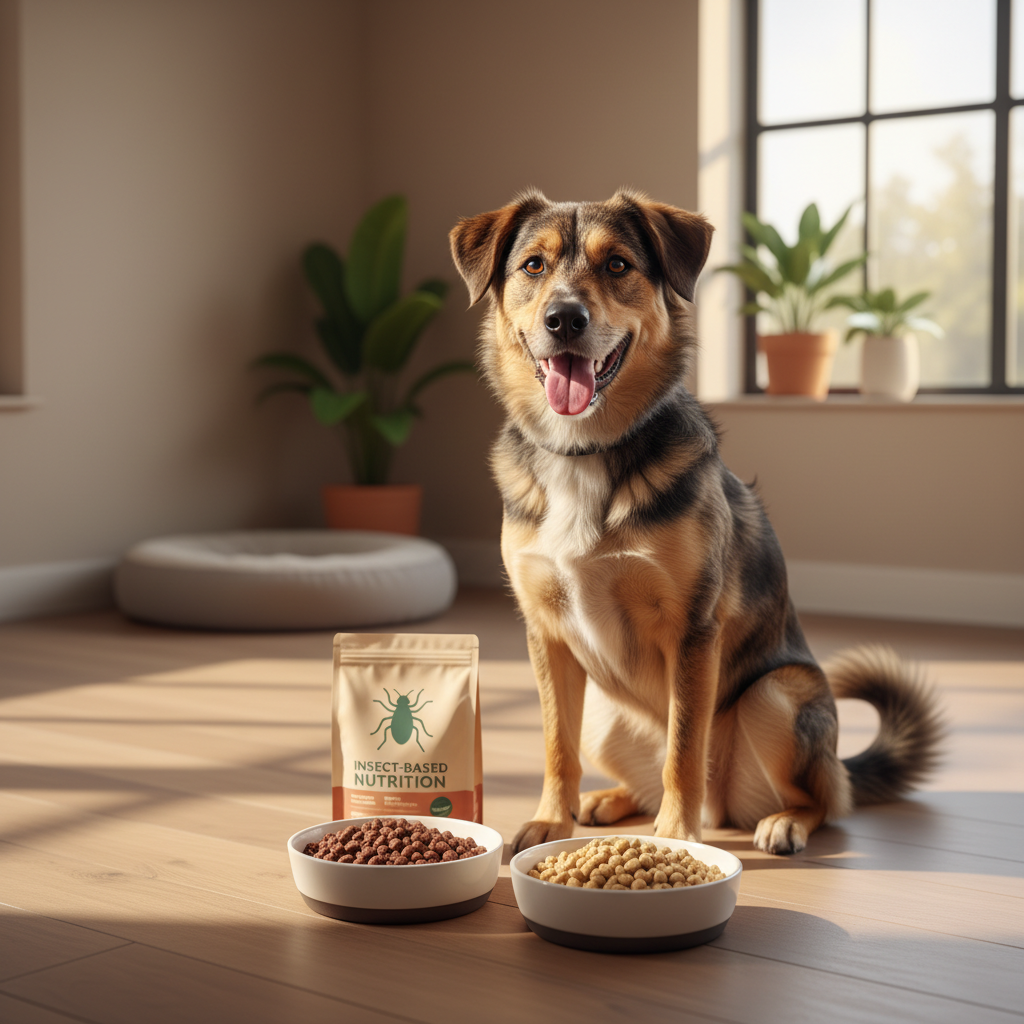
Canadian dog owners face unique challenges when choosing between raw, gently cooked, and freeze-dried diets, from frigid winter storage to CFIA regulations. This guide compares all three formats with Canadian pricing, metric portions, and climate considerations.
Key Takeaways for Canadian Dog Owners
- Raw food preserves natural enzymes and nutrients but carries the highest bacterial contamination risk. The Canadian Veterinary Medical Association (CVMA) aligns with global veterinary consensus discouraging unprocessed raw protein for pets.
- Gently cooked food significantly reduces pathogen risk while retaining more nutrients than traditional kibble, and suits Canadian households with children or elderly family members.
- Freeze-dried food offers excellent shelf life and nutrient retention, a practical advantage for remote or northern Canadian communities, but freeze-drying alone does not eliminate all pathogens.
- Estimated daily cost in CAD for a 23 kg dog: roughly $4 to $9 for gently cooked, $7 to $14 for raw, and $11 to $20 for freeze-dried.
- Dogs with compromised immunity, puppies, and senior dogs typically benefit from cooked or pathogen-tested options rather than unprocessed raw diets.
Why Processing Method Matters for Canadian Dogs
Interest in fresh and minimally processed dog food has surged across Canada, driven by owners seeking alternatives to heavily processed kibble. However, "minimally processed" encompasses several distinct approaches. Raw, gently cooked, and freeze-dried diets differ meaningfully in pathogen risk, nutrient preservation, convenience, and cost. For Canadian owners, climate extremes, regulatory frameworks, and local sourcing options add further layers to the decision.
The CVMA, along with international bodies such as the World Small Animal Veterinary Association (WSAVA), has issued guidance on raw and undercooked diets. The Canadian Food Inspection Agency (CFIA) also regulates commercially manufactured pet food under the Safe Food for Canadians Act, which sets standards for labelling, safety, and import requirements. These positions inform the recommendations throughout this guide.
Comparison Table: Raw, Gently Cooked, and Freeze-Dried
| Factor | Raw | Gently Cooked | Freeze-Dried |
|---|---|---|---|
| Nutrient Retention | Very high; enzymes and heat-sensitive vitamins intact | High; low-temperature cooking preserves most nutrients, though some heat-sensitive vitamins may decrease | Very high; studies suggest up to 95 to 97% of raw nutrient value preserved |
| Pathogen Risk | Highest: Salmonella, Listeria, E. coli, Campylobacter documented in CFIA recalls | Low: cooking to safe internal temperatures eliminates most pathogens | Moderate: freeze-drying can leave dormant bacteria that reactivate upon rehydration |
| Shelf Life | Short; must be refrigerated or frozen, used within 2 to 3 days once thawed | Moderate; typically 5 to 7 days refrigerated, longer if frozen | Long; shelf-stable for months to over a year unopened |
| Convenience | Low: requires safe handling, thawing, cold storage | Moderate: premade options exist; homemade requires batch cooking | High: lightweight, portable, simple rehydration |
| Daily Cost in CAD (23 kg dog) | $7 to $14 | $4 to $11 (homemade on the lower end, premade higher) | $11 to $20 |
| Palatability | Very high for most dogs | High; cooking enhances aroma | High once rehydrated; some dogs accept it dry as a topper |
| Travel Friendliness | Poor: requires cooler or freezer access | Moderate: can be frozen and transported in insulated bags | Excellent: ideal for cabin trips, camping, or long drives across provinces |
Canadian Climate and Storage Realities
Canada's extreme temperature range creates unique storage considerations that owners in more temperate climates rarely face.
Winter Storage (October to April in Much of Canada)
When outdoor temperatures in cities like Winnipeg, Edmonton, or Ottawa regularly drop to -20°C or colder, garages and unheated mudrooms may seem like natural freezers for raw food. However, temperature fluctuations during chinooks in Alberta or mid-winter thaws across Ontario can cause partial thawing and refreezing, which promotes bacterial growth. Dedicated chest freezers in temperature-controlled spaces remain the safest option for raw diet storage.
Gently cooked food that has been portioned and frozen handles these conditions well, provided it is thawed in the refrigerator rather than at room temperature. Freeze-dried food is largely unaffected by cold, making it the simplest option for winter storage.
Summer Considerations
During humid summer months in Ontario, Quebec, and the Maritimes, raw food left in bowls can reach unsafe temperatures within 20 to 30 minutes on days above 25°C. Outdoor feeders should bring bowls inside promptly. Freeze-dried food, once rehydrated, should be treated as perishable in summer heat and refrigerated if not consumed within 30 to 45 minutes.
Nutritional Profiles: What Each Format Preserves
Raw Diets
Raw feeding aims to offer uncooked muscle meat, organ meat, bones, and sometimes vegetables. The primary nutritional advantage is full preservation of heat-sensitive nutrients, including certain B vitamins, natural enzymes, and amino acids. Many Canadian raw feeders source proteins like bison, elk, or wild-caught salmon, which are locally available in many provinces.
However, nutritional completeness is not guaranteed. Homemade raw diets frequently show calcium-to-phosphorus imbalances and variable vitamin D levels when analysed. The CVMA recommends that any homemade diet be formulated with input from a board-certified veterinary nutritionist (holding a DACVN credential) to avoid long-term deficiencies.
Gently Cooked Diets
Gently cooked diets use low-temperature cooking, typically below 93°C, to reduce pathogen load while minimising nutrient degradation. Some water-soluble vitamins, particularly B1 (thiamine) and vitamin C, may decrease during cooking. Reputable manufacturers compensate by supplementing these back in controlled amounts. Several Canadian subscription services now deliver premade gently cooked meals directly to homes in major metro areas including Toronto, Vancouver, Calgary, and Montreal.
Freeze-Dried Diets
Freeze-drying removes moisture through sublimation (converting ice directly to vapour under vacuum), preserving around 95 to 97% of the nutritional value of raw ingredients. This is particularly appealing for owners in remote or northern Canadian communities where fresh food delivery is inconsistent or prohibitively expensive. A bag of freeze-dried food shipped to Yellowknife or Whitehorse arrives shelf-stable and ready to use with just water.
The critical point: freeze-drying is a preservation method, not a food safety step. Some brands incorporate high-pressure pasteurisation (HPP) before freeze-drying. Checking labels for this step is especially important for Canadian pet owners, as the CFIA has issued multiple recalls on raw and freeze-dried pet food products over recent years.
Bacterial Safety and Canadian Regulations
The CFIA maintains a publicly searchable database of pet food recalls. In recent years, multiple recalls of raw and freeze-dried dog food products sold in Canada have involved Salmonella, Listeria monocytogenes, and E. coli. Owners can subscribe to CFIA recall alerts to stay informed.
The CVMA's position aligns with international veterinary consensus: feeding unprocessed animal-source protein poses a documented risk to both pets and household members. Dogs that appear clinically healthy can shed pathogens in their stool and saliva, creating zoonotic exposure for family members.
This concern is amplified in Canadian households where dogs share close indoor space for extended periods during long winters. A dog licking a child's face after eating raw food in a heated, enclosed home presents a more concentrated exposure risk than the same scenario outdoors in mild weather.
ASPCA Animal Poison Control / Local Emergency Vet
Call the ASPCA Poison Control hotline (also serves Canada) or contact your nearest emergency veterinary hospital.
The ASPCA hotline charges a consultation fee. For non-poison emergencies, search for a 24-hour veterinary hospital in your city.
Safety Ranking
- Lowest risk: Gently cooked food prepared to safe internal temperatures (74°C for poultry-based recipes).
- Moderate risk: Freeze-dried food, especially without HPP or another validated kill step.
- Highest risk: Raw food, whether commercially prepared or homemade. CFIA recall data confirms ongoing contamination events.
Cost Breakdown in Canadian Dollars
Prices below reflect approximate 2025 to 2026 CAD costs for feeding a moderately active 23 kg adult dog using commercially available products in Canadian retail and online markets.
Raw (Commercial Premade): $7 to $14 per Day
Homemade raw can be less expensive when proteins like chicken frames or beef trim are sourced from local butchers or farms, but this introduces the variable of nutritional balancing. Veterinary nutritionist consultations in Canada typically cost $250 to $500 per custom formulation.
Gently Cooked (Commercial Premade): $4 to $11 per Day
Homemade gently cooked is the most affordable fresh-food option, often running $3 to $7 per day when ingredients are purchased strategically. Batch cooking on weekends and freezing portions for the week suits busy Canadian households well.
Freeze-Dried: $11 to $20 per Day
The premium reflects expensive sublimation processing and high-quality proteins. Many owners reduce costs by using freeze-dried food as a topper (roughly 25% of the meal) combined with quality kibble or gently cooked base, bringing the added daily cost to approximately $3 to $6.
Hidden Costs to Consider
- Freezer space and energy: Electricity costs for running a dedicated chest freezer in Canada average $50 to $80 per year depending on province and energy rates.
- Veterinary nutritionist fees: Homemade diets benefit from professional formulation ($250 to $500 per consultation in Canada).
- Supplements: Many raw and cooked diets require added calcium, omega-3 fatty acids, or vitamin and mineral premixes, adding $20 to $60 per month.
- Shipping to remote areas: Owners in northern or rural communities may face significant shipping surcharges for fresh or frozen food delivery.
Which Dogs Benefit Most from Each Format?
Raw Diets May Suit
- Adult dogs in robust health with no chronic conditions, living in households without immunocompromised members.
- Working breeds common in Canada, such as Labrador Retrievers, Siberian Huskies, or German Shepherds, where owners report anecdotal improvements in stamina (though controlled studies are limited).
- Dogs with specific food intolerances where a simplified raw protein rotation has helped identify triggers under veterinary supervision.
Gently Cooked Diets May Suit
- Puppies and senior dogs who benefit from pathogen-reduced, nutrient-dense, highly digestible food.
- Dogs recovering from illness or surgery.
- Households with young children, elderly residents, or immunocompromised individuals.
- Dogs with gastrointestinal sensitivities, including breeds like Golden Retrievers and Bernese Mountain Dogs that are predisposed to digestive issues.
Freeze-Dried Diets May Suit
- Owners who frequently travel, camp, or visit cabins across Canada's vast distances where refrigeration may be unavailable.
- Residents of remote or northern communities where fresh food delivery is unreliable.
- Dogs transitioning from kibble to fresh food, as freeze-dried serves as a convenient introductory step.
- Multi-pet households where storage simplicity matters, particularly in smaller urban condos in cities like Toronto or Vancouver.
Canadian Sourcing and Quality Considerations
- Look for AAFCO complete and balanced statements on commercial products. While Canada does not have its own equivalent of AAFCO, the CFIA recognises AAFCO nutrient profiles as the standard for nutritional adequacy claims on pet food labels sold in Canada.
- Check CFIA recall history: Before committing to a brand, search the CFIA recall database for any past contamination events involving that manufacturer.
- Verify protein sourcing: Named single proteins (e.g., "beef liver" rather than "meat by-products") indicate higher ingredient transparency. Many Canadian brands highlight locally sourced, hormone-free proteins from Canadian farms.
- For homemade diets: Consult a board-certified veterinary nutritionist (DACVN credential). The Ontario Veterinary College at the University of Guelph and the Western College of Veterinary Medicine at the University of Saskatchewan both have clinical nutrition services that can assist with diet formulation.
- Storage and handling: Follow manufacturer guidelines strictly. Even freeze-dried food, once rehydrated, should be treated as perishable and refrigerated if not consumed within 30 to 45 minutes.
Decision Checklist for Canadian Dog Owners
Choose Raw If:
- Your dog is a healthy adult with no chronic health issues.
- No household members are immunocompromised, elderly, or under five years old.
- You have dedicated freezer space in a temperature-controlled area (not an unheated garage subject to freeze-thaw cycles).
- You are willing to invest in veterinary nutritionist formulation for homemade diets.
- Your veterinarian supports the decision after evaluating your dog's individual health status.
Choose Gently Cooked If:
- You want fresh, whole-food nutrition with significantly reduced pathogen risk.
- Your household includes vulnerable individuals.
- Your dog is a puppy, a senior, or recovering from illness.
- Budget is a factor and you are willing to batch-cook at home on weekends.
- You spend long winter months indoors with your dog in close quarters, where minimising bacterial shedding matters.
Choose Freeze-Dried If:
- Portability and shelf life are priorities (provincial road trips, backcountry camping, cabin weekends).
- You live in a remote or northern community with limited fresh food delivery options.
- You plan to use it as a topper or rotational component rather than a sole diet.
- You select a brand that uses HPP or another validated pathogen reduction step.
Whichever format is chosen, monitoring the dog's body condition score, coat quality, energy levels, and stool consistency provides the most practical ongoing feedback. Regular veterinary check-ups, including bloodwork, help catch any nutritional gaps early. When switching between formats, a 7 to 10 day gradual transition (mixing increasing ratios of the new food with the old) helps prevent gastrointestinal upset.
Frequently Asked Questions
Is raw dog food legal in Canada? ↓
How much does fresh dog food cost per month in Canada? ↓
Can I store raw dog food in my garage during Canadian winters? ↓
Does the CFIA regulate freeze-dried dog food in Canada? ↓
Which fresh dog food format is safest for households with young children in Canada? ↓

Priya Nair
Dog Breed Advisor & Adoption Counsellor
Dog breed advisor and adoption counsellor — honest breed comparisons and lifestyle matching for prospective owners.
Content Disclosure
This article was created using state-of-the-art AI models with human editorial oversight. It is intended for informational and entertainment purposes only and does not constitute veterinary medical advice. Always consult a licensed veterinarian for your pet's specific health needs. Learn more about our process.