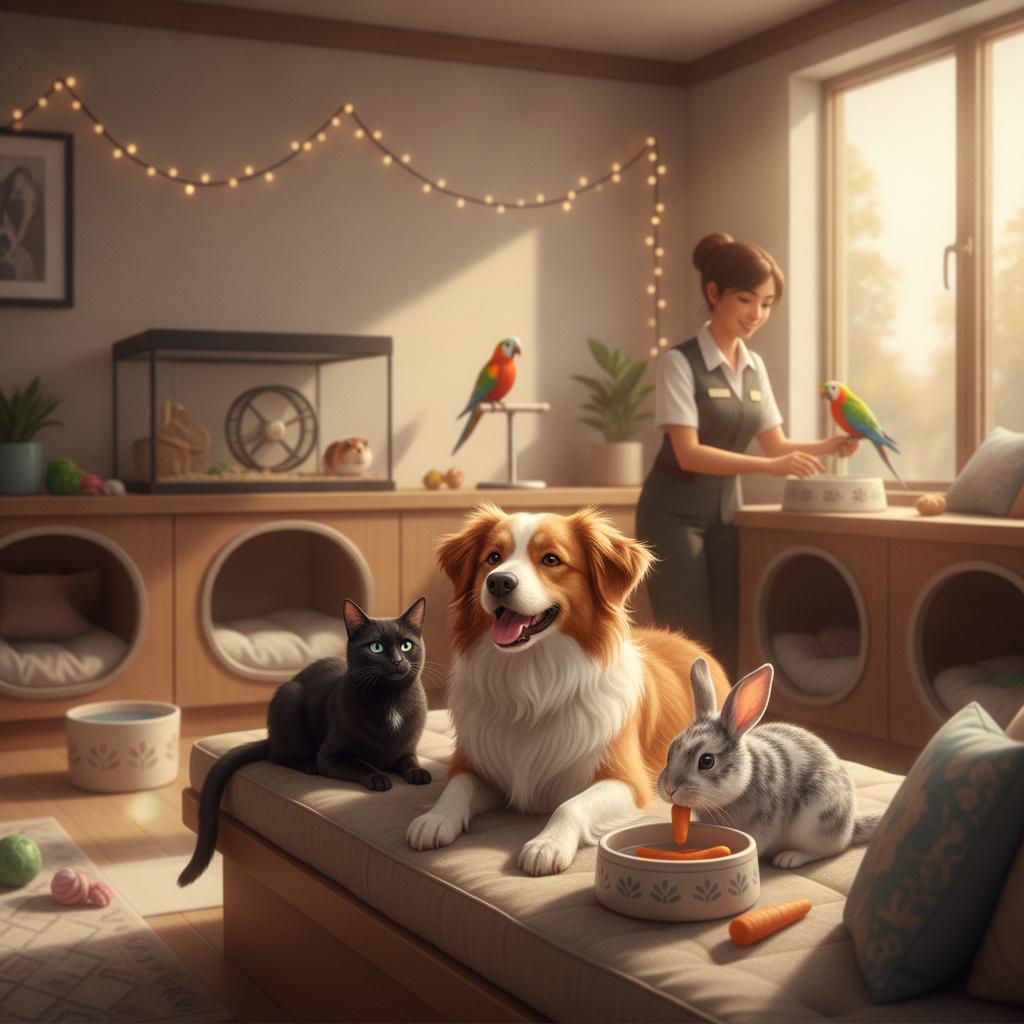
Differentiating between normal adjustment stress and clinical separation anxiety in kennel environments. A professional guide to physiological signs, threshold management, and intervention.
- Distress vs. Adjustment: Normal stress resolves within 24 hours; separation anxiety escalates or persists, often manifesting as self-injury or relentless vocalization.
- The Kennel Effect: The confinement of a boarding facility can compound separation distress with barrier frustration, altering how anxiety symptoms appear compared to the home environment.
- Silent Suffering: Not all anxious dogs destroy or bark. Some exhibit 'shutdown' behaviours like freezing, anorexia, or hyper-vigilance that require astute observation to identify.
- Professional Assessment: Severe cases require intervention from a veterinarian or Certified Applied Animal Behaviourist (CAAB) before future boarding attempts.
Placing a companion animal in a boarding facility involves a significant environmental shift. For many pets, this transition induces a manageable level of stress known as 'kennel stress' or adjustment anxiety. However, for animals suffering from clinical separation anxiety, the experience is not merely stressful but physiologically overwhelming. Distinguishing between a pet that is simply missing their routine and one experiencing a panic disorder is critical for their welfare.
Applied animal behaviourists emphasize that separation anxiety is not a training failure or a behavioural choice. It is an involuntary emotional state comparable to a human panic attack. When a pet with this condition is confined in a boarding environment, the symptoms can escalate rapidly, potentially leading to self-harm or long-term behavioural regression.
The Physiology of Panic in a Boarding Setting
When a pet experiences separation anxiety, their sympathetic nervous system floods the body with stress hormones, primarily cortisol and adrenaline. In a home environment, this often manifests as destruction of exit points (doors, windows) or house soiling. In a boarding kennel, where exit points are reinforced and the environment is novel, the manifestation of this panic changes.
Veterinary behaviourists use the Fear, Anxiety, and Stress (FAS) scale to quantify these reactions. A pet scoring high on the FAS scale during boarding is not 'acting out' out of spite. They are in a state of high arousal where learning and relaxation are physiologically impossible.
The Difference Between Homesickness and Anxiety
It is normal for a dog or cat to exhibit mild signs of stress during the first 24 hours of boarding. This might include:
- Minor appetite reduction
- Pacing during peak activity times
- Intermittent vocalization
However, clinical separation anxiety is characterized by the intensity and persistence of the symptoms. If a pet cannot settle after the initial adjustment period, or if the behaviours present an immediate risk to their physical safety, it moves beyond simple homesickness.
Identifying the Signs: The Visible and The Silent
While destroyed bedding is an obvious sign of distress, behaviourists urge owners and kennel staff to look for subtler indicators of panic.
1. Barrier Frustration and Escape Attempts
In a kennel run or suite, the anxiety often focuses on the barrier itself. This is distinct from barrier aggression (barking at passing dogs). An anxious dog is focused on the exit. Signs include:
- Rubbed or raw nose pads from pushing against crate wire or glass.
- Broken teeth or bleeding gums from chewing metal bars.
- Clawing at the threshold of the door until paws are bloodied.
2. Anorexia and Gastrointestinal Distress
A dog with adjustment stress might eat slowly or skip one meal. A dog with separation anxiety often refuses high-value treats entirely for days. The physiological 'fight or flight' response shuts down the digestive system. This can lead to rapid weight loss and stress colitis (bloody or mucous-filled diarrhea), which is often misdiagnosed as a parasitic infection or dietary indiscretion.
3. The 'Shutdown' State
Perhaps the most dangerous presentation is the dog that does nothing. These dogs are often labelled as 'good' or 'quiet' guests. Ethologically, this is known as learned helplessness or profound inhibition. The animal is so overwhelmed that they freeze. Signs include:
- Refusal to move from one corner of the kennel.
- Trembling when approached.
- 'Whale eye' (showing the whites of the eyes) and averted gaze.
- Failure to urinate or defecate for extended periods (retention).
For more on preparing a dog for a kennel environment to mitigate these risks, refer to our guide on boarding kennel preparation.
The Role of Routine and Enrichment
Standard boarding environments often strip away the predictability that anxious dogs rely on. The sudden loss of the owner—their primary safety signal—combined with the loss of routine creates a 'double hit' of anxiety.
High-quality facilities attempt to mitigate this through enrichment. However, owners must understand that for a dog with clinical separation anxiety, enrichment toys (like frozen food puzzles) are often ignored. The anxiety overrides the food drive. If a facility reports that a dog 'didn't touch their Kong,' it is a significant clinical indicator.
Social buffering
Some dogs cope better when housed with conspecifics (other dogs) or when allowed into playgroups. Social buffering can lower cortisol levels. However, an anxious dog may lack the social skills to communicate effectively, leading to conflicts. It is vital to assess if a dog is truly enjoying the interaction or merely tolerating it. See our behaviourist's assessment guide on group play readiness.
When Boarding Is Not an Option
There is a subset of companion animals for whom traditional boarding is contraindicated due to the severity of their anxiety. If a pet has a history of self-injury, panic-induced elimination, or escape attempts, a kennel environment may cause psychological trauma that takes months to undo.
In these cases, professional consensus recommends keeping the animal in their own home environment. This minimizes the variables changing at once. While the owner is still absent, the familiar scents, sounds, and routines remain. Hiring a professional pet sitter is often the necessary alternative. For a comparison of care options, review the guide on professional sitters vs. family favours.
Furthermore, ensure any professional entering the home is vetted not just for trustworthiness, but for their ability to recognize medical and behavioural emergencies. See our vetting guide on certifications to look for in professional walkers.
Post-Boarding Behavioural Assessment
The assessment of separation anxiety does not end when the pet is picked up. Owners should monitor their pet for the 'rebound effect' in the days following their return home.
- Velcro behaviour: Excessive following or clinging that persists for more than 48 hours.
- Regression in training: Renewed house soiling or destruction when left alone for short periods.
- Sleep disruption: Hyper-vigilance or inability to enter deep sleep.
If these behaviours persist, it suggests the boarding experience has sensitized the dog to separation, rather than habituating them. This is a clear signal that the current boarding arrangement is detrimental to the animal's mental health.
Professional Intervention and Management
If separation anxiety is suspected, the path forward involves a multi-modal approach. It is rarely solved by 'tough love' or forced exposure.
- Veterinary Consultation: Rule out pain or medical issues that could lower the threshold for anxiety. Discuss maintenance medication or short-acting anxiolytics specifically for boarding situations.
- Behaviour Modification: Work with a Certified Applied Animal Behaviourist (CAAB) to implement systematic desensitization protocols.
- Trial Stays: If boarding is necessary, conduct 'micro-stays' (e.g., 2 hours, then a half-day) to build positive associations with the facility before a long absence.
Recognizing separation anxiety in a boarded pet is the first step toward advocating for their welfare. It shifts the narrative from a 'badly behaved' dog to a suffering animal in need of support, patience, and a modified care plan.
Frequently Asked Questions
Does my dog have separation anxiety or just kennel stress? ↓
Can I board a dog with severe separation anxiety? ↓
What are the silent signs of anxiety in kennels? ↓
Will medication help my anxious dog during boarding? ↓

David Okafor
Certified Animal Behaviourist
Certified animal behaviourist — science-based strategies for fear, anxiety, reactivity, and behavioural challenges.
Content Disclosure
This article was created using state-of-the-art AI models with human editorial oversight. It is intended for informational and entertainment purposes only and does not constitute veterinary medical advice. Always consult a licensed veterinarian for your pet's specific health needs. Learn more about our process.