Canadian lakes and rivers pose unique spring hazards for dogs, from prolonged cold snowmelt to early cyanobacterial blooms. This guide covers water temperature risks, algae identification, life jacket fitting, and post-swim care tailored to Canadian conditions.
Key Takeaways for Canadian Dog Owners
- Canadian spring melt extends cold water risks well into June: Lakes and rivers across much of the country remain dangerously cold through May, and northern regions stay frigid even longer.
- Cyanobacteria advisories are issued provincially: Check your provincial or municipal water quality alerts before every outing, as blooms are increasingly common from late spring onward.
- Water below 10 °C is common in Canadian spring waterways: Even large, double-coated breeds face hypothermia risk in typical April and May conditions across most provinces.
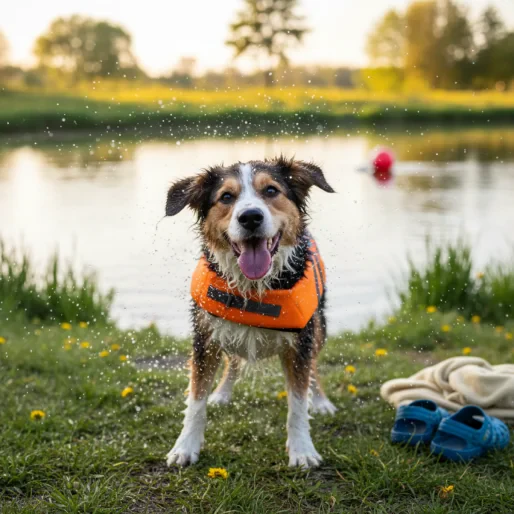
- A properly fitted canine life jacket is essential in open water with currents, thermoclines, or limited visibility.
- Post-swim ear drying significantly reduces the incidence of otitis externa, especially in floppy-eared breeds popular in Canada such as Golden Retrievers and Labrador Retrievers.
Why Spring Water Safety Demands Extra Attention in Canada
Canada's geography creates a prolonged and variable spring thaw. In British Columbia's Lower Mainland, rivers may begin rising in March, while lakes in Ontario cottage country and the Prairies often retain ice into late April or early May. Northern regions including much of Quebec, Manitoba, and the Territories may not see open water until June. This extended melt season means that the window of elevated risk (fast currents, frigid temperatures, unstable banks) is significantly longer than in more temperate climates.
The combination of eager dogs ready to exercise after long winters and waterways swollen with snowmelt creates a hazard pattern that veterinary emergency clinics across the country see reflected in spring caseloads. Prevention through consistent safety habits is far more effective, and far less costly, than emergency treatment. A single veterinary emergency visit in Canada can range from $500 to $3,000 CAD or more depending on the severity, and cyanotoxin poisoning or near-drowning cases often require intensive care.
The Canadian Veterinary Medical Association (CVMA) encourages owners to treat water safety as part of routine seasonal wellness, alongside spring vaccinations and parasite prevention.
Assessing Canadian Waterways Before Every Swim
Pre-Visit Site Check
Conditions at any open water site can shift dramatically between visits during Canadian spring. A brief, structured check before every session takes less than five minutes:
- Visual scan: Look for foam, unusual green or brown discolouration, floating debris, and surface scum. Spring runoff in agricultural regions (common in the Prairies, southern Ontario, and the Fraser Valley) can carry fertiliser and sediment that fuel algal growth.
- Odour check: A musty, earthy, or sewage-like smell near the waterline may indicate cyanobacterial activity.
- Current speed: Toss a stick or leaf into the water. If it moves faster than a brisk walking pace, the current is likely too strong for most dogs. Canadian rivers fed by mountain snowmelt (particularly in BC and Alberta) can surge to dangerous levels with little warning during warm spells.
- Entry and exit points: Verify gradual, non-slippery banks. Spring erosion from freeze-thaw cycles is common across Canada and can undercut banks that appeared stable days earlier.
- Provincial water quality advisories: Provinces including Ontario, Alberta, British Columbia, and Manitoba maintain online water quality monitoring. Many municipalities post advisories at popular recreation sites. A quick check of your provincial environment ministry website before leaving home is a reliable habit.
Weekly Gear Inspection
Life jackets, long lines, and leashes used near water degrade with exposure to UV, sand, and moisture. Canadian spring conditions (fluctuating temperatures, rain, and grit from winter road treatments) accelerate wear. Check buckle function, stitching integrity, and buoyancy foam condition weekly during swimming season.
Water Temperature: A Critical Canadian Concern
Water temperature is arguably the most underestimated spring hazard for Canadian dogs. While air temperatures may feel pleasant on a sunny May afternoon, lake and river water across most of the country remains well below safe swimming thresholds.
General Thresholds by Breed Size
Veterinary sports medicine and canine hydrotherapy guidelines offer useful benchmarks, though individual variation always applies:
- Small breeds and lean dogs (under approximately 10 kg): Water below 15 °C poses meaningful hypothermia risk. In most Canadian provinces, inland water does not reliably reach 15 °C until late May or June.
- Medium breeds (10 to 25 kg) with moderate coat: Brief, supervised sessions of 5 to 10 minutes may be tolerated in water between 12 °C and 15 °C, but close monitoring is essential.
- Large, double-coated breeds (e.g., Labrador Retrievers, Newfoundlands, Bernese Mountain Dogs): These breeds, deeply woven into Canadian culture and among the most popular in the country, generally tolerate water down to roughly 10 °C for short sessions. However, individual tolerance varies with age, fitness, and health status.
- Senior dogs and those with arthritis or chronic conditions: Regardless of size or coat, these dogs are more vulnerable to cold stress. Warmer water and shorter durations are advisable. For guidance on managing arthritic dogs during spring activities, see Senior Dog Arthritis: Spring Walk Guide.
Recognising Cold Stress
Watch for shivering, reluctance to re-enter the water, tucked tail, stiff or slow movement, and whining. If any of these signs appear, end the swim immediately, dry the dog thoroughly with absorbent towels, and move to a warm, sheltered area. A vehicle with the heater running works well as an emergency warming station. A dog that becomes lethargic, uncoordinated, or unresponsive after cold water exposure needs veterinary assessment without delay.
Blue-Green Algae in Canadian Freshwater
A Growing Problem Across Provinces
Cyanobacterial blooms have become increasingly frequent in Canadian lakes and slow-moving waterways. Environment and Climate Change Canada, along with provincial agencies, has documented rising bloom frequency linked to nutrient loading from agricultural runoff and warming water temperatures. Lake Winnipeg, Lake Erie's Canadian shoreline, and numerous smaller lakes across Ontario, Quebec, and the Prairies have experienced significant bloom events in recent years.
Identification
- Appearance: Blooms often resemble spilled green paint, pea soup, or thick greenish scum. Some species produce reddish-brown or blue-tinged mats.
- Texture: Scooping water into a clear container may reveal clumpy, granular, or stringy particles, distinct from the smooth filaments of harmless true algae.
- Shoreline residue: Dried, crusty, or paint-like residue along the waterline indicates recent bloom activity even if current conditions appear clear.
Toxicity: Why Minutes Matter
Cyanotoxins include hepatotoxins (such as microcystins, which attack the liver) and neurotoxins (such as anatoxin-a, which can cause respiratory paralysis). Dogs are at high risk because they readily drink water while swimming and lick contaminated fur afterward. Clinical signs can appear within 15 to 60 minutes and may include vomiting, diarrhoea (sometimes bloody), excessive drooling, seizures, muscle tremors, difficulty breathing, and collapse.
If any of these signs appear after water exposure, this is a veterinary emergency. Rinse the dog thoroughly with clean water and transport to the nearest emergency veterinary clinic immediately.
[LOCAL_VET_EMERGENCY_en-ca]
Life Jacket Fitting for Open Water
Even breeds renowned for swimming ability, including Newfoundlands and Labrador Retrievers, can tire unexpectedly, panic in currents, or be caught by spring chop. The CVMA and canine water safety resources recommend flotation devices for all dogs in open water.
Fitting Steps
- Measure carefully: Use the manufacturer's sizing chart. Measure girth at the widest part of the ribcage and length from the base of the neck to the base of the tail. If between sizes, the snugger option typically provides a more secure fit, provided it does not restrict breathing or shoulder movement.
- Secure all straps: Adjust neck, chest, and belly straps so the jacket cannot slide forward over the head or rotate sideways. You should be able to fit two fingers between each strap and the dog's body.
- Test the dorsal handle: Gently lift the dog by the handle on dry land. The jacket should hold evenly without riding up or compressing the throat.
- Check for chafing: Ensure full range of motion in the front legs. Chafing behind the forelegs is a common fit issue.
- Controlled water test first: Let the dog wear the jacket in shallow, calm water before any open water outing.
Post-Swim Ear Care
Floppy-eared breeds (Golden Retrievers, Cocker Spaniels, and similar) and dogs with narrow ear canals are especially prone to otitis externa after swimming. Trapped moisture in the warm, dark ear canal promotes bacterial and yeast overgrowth. Veterinary dermatology sources consistently identify swimming as a leading trigger for recurrent ear infections.
Ear Drying Protocol
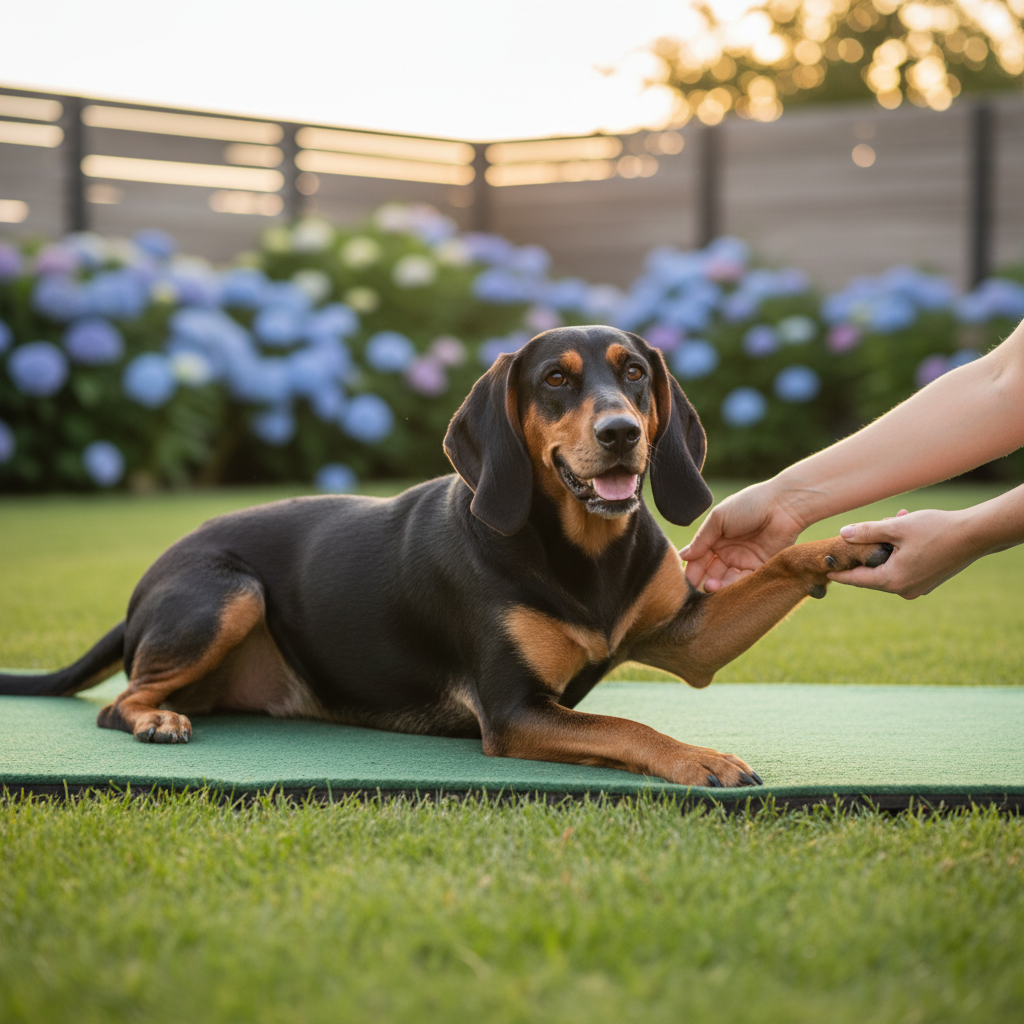
- Immediately after swimming, gently lift each ear flap and blot visible moisture from the inner flap and canal entrance with a soft, absorbent cloth or cotton ball. Do not insert anything deep into the ear canal.
- If a veterinarian has recommended an ear drying solution, apply as directed. These products typically contain a mild drying agent and sometimes an acidifier to maintain healthy ear pH.
- Allow air circulation by letting ear flaps remain open for a few minutes. For floppy-eared breeds, gently folding the flap back temporarily assists evaporation.
- Monitor for 24 to 48 hours: Head shaking, ear scratching, redness, odour, or discharge warrant a veterinary examination.
Leptospirosis: A Canadian Waterborne Risk
Leptospirosis, a bacterial infection spread through contaminated water (often via wildlife urine from raccoons, skunks, and rodents), is a growing concern in Canadian urban and rural areas. The CVMA notes that leptospirosis cases have increased across several provinces, particularly in southern Ontario, British Columbia, and Quebec. Dogs that swim in or drink from natural water sources are at elevated risk. Vaccination against leptospirosis is widely recommended by Canadian veterinarians for dogs with water exposure, and spring is an ideal time to confirm that this vaccine is current.
Seasonal Wellness and Nutrition for Swimming Dogs
Swimming is an excellent low-impact exercise that supports weight management, cardiovascular fitness, and joint health. However, swimming in cold Canadian spring water increases caloric expenditure. Dogs that swim regularly may benefit from a modest increase in caloric intake, adjusted with veterinary guidance.
Maintaining a healthy body condition score (ideally 4 to 5 on the standard 9-point scale) supports both performance and safety: underweight dogs lose body heat faster, while overweight dogs fatigue more quickly. For owners exploring functional nutrition, Mushroom Supplements for Dogs and Cats: 2026 Guide discusses supplements that may support immune and joint health.
Age-Specific Guidance
- Puppies (under 12 months): Introduce water gradually in shallow, calm, warm settings only. Avoid open water with currents. Ensure core vaccinations, including leptospirosis, are up to date before any natural water exposure. Canadian puppy vaccination schedules typically include lepto as a recommended addition to core protocols.
- Adult dogs (1 to 7 years): Healthy adults can enjoy regular open water swimming with proper safety measures. Annual wellness exams should include discussion of water-related risks.
- Senior dogs (7+ years, earlier for giant breeds): Swimming remains beneficial, but sessions should be shorter, water warmer, and recovery time longer. Biannual checkups are recommended to monitor joint health and cardiac function.
Essential Gear Checklist for Canadian Spring Swims
- Properly fitted canine life jacket
- Long line (5 to 10 metres) for initial introductions and recall reinforcement
- Fresh drinking water from home to discourage drinking from natural sources
- Absorbent towels and a wind-resistant drying area (a vehicle with the hatch open works well)
- Basic first aid kit: antiseptic wipes, styptic powder, thermal blanket
- Ear drying supplies: cotton balls and veterinarian-recommended drying solution
When to Seek Emergency Veterinary Care
Contact a veterinary clinic or emergency hospital immediately if a dog displays any of the following after open water exposure:
- Vomiting, diarrhoea, or appetite loss within hours of swimming
- Persistent shivering, lethargy, or weakness after thorough drying and warming
- Head shaking, ear scratching, redness, or foul odour within 24 to 72 hours
- Coughing, laboured breathing, or nasal discharge
- Skin irritation, hot spots, or rashes in skin folds or undercarriage areas
- Lameness or reluctance to move
Never adopt a wait-and-see approach with suspected cyanotoxin exposure. This is always an emergency.
[LOCAL_VET_EMERGENCY_en-ca]
Building a Safe Spring Routine
Canadian dog owners who treat water safety as a consistent, non-negotiable habit, rather than an afterthought, see the greatest benefits in their dogs' fitness, confidence, and overall health. A five-minute pre-swim site check, proper life jacket use, awareness of water temperature, and a quick post-swim ear drying protocol collectively address the most common and most serious spring water risks. Approached with care, open water swimming is one of the best forms of canine exercise available: low impact, cardiovascularly demanding, mentally enriching, and deeply enjoyable for the many water-loving breeds that thrive across Canada.
Frequently Asked Questions
When are Canadian lakes warm enough for dogs to swim safely? ↓
How can I check for blue-green algae advisories in my Canadian province? ↓
Is leptospirosis vaccination recommended for dogs that swim in Canadian waterways? ↓
Do all dogs need a life jacket for open water swimming in Canada? ↓
What should I do if my dog shows symptoms after swimming in a lake with algae? ↓

Lena Voss
Pet Wellness & Lifestyle Coach
Pet wellness and lifestyle coach — proactive fitness, weight management, and preventive care for healthier, happier pets.
Content Disclosure
This article was created using state-of-the-art AI models with human editorial oversight. It is intended for informational and entertainment purposes only and does not constitute veterinary medical advice. Always consult a licensed veterinarian for your pet's specific health needs. Learn more about our process.