Canine massage therapy supports muscle recovery, joint mobility, and post-exercise comfort in active dogs. This guide explains the physiology, signs to watch for, and when professional help is needed.
Key Takeaways
- Canine massage therapy works by increasing blood flow, reducing muscle tension, and stimulating the release of endorphins in dogs.
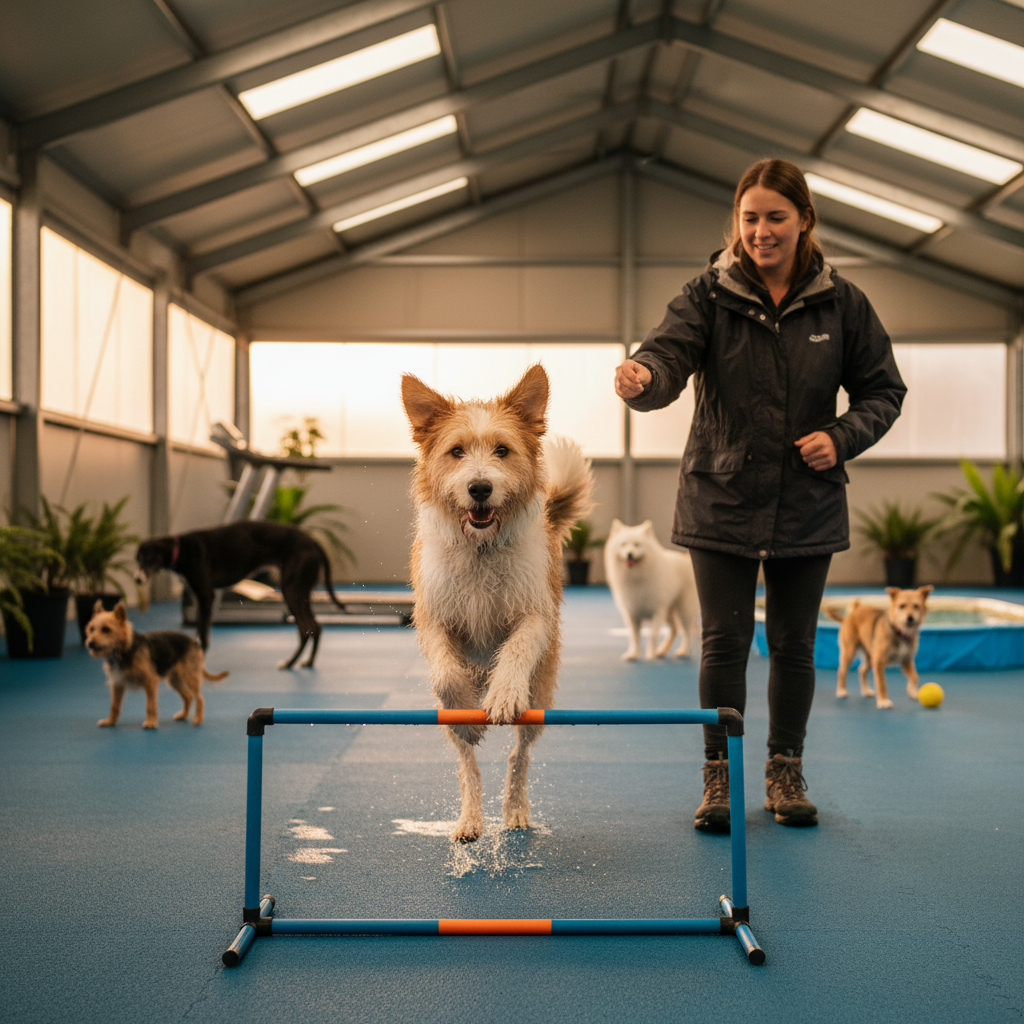
- Active dogs, especially those involved in agility, flyball, or extended hiking, benefit from targeted soft tissue work to support recovery.
- Owners can learn basic techniques for home use, but deeper therapeutic massage should involve a certified canine massage practitioner.
- Massage is not a substitute for veterinary diagnosis or treatment of injuries, arthritis, or orthopaedic conditions.
- Signs of post-exercise soreness in dogs are often subtle: stiffness after rest, reluctance to jump, or changes in gait.
What Happens Inside a Dog's Muscles During and After Exercise
When a dog runs, jumps, or performs repetitive athletic movements, the skeletal muscles undergo a cycle of contraction and relaxation that demands significant metabolic energy. Muscle fibres rely on adenosine triphosphate (ATP) for contraction. During intense or sustained activity, the demand for ATP can outpace aerobic supply, leading to anaerobic metabolism and a temporary accumulation of metabolic byproducts such as lactate and hydrogen ions.
This process is normal and resolves relatively quickly in healthy dogs. However, repeated high-intensity sessions, inadequate warm-up, or insufficient rest between activities can result in microtrauma to muscle fibres. These microscopic tears trigger a localised inflammatory response: the body sends white blood cells, nutrients, and fluid to the area to begin repair. This is the same basic mechanism seen in human delayed-onset muscle soreness (DOMS), though research into canine-specific DOMS is still developing.
Active dogs, particularly those participating in agility courses, dock diving, canicross, or herding work, place significant demands on their musculoskeletal systems. Over time, accumulated tension in the fascia (the connective tissue surrounding muscles) can restrict range of motion and contribute to compensatory movement patterns. This is where massage therapy enters the picture as a supportive recovery tool.
How Canine Massage Therapy Works: The Physiological Mechanisms
Increased Local Blood Flow
One of the primary mechanisms behind massage is mechanical pressure applied to soft tissue, which promotes vasodilation (widening of blood vessels) in the targeted area. Increased blood flow delivers oxygen and nutrients needed for tissue repair while helping to clear metabolic waste products. Studies in human sports medicine consistently demonstrate this effect, and veterinary physiotherapy literature supports a similar mechanism in dogs.
Reduction of Muscle Tension and Fascial Restriction
Sustained pressure and kneading techniques help release areas of increased muscle tone, sometimes referred to as "trigger points" or myofascial restrictions. In dogs, these areas commonly develop in the shoulders, lumbar region, hamstrings, and along the cervical spine, particularly in breeds that perform repetitive athletic movements. By softening these areas of tension, massage can help restore a more balanced, symmetrical gait.
Stimulation of the Parasympathetic Nervous System
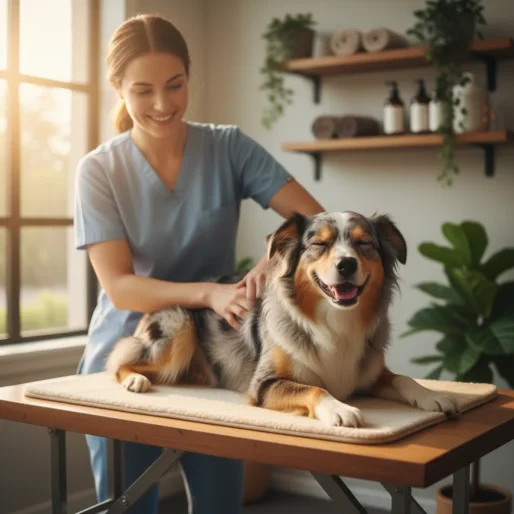
Massage activates the parasympathetic ("rest and digest") branch of the autonomic nervous system. This triggers a reduction in cortisol levels and an increase in endorphins and serotonin. Clinically, dogs receiving massage often show visible signs of relaxation: slower breathing, soft eyes, muscle release, and sometimes falling asleep during sessions. This neurochemical shift supports overall recovery and can be particularly beneficial for anxious or high-drive working dogs that struggle to "switch off" after intense activity.
Improved Lymphatic Drainage
The lymphatic system, which helps remove cellular waste and excess fluid from tissues, does not have its own pump. It relies on muscle movement and external pressure to circulate lymph fluid. Gentle, rhythmic massage strokes directed toward the lymph nodes can support this drainage process, helping to reduce post-exercise swelling in the limbs and joints.
Recognising Post-Exercise Soreness and Muscle Tension in Dogs
Dogs rarely show pain the way owners expect. They do not limp dramatically or cry out unless discomfort is significant. Subtle signs of post-exercise soreness and muscle tension include:
- Stiffness after rest: A dog that moves stiffly when first getting up after a nap but "warms out of it" within a few minutes is likely experiencing muscle soreness or early joint discomfort.
- Reluctance to jump or climb stairs: A previously eager dog that hesitates before jumping onto furniture or into a car may be protecting sore muscles or joints.
- Shortened stride: Watching a dog from the side during a trot can reveal a shortened stride length on one or more limbs, suggesting tension or discomfort.
- Postural shifts: A dog may shift weight off a sore limb, stand with a roached (arched) back, or adopt a wider stance than usual.
- Behavioural changes: Irritability when touched in certain areas, reluctance to play, or increased restlessness at night can all indicate discomfort.
- Excessive self-grooming: Licking or nibbling at a specific area can sometimes indicate underlying soreness rather than a skin issue.
These signs can overlap with more serious conditions such as osteoarthritis, ligament injuries, or intervertebral disc disease. If any sign persists beyond 48 hours after exercise, or worsens over time, a veterinary examination is warranted. For guidance on when symptoms need immediate attention, see recognising when symptoms require immediate vet attention vs. calm observation at home.
What the Research Says
Veterinary rehabilitation medicine has grown substantially over the past two decades, with canine massage therapy gaining recognition as a legitimate supportive modality. The American Veterinary Medical Association (AVMA) acknowledges veterinary physical rehabilitation as a clinical discipline, and many veterinary teaching hospitals now include massage and manual therapy in their rehabilitation protocols.
Research in this area, while still less extensive than in human medicine, offers encouraging findings:
- Studies have shown that massage can reduce physiological indicators of stress (such as elevated cortisol) in shelter and hospitalised dogs.
- Veterinary rehabilitation literature supports the use of soft tissue mobilisation as part of multimodal recovery programmes for post-surgical patients, particularly after orthopaedic procedures such as cruciate ligament repair.
- The University of Tennessee's veterinary rehabilitation programme, one of the most established in the field, incorporates manual therapy techniques including massage as standard components of canine physical rehabilitation plans.
It is important to note that high-quality, large-scale randomised controlled trials specifically examining massage as an isolated intervention in canine athletes remain limited. Most evidence comes from clinical observation, case series, and extrapolation from well-established human sports medicine research. Veterinary professionals generally view massage as a valuable complementary tool rather than a standalone treatment.
Types of Canine Massage Techniques
Effleurage
Long, gliding strokes using the flat of the hand, typically performed along the direction of muscle fibres. This is usually the opening and closing technique in a massage session, designed to warm tissues and promote relaxation.
Petrissage
Kneading, lifting, and rolling of muscle tissue. This technique targets deeper layers and is particularly useful for releasing tension in the large muscle groups of the shoulders, thighs, and back.
Compression
Steady, direct pressure applied to a muscle belly, held for several seconds. This helps increase local blood flow and can encourage the release of myofascial trigger points.
Friction
Small, circular movements applied with the fingertips across muscle fibres. Cross-fibre friction is used to break down adhesions in connective tissue and is particularly relevant for dogs recovering from soft tissue injuries, though it should only be performed by trained practitioners.
Passive Range of Motion (PROM)
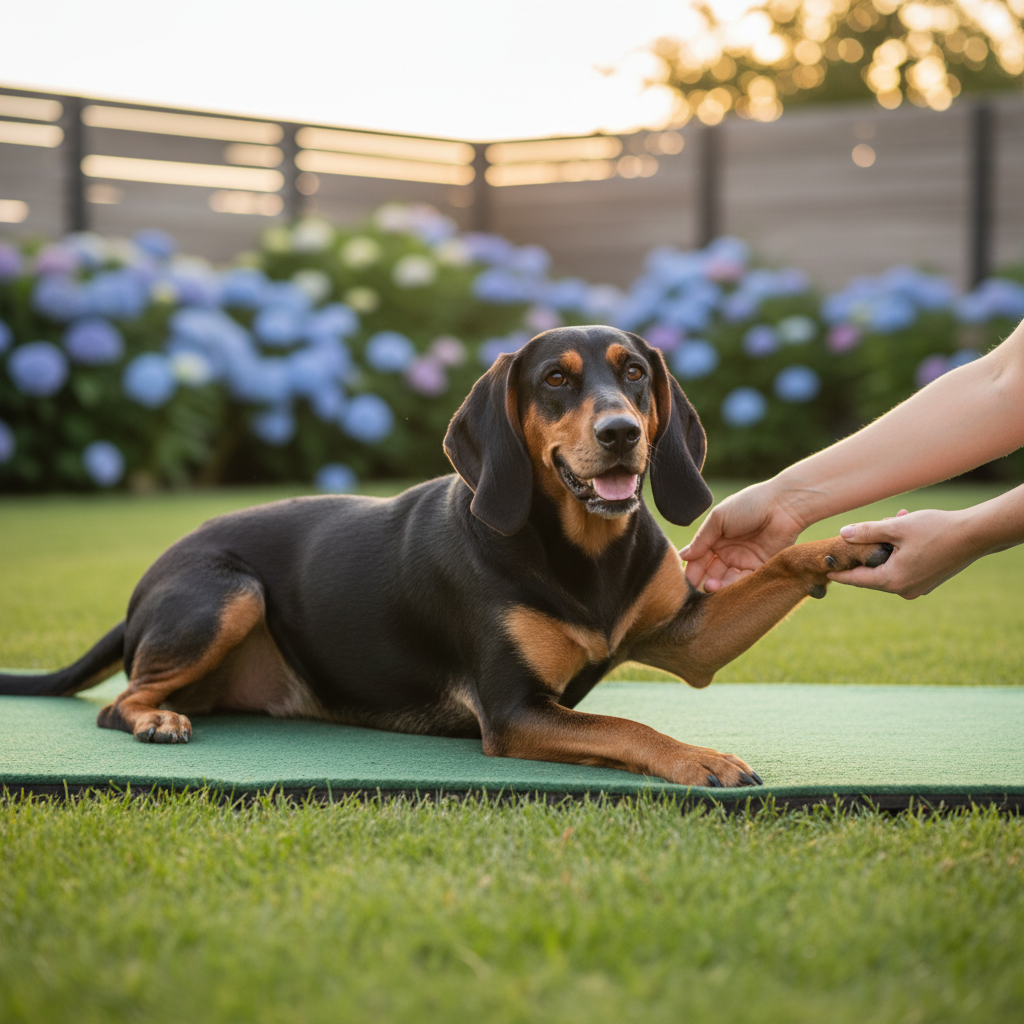
While technically a joint mobilisation technique rather than massage, PROM exercises are often incorporated into massage sessions. Gently flexing and extending each joint through its comfortable range helps maintain joint mobility and allows the practitioner to assess any restrictions or pain responses.
A Basic Home Massage Routine for Active Dogs
Owners can learn simple techniques to support their dog's recovery between professional sessions. The following routine is suitable as a general post-exercise cool-down. It is not a substitute for veterinary care or certified canine massage therapy.
- Start with calm contact: Place both hands gently on the dog's back and allow them to settle. Wait until breathing slows and muscles begin to soften.
- Effleurage along the spine: Using flat palms, glide slowly from the base of the skull to the base of the tail. Repeat five to seven times with gentle, even pressure.
- Shoulder circles: Place one hand on the shoulder blade and use gentle circular motions to warm the muscles of the shoulder region. Spend approximately one to two minutes on each side.
- Thigh and hamstring kneading: For the large muscles of the rear legs, use a gentle kneading motion (similar to kneading dough) with moderate pressure. Avoid pressing directly on bones or joints.
- Gentle limb strokes: Run your hands down each limb from shoulder or hip to paw, using light pressure. This supports lymphatic return.
- Finish with resting holds: Place your hands still on the dog's back or ribcage for 30 seconds to signal the end of the session.
A typical home session lasts 10 to 15 minutes. Always observe the dog's body language throughout. Signs of enjoyment include leaning into pressure, soft eyes, sighing, and relaxed posture. Signs of discomfort include pulling away, lip licking, yawning (as a stress signal), muscle tensing, or turning to look at or mouth the hand. Stop immediately if the dog shows discomfort and consult a veterinarian if a specific area consistently provokes a pain response.
Which Dogs Benefit Most
While any dog can benefit from gentle massage, the following groups tend to show the most notable improvements:
- Canine athletes: Dogs competing in agility, flyball, dock diving, or herding trials experience repetitive musculoskeletal stress comparable to human athletes.
- High-energy working breeds: Breeds such as Border Collies, Belgian Malinois, and German Shepherds that engage in sustained physical work benefit from structured recovery. Owners of these breeds may also find useful information in our guide on breed traits for high-energy working dogs.
- Senior dogs with reduced mobility: Massage supports circulation and comfort in older dogs managing age-related stiffness. For senior dogs with arthritis, gentle handling is essential, as explored in our article on grooming an arthritic dog at home.
- Dogs recovering from orthopaedic surgery: Under veterinary guidance, massage can be introduced as part of a structured rehabilitation programme following procedures such as TPLO or fracture repair.
- Large breed dogs: Larger breeds carry more weight on their joints and soft tissues, making recovery support particularly valuable. Many large breed dogs also face unique welfare considerations, as discussed in why large dogs stay longer in shelters.
When Massage Is Not Appropriate
There are specific situations where massage should be avoided or modified:
- Acute injuries: Do not massage an area with suspected fractures, acute ligament tears, or fresh surgical sites.
- Skin infections or open wounds: Massage over infected or broken skin can spread infection and cause pain.
- Fever or systemic illness: A dog that is unwell should not receive massage, as increased circulation can potentially worsen certain conditions.
- Tumours or masses: Never massage directly over known or suspected tumours without veterinary clearance.
- Acute inflammation: If a joint is hot, swollen, or acutely inflamed, massage to that area is contraindicated until a veterinarian has assessed the cause.
Choosing a Qualified Canine Massage Practitioner
Canine massage is not uniformly regulated across all regions, so owners should look for practitioners with verifiable credentials. Useful indicators of quality include:
- Certification from an accredited programme in canine massage therapy or veterinary physiotherapy.
- Membership in a professional body such as the International Association of Animal Massage and Bodywork (IAAMB) or the National Board of Certification for Animal Acupressure and Massage (NBCAAM).
- A requirement for veterinary referral or clearance before beginning treatment.
- Willingness to communicate with the dog's primary veterinarian about the treatment plan.
- Clear documentation of each session, including areas treated, techniques used, and any findings.
Professional pet sitters and daycare providers working with active dogs should also be aware of post-exercise recovery needs. Our guide to evaluating dog daycare play group management covers what to look for in facilities that manage active play sessions.
When to See Your Vet, and What to Ask
Massage is a supportive tool, not a diagnostic one. Veterinary consultation is recommended if:
- A dog shows persistent lameness or stiffness lasting more than 48 hours after exercise.
- There is visible swelling, heat, or pain response in any joint or limb.
- A previously active dog suddenly becomes reluctant to exercise.
- Home massage consistently reveals a specific area that provokes a pain response.
- The dog has a known orthopaedic condition (hip dysplasia, cruciate disease, spinal disc issues) and the owner wants to introduce massage as a complementary therapy.
Useful questions to ask the veterinarian include:
- "Would my dog benefit from a referral to a certified canine rehabilitation therapist?"
- "Are there any areas to avoid during home massage based on my dog's specific condition?"
- "Should we consider imaging (radiographs or ultrasound) to rule out an underlying structural issue?"
- "What other recovery strategies (controlled exercise, hydrotherapy, joint supplements) would complement massage for my dog?"
For owners navigating veterinary costs, understanding insurance coverage is important. Our article on what pet insurance actually pays out explains how to check whether rehabilitation therapies are covered under your policy.
Integrating Massage Into a Broader Recovery Plan
Canine massage therapy works best as one component of a holistic approach to keeping active dogs healthy. A well-rounded recovery strategy typically includes:
- Appropriate warm-up and cool-down: Five to ten minutes of controlled walking before and after intense exercise helps prepare muscles and support recovery.
- Adequate rest days: Just as human athletes schedule rest days, active dogs benefit from alternating high-intensity and low-intensity activity days.
- Proper nutrition: Adequate protein intake supports muscle repair. Enrichment feeding strategies, such as those described in our guide on food puzzles and scatter feeding, can make mealtimes both nutritious and mentally stimulating.
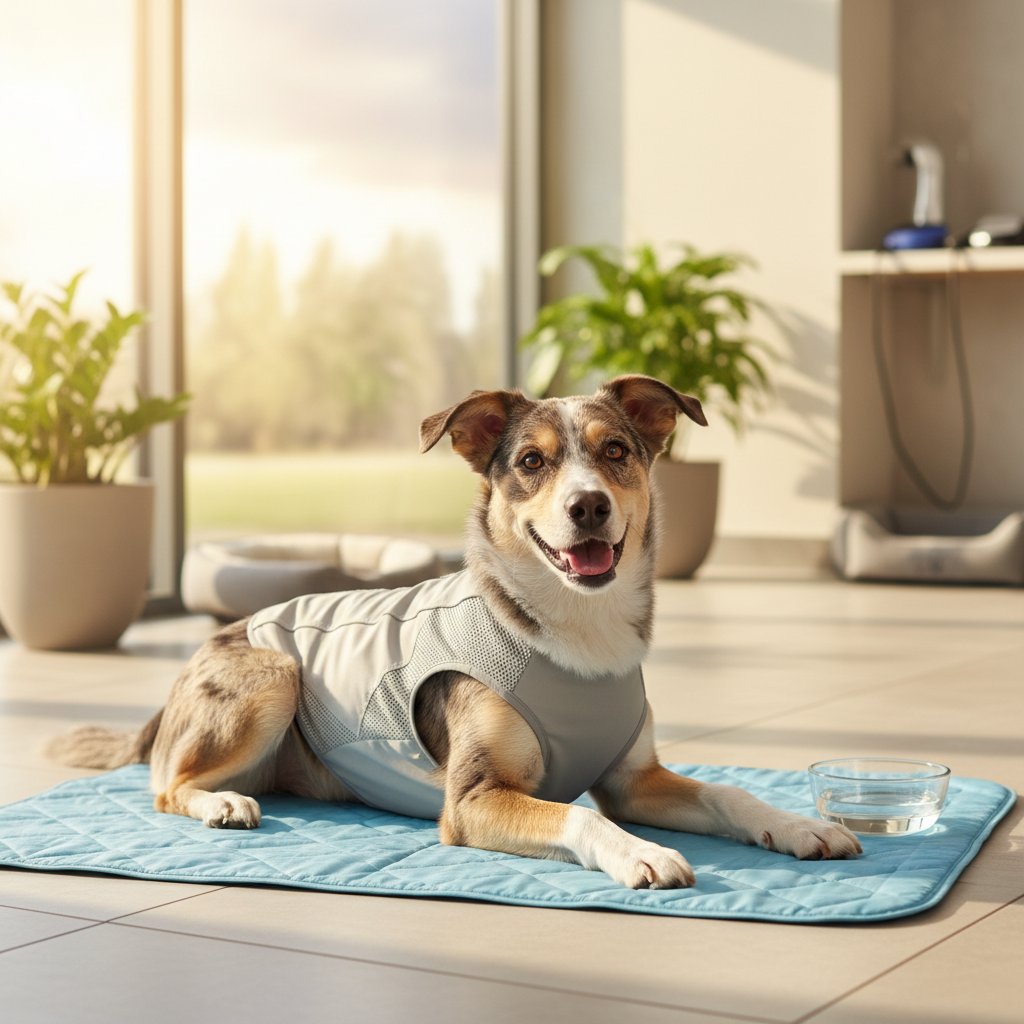
- Hydration: Ensuring access to fresh water before, during, and after exercise supports metabolic recovery.
- Environmental management: Providing supportive bedding, especially for dogs on hard floors, reduces pressure on joints and muscles during rest.
By combining regular massage with these foundational practices, owners can significantly support their active dog's long-term musculoskeletal health and comfort.
Frequently Asked Questions
Is canine massage therapy scientifically proven to help dogs recover from exercise? ↓
Can I massage my dog at home after exercise, or should only professionals do it? ↓
How can I tell if my dog is sore after exercise? ↓
Are there situations where canine massage should be avoided? ↓
What qualifications should a canine massage therapist have? ↓

Dr. James Harrington
Veterinarian & Pet Health Writer
Veterinarian and health writer — translating complex medical topics into clear, actionable guidance for pet owners.
Content Disclosure
This article was created using state-of-the-art AI models with human editorial oversight. It is intended for informational and entertainment purposes only and does not constitute veterinary medical advice. Always consult a licensed veterinarian for your pet's specific health needs. Learn more about our process.