Cat Health & Wellness
As a veterinarian, I often see cat owners struggle to interpret their feline's subtle health signals. Cats are masters at hiding illness, which makes proactive wellness care critical. In this section, I break down complex medical topics—from kidney function to dental hygiene—into actionable advice you can use at home. My goal is to empower you to spot early warning signs and understand the reasons behind your vet's recommendations, ensuring your cat receives the timely care they deserve.
Beyond treating illness, true wellness is about environmental enrichment, proper nutrition, and stress reduction. I focus on evidence-based strategies that support your cat's physical and emotional health. Whether you are managing a chronic condition like diabetes or navigating the first months with a new kitten, these resources provide the clinical accuracy of a vet visit with the clarity needed for home care.
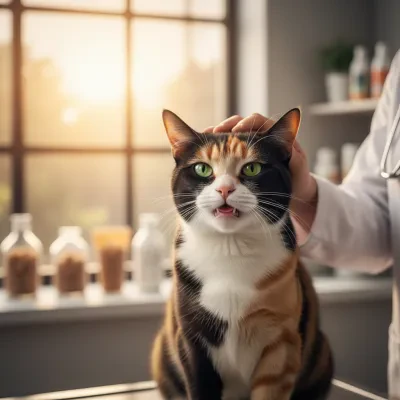

Summer Shedding Care for Long-Haired Cats in Turkey
Turkey's hot, dry summers trigger heavy moulting in long-haired cats, raising mat and hairball risk. This guide covers heat-driven shedding, daily de-matting, heat-safe bathing, and a practical weekly summer grooming routine.

Cat Hydration During Gulf Summer Power Blackouts
A practical nutrition guide to keeping indoor cats hydrated when Gulf summer heat and power cuts strike. Learn wet food, broth, and fountain strategies, safe feline electrolytes, and early dehydration signs.

Build a Safe Summer Catio: UK Planning Guide
A practical guide to building a cat patio suited to British summers, covering permitted development rules, materials for damp climates, and heat safety for increasingly warm UK weather.
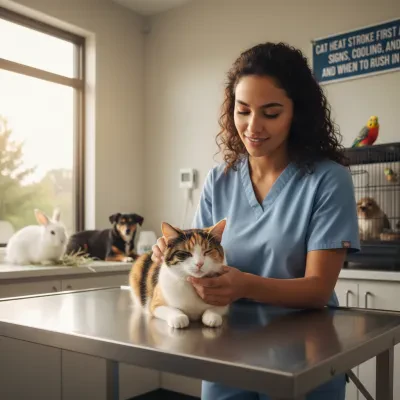
Cat Heat Stroke First Aid: Signs, Cooling, and When to Rush In
Cats hide heat stroke symptoms until organ damage begins. Learn safe cooling techniques, core temperature measurement, and when to seek emergency veterinary care.

Spring Lily Poisoning in Cats: A UK Emergency Guide
True lilies are fatally toxic to cats, and spring is peak risk season across the UK. This guide covers species identification, first aid, and how to access emergency veterinary care quickly.

Spring Enrichment Ideas for Indoor Cats in the UK
Keep your indoor cat stimulated during the British spring with enrichment ideas tailored to UK homes, climate, and regulations. From bird feeder stations suited to native wildlife to puzzle feeders and vertical climbing solutions, this guide covers it all.

Rescue Cat Outdoor Transition: A Spring Safety Guide
Transitioning a rescue cat from shelter life to outdoor access requires careful, graduated steps. This guide covers territory marking, neighbour cat conflicts, and the safety milestones to reach before unsupervised outdoor time.

Lily Poisoning in Cats: A Spring Emergency Guide
Certain lily species can cause fatal kidney failure in cats from the smallest exposure. Learn which lilies are lethal, how to act fast, and why every minute matters.
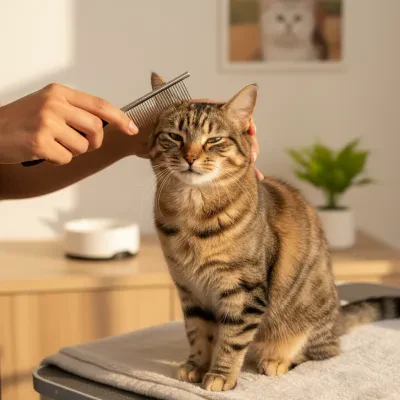
Spring Cat Allergies in the UK: Pollen, Fleas and Action
UK cats face a double threat each spring as pollen counts climb and flea populations surge. Learn how to tell pollen dermatitis from flea allergy dermatitis and when to seek veterinary help.

Why Hairball Season Peaks in Spring and How to Help
Spring triggers accelerated shedding in cats, leading to a surge in hairballs. A targeted grooming routine combined with dietary adjustments can significantly reduce frequency before problems escalate.

Heat Stress in Indoor Cats: When It's an Emergency
Indoor cats in warm climates without air conditioning face serious heat stress risks that owners often overlook. Learn to recognise the warning signs, deliver critical first aid, and know exactly when to rush to the emergency vet.

How the Feline Immune System Responds to Seasonal Environmental Change: Allergy Mechanisms, Skin Flares, and Why Spring Triggers Differ From Human Hay Fever
When spring arrives, cats with environmental allergies do not sneeze their way through pollen season the way humans do: their immune systems stage a cutaneous battle instead, producing skin flares, over-grooming, and characteristic lesions. This guide unpacks the science behind feline seasonal allergy, explains why the response differs so fundamentally from human hay fever, and outlines what owners and clinicians can do about it.