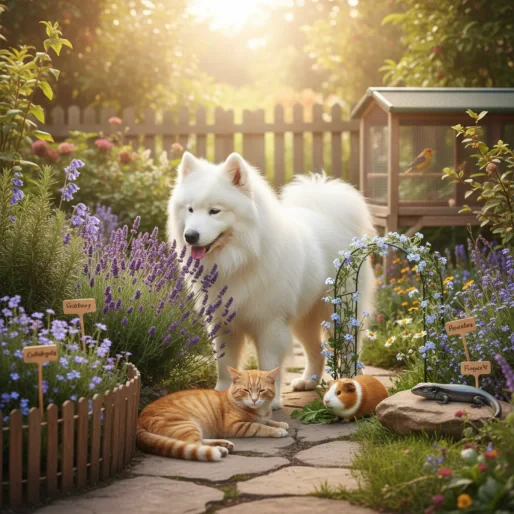
Design a lasting tribute to your companion using pet-safe British flora while adhering to UK burial regulations. This guide covers non-toxic plant selection, seasonal maintenance for the British climate, and legal considerations for homeowners and renters.
The Healing Power of a British Memorial Garden
For pet owners across the United Kingdom, the loss of a companion is a profound event. Veterinary professionals and bereavement counsellors, such as those at the Blue Cross, frequently highlight the therapeutic value of creating a physical tribute. A memorial garden offers a dedicated space for reflection, grounding the grieving process in the rhythms of nature. In the UK, where gardening is a national pastime, channelling grief into the cultivation of life can be particularly poignant.
However, the creation of such a space requires careful planning. It must balance the emotional need for beauty with practical safety considerations for surviving pets and local wildlife. British gardens are often shared spaces, and the flora selected must not pose a risk to dogs, cats, or the abundant wildlife that visits urban and rural green spaces alike. Furthermore, strict regulations regarding pet burial in the UK mean that owners must be well-informed before breaking ground.
This guide provides a comprehensive overview of creating a safe, legal, and thriving memorial garden suited to the British climate and regulatory landscape. If you suspect your current pet has ingested a toxic plant while you are working in the garden, contact your vet immediately or use this emergency resource:
Contact your registered vet's out-of-hours service or find your nearest Vets Now emergency clinic.
All UK vet practices must provide 24/7 emergency cover. Your vet's answerphone will direct you to the on-call service.
Understanding UK Pet Burial Laws
Before planting commences, many owners wish to bury their pet's ashes or body within the memorial space. Unlike in some jurisdictions, burying a pet in a garden is generally legal in the UK, provided specific conditions are met to protect public health and the environment.
Ownership Requirements: You must own the land where the pet is buried. Renters should not bury pets without explicit written permission from their landlord, as this can be considered a breach of tenancy agreements. For those in rented accommodation, container gardens or scattering ashes are recommended alternatives.
Environmental Agency Guidelines: To prevent contamination of groundwater, the following rules apply:
- The burial site must be at least 250 metres away from any well, borehole, or spring that supplies water for human consumption.
- The site must be at least 30 metres from any other spring or watercourse.
- There must be at least one metre of soil below the body.
Depth and Protection: Veterinary advice suggests burying the body at a depth of at least 1.25 metres (approximately 4 feet) in heavy soil to prevent scavenging by foxes or badgers. Covering the burial spot with heavy paving slabs or large stones before adding topsoil is a prudent measure to deter wildlife from digging.
Hazardous Substances: If the pet was treated with chemotherapy drugs or was euthanised with certain controlled substances, different rules may apply due to the risk of soil contamination. It is vital to consult your veterinary surgeon regarding the safety of burial in these specific clinical circumstances.
Critical Safety: British Flora to Avoid
The British climate supports a vast array of beautiful plants, but many common garden favourites are highly toxic to companion animals. The Veterinary Poisons Information Service (VPIS) frequently records incidents involving common UK garden plants. When designing a memorial, the exclusion of these species is the first step in ensuring the safety of current pets.
The Danger of Spring Bulbs
Spring in the UK is synonymous with daffodils, tulips, and bluebells. However, bulbs are concentrated sources of toxins.
- Daffodils (Narcissus): The bulbs contain lycorine, an alkaloid that triggers severe vomiting, diarrhoea, and cardiac arrhythmia. Even the water from a vase of daffodils can be toxic if drunk by a cat.
- Tulips (Tulipa): Tulips contain allergenic lactones. The bulbs are the most toxic part and are often dug up by curious dogs. Ingestion can lead to intense gastrointestinal irritation and depression.
- Snowdrops (Galanthus): While less toxic than daffodils, ingestion can still cause drooling, vomiting, and coordination issues.
Native and Naturalised Hazards
Some plants that grow wild or are cultivated in British cottage gardens pose severe risks:
- Foxglove (Digitalis purpurea): A common sight in British woodlands and gardens, every part of this plant contains cardiac glycosides. Ingestion of even a small amount can cause heart failure and death.
- Yew (Taxus baccata): Often used for hedging, Yew is one of the most toxic plants in the UK. The berries and needles cause rapid cardiac failure.
- Lilies (Lilium species): Extremely dangerous to cats. Ingestion of pollen groomed from fur, or drinking water from a vase, can cause fatal kidney failure. They should be strictly excluded from any garden accessible to cats.
- Ivy (Hedera helix): English Ivy is ubiquitous but contains saponins that cause drooling, vomiting, and diarrhoea if chewed.
Top Pet-Safe Plants for UK Memorials
Creating a safe haven does not mean sacrificing aesthetics. Many plants that thrive in the UK's temperate maritime climate are non-toxic and rich in symbolism.
1. Roses (Rosa species)
The rose is deeply embedded in British culture and serves as a classic symbol of love. Roses are non-toxic to cats and dogs. However, consideration should be given to thorns. Planting thornless varieties like the 'Zephirine Drouhin' climber can prevent physical injury to boisterous dogs. Roses require well-drained clay soils, common in many parts of the UK, and benefit from the country's regular rainfall.
2. Forget-Me-Nots (Myosotis sylvatica)
The name speaks for itself. These delicate blue flowers are a poignant choice for a memorial. They are non-toxic and self-seed freely, creating a recurring carpet of colour every spring. They thrive in damp, shady corners of British gardens where other plants might struggle.
3. Camellias (Camellia japonica)
Camellias are excellent evergreen shrubs that provide structure and privacy. They bloom in late winter and early spring, offering colour when the garden is otherwise dormant. This can be comforting for owners whose anniversaries of loss fall in the darker months. They prefer the acidic soil found in many UK regions and are safe for pets.
4. Lavender (Lavandula angustifolia)
English Lavender is a sensory delight. Its calming scent is known to relax both humans and dogs. It is drought-tolerant once established—useful for the increasingly hot, dry summers the UK is experiencing. It attracts bees and pollinators, bringing life to the memorial space.
5. Sunflowers (Helianthus annuus)
Sunflowers are non-toxic and symbolise loyalty. They are easy to grow from seed, making them an appropriate choice for families involving children in the grieving process. They require a sunny spot and protection from strong winds.
6. Fuchsias (Fuchsia species)
A staple of British hanging baskets and borders, Fuchsias are non-toxic and produce elegant, drooping flowers. They are versatile, growing well in pots or the ground, and can tolerate the cooler British summers better than many tropical annuals.
Designing for the British Climate
The UK climate is characterised by variability. A memorial garden must be resilient enough to withstand wet winters and potentially dry summers.
Drainage is Key: Heavy clay soil, common in the South East and Midlands, can become waterlogged in winter. This causes root rot and can disturb burial sites. Improving drainage by incorporating horticultural grit and organic matter is essential. For burial plots, ensuring the soil is free-draining helps natural decomposition and prevents waterlogging.
Wind Protection: In coastal areas or exposed northern regions, delicate blooms may be damaged by gales. Planting hardy, non-toxic hedging like Griselinia or using willow hurdles can create a sheltered sanctuary for both the plants and the owner seeking reflection.
Seasonal Interest: To ensure the garden remains a place of beauty year-round, structure the planting plan seasonally:
- Spring: Forget-me-nots and flowering currants (Ribes sanguineum).
- Summer: Roses, Lavender, and Snapdragons (Antirrhinum).
- Autumn: Asters and non-toxic ornamental grasses.
- Winter: Camellias and dogwood (Cornus) for colourful stems.
Options for Renters and Urban Dwellers
With a significant portion of the UK population living in rented accommodation or flats without garden access, permanent planting is not always possible. Container gardening offers a flexible solution.
The Portable Tribute: Large ceramic pots or wooden planters can be moved between properties. Use a high-quality, peat-free compost to align with UK sustainability goals. A 'patio rose' or a container of culinary herbs (rosemary, thyme, parsley) serves as a beautiful, living memorial that remains with the owner.
Public Memorials: Some local councils and pet cemeteries offer memorial rose bushes or plaques in dedicated parks. This can be a viable alternative for those unable to plant at home.
Wildlife-Friendly Features
A garden that supports local wildlife is a fitting tribute to an animal lover. However, interactions between pets and wildlife must be managed.
Hedgehogs: UK hedgehog populations are in decline. Creating a 'hedgehog highway' (a 13cm x 13cm gap in the fence) allows them to forage. Avoid using slug pellets, as metaldehyde is toxic to both dogs and hedgehogs. Instead, use copper tape or wool pellets to protect plants.
Water Sources: A shallow water bowl or solar fountain provides drinking water for birds and bees. Ensure it is kept clean to prevent the spread of diseases like trichomonosis in birds. Avoid chemical algae removers; barley straw is a safe, natural alternative for keeping water clear.
Safe Maintenance Practices
Maintaining a garden involves substances that can be hazardous. Veterinary clinics see a spike in poisoning cases during peak gardening weekends.
Fertilisers: Bone meal, blood meal, and fish blood and bone are excellent organic fertilisers, but they are highly palatable to dogs. Ingestion can cause severe vomiting, diarrhoea, and potentially fatal pancreatitis. Solid clumps can also cause bowel obstructions. If used, these must be dug well into the soil and the area covered until the scent dissipates. Liquid seaweed feeds are a safer alternative.
Mulch: Cocoa shell mulch is a byproduct of the chocolate industry and contains theobromine. It smells like chocolate, making it irresistible to dogs, but it is highly toxic. Safe alternatives include bark chippings (ensure they are not too large to pose a choking hazard) or composted leaf mould.
Compost Heaps: Mouldy food in compost bins can contain mycotoxins which cause tremors and seizures in dogs. Ensure compost bins are secure and inaccessible to pets.
Personalising the Space
Hard landscaping adds permanence to the garden. In the UK, natural stone like slate or sandstone weathers beautifully and fits the landscape.
- Engraved Stones: A slate plaque or a smooth river stone painted with non-toxic, weather-proof paint can mark a burial spot or a favourite sunbathing patch.
- Benches: A small wooden bench provides a place to sit. Teak or oak are durable choices for British weather. Treat wood with pet-safe preservatives that do not contain arsenic or creosote.
- Lighting: Solar-powered lights can illuminate the garden in the evening, creating a gentle atmosphere without the need for mains wiring, which requires armoured cabling to be safe from gnawing pests or pets.
Creating a memorial garden is an act of love that extends the bond shared with a pet. By adhering to UK safety guidelines and choosing flora that thrives in our unique climate, owners can build a lasting, living tribute that honours the past while protecting the present.
Frequently Asked Questions
Is it legal to bury my dog in my garden in the UK? ↓
Are daffodils poisonous to dogs and cats? ↓
What are the best pet-safe plants for a UK memorial garden? ↓
Can I use cocoa shell mulch in a garden with dogs? ↓
How deep should I bury a pet to prevent foxes digging them up? ↓

TrustMyPets Editorial Team
Global Pet Care Experts
Multi-disciplinary editorial team — evidence-based pet care guidance across health, behaviour, and welfare.
Content Disclosure
This article was created using state-of-the-art AI models with human editorial oversight. It is intended for informational and entertainment purposes only and does not constitute veterinary medical advice. Always consult a licensed veterinarian for your pet's specific health needs. Learn more about our process.