A comprehensive guide to canine hydrotherapy following joint surgery in the UK, covering costs in GBP, finding NARCH or CHA registered therapists, and what to expect from assessment through to recovery.
Key Takeaways
- Hydrotherapy uses the buoyancy, resistance, and warmth of water to help dogs rebuild strength and range of motion after joint surgery, placing far less stress on healing tissues.
- The two main modalities are the underwater treadmill (controlled gait training) and the therapeutic pool (free swimming for cardiovascular fitness and overall muscle engagement).
- Sessions typically begin two to four weeks post surgery, once the surgical wound has healed, and continue for six to twelve weeks or longer.
- In the UK, costs generally range from £25 to £65 per session, depending on location and facility type.
- Always obtain veterinary clearance before starting any aquatic rehabilitation programme, and check that your therapist is registered with a recognised body such as NARCH or the CHA.
Why Aquatic Rehabilitation Matters After Joint Surgery
Joint surgeries such as cruciate ligament repair (TPLO, TTA, or lateral suture), femoral head ostectomy (FHO), and total hip replacement demand weeks of careful rehabilitation. On land, a recovering dog bears full body weight on a healing limb, which can cause pain, compensatory gait patterns, and muscle guarding. Water changes the equation.
When a dog is submerged to hip level, buoyancy offloads roughly 60 percent of body weight. This allows controlled weight bearing exercises to begin much earlier than would be comfortable on dry ground. At the same time, the natural resistance of water forces muscles to work harder per stride, accelerating strength gains. Warm water (typically 28 to 32 °C) also promotes circulation and helps relax tight muscles.
The British Veterinary Association (BVA) and the Royal College of Veterinary Surgeons (RCVS) recognise rehabilitation, including hydrotherapy, as an important component of post surgical recovery. The National Association of Registered Canine Hydrotherapists (NARCH) and the Canine Hydrotherapy Association (CHA) set industry standards for therapist training and facility safety across the UK.
Underwater Treadmill vs. Therapeutic Pool
Underwater Treadmill
The underwater treadmill is an enclosed chamber that fills with temperature controlled water to a precise depth. The therapist adjusts water height, belt speed, and sometimes jet resistance. This modality excels at:
- Gait retraining: the moving belt encourages a normal, rhythmic stride pattern, which is especially important when a dog has been limping or non weight bearing for weeks.
- Targeted limb loading: water depth can be adjusted so the dog bears just the right percentage of body weight on the surgical limb.
- Controlled environment: the dog walks in a confined space, reducing the risk of sudden, uncontrolled movements.
Therapeutic Pool (Free Swim)
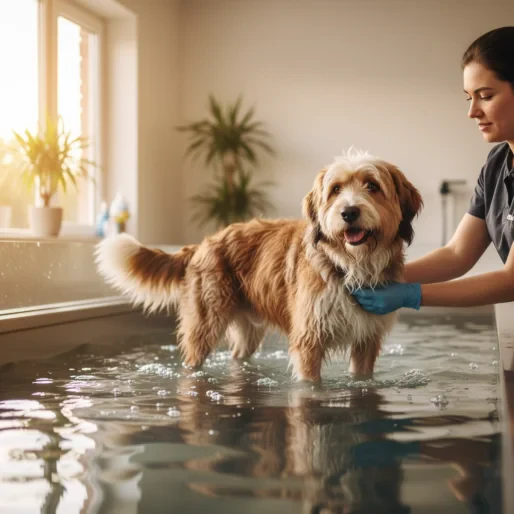
A heated therapeutic pool allows the dog to swim freely or with therapist support. Pool therapy is especially useful for:
- Cardiovascular conditioning: swimming elevates heart rate and builds endurance without joint impact.
- Full body muscle engagement: all four limbs, the core, and the neck work simultaneously.
- Range of motion: the kicking motion of swimming often achieves greater joint flexion and extension than walking.
Many UK rehabilitation plans combine both modalities, starting with the underwater treadmill for precision gait work in the early weeks and adding pool sessions as the dog progresses. Brachycephalic breeds (short nosed dogs such as Bulldogs, Pugs, and French Bulldogs) may do better with the treadmill, where their heads remain well above water at all times. Given the popularity of French Bulldogs in the UK, this is a particularly relevant consideration.
Preparation: What You Need Before the First Session
Step 1: Obtain Veterinary Clearance
No reputable UK hydrotherapy facility will accept a dog without a referral or written clearance from the treating veterinary surgeon. The vet must confirm that:
- The surgical incision is fully closed and free of infection.
- Any external fixation hardware (pins, external frames) is compatible with water immersion, or has been removed.
- The dog is medically stable, with no uncontrolled heart conditions, open wounds, active skin infections, or unmanaged seizure disorders.
Under the Veterinary Surgeons Act 1966, hydrotherapy for post surgical rehabilitation should be carried out under veterinary direction, meaning your vet remains involved throughout the treatment course.
Step 2: Gather Medical Records
Bring or have the vet send surgical reports, post operative radiographs (if available), and the current medication list. The hydrotherapist uses this information to design a safe, individualised programme.
Step 3: Home Preparation Checklist
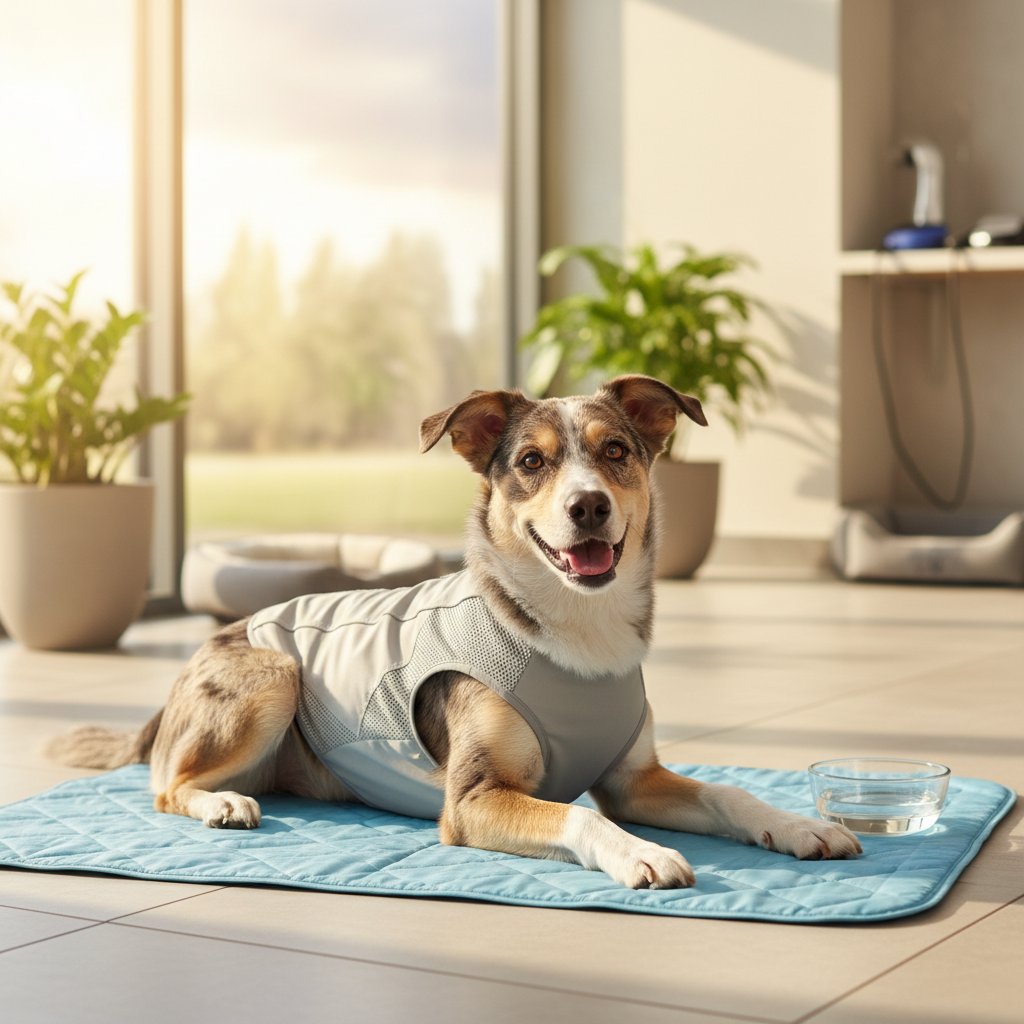
- Towels and a drying coat: dogs get cold quickly after a warm water session, particularly during the cooler UK months from October through to April. Pack at least two large towels and, ideally, a microfibre drying coat.
- Non slip lead: a short, non slip lead helps you control your dog safely on wet surfaces at the facility.
- Meal timing: feed a small meal at least two hours before the appointment. A full stomach combined with exertion in water can cause nausea.
- Ear care supplies: dogs prone to ear infections benefit from a veterinary approved ear drying solution used after each swim. Ask your vet for a recommendation.
- Familiar comfort item: a favourite toy or treat can help anxious dogs settle into the new environment.
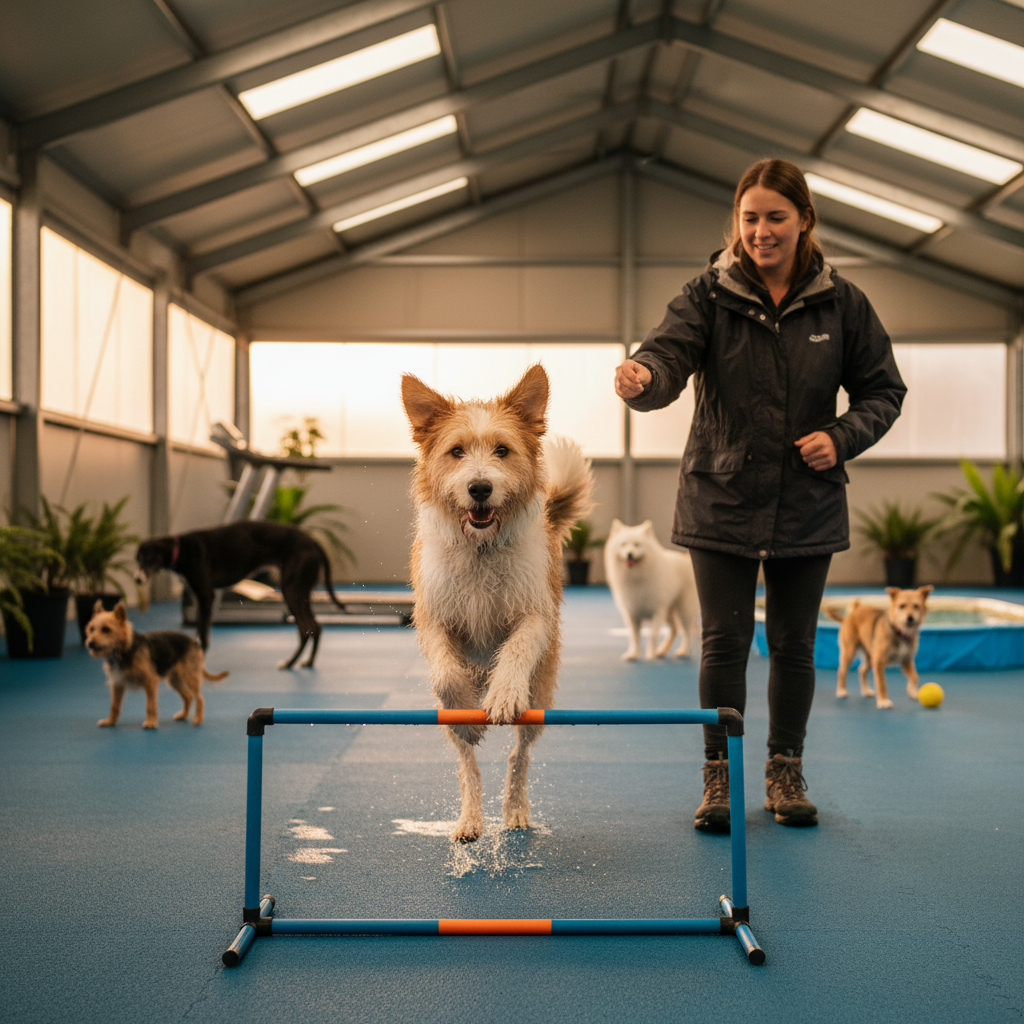
If your dog is also following a structured land based exercise programme, such as a progressive fitness plan, coordinate the schedule with your hydrotherapist so sessions complement rather than overlap high exertion days.
What Happens During Hydrotherapy Sessions
The First Appointment (Assessment Session)
The initial visit is typically longer than subsequent sessions, often 45 to 60 minutes, because it includes a thorough assessment:
- Health and history review: the therapist reviews veterinary notes, asks about the dog's current mobility, pain levels, and temperament around water.
- Physical assessment: the therapist observes the dog's gait on land, palpates the surgical limb, checks range of motion, and notes any muscle wasting (atrophy). Measurements of thigh or forearm circumference are often taken to track muscle rebuilding over time.
- Water introduction: for the underwater treadmill, the dog is guided into the dry chamber, the door is closed, and water fills slowly. For the pool, the therapist may carry or walk the dog in via a ramp. First time dogs are given plenty of time to acclimatise.
- Short initial exercise: the first water session is intentionally brief, typically three to eight minutes of actual exercise, to gauge the dog's response without causing fatigue or soreness.
- Post session evaluation: the therapist checks for signs of pain, excessive fatigue, or anxiety. Owners receive a summary and a proposed treatment plan.
Ongoing Sessions
Follow up sessions usually last 30 to 45 minutes in total, with 10 to 25 minutes of active water exercise. A typical progression:
- Weeks 2 to 4 post surgery: one to two sessions per week. Very low treadmill speed or gentle assisted swimming. Focus on gentle range of motion and pain free weight bearing.
- Weeks 4 to 8 post surgery: two to three sessions per week. Gradually increasing treadmill speed, water depth changes, or longer swim intervals. Muscle building becomes the priority.
- Weeks 8 to 12 and beyond: two sessions per week, tapering to one per week as the dog transitions back to normal land based activity. Emphasis on endurance, proprioception, and functional strength.
These timeframes are general. A large breed dog (such as a Labrador Retriever, one of the UK's most popular breeds and one commonly requiring cruciate surgery) recovering from a TPLO may need a longer programme than a smaller dog recovering from a patella luxation repair.
What to Watch for During and After Sessions
Positive Signs
- Willingness to use the surgical limb in water within the first few sessions.
- Gradual, steady improvement in stride length and symmetry.
- Measurable increase in muscle mass around the affected joint over weeks.
- The dog appears relaxed or even enjoys the water.
Warning Signs: When to Pause and Contact Your Vet
- Increased lameness after sessions lasting more than 24 hours.
- Swelling, heat, or redness at the surgical site.
- Behavioural changes: sudden reluctance to enter the water, vocalising during movement, or snapping when the limb is touched.
- Wound breakdown: any discharge, opening, or unusual odour from the incision.
- Excessive fatigue: the dog is unable to walk normally for the rest of the day after a session.
If you notice sudden complete non weight bearing on the surgical limb, the incision opening or bleeding, rapid or laboured breathing that does not resolve within 15 to 20 minutes, or signs of ear infection developing after a pool session, contact your veterinary practice immediately. [LOCAL_VET_EMERGENCY_en-gb]
Costs for Canine Hydrotherapy in the UK
UK pricing varies by region, with London and the South East typically at the higher end:
- Initial assessment session: £40 to £85. This longer appointment covers the evaluation and first water introduction.
- Standard follow up session (30 to 45 minutes): £25 to £65 per visit.
- Package deals: many facilities offer blocks of 6, 10, or 12 sessions at a discounted per session rate, typically saving 10 to 20 percent.
- Veterinary hospital based rehab: tends to be at the higher end but may include on site veterinary oversight and access to additional modalities such as laser therapy or therapeutic ultrasound.
Many UK pet insurance policies now cover hydrotherapy as part of complementary treatment when prescribed by a veterinary surgeon. It is worth checking your policy wording or contacting your insurer before the first appointment, as some policies require pre authorisation. For pet sitters or professionals managing post surgical care on behalf of clients, understanding insurance and liability is essential; the Pet Sitter Insurance and Bonding: UK Guide 2026 provides helpful context.
Finding a Qualified Canine Hydrotherapist in the UK
The quality of canine hydrotherapy provision in the UK varies. Look for the following indicators of a reputable therapist:
Step 1: Ask Your Veterinary Surgeon
The best referrals often come directly from the veterinary team. Orthopaedic surgeons who perform joint procedures regularly will know which local hydrotherapists produce consistent results.
Step 2: Check Professional Registration
In the UK, look for membership of:
- National Association of Registered Canine Hydrotherapists (NARCH): members must meet facility and training standards and undergo regular inspections.
- Canine Hydrotherapy Association (CHA): provides accreditation for therapists who meet defined competence criteria.
- Institute of Registered Veterinary and Animal Physiotherapists (IRVAP): for therapists with physiotherapy qualifications who also offer hydrotherapy.
Additionally, some therapists hold international qualifications such as Certified Canine Rehabilitation Practitioner (CCRP) or Certified Canine Rehabilitation Therapist (CCRT).
Step 3: Visit the Facility
Before booking, visit the centre and assess water quality and temperature monitoring systems, slip proof flooring around the pool and treadmill area, emergency protocols, staff to dog ratio during sessions, and general cleanliness.
Step 4: Ask the Right Questions
- How many post surgical cases do you handle per month?
- Do you communicate directly with my dog's veterinary surgeon?
- What does your treatment plan reporting look like?
- What happens if my dog's condition worsens during treatment?
Supporting Recovery at Home Between Sessions
Hydrotherapy is most effective as part of a broader rehabilitation plan. Between sessions, owners can support recovery by:
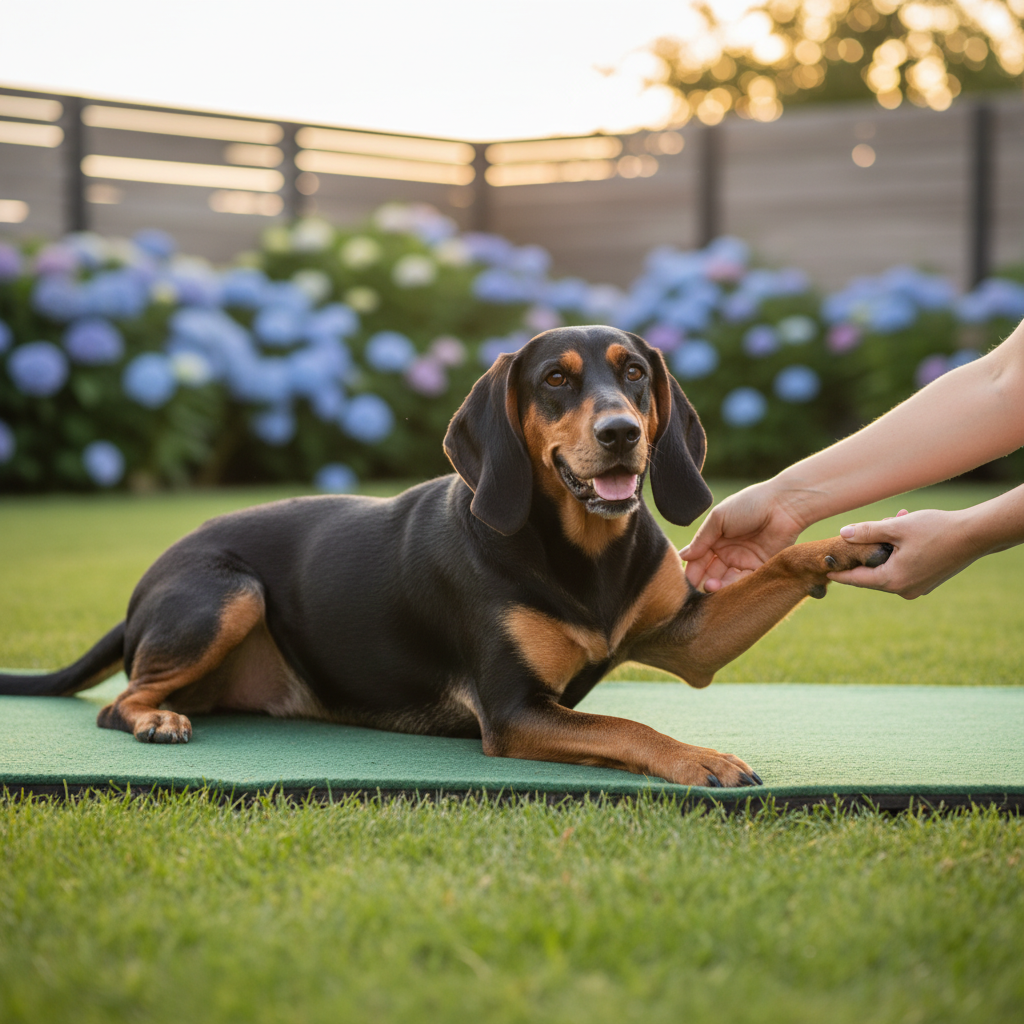
- Following prescribed home exercises (gentle range of motion, controlled lead walks on flat surfaces) as directed by the therapist or vet.
- Maintaining a healthy body weight to reduce joint stress. A dog weighing 35 kg that should weigh 30 kg is placing significant additional load on healing joints. A structured weight management and fitness plan can help.
- Monitoring the surgical limb daily for swelling, heat, or changes in the dog's willingness to use it.
- Keeping a simple recovery journal: note session dates, exercise duration, lameness score (on a scale of 0 to 5), and any observations.
During the wetter UK months, take extra care on muddy or slippery surfaces during lead walks, as a recovering dog is more vulnerable to slips. Non slip harnesses and supportive slings can help on difficult terrain.
For senior dogs, joint surgery recovery can sometimes coincide with early signs of cognitive changes. Owners of older dogs may also wish to review guidance on supporting cognitive health through diet as part of a holistic approach to ageing well.
If your dog will be swimming outdoors at any point during recovery (not recommended until full veterinary clearance), familiarise yourself with Spring Open Water Swimming Safety for Dogs in the UK. UK waterways can carry risks including leptospirosis and blue green algae, particularly during warmer months from late spring through autumn.
Breeds Commonly Requiring Hydrotherapy in the UK
While any dog can benefit from aquatic rehabilitation after joint surgery, hydrotherapy is particularly valuable for:
- Labrador Retrievers and Golden Retrievers: among the most popular breeds in the UK and commonly affected by cruciate ligament disease and hip dysplasia.
- German Shepherds and Rottweilers: large breeds that place significant mechanical load on healing joints.
- Springer Spaniels and Cocker Spaniels: active working and companion breeds prone to joint injuries.
- Overweight dogs of any breed, where buoyancy provides critical relief.
- Senior dogs with concurrent osteoarthritis, where gentle aquatic exercise maintains mobility without aggravating existing joint disease.
Some breed related predispositions to joint conditions can be identified through health screening. The British Veterinary Association, together with the Kennel Club, runs the BVA/KC Hip and Elbow Dysplasia Schemes, which help breeders and owners understand hereditary joint risks. Owners interested in genetic screening may also find the guide to AI pet DNA tests informative.
Frequently Asked Questions
Can my dog do hydrotherapy if they are afraid of water? ↓
How soon after surgery can hydrotherapy begin? ↓
Will my dog need hydrotherapy forever? ↓
Does pet insurance cover hydrotherapy in the UK? ↓
How do I check if a hydrotherapist is properly qualified? ↓

Emma Lawson
Practical Pet Care Educator
Practical pet home care specialist — clear, step-by-step guidance grounded in veterinary nursing standards.
Content Disclosure
This article was created using state-of-the-art AI models with human editorial oversight. It is intended for informational and entertainment purposes only and does not constitute veterinary medical advice. Always consult a licensed veterinarian for your pet's specific health needs. Learn more about our process.