Cold weather can turn a manageable condition into a painful crisis for senior dogs. Learn the 'warm-up, wrap-up, and keep moving' protocol to prevent stiffness and protect aging joints.
- Motion is Lotion: Inactivity increases stiffness; gentle, consistent movement is better than rest during cold snaps.
- The Warm-Up Rule: Never take a stiff senior dog directly from a nap into freezing air.
- Traction is Critical: Slipping on ice or hardwood floors causes micro-injuries that flare arthritis.
- Weight Management: Keeping your senior dog lean is the single most effective pain management tool.
As a canine fitness practitioner, the first cold snap of the year is always the busiest time in my inbox. Owners who thought their senior dogs were doing fine suddenly report that their pets are hesitating at the stairs, lagging behind on walks, or struggling to stand up after a nap.
It is not just 'old age' setting in overnight. Cold weather creates a specific physiological storm for arthritic joints. Drops in barometric pressure can cause tissues in the joints to expand, putting pressure on nerves, while cold temperatures reduce blood flow to the extremities and cause muscles to tighten, restricting range of motion.
However, we do not have to accept this decline as inevitable. With a proactive management strategy, we can keep our senior dogs mobile, comfortable, and active even when the temperature plummets.
The 'Motion is Lotion' Protocol
The biggest mistake I see owners make during freezing weather is stopping exercise entirely to 'protect' the dog. While well-intentioned, this often backfires. Synovial fluid, the natural lubricant in your dog's joints, needs movement to circulate effectively. When a dog sits still for days because it is cold, that fluid becomes more viscous, and the joints stiffen like rusty hinges.
The goal is not to stop moving; it is to modify how we move.
1. The Pre-Walk Warm-Up
Imagine waking up stiff and immediately running into a freezer. That is what happens when we take a senior dog from a warm bed directly to the icy pavement. Before the harness goes on, spend 5 minutes stimulating blood flow.
- Active Touch: Use flat palms to briskly rub the large muscle groups (shoulders, thighs, and back). This generates heat and brings blood to the surface.
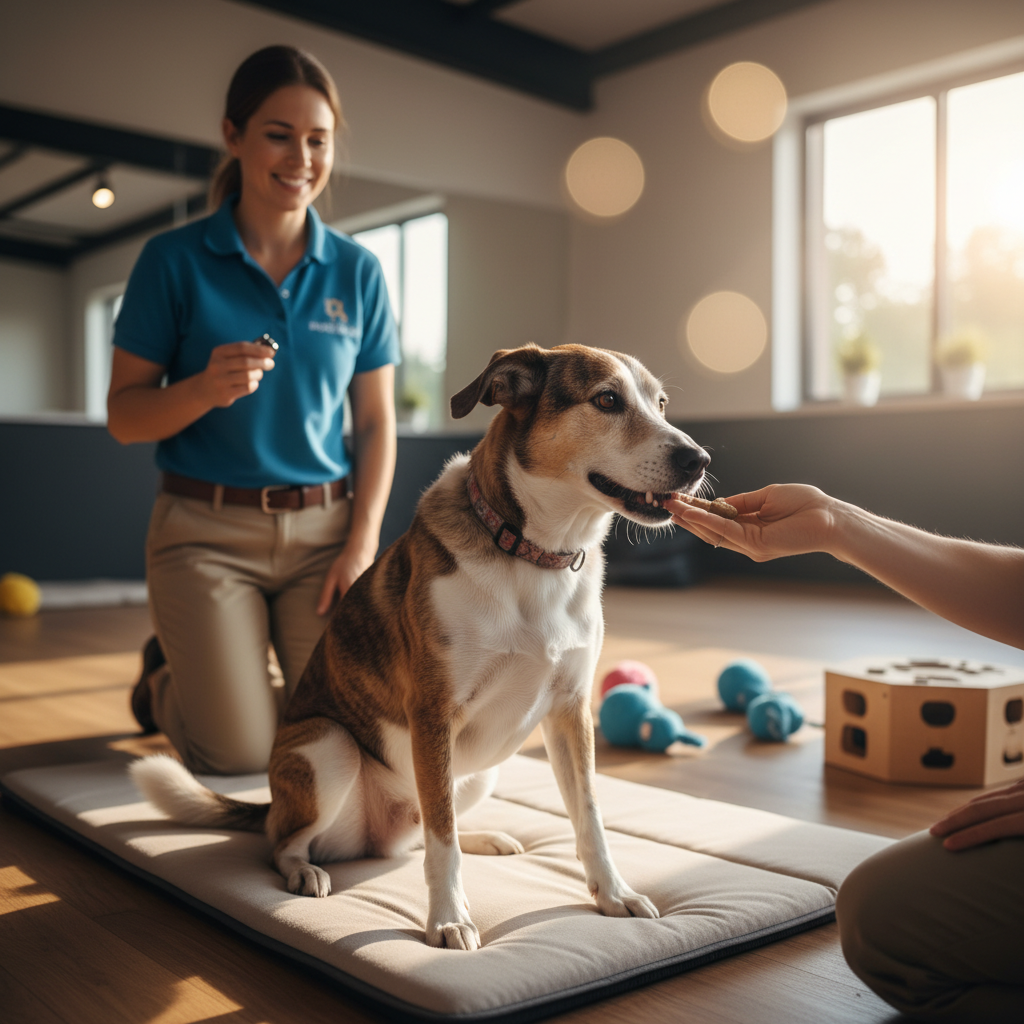
- Cookie Stretches: Use a treat to guide your dog's nose to their shoulder, then their hip, encouraging a gentle bend in the spine.
- Indoor Laps: Do two or three loops around the living room or hallway to get the legs moving before the cold air hits them.
2. Shorten and Multiply
Instead of one long 45-minute walk where the dog gets cold and tired halfway through, switch to three or four 10-to-15 minute outings. This keeps the joints lubricated without exposing them to extreme cold for long enough to cause deep aches.
Gear: Thermal Protection and Traction
For senior dogs, coats are not a fashion statement; they are medical equipment. If your dog has arthritis in the hips or spine, a coat that covers the major muscle groups is essential to prevent cramping. Look for coats that cover the hip joint specifically.
The Slipping Hazard
Arthritic dogs often have reduced proprioception (awareness of where their feet are). Combine that with icy patches, and you have a recipe for soft tissue injury. If you are walking in areas treated with salt or ice melt, protection is vital. As detailed in our guide on Winter Paw Protection, chemical burns can cause a dog to alter their gait, putting further strain on sore joints.
If your dog tolerates them, boots provide both warmth and traction. If not, keeping paw hair trimmed flush with the pads and using a paw wax can improve grip.
Indoor Fitness: Keeping Muscle Without the Freeze
When the weather is truly too dangerous for a walk, due to ice or extreme wind chill, we move the gym indoors. Muscle mass is the primary support system for aging joints; if they lose muscle, the joints take 100% of the load.
Here are three low-impact exercises I prescribe for senior dogs:
- Cavaletti Rails (The Home Version): Lay a ladder flat on the ground, or use rolled-up towels spaced apart. Have your dog walk slowly over them. This forces them to lift their paws, engaging the core and range of motion without impact.
- Sit-to-Stand Repeats: Ask for a 'sit', then a 'stand' (not a down). Do this 3 to 5 times. It is essentially a squat for dogs, strengthening the hindquarters. Note: If your dog struggles with this, skip it.
- Balance Work: Have your dog stand on a slightly unstable surface, like a sofa cushion placed on the floor. As they shift their weight to stay upright, they engage micro-muscles around the joints.
Home Environment: Safe-Proofing the Sanctuary
Management inside the home is just as important as the walk. I frequently visit homes where the flooring is the enemy. Hardwood, tile, and laminate are like ice rinks for senior dogs. Every time they slip slightly while standing up, they create micro-trauma in the joint.
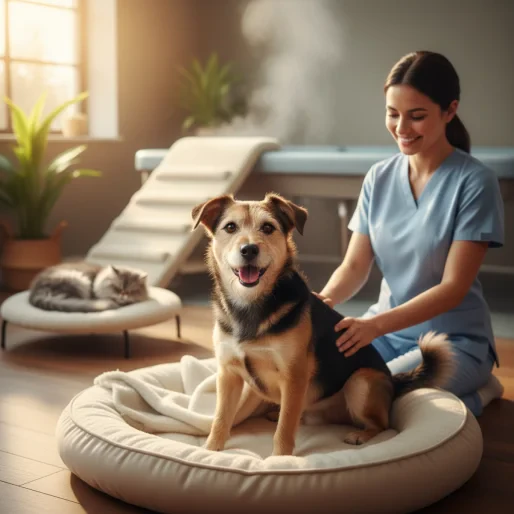
The Yoga Mat Solution: Create 'runways' of yoga mats or non-slip rugs in high-traffic areas. This gives your dog the confidence to move freely. Additionally, consider an orthopedic bed that insulates them from the cold floor. A bed with a reflective thermal layer can passively reflect body heat back to aching hips.
Nutrition and Weight: The Long Game
Winter is often when dogs gain weight due to reduced activity, but for an arthritic dog, every extra gram is painful. Mechanics dictate that extra weight multiplies the force placed on a joint. Keeping your senior dog on the lean side of the body condition score chart is the most effective pain relief you can provide.
Consult your vet about adjusting calories during the winter months if activity levels drop. This is also the time to ensure your joint supplements (Glucosamine, Chondroitin, and Omega-3 fatty acids) are consistent. These take weeks to build up in the system, so they are not a 'quick fix' for a cold day, but a baseline defense.
When to Call the Vet
While stiffness is common, acute pain is not 'normal' aging. You should contact your veterinarian if you notice:
- Refusal to stand up or walk entirely.
- Yelping or vocalizing when touched or moving.
- A sudden change in appetite or temperament.
- Limping on a specific leg that does not improve after a few minutes of movement.
Winter does not have to be a season of decline for your senior companion. By respecting the cold but refusing to become sedentary, you can help your dog navigate the chill with confidence. For more on preparing for changing trail conditions as the seasons shift again, review our Hiking Season Prep guide to understand how to build baseline conditioning safely.
Frequently Asked Questions
Does cold weather actually make dog arthritis worse? ↓
Should I stop walking my arthritic dog when it is freezing? ↓
How can I exercise my senior dog indoors during a storm? ↓
What is the best bed for a dog with arthritis? ↓

Lena Voss
Pet Wellness & Lifestyle Coach
Pet wellness and lifestyle coach — proactive fitness, weight management, and preventive care for healthier, happier pets.
Content Disclosure
This article was created using state-of-the-art AI models with human editorial oversight. It is intended for informational and entertainment purposes only and does not constitute veterinary medical advice. Always consult a licensed veterinarian for your pet's specific health needs. Learn more about our process.