Learn how to safely introduce variety into your cat's diet to prevent pickiness and support nutritional balance. A professional guide to the science of rotational feeding.
Breaking the 'Tuna Addict' Cycle
One of the most common challenges consulting nutritionists encounter is the cat who refuses to eat anything but a specific brand of chicken paté or a particular shape of dry kibble. While this single-mindedness might seem like a quirky personality trait, it presents a significant risk. If that specific manufacturer changes their formula, suffers a supply chain interruption, or issues a recall, the owner is left with a cat who may choose starvation over a safe alternative.
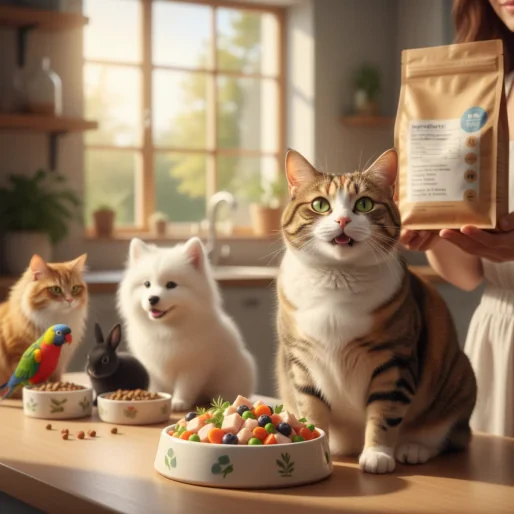
Rotational feeding is the proactive strategy of systematically varying proteins, textures, and brands. Beyond simply preventing boredom, this approach mimics the natural dietary diversity a feline would experience in the wild, where the nutritional profile of a mouse differs from that of a bird or lizard. By normalising variety, owners can build a more resilient eater and potentially support better long-term gut health.
Key Takeaways
- Nutritional Safety Net: No single pet food formulation is perfect. Rotation helps bridge minor nutrient gaps across different brands.
- Texture Exposure: Early and consistent exposure to patés, shreds, chunks, and kibble prevents texture aversion later in life.
- Allergy Prevention: Some veterinary theories suggest that constant, years-long exposure to a single protein source may increase the likelihood of developing sensitivities.
- Hydration Focus: Rotating wet foods into the diet is a critical strategy for supporting kidney and urinary tract health.
The Biological Case for Variety
Cats are obligate carnivores, but this does not mean they require a monotonous diet. In a natural setting, a cat's micronutrient intake shifts slightly with every meal depending on the prey available. Modern commercial pet food, while formulated to meet AAFCO or FEDIAF standards for 'complete and balanced' nutrition, represents a fixed snapshot of nutrients. By rotating foods, owners essentially average out the nutritional intake over time, reducing the risk of a silent deficiency or a toxic excess of any single mineral sourced from one specific supply chain.
Combatting the 'Fixed Effect'
Many cats develop strong texture preferences, a phenomenon known as the 'primacy effect,' often established in kittenhood. If a cat is only ever offered dry kibble, they may not recognise wet food as edible later in life. This becomes a medical issue if the cat develops kidney disease or diabetes and requires a high-moisture diet. Rotational feeding acts as sensory training, keeping the cat's palate flexible and accepting of new foods.
How to Build a Rotational Plan
A successful rotation plan is not about chaos; it is about structured variety. Nutrition professionals often recommend the 'Rule of Three' to ensure broad coverage without overwhelming the cat's digestive system.
The Rule of Three
- Three Proteins: aim to rotate between distinct protein families, such as poultry (chicken/turkey/duck), red meat (beef/lamb), and fish (salmon/whitefish). This ensures a diverse amino acid profile.
- Three Textures: alternate between pâté, minced/shredded in gravy, and dry kibble (if used). This prevents texture addiction.
- Three Brands: select three reputable manufacturers. This protects the household against recalls or formula changes from a single company.
For owners needing assistance in understanding what is actually in the tin, learning to read the ingredient deck is essential. You can learn more about interpreting these lists in our guide on decoding pet food labels.
The Transition Protocol
The most common objection to rotational feeding is the fear of causing gastrointestinal upset. While a sudden switch can indeed cause diarrhoea or vomiting, a trained gut is a resilient gut. The goal is to reach a point where the cat can handle immediate switches, but this must be achieved gradually.
Step 1: The Slow Introduction
For a cat currently eating one food, the first new protein should be introduced over 7 to 10 days. Start with a mix of 90% old food and 10% new food. Gradually increase the proportion of the new food only if the stool quality remains firm. If the cat refuses the new food or experiences loose stool, pause and revert to the previous ratio.
Step 2: The Daily or Weekly Rotation
Once a cat is comfortable with multiple formulas, the frequency of rotation can increase. Some owners rotate daily (Chicken on Monday, Beef on Tuesday), while others rotate by the case (buying a case of Turkey, finishing it, then buying a case of Salmon). There is no single 'correct' frequency, provided the diet remains complete and balanced.
Hydration and the Role of Water
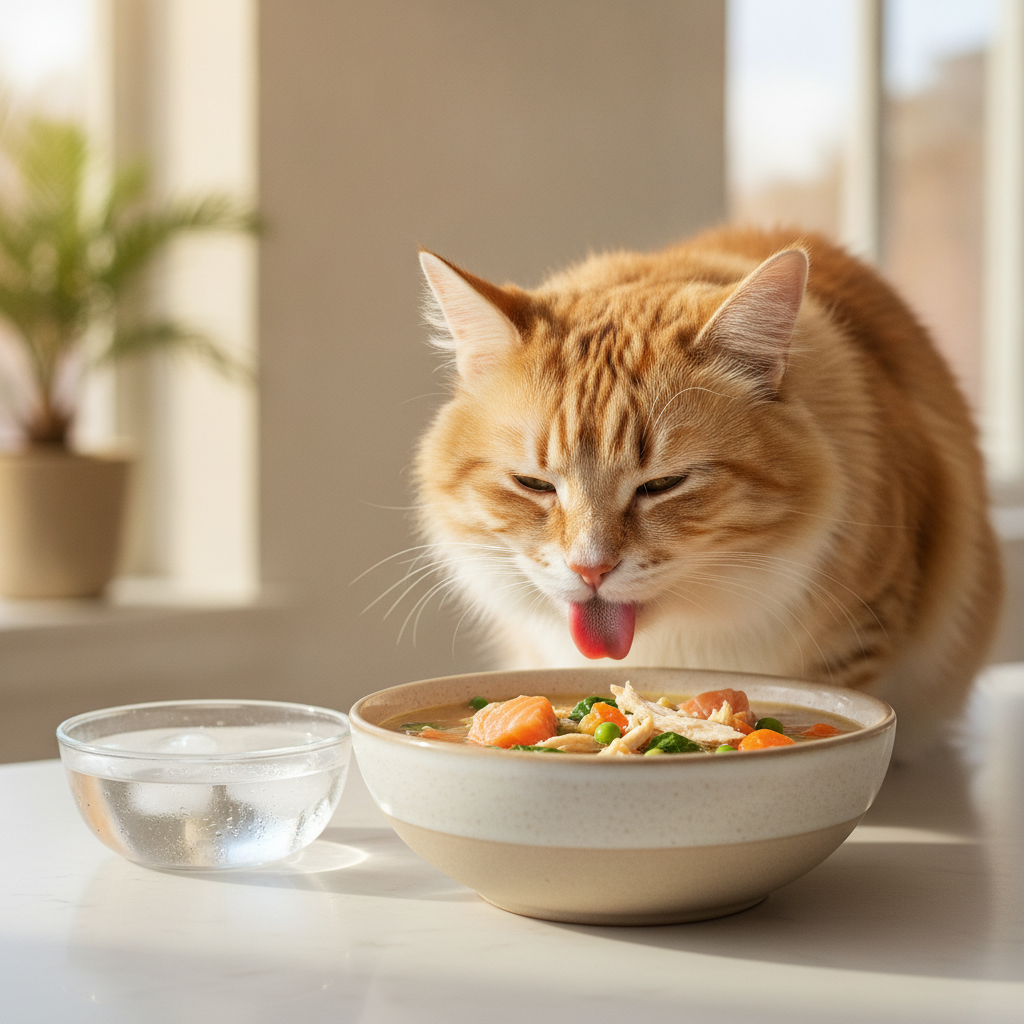
Wet food rotation significantly contributes to hydration, which is vital for feline health. Cats have a low thirst drive and often do not drink enough from bowls to compensate for a dry-food-only diet. While distinct from food rotation, ensuring access to fresh water is part of the nutritional picture. Many owners find success using technology to encourage drinking; see our comparison of smart water fountains vs. gravity bowls for insights on maintaining hygiene.
When NOT to Rotate
While rotation is beneficial for healthy cats, there are specific medical scenarios where consistency is safer. Veterinary supervision is required for:
- Elimination Diets: If a cat is undergoing a food trial to diagnose allergies, strict adherence to a single novel protein is mandatory.
- IBD/IBS: Cats with Inflammatory Bowel Disease may require a strictly limited ingredient diet to maintain remission.
- Prescription Diets: Urinary, kidney, or diabetic prescription foods are formulated with precise mineral balances. Rotating these with standard commercial foods can negate their therapeutic effects.
Troubleshooting Fussy Eaters
If a cat refuses a new rotation, avoid the temptation to immediately offer their favourite 'junk food.' This teaches the cat that refusal yields a reward. Instead, try 'scent warming'—adding a teaspoon of warm water to the wet food to release volatile aromas. For senior cats whose sense of smell may be diminishing, or for those showing behavioural changes, it is also worth monitoring for signs of cognitive decline, as detailed in our guide on recognising cognitive dysfunction syndrome.
For new owners bringing a cat home, establishing these habits immediately is easier than correcting them later. Review our FAQ on the first 24 hours with a new rescue cat to start on the right foot.
Frequently Asked Questions
Will changing my cat's food cause stomach upset? ↓
How often should I rotate my cat's food? ↓
Can I mix different brands of cat food in one bowl? ↓

Sarah Mitchell
Canine Nutrition Consultant
Canine nutrition consultant — evidence-based feeding guidance, label literacy, and diet planning without brand bias.
Content Disclosure
This article was created using state-of-the-art AI models with human editorial oversight. It is intended for informational and entertainment purposes only and does not constitute veterinary medical advice. Always consult a licensed veterinarian for your pet's specific health needs. Learn more about our process.