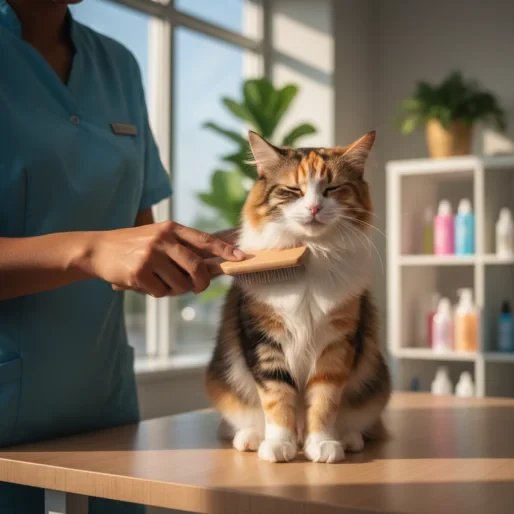
Straight answers to the most common worries about sterilization, from weight gain fears to recovery tips. A veterinary helpline expert separates medical fact from old wives' tales.
Key Takeaways
- The "One Litter" Myth: There is no medical benefit to letting a cat have a litter before spaying; in fact, spaying before the first heat cycle significantly reduces cancer risks.
- Personality Stability: Sterilization does not change your pet's fundamental personality or playfulness, though it often reduces undesirable behaviors like roaming, fighting, and spraying.
- Weight Management: Metabolism does slow slightly post-surgery, but weight gain is preventable with appropriate portion control, it is not inevitable.
- Recovery Reality: Modern pain management means most pets are back to normal within days, though keeping them quiet remains the biggest challenge for owners.
- Medical Necessity: Beyond population control, spaying prevents deadly uterine infections (pyometra) and neutering eliminates testicular cancer.
In my eight years manning veterinary helplines, the calls that come in after midnight are rarely about broken legs. They are about worry. The quiet, gnawing anxiety that you have made the wrong choice for a family member who cannot speak for themselves.
One of the most frequent topics I field is sterilization. Despite being a routine procedure, the decision to spay or neuter is surrounded by decades of folklore, anthropomorphism, and conflicting internet advice. Owners worry their energetic kitten will become lethargic, or that they are depriving their cat of a natural experience.
Let’s clear the air. Below are the actual questions I answer most frequently, stripped of judgment and grounded in veterinary consensus.
The Myths vs. The Medical Reality
"Shouldn't I let her have just one litter first?"
The Reality: This is perhaps the most persistent myth in veterinary medicine. There is absolutely no physiological or psychological benefit to a female cat (queen) having a litter prior to sterilization. She does not need to "experience motherhood" to feel complete.
From a medical standpoint, the evidence leans heavily the other direction. Spaying a female cat before her first heat cycle (estrus) virtually eliminates the risk of mammary carcinoma, a particularly aggressive cancer in cats. Waiting for a litter increases this risk significantly. Furthermore, giving birth carries its own risks, including dystocia (difficult labor) which can require emergency C-sections.
"Will he get fat and lazy?"
The Reality: Sterilization removes the sex hormones estrogen and testosterone, which indeed play a role in metabolism. It is true that a neutered cat's caloric needs may decrease by roughly 20-30% after surgery. However, surgery does not cause obesity; overfeeding does.
The "lazy" stereotype often comes from the fact that we typically neuter animals right as they are transitioning from high-energy kittenhood to more sedate adulthood. The surgery often coincides with natural maturity, but it isn't the cause. If you adjust their diet immediately post-surgery, switching to a sterilized cat formula or reducing portions, they will maintain a healthy weight and remain just as active.
"Will it change their personality?"
The Reality: Your cat's personality, their goofiness, their affection, their intelligence, is hardwired. Removing reproductive organs does not remove who they are. What it does remove are behaviors driven specifically by hormones.
For male cats, this means a drastic reduction in the urge to roam (seeking mates), fight with other males, and mark territory with strong-smelling urine. For females, it stops the loud vocalizing and restlessness associated with heat cycles. If your cat loves to chase feather toys or sleep on your head, they will still do that after surgery.
Medical Benefits You Might Not Know
While most owners focus on preventing pregnancy, the health benefits for the individual animal are profound. As a helpline operator, I have spoken to too many owners of older, unspayed females suffering from pyometra.
Pyometra is a life-threatening infection of the uterus. It is common in older, unspayed females and requires emergency surgery that is far more expensive and risky than a routine spay. By spaying early, you remove the uterus entirely, making this condition impossible.
Recovery: What to Expect
The anxiety doesn't end when you drop them off; it often spikes when you bring them home. Here is the practical side of recovery.
The "Cone of Shame" and Alternatives
Keeping the incision dry and unlicked is non-negotiable. A cat's tongue is like sandpaper and carries bacteria; one good grooming session can open an incision. If the plastic cone (E-collar) causes too much distress, consider a soft inflatable collar or a surgical recovery suit (onesie). These are often better tolerated and allow for easier eating and sleeping.
Managing the Itch
As fur grows back and the skin knits together, the incision site will itch. This is normal healing, similar to what we discuss in The Science of the Itch regarding histamine responses. However, if the site is red, weeping, or hot to the touch, that is an infection risk, not just an itch.
The Activity Challenge
The hardest part of recovery is often keeping a kitten quiet when they feel fine 24 hours later. Modern pain meds are excellent, sometimes too excellent. They mask the discomfort that would normally keep a pet still. You may need to confine them to a single room or a large crate when you cannot supervise them directly to prevent jumping, which can cause hernias at the incision site.
Financial Considerations
I frequently hear concerns about the cost of surgery. While veterinary costs are rising, a topic covered in depth in The Real Cost of Dog Ownership in 2026 (which applies largely to cats as well), spaying or neutering is a one-time cost that pales in comparison to the potential alternatives.
Treating a cat for pyometra, mammary cancer, or the injuries sustained from fighting while roaming can cost five to ten times as much as the initial surgery. Additionally, many local shelters and charities offer low-cost vouchers for owners in need.
Frequently Asked Questions
Is 6 months too late? Is 8 weeks too early?
The "standard" age for decades was 6 months, but veterinary consensus has shifted. Many shelters now practice pediatric spay/neuter (as early as 8 weeks or 2 pounds) to ensure kittens are sterilized before adoption. This is safe and recovery is often faster. Conversely, it is rarely "too late" to spay or neuter, even in senior pets, provided their pre-anesthetic blood work shows they can handle the surgery.
Will my male cat feel "less of a male"?
This is a classic case of anthropomorphism, projecting human feelings onto animals. Cats do not have an ego attached to their reproductive organs. A neutered male cat does not suffer an identity crisis; he simply loses the hormonal drive to mate and fight, often resulting in a more contented, relaxed house pet.
What about anesthesia risks?
Anesthesia is never 100% risk-free, but modern veterinary protocols are incredibly safe. Clinics perform pre-surgical blood work to check liver and kidney function, use dedicated monitoring equipment (ECG, pulse oximetry) during the procedure, and have a technician dedicated to monitoring your pet. The risk of complications in a healthy young animal is statistically very low.
Ultimately, the decision to spay or neuter is one of the most responsible choices you can make for your cat's longevity. It closes the door on a host of cancers and infections, reduces the tragic number of homeless kittens, and helps your companion live a calmer, safer life indoors.
Frequently Asked Questions
Will spaying or neutering make my cat fat? ↓
Should I let my female cat have one litter before spaying? ↓
How long is the recovery for spay/neuter surgery? ↓
Will neutering change my cat's personality? ↓
Is anesthesia safe for kittens? ↓

Hannah Cole
Pet Owner Community Advisor
Pet owner community advisor — calm, clear answers to the questions every pet parent asks.
Content Disclosure
This article was created using state-of-the-art AI models with human editorial oversight. It is intended for informational and entertainment purposes only and does not constitute veterinary medical advice. Always consult a licensed veterinarian for your pet's specific health needs. Learn more about our process.