Aquatics & Fish Care
Maintaing a healthy aquarium requires more than just feeding your fish; it is about managing a delicate ecosystem. In my work as a veterinary nurse, the vast majority of aquatic health issues I encounter stem directly from poor water quality or unstable parameters. Understanding the nitrogen cycle and establishing a consistent testing routine are the most effective ways to prevent disease and ensure your fish thrive rather than just survive.
Fish are masters at hiding illness until it is advanced, making observation critical. My guides focus on teaching you to recognise the subtle signs of stress—such as clamped fins, changes in swimming buoyancy, or loss of appetite—before they become life-threatening. Whether you are keeping coldwater goldfish or a tropical community tank, spotting these early warning signs allows for prompt, effective intervention.
Proper husbandry involves regular, low-stress maintenance. I advocate for partial water changes and gravel vacuuming as standard practice to reduce nitrate build-up without shocking your pets. By following veterinary-approved protocols for acclimation and quarantine, you can also significantly reduce the risk of introducing parasites or bacterial infections to your established tank.
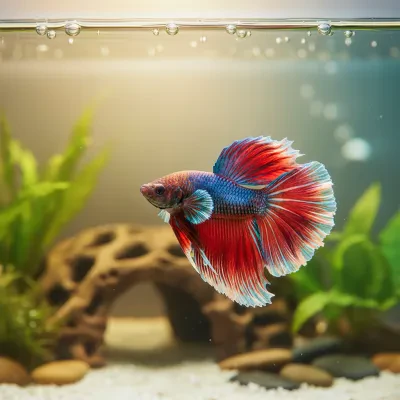
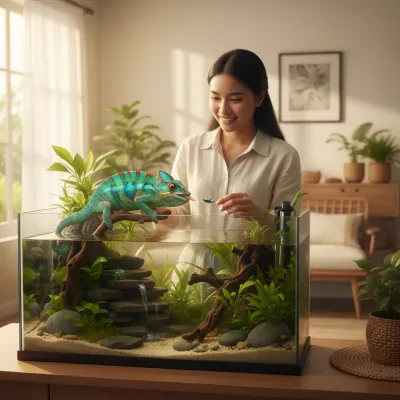
Budget Tropical Aquarium Setup in Southeast Asia
A complete guide to setting up a tropical freshwater aquarium on a budget in Southeast Asia. Covers locally sourced fish species, equipment costs, tank cycling, disease prevention, and the most common beginner mistakes to avoid.

Reading Pond Fish Behaviour in Spring: What Increased Surface Activity, Spawning Chases, and Flashing Mean for Your Water Quality
As water temperatures rise each spring, pond fish display a cascade of behaviours that range from entirely normal to genuinely urgent. Learning to distinguish thermoregulatory surface positioning from hypoxic distress, reproductive chasing from harmful aggression, and incidental flicking from a parasite crisis is the foundation of proactive spring pond management.
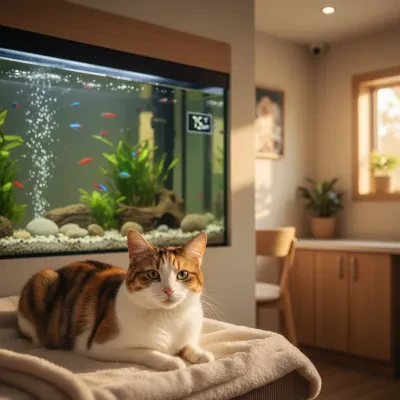
How Rising Spring Temperatures Affect Freshwater Aquarium Chemistry: Dissolved Oxygen, pH Fluctuation, and Disease Risk
As ambient temperatures climb each spring, the water chemistry inside a freshwater aquarium undergoes a series of interconnected shifts that can reduce dissolved oxygen, destabilise pH, and trigger a cascade of opportunistic disease. Understanding the science behind these changes is the most effective tool aquarium owners have for protecting their fish during the season's most chemically volatile weeks.
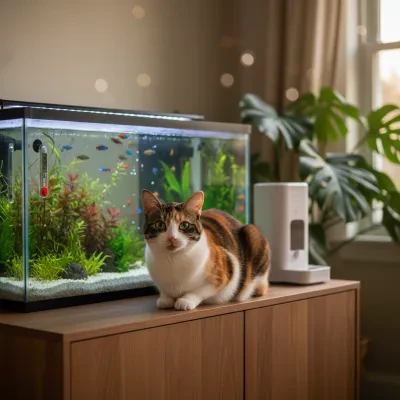
Spring Temperature Swings and Tropical Aquariums: A FAQ for Indoor Tank Owners
Spring brings unpredictable room temperatures that can destabilize even a well-maintained tropical aquarium. This expert FAQ covers the most common owner concerns, from heater performance gaps to disease outbreaks triggered by thermal stress.
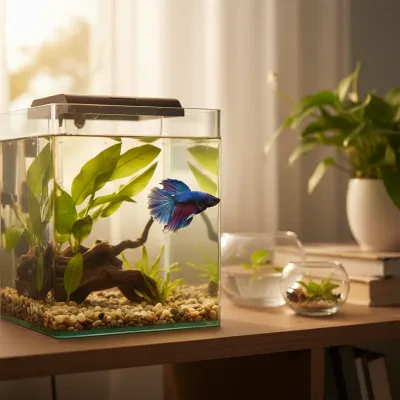
Choosing the Right Betta Tank Size: A Beginner Comparison
Betta fish deserve more than a decorative bowl. This side-by-side comparison of popular tank sizes helps beginners choose the right setup for a healthy, thriving betta.

Opening the Koi Pond: Water Temperature and Feeding Schedules
A veterinary guide to safely transitioning koi from winter dormancy to spring activity. Learn the critical relationship between water temperature, metabolic rates, and safe feeding protocols.

Managing Nitrate Spikes in Aquariums During Spring Warm Ups: A Veterinary Guide
Rising spring temperatures can accelerate fish metabolism and waste production, often outpacing biological filtration. Learn the veterinary protocols for detecting, managing, and preventing dangerous nitrate accumulation.
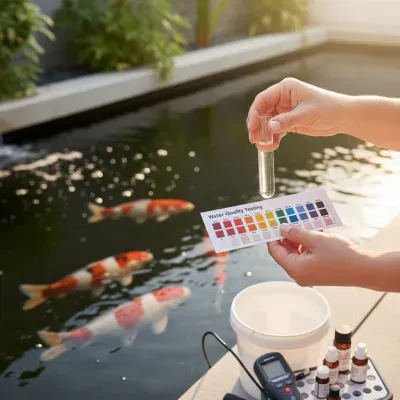
Spring Pond Startup: A Veterinary Nurse's Guide for Koi Keepers
Spring is the most critical season for koi health. Learn how to navigate 'Aeromonas Alley,' manage water quality, and safely restart feeding with this professional step-by-step guide.