Aquatics & Fish Care
Maintaing a healthy aquarium requires more than just feeding your fish; it is about managing a delicate ecosystem. In my work as a veterinary nurse, the vast majority of aquatic health issues I encounter stem directly from poor water quality or unstable parameters. Understanding the nitrogen cycle and establishing a consistent testing routine are the most effective ways to prevent disease and ensure your fish thrive rather than just survive.
Fish are masters at hiding illness until it is advanced, making observation critical. My guides focus on teaching you to recognise the subtle signs of stress—such as clamped fins, changes in swimming buoyancy, or loss of appetite—before they become life-threatening. Whether you are keeping coldwater goldfish or a tropical community tank, spotting these early warning signs allows for prompt, effective intervention.
Proper husbandry involves regular, low-stress maintenance. I advocate for partial water changes and gravel vacuuming as standard practice to reduce nitrate build-up without shocking your pets. By following veterinary-approved protocols for acclimation and quarantine, you can also significantly reduce the risk of introducing parasites or bacterial infections to your established tank.
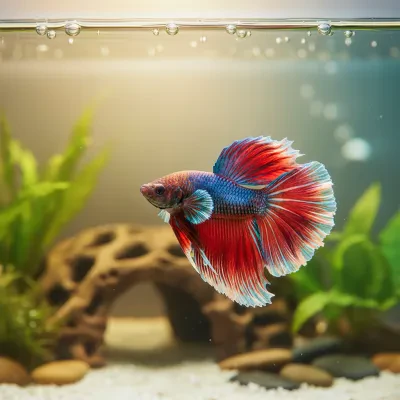
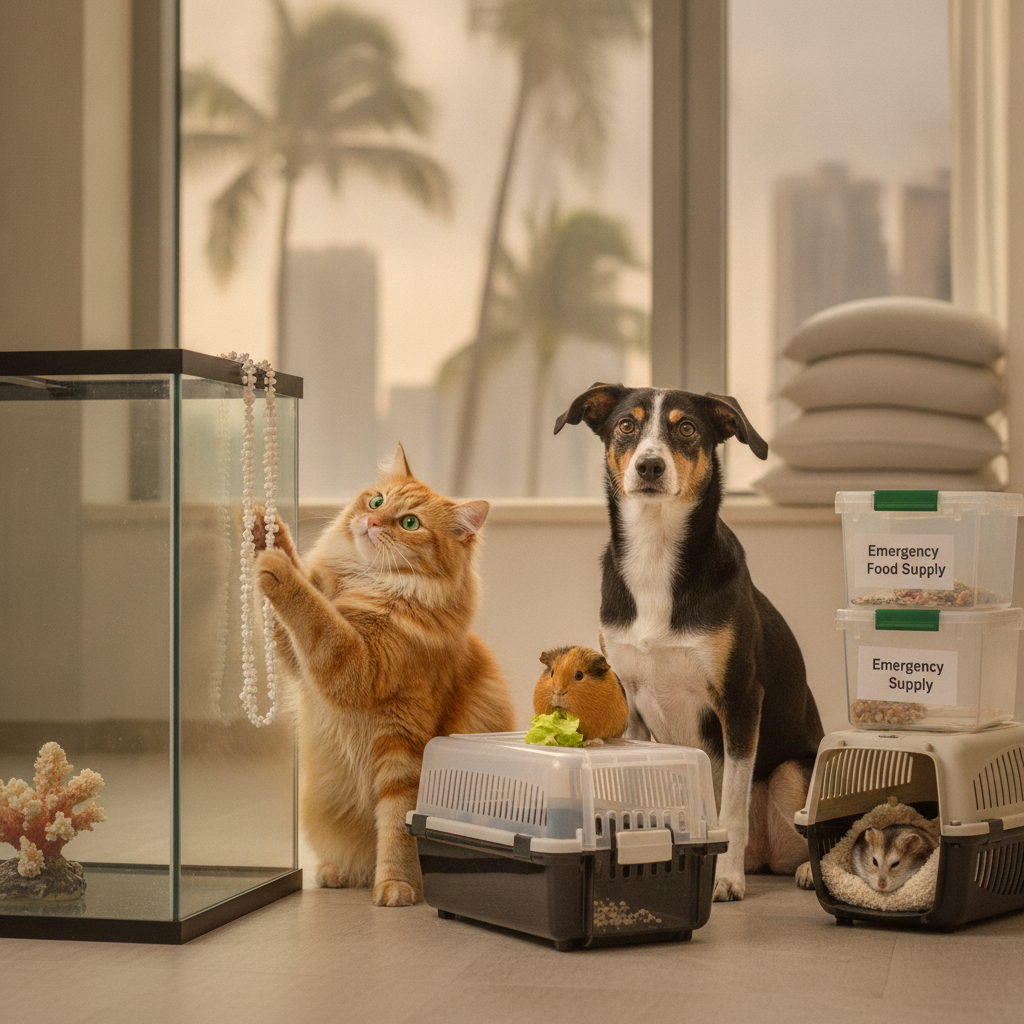
Hong Kong Typhoon Aquarium Prep: A Signal 8 Playbook
A Hong Kong specific typhoon plan for freshwater and marine tanks, built around Hong Kong Observatory signal thresholds, high rise power and water supply realities, and chiller dependent summer setups. Includes an HKD costed kit list, an hour by hour Signal 8 protocol and a post outage ammonia recovery schedule.
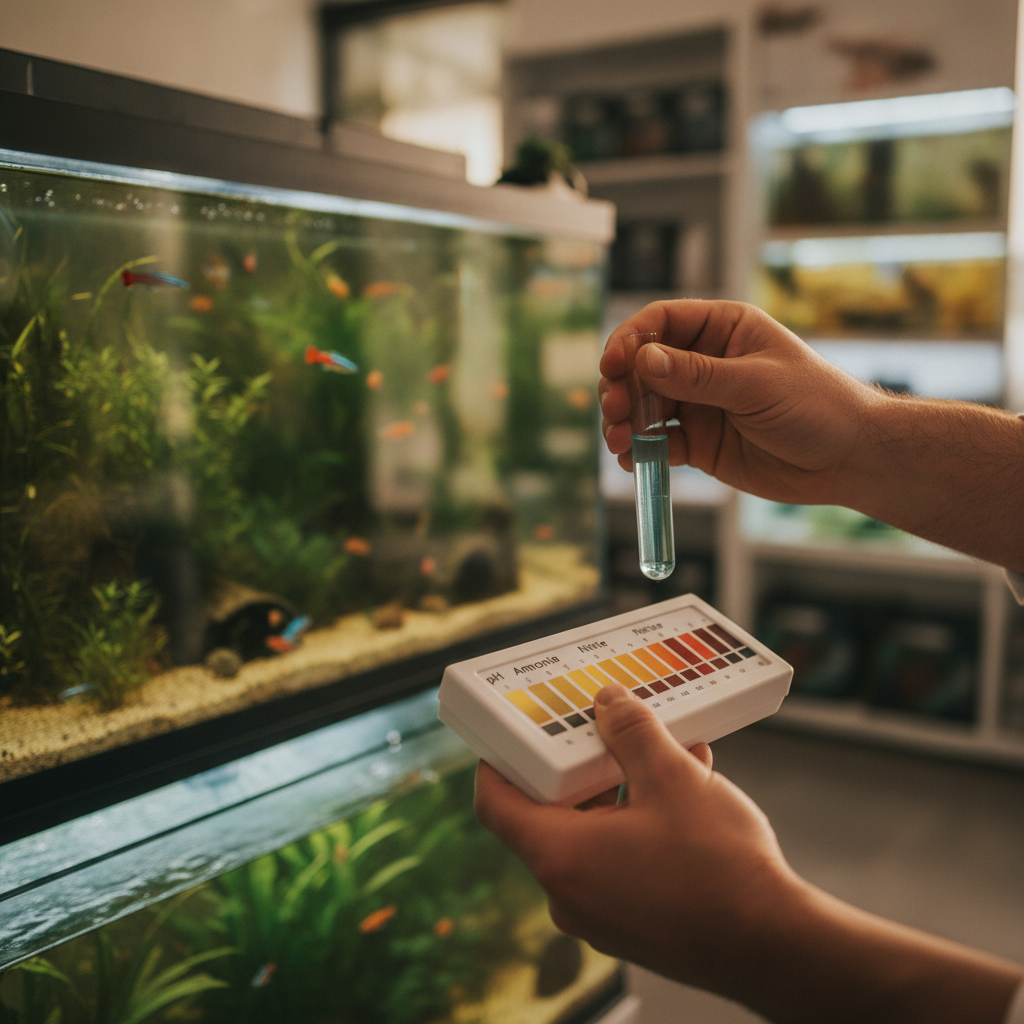
Thai Rainy Season Aquarium Care: July and August Guide
Thailand's monsoon months bring warm, humid, overcast conditions that quietly destabilise home aquariums through low oxygen, algae blooms and power cuts. This step-by-step guide covers temperature control, aeration, algae prevention, equipment protection and a practical weekly maintenance schedule for July and August.
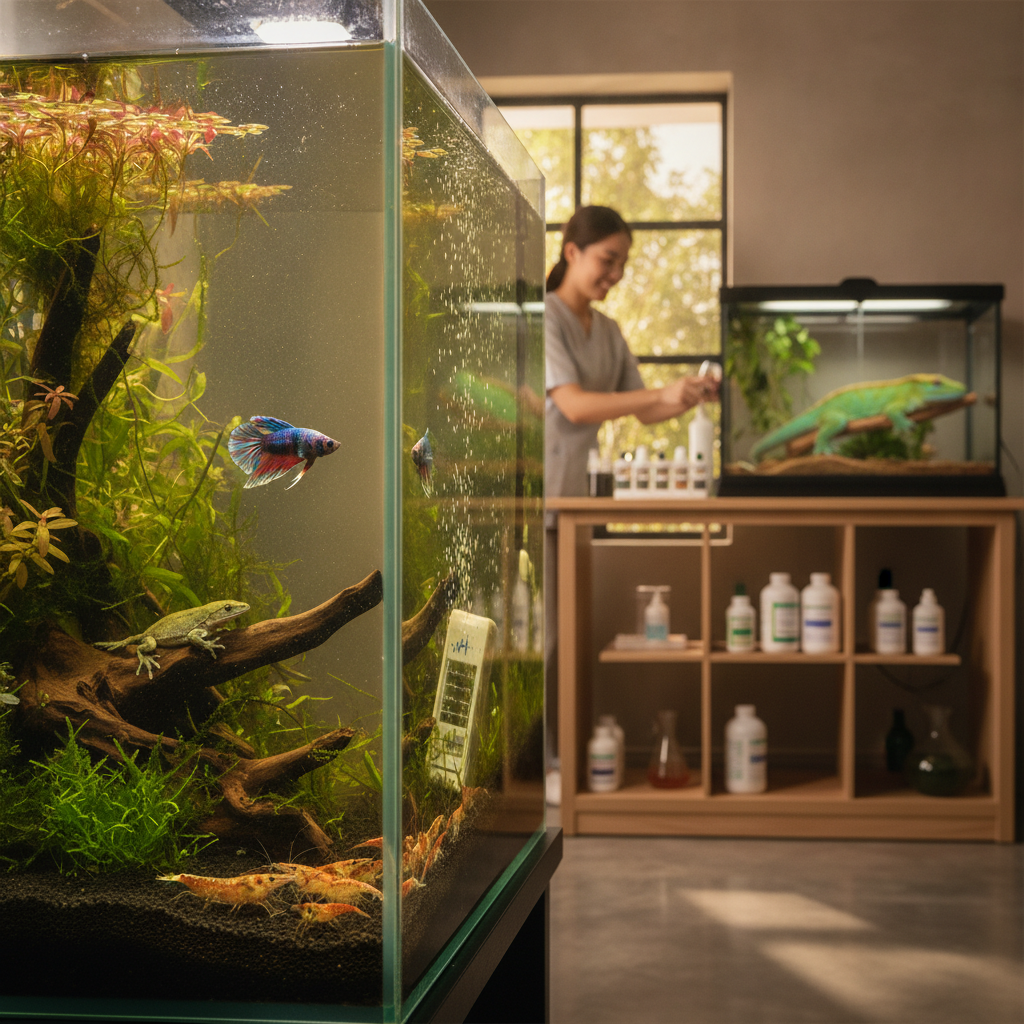
Monsoon Aquarium Care: Nitrate and pH in Vietnam
Vietnam's southwest monsoon brings heavy rain, power cuts, and humid heat that quietly destabilise freshwater tanks. This science based guide covers nitrate spikes, pH and KH swings, safe water changes, bioload control, and a daily June and July log.

Aquarium Oxygen and Heat in Thailand's Hot Season
Warm water holds less oxygen, and Thailand's hot season pushes tropical tanks to the edge. Learn the science, safe cooling, and a daily routine to keep fish breathing easy.
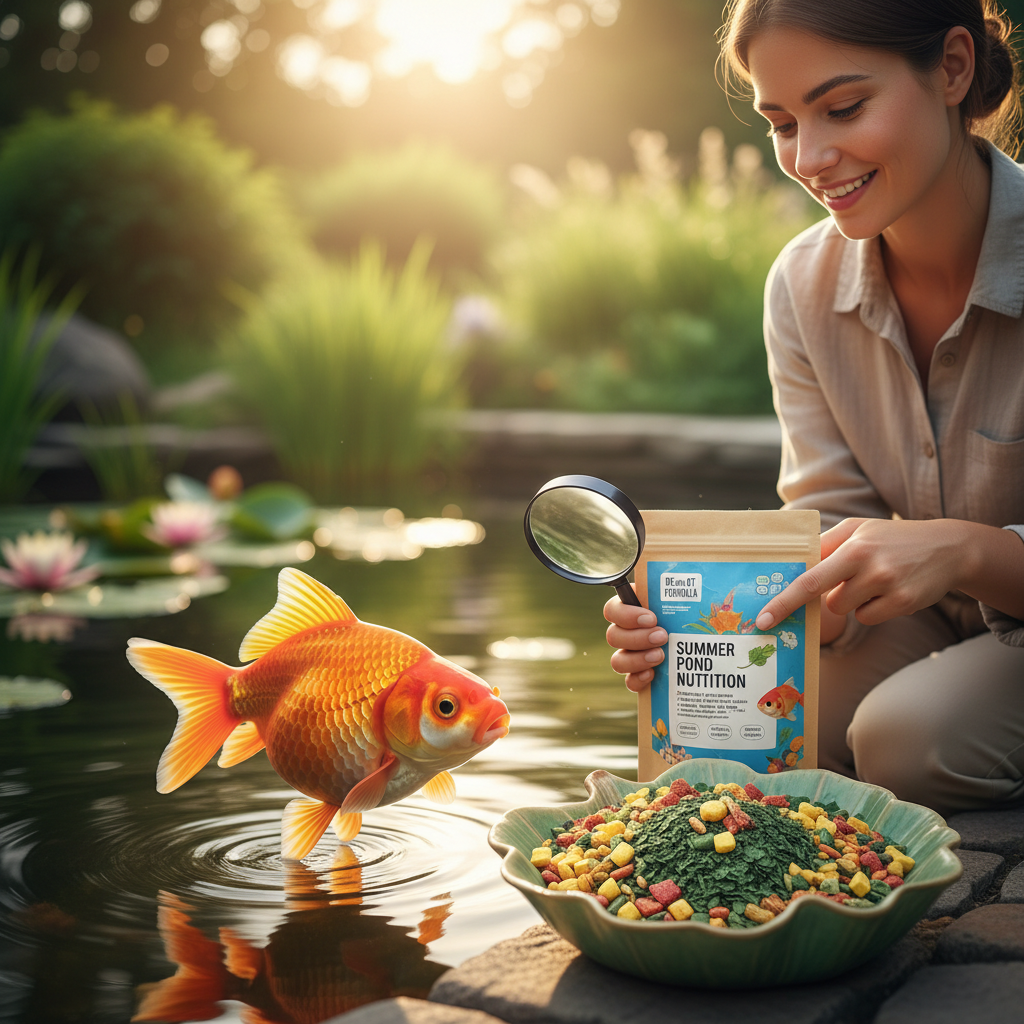
Koi and Goldfish Summer Pond Nutrition: DE and AT
A practical, label-literate feeding plan for koi and goldfish during the German and Austrian spawning season. Covers protein levels, pellets, Daphnia, and a June to July pond calendar.
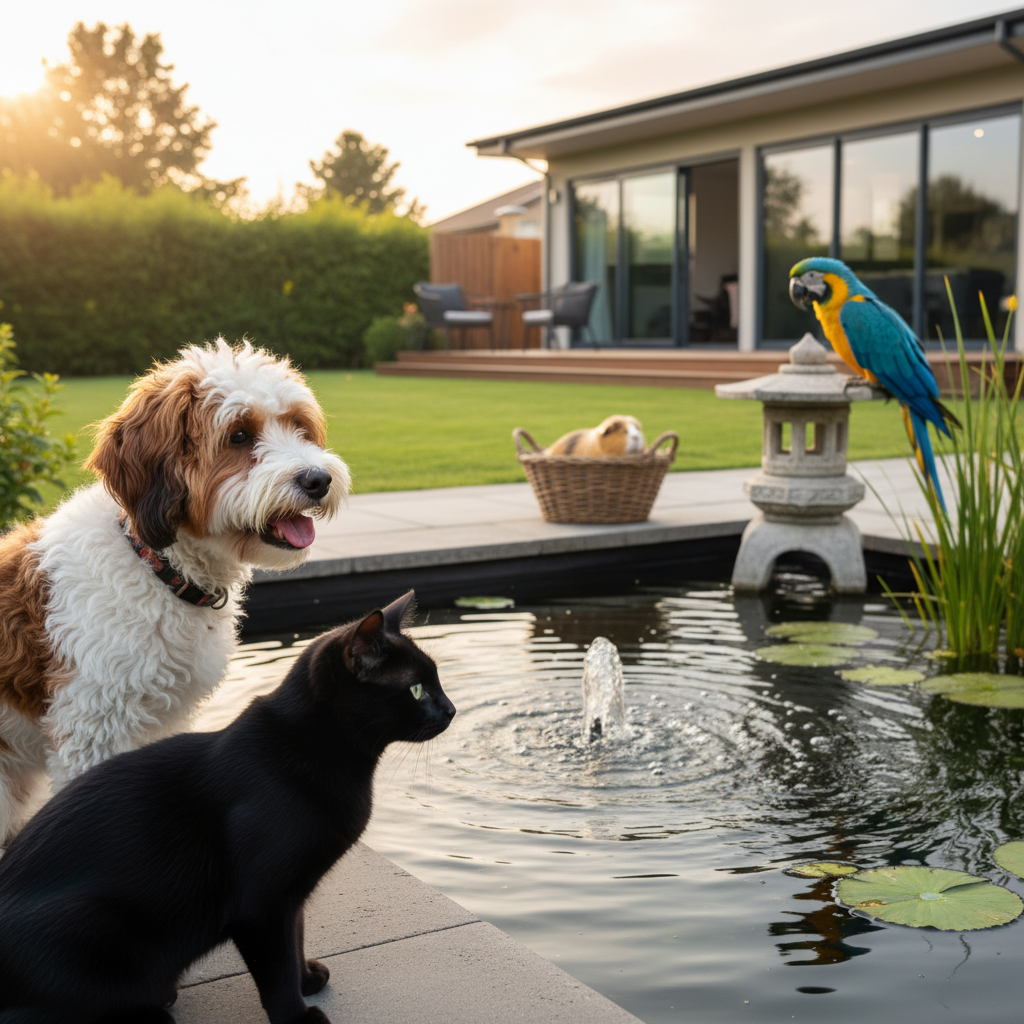
Summer Pond Care FAQ: Oxygen, Algae and Predators
Calm, practical answers to the questions garden pond owners ask most during heatwaves. Learn how to manage oxygen, algae, top-ups, predators and stocking.

Aquarium Fish Power Outage Prep: A Full Safety Guide
A comprehensive checklist for keeping aquarium fish safe during summer power outages. Covers battery air pumps, species survival times, temperature control, and emergency water changes.
Tropical Fish Tank Setup for Hong Kong Summers
Hong Kong's subtropical humidity above 80% makes aquarium cooling a unique challenge. This guide covers species selection, chiller solutions, typhoon preparedness, and monthly maintenance tailored to the city's hot, wet summers.
Spring Pond Water Testing After Winter Dormancy
A complete checklist for testing ammonia, nitrite, and other parameters in outdoor ponds and container water gardens as fish emerge from winter dormancy. Includes a printable weekly log template for April and May.

Setting Up Your First Tropical Community Aquarium
Spring is the ideal time to start a tropical community aquarium. This guide covers beginner fish species, nitrogen cycle timing, essential equipment, and the stocking mistakes that cause aggression or disease.
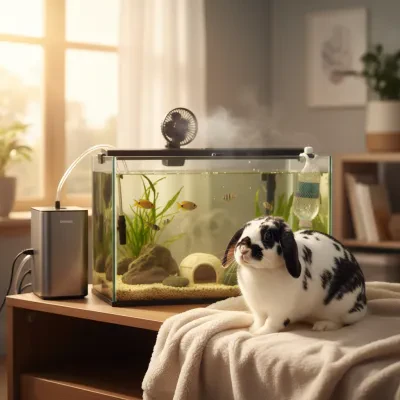
Aquarium Cooling in Hong Kong: Fans vs Chillers
Hong Kong's subtropical summers push aquarium temperatures well beyond safe limits for most fish and corals. This guide compares fans, chillers, and DIY fixes for local humidity and housing conditions.
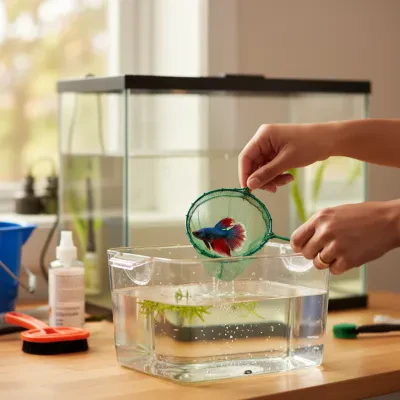
Spring Deep Clean for Your Freshwater Aquarium
Rising spring temperatures can quietly destabilise your freshwater aquarium's water chemistry, trigger algae blooms, and reduce filter efficiency. This step by step seasonal maintenance checklist helps you get ahead of the problems before they harm your fish.