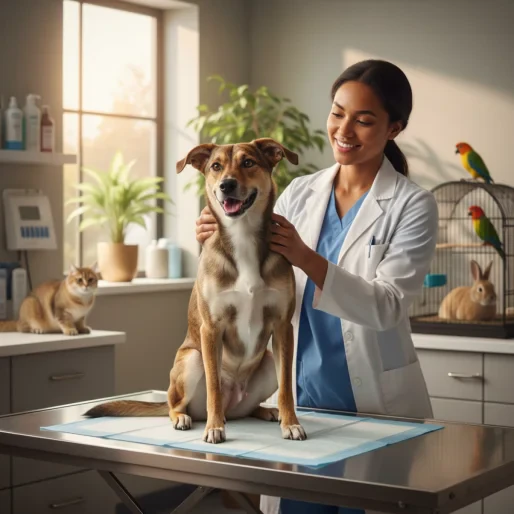
As CRGV cases emerge in the Irish countryside, local pet owners must balance the joy of a wet winter walk with strict hygiene protocols. Learn how to protect your dog from 'Alabama Rot' with our Ireland-specific veterinary guide.
Walking the Emerald Isle: Balancing Freedom with Safety
For Irish dog owners, avoiding mud is not simply a matter of choice; it is a geographical impossibility. From the peatlands of the Midlands to the forestry trails of Wicklow and the sodden fields of Munster, our climate dictates that from November to May, we are a nation of muddy boots and muddy paws. As a veterinary professional working within Ireland, I have seen firsthand how the joy of a 'fresh' morning walk is now tempered by a growing concern: Cutaneous and Renal Glomerular Vasculopathy (CRGV), known more commonly as Alabama Rot.
While originally associated with cases in the United States and heavily documented in the UK, CRGV is a reality on the island of Ireland. It is a disease that strikes fear into the heart of the community because it is idiopathic, meaning its precise cause remains unknown, and its prognosis, once kidney failure sets in, is poor. However, panic is not a strategy. Vigilance is.
In this guide, tailored specifically for the Irish environment and our unique pet ownership culture, we will move beyond general advice to a specific, actionable protocol for navigating our wet winters safely. We will look at how the Control of Dogs Act plays a role in safety, how to manage 'Restricted Breeds' during inspections, and why your utility room or outdoor tap is your frontline defense against this condition.
Irish Wellness Takeaways
- The 'Utility Room' Rule: No dog enters the main house until all mud is rinsed away using lukewarm water.
- Forestry vs. Beach: During peak risk months (Nov–May), consider swapping Coillte forestry trails for sandy beaches like Curracloe or Portmarnock where mud is absent.
- Inspect the 'Stop': Pay close attention to the stopper pad and interdigital spaces, especially on breeds with heavy feathering like Spaniels or Setters.
- Know the Symptoms: Any unexplained redness, ulceration, or swelling on the paws or legs requires immediate veterinary assessment.
- Emergency Protocol: If you suspect CRGV, time is tissue. Contact your vet immediately.
UCD Veterinary Hospital / Local Emergency Vet
Call your vet's emergency out-of-hours number or contact the UCD Veterinary Hospital in Dublin.
Irish vet practices provide out-of-hours emergency contact details on their answerphone message.
The Irish Context: Soil, Season, and Risk
To protect our dogs, we must understand the specific environmental factors at play in Ireland. CRGV is strongly associated with woodland environments and muddy conditions during the colder months. The current veterinary consensus suggests that a toxin, possibly produced by E. coli or another organic bacterium found in decaying matter, enters the dog's bloodstream, likely through minor abrasions in the skin.
The 'Soft Day' Hazard
Our persistent rainfall creates the perfect reservoir for waterborne and soil-borne pathogens. Unlike colder continental climates where the ground freezes solid, limiting bacterial movement, the Irish winter is typically wet and mild (between 4°C and 12°C). This keeps the mud in a permanent state of slurry, allowing bacteria to thrive and transfer easily to a dog's coat.
High-Risk Terrains
While cases have been sporadic, caution is advised in:
- Deciduous Woodlands: Areas with heavy leaf litter that remains wet and decaying for months.
- Waterlogged Peatland: Stagnant water in bogs can harbor a multitude of biological agents.
- Agricultural Runoff Areas: Paths bordering farmland where slurry or livestock runoff might mix with public walking trails.
Conversely, well-drained surfaces offer a lower risk profile. Tarmac footpaths, sandy beaches (away from dune scrub), and paved parks like Phoenix Park (staying on the main avenues) are safer alternatives during high-alert periods.
The Decontamination Protocol: A Daily Ritual
In my practice, I advise clients to treat the post-walk wash not as a chore, but as a medical necessity. In Ireland, where 'drying off' usually just means the mud turns to dust and falls on the carpet, we need to be more thorough. We are aiming to remove potential toxins before they can penetrate the skin barrier.
1. The Outdoor/Utility Rinse
Ideally, wash your dog before they enter the living space. If you have an outdoor tap, use it, but ensure the water isn't freezing. Cold water shock on a warm, exercised muscle can cause cramping. If you use a 'mud daddy' or portable washer, fill it with warm water before you leave the house. The goal is to flush, not scrub. Scrubbing muddy skin can cause micro-abrasions, exactly what we are trying to avoid, as breaks in the skin are the entry point for the toxin.
2. Shampoo Selection for Irish Water
Much of Ireland has hard water (high mineral content), which can make rinsing soap difficult and leave a residue that irritates the skin. Use a pH-balanced, dog-specific shampoo that is formulated for easy rinsing. Avoid harsh antibacterial washes unless prescribed; stripping the skin's natural microbiome can actually weaken its defense against pathogens. A simple, mechanical removal of mud with water and a mild surfactant is best.
3. The 'Feathering' Factor
Many popular Irish breeds, Golden Retrievers, Setters, Spaniels, and Collies, have significant 'feathering' on their legs. Mud clings tenaciously to this hair, holding wet soil against the skin for hours. You must part the hair to ensure the skin underneath is clean. If you walk in high-risk woodlands frequently, consider a 'winter trim' for your dog's legs. Short hair holds less mud and dries faster, reducing the window of opportunity for bacteria.
Detailed Inspection: What to Look For
CRGV presents initially as a skin issue before progressing to kidney failure (Acute Kidney Injury - AKI). The window for early detection is small. Once the dog is clean and towel-dried, perform a 'nose-to-tail' check.
The Lesion Profile
You are looking for lesions that look like:
- Unexplained Redness: A patch of red skin that doesn't blanch (fade) when pressed.
- Ulcers: Open sores that look like a graze or a cigarette burn.
- Swelling: Edema in the lower legs or paws.
- Location: 90% of lesions appear on the paws or lower legs, but they can also appear on the belly, chest, and muzzle (from sniffing the ground).
If you find a sore and cannot recall a specific injury (like a bramble scratch or a cut from glass), treat it with extreme suspicion. In the context of CRGV, it is better to be an 'over-anxious' owner who visits the vet for a minor graze than one who waits until the kidneys are compromised.
Systemic Signs: When to Rush
If the toxin impacts the kidneys, the dog will deteriorate rapidly. Watch for:
- Vomiting: Often dark or bilious.
- Lethargy: A dog that usually chases a ball refusing to get out of bed.
- Anorexia: Refusal of food is a major red flag in food-motivated breeds.
- Reduced Urination: If your dog hasn't urinated in 12 hours, this is a critical emergency.
At this stage, immediate veterinary intervention is required to support kidney function.
UCD Veterinary Hospital / Local Emergency Vet
Call your vet's emergency out-of-hours number or contact the UCD Veterinary Hospital in Dublin.
Irish vet practices provide out-of-hours emergency contact details on their answerphone message.
Regulatory Context: The Control of Dogs Act
Responsible ownership in Ireland is governed by the Control of Dogs Act 1986. Interestingly, adherence to these laws can actually aid in CRGV prevention.
Restricted Breeds and Controlled Walking
Owners of breeds listed in the Restricted Breeds regulations (e.g., German Shepherds, Rottweilers, Bull Terriers, Akitas) are required to keep their dogs on a short, strong lead and muzzled in public places. While these regulations are primarily for public safety, they offer a secondary benefit during CRGV season: Control.
A dog on a short lead is less likely to:
- Run deep into stagnant undergrowth where bacterial loads are highest.
- Drink from muddy puddles (a potential vector).
- Scavenge decaying organic matter.
For owners of non-restricted breeds, I strongly recommend adopting a 'short lead' policy when walking in dense forestry during wet months. Keeping your dog on the path significantly reduces their exposure to the muddiest, most rot-prone areas of the forest floor.
Skin Barrier Health: The Internal Defense
While we focus on external mud, we must not ignore internal resilience. A dog with healthy, elastic skin is less prone to the micro-tears that allow toxins to enter.
Diet and Supplements
The Irish winter is drying for indoor dogs due to central heating. Dry, cracked paws are vulnerable paws. Ensure your dog's diet is rich in Omega-3 fatty acids (fish oils) which reinforce the lipid barrier of the skin. If you feed a dry kibble, consider adding a high-quality salmon oil topper during the winter months.
Paw Balm Protection
Before leaving the house, apply a wax-based paw balm. This creates a hydrophobic (water-repelling) barrier that prevents mud from caking directly onto the skin and protects against grit and road salt, which is frequently used on Irish secondary roads during icy snaps. Do not use human moisturisers, which can soften the pads too much; use a dedicated canine paw wax.
Alternative Winter Activities
If you live in an area with confirmed CRGV cases, or if you simply want to minimize risk during a particularly wet spell, consider altering your routine.
- Scent Work at Home: Mental stimulation is just as tiring as physical exercise. Hide treats around the house or use puzzle toys to burn energy without the mud.
- Hydrotherapy: Ireland has a growing number of canine hydrotherapy centres. A swim in a sterile, chlorinated pool provides intense exercise with zero mud risk.
- Pavement Walks: It may not be as scenic as the Curragh or the Wicklow Way, but a brisk walk on urban pavements is safe. Use booties if you are worried about road salt.
Conclusion: Vigilance, Not Fear
The threat of Alabama Rot in Ireland is real, but statistically, it remains rare. The vast majority of dogs walk in the mud every day without issue. However, as custodians of our pets' health, we cannot rely on luck.
By implementing a 'zero-tolerance' policy on mud in the house, inspecting paws daily, and respecting the risk profile of our local woodlands, we can continue to enjoy the rugged beauty of the Irish landscape. Remember, if you see a lesion, don't wait. Consult your veterinary practitioner immediately.
Frequently Asked Questions
Is Alabama Rot common in Ireland? ↓
Can I walk my dog in Coillte forests during winter? ↓
What are the first signs of Alabama Rot? ↓
Does pet insurance in Ireland cover Alabama Rot treatment? ↓
Are certain breeds in Ireland more at risk? ↓

Lena Voss
Pet Wellness & Lifestyle Coach
Pet wellness and lifestyle coach — proactive fitness, weight management, and preventive care for healthier, happier pets.
Content Disclosure
This article was created using state-of-the-art AI models with human editorial oversight. It is intended for informational and entertainment purposes only and does not constitute veterinary medical advice. Always consult a licensed veterinarian for your pet's specific health needs. Learn more about our process.