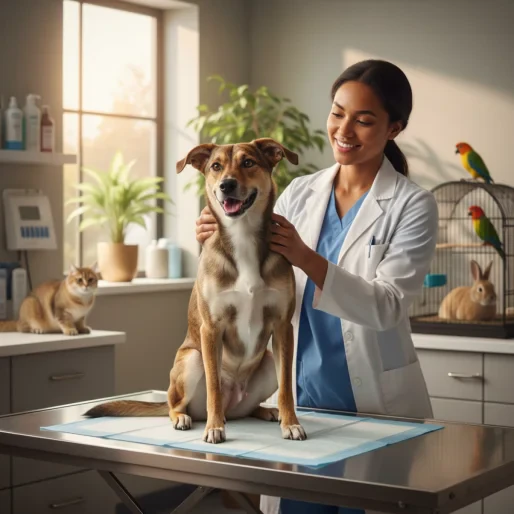
Don't wait for the first bite. Learn why 4°C (40°F) is the danger zone and how to implement a multi-layered defense strategy before the season peaks.
Key Takeaways
- Temperature Thresholds: Ticks become active as soon as temperatures hit 4°C (40°F), often weeks before spring officially begins.
- The IPM Approach: Effective prevention requires Integrated Pest Management, treating the pet, the yard, and the home simultaneously.
- The Routine Check: transforming the 'tick check' into a post-exercise wellness massage strengthens the bond with your dog while ensuring safety.
As a canine fitness practitioner, I often see a dangerous gap in preventive care during the transition from late winter to early spring. We tend to associate parasites with the lush green of summer, but the biological reality is quite different. The moment the ground begins to thaw and daily highs creep above freezing, the dormant threat in the underbrush wakes up.
For the proactive pet owner, early spring is not a time to wait and see. It is the critical window for establishing a defensive perimeter around your dog's health. By integrating tick prevention into your daily wellness and exercise routines, you move from reactive panic to confident management.
The 4-Degree Rule: Understanding Tick Biology
The most common misconception I encounter is that hard frosts kill ticks. In reality, species like the Black-legged Tick (Deer Tick) are incredibly resilient. They survive winter insulated under leaf litter and snow. The moment the ambient temperature reaches approximately 4°C (40°F), they begin 'questing', climbing tall grass or shrubs to latch onto a passing host.
This means that during those unseasonably warm February or March days when you are eager to get out for a hike, the risk is already present. If you are navigating the slush and mud, referencing our guide on Paw Care During The Big Thaw, you must also be vigilant about what is hiding in that thawing landscape.
Layer 1: The Veterinary Shield
Wellness starts with professional guidance. Over-the-counter solutions can be effective, but prescription preventatives (oral or topical) remain the gold standard for clinical protection. If you paused flea and tick prevention during the deep winter months, you must restart it before the first consistent warm spell.
Pro Tip: Schedule your preventive care vet visit in late winter. Discuss oral medications versus collars, especially if your active dog swims frequently or if you have cats in the home (as some canine topicals are toxic to felines).
Layer 2: Environmental Management
Your backyard is often the primary contact zone. Creating a 'tick-safe zone' is a crucial part of proactive wellness.
Clear the Buffer Zones
Ticks detest direct sunlight and dry environments; they thrive in moist, shady debris. Your early spring garden cleanup is a health intervention:
- Remove Leaf Litter: Rake up wet leaves left over from autumn. This is the primary winter shelter for ticks.
- Create Barriers: Establish a 3-foot wide barrier of wood chips or gravel between lawns and wooded areas. This dries out the ground, discouraging ticks from migrating into the play area.
- Mow High, But Frequent: Once grass starts growing, keep it managed. Ticks quest at knee-height for dogs.
While you are clearing the garden, be mindful of what you are planting. As noted in Spring Bulbs and Pet Toxicity, safety isn't just about insects; it's about the flora, too.
Layer 3: The Daily Check Ritual
As a fitness coach, I encourage owners to view the 'tick check' not as a chore, but as a post-workout cool-down massage. This reframing ensures you actually do it every single time.
The Tail-to-Nose Scan
After every walk, especially if you have been maximizing the mild weather on trails, perform this 2-minute tactile scan:
- The Paws: Spread the toes and check the webbing. This is a prime hiding spot.
- The Groin and Armpits: Ticks seek warmth and thin skin. Lift the legs and check thoroughly.
- The Collar Line: Remove the collar. Ticks often migrate toward the head and get trapped under the strap.
- The Ears: Look inside the ear flap and behind the ears.
- The Tail: Run your hands firmly down the tail and check the base (perineal area).
Use your fingertips to feel for small bumps. Nymph ticks can be as small as a poppy seed. If your dog has a thick double coat, using a high-velocity dryer (on a cool setting) after a hike can help blow loose ticks off the coat before they attach.
Natural Deterrents and Gear
For those seeking holistic layers to add on top of veterinary medicine, specific gear can help:
- Tick Vests: Light-colored vests not only keep dogs visible but make it easier to spot dark crawling ticks before they reach the skin.
- Cedar Oil Sprays: Some owners find success with pet-safe cedar oil sprays as a repellent. Always spot-test for allergies and consult your vet before applying essential oils.
When to Seek Help
Despite our best efforts, bites happen. If you find an attached tick, remove it immediately using fine-point tweezers or a tick removal tool, pulling straight up with steady pressure. Disinfect the bite site.
Monitor your dog for the following weeks. Lethargy, shifting leg lameness (limping that moves from one leg to another), and loss of appetite are classic signs of tick-borne illness. Early detection is key to recovery.
Spring is a time of renewal and energy. By respecting the resilience of ticks and adapting your routine early, you ensure that this season is defined by long, healthy adventures rather than medical emergencies.
Frequently Asked Questions
At what temperature do ticks become active in spring? ↓
How often should I check my dog for ticks? ↓

Lena Voss
Pet Wellness & Lifestyle Coach
Pet wellness and lifestyle coach — proactive fitness, weight management, and preventive care for healthier, happier pets.
Content Disclosure
This article was created using state-of-the-art AI models with human editorial oversight. It is intended for informational and entertainment purposes only and does not constitute veterinary medical advice. Always consult a licensed veterinarian for your pet's specific health needs. Learn more about our process.