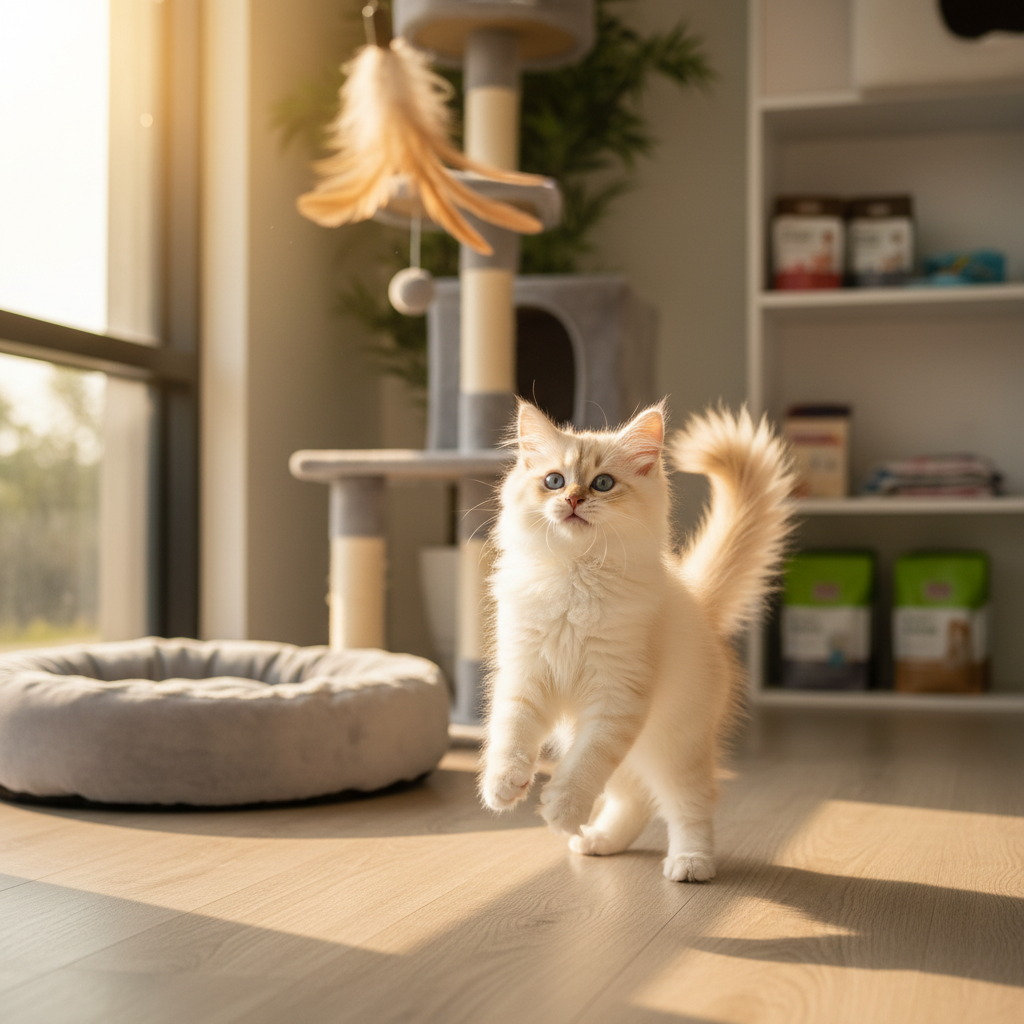
A comprehensive spring checklist for new kitten owners in Ireland, covering vaccinations, microchipping, parasite prevention, and seasonal hazards specific to the Irish climate. Tailored to Irish regulations and veterinary guidance for 2026.
Key Takeaways
- Kitten season in Ireland peaks from March to May, with the ISPCA and local rescue organisations experiencing surges in kitten arrivals each spring.
- Ireland is a rabies free country, so the rabies vaccine is not required for domestic cats living here. Core vaccines cover feline panleukopenia, calicivirus, and herpesvirus.
- Cat microchipping is not yet a legal requirement in Ireland (unlike dogs), but it is strongly recommended by Veterinary Ireland and the ISPCA.
- Ireland's damp, mild spring climate creates ideal conditions for flea, tick, and lungworm activity, making early parasite prevention essential.
- The most common first month mistakes include giving too much freedom too soon, delaying vet visits, and underestimating spring hazards such as open windows, toxic plants, and garden chemicals.
Why Spring Kittens in Ireland Need a Tailored Checklist
Spring in Ireland brings a predictable surge in kitten births. The ISPCA regularly reports that catteries across the country are stretched to capacity during kitten season, with shelters such as the Dublin SPCA, Cork SPCA, and numerous local rescue groups all experiencing high intake from March through to summer. For anyone adopting a kitten during this period, the Irish climate and regulatory landscape create a distinct set of considerations compared to general global advice.
Ireland's temperate maritime climate means spring temperatures are mild (typically 8 to 14°C in April and May) but accompanied by frequent rain and high humidity. This combination encourages parasite activity earlier in the year than in drier climates and creates damp conditions that affect how kittens settle into their new homes. Open windows for ventilation, spring garden work, and Easter decorations all introduce hazards that require a structured approach.
Vaccination Timeline for Kittens in Ireland
Core Vaccines
In line with World Small Animal Veterinary Association (WSAVA) guidelines, the core vaccines recommended for all kittens in Ireland protect against:
- Feline panleukopenia (FPV)
- Feline calicivirus (FCV)
- Feline herpesvirus 1 (FHV 1)
Importantly, Ireland is officially rabies free. The rabies vaccine is not part of the routine schedule for cats living in Ireland. It is only required if you plan to travel abroad with your cat under the EU Pet Passport scheme.
The typical vaccination schedule followed by Irish veterinary practices is:
- 8 to 9 weeks: First dose of the combination vaccine (often referred to as the "cat flu and enteritis" vaccine).
- 12 weeks: Second dose and booster.
- 16 weeks: Some practices administer a third dose, particularly for kittens adopted from shelters where maternal antibody levels may be uncertain.
- 15 months: First annual booster, then as advised by the veterinary surgeon.
Kittens adopted from the ISPCA or affiliated rescues typically arrive with at least one vaccination and a health check already completed. Always request the vaccination card at the time of adoption and bring it to your first veterinary appointment to avoid duplication or gaps.
Non Core Vaccines
Depending on lifestyle and risk assessment, a veterinary surgeon may also recommend:
- Feline leukaemia virus (FeLV): Strongly recommended for any kitten that will have outdoor access, which is common in Ireland given the prevalence of indoor/outdoor cat lifestyles, particularly in rural areas.
- Chlamydophila felis: Sometimes recommended for multi cat households or catteries.
All vaccination decisions should be made in consultation with a registered veterinary practitioner. The Veterinary Council of Ireland maintains a public register of all licensed practitioners.
Microchipping: Recommended but Not Yet Compulsory for Cats
Under the Microchipping of Dogs Regulations 2015, all dogs in Ireland must be microchipped. However, as of 2026, there is no equivalent legal requirement for cats. Proposed EU level regulations on pet traceability may change this in the future, but for now, cat microchipping remains voluntary.
That said, professional consensus from Veterinary Ireland and the ISPCA strongly recommends microchipping all cats. Practical points for new kitten owners:
- Microchipping can be done at the first veterinary visit and costs typically between €30 and €50.
- The chip must be registered on a recognised database such as Fido (fido.ie), which is one of the main pet microchip databases operating in Ireland.
- Keeping your contact details up to date on the database is essential. The chip is only effective if the registration is current.
- Microchips are not GPS trackers. They are passive transponders read by scanners at veterinary clinics, shelters, and local authority dog wardens.
Given that Ireland has a significant population of free roaming and community cats, microchipping is one of the most reliable ways to prove ownership and reunite a lost cat with its family.
Indoor Setup Essentials for Irish Homes
The Safe Room (First 3 to 7 Days)
Before giving a kitten the run of the house, confine them to a single room containing:
- A litter tray placed well away from food and water bowls
- Fresh water in a stable, shallow bowl
- Age appropriate kitten food (look for products meeting FEDIAF nutritional guidelines, the European equivalent of AAFCO standards)
- A cosy hiding spot: a covered bed, a cardboard box with a blanket, or a warm fleece in a quiet corner
- A scratching post or pad
- A few safe toys with no detachable small parts, string, or ribbon
This gradual introduction reduces stress and supports litter training. For advice on choosing safe, non toxic toy materials, see our Ethical Spring Pet Toy Guide: Materials Compared.
Room by Room Kitten Proofing
Kitchen: Fit child locks on low cupboards containing cleaning products and dishwasher tablets. Store toxic human foods (onions, garlic, grapes, chocolate, xylitol containing products) in sealed containers. Secure bin lids, as kittens are strong enough to topple lightweight pedal bins. Check behind appliances for gaps where a small kitten could become wedged.
Living Room: Use cord covers on electrical cables and blind cords (both strangulation and electrocution risks). Anchor tall furniture and bookshelves to the wall. Remove or elevate all toxic houseplants. Lilies (all Lilium and Hemerocallis species) are extremely toxic to cats, with even minor exposure potentially causing kidney failure. Other common spring plants to remove include daffodils (very common in Irish gardens), tulips, and azaleas. For plant safety guidance, see our Pet Memorial Garden in Spring: Safe Planting for Ireland. Check reclining chairs and sofa beds before operating them.
Bathroom: Keep toilet lids closed. Store all medications in a locked or latched cabinet. Paracetamol and ibuprofen are highly toxic to cats, even in tiny amounts. Remove hair ties, dental floss, and cotton buds, as these linear foreign bodies are a documented surgical emergency.
Bedrooms: Ensure all windows have secure screens or restrictors. Irish spring weather encourages airing out rooms, and "high rise syndrome" (falls from height) is a recognised veterinary emergency for cats. Store small items like earrings, buttons, and hair clips in closed containers.
Utility Room: Always check inside washing machines and tumble dryers before starting a cycle. Kittens are drawn to warm, enclosed spaces. Store laundry detergent pods out of reach.
Spring Hazards Specific to Ireland
Ireland's climate and seasonal patterns create several distinct risks:
- Damp conditions and parasites: Ireland's mild, wet spring means flea and tick populations activate early. Lungworm (Aelurostrongylus abstrusus) is also a concern, as the intermediate hosts (slugs and snails) are abundant in Irish gardens. Discuss a comprehensive parasite prevention programme with your vet. Kitten specific formulations are essential, as many adult cat or dog products (particularly those containing permethrin) are lethal to kittens.
- Garden chemicals: Slug pellets containing metaldehyde are still in use in some Irish gardens and are extremely toxic to cats. Lawn fertilisers and weedkillers should be stored securely.
- Open windows: Standard fly screens are often insufficient to bear a cat's weight. Fit purpose built cat safe mesh or window restrictors on any window you plan to open.
- Easter hazards: Lilies in Easter bouquets deserve particular emphasis. Chocolate, small plastic eggs, and decorative tinsel are additional risks.
- Daffodils: Particularly relevant in Ireland, where daffodils are widespread in gardens and public spaces in spring. All parts of the daffodil plant are toxic to cats, with the bulb being the most dangerous.
The Socialisation Window
Feline behavioural research identifies the sensitive period for socialisation as approximately 2 to 7 weeks, with some experts extending this to 9 weeks. Most kittens are adopted at 8 to 12 weeks, meaning much of this window has already closed. However, continued gentle exposure during the first months at home is highly beneficial:
- Introduce the kitten to a variety of calm visitors of different ages and appearances.
- Gradually expose them to household sounds (vacuum cleaner, doorbell, radio) at low volumes, paired with treats or gentle play.
- Handle the kitten daily, including touching paws, ears, and mouth, to prepare for veterinary examinations and grooming.
- If other pets are present, introduce them slowly under supervision, always providing escape routes for the kitten. Our Rescue Cat Outdoor Transition: A Spring Safety Guide covers multi pet dynamics in more detail.
Emergency Preparedness
Assemble a kitten emergency kit before you need it:
- Your veterinary surgery's phone number and address
- The nearest after hours or 24 hour emergency veterinary clinic details
UCD Veterinary Hospital / Local Emergency Vet
Call your vet's emergency out-of-hours number or contact the UCD Veterinary Hospital in Dublin.
Irish vet practices provide out-of-hours emergency contact details on their answerphone message.
- A hard sided pet carrier appropriately sized for a kitten
- Sterile gauze pads and self adhesive bandage wrap
- Blunt tipped scissors and a digital thermometer (normal feline temperature: 38.1 to 39.2°C)
- A clean towel for wrapping and gentle restraint
- Sterile saline solution for flushing minor wounds
- A recent photo of your kitten on your phone, invaluable if the kitten escapes
- Copies of vaccination records and microchip registration details
Common Mistakes in the First 30 Days
- Too much space too soon: Allow the kitten to build confidence in one room before expanding access.
- Delaying the first vet visit: Book the first appointment within 24 to 72 hours of bringing the kitten home.
- Using dog flea products on cats: Permethrin based dog treatments are fatal to cats. Never apply any product without veterinary guidance.
- Litter tray errors: Avoid placing the tray near food, using a covered tray that traps odours, or switching litter brands abruptly. The rule of thumb: one tray per cat, plus one extra.
- Wrong diet: Kittens need higher protein and calorie content than adult cats. Choose food labelled for kittens or all life stages that meets FEDIAF nutritional standards. For insights on automated portion control, see How AI Smart Feeders Actually Work in 2026.
- Skipping pet insurance: Veterinary emergency costs in Ireland can run to several hundred euros or more. Kitten insurance in Ireland can start from around €6 to €15 per month for basic cover, with more comprehensive lifetime plans available at higher premiums. Insuring while the kitten is young and healthy typically provides better coverage. See Employer Pet Insurance in Ireland: Is It Worth It?
- Ignoring dental health: Kittens begin losing baby teeth at around 3 to 4 months. Early mouth handling establishes a foundation for lifelong dental care.
Spring Maintenance Checklist at a Glance
- Inspect and replace window screens before opening windows for the season
- Audit all spring plants indoors and in the garden (pay special attention to lilies and daffodils)
- Begin or update flea, tick, and worm prevention with a kitten safe product
- Schedule the next vaccination booster
- Check the garden for slug pellets, fertilisers, and weedkillers
- Ensure the emergency kit is complete and contact numbers are current
Printable Summary: First 30 Day Checklist
- Before arrival: Set up safe room, purchase essentials (food, litter, carrier, scratching post, toys), book first vet appointment, kitten proof at least one room.
- Day 1 to 3: Keep kitten in safe room, introduce litter tray, begin gentle handling, monitor eating and drinking.
- Day 3 to 7: First veterinary visit, begin or continue vaccination schedule, discuss microchipping and parasite prevention.
- Week 2: Gradually allow supervised exploration of additional rooms, continue socialisation.
- Week 3: Introduce existing pets slowly and under supervision, establish play routines.
- Week 4: Second vaccination booster (if timing aligns), reassess kitten proofing as the kitten grows bolder, confirm microchip registration is accurate on Fido or your chosen database.
Frequently Asked Questions
Is microchipping compulsory for cats in Ireland? ↓
Do kittens in Ireland need a rabies vaccine? ↓
When should I start flea and worm treatment for my kitten in Ireland? ↓
What vaccinations does my kitten need in Ireland? ↓
How much does kitten insurance cost in Ireland? ↓
Which spring plants are toxic to cats in Ireland? ↓

Tom Ashford
Pet Safety & Home Consultant
Pet safety and home-proofing specialist — systematic hazard prevention and emergency preparedness for pet owners.
Content Disclosure
This article was created using state-of-the-art AI models with human editorial oversight. It is intended for informational and entertainment purposes only and does not constitute veterinary medical advice. Always consult a licensed veterinarian for your pet's specific health needs. Learn more about our process.