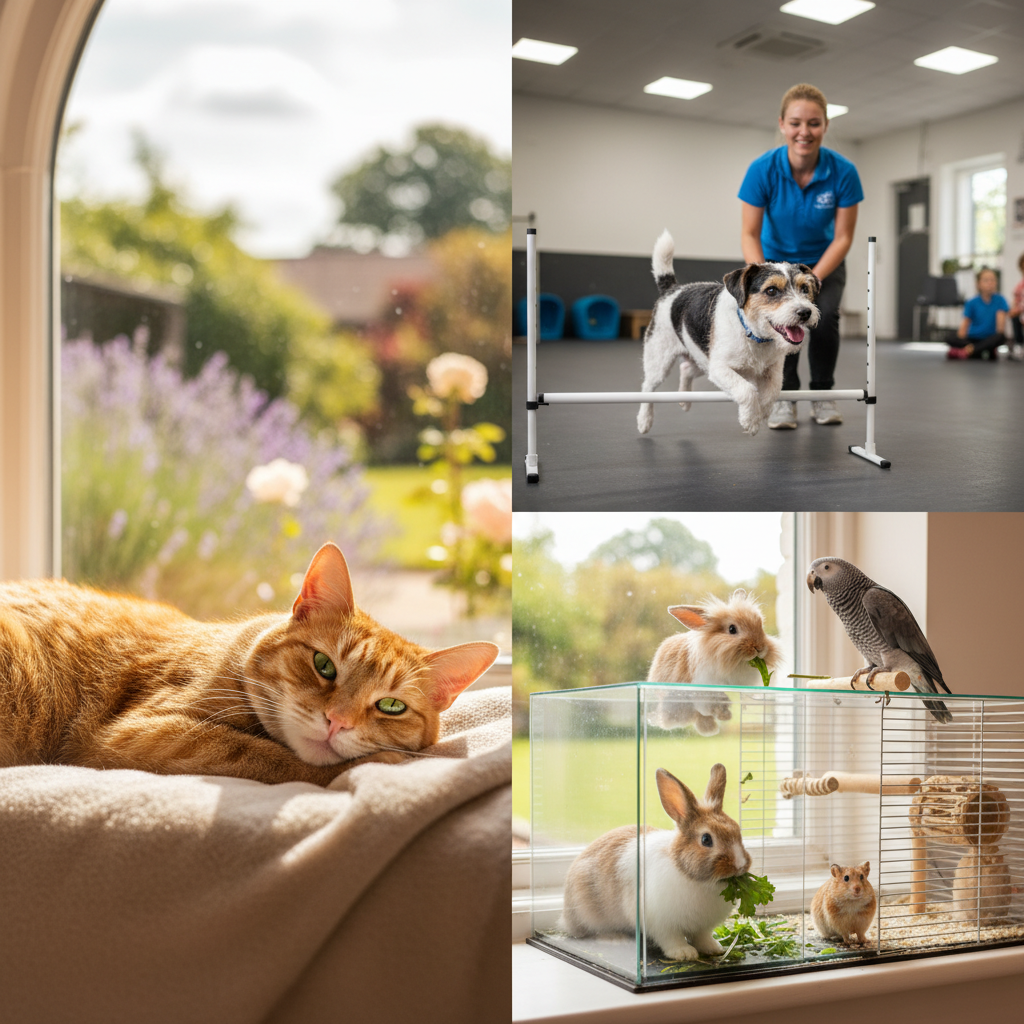
A practical, compassionate guide for Irish households navigating the loss of a beloved pet during the school summer holidays. Covers child support, aftercare choices under Irish law, and care for any surviving animals.
Key Takeaways
- The Irish summer break reshapes grief: with primary and secondary schools off from late June until the end of August, children are home full time and emotions surface in ways term time rarely allows.
- Honest, age appropriate language (avoiding euphemisms such as "put to sleep" with young children) supports healthier processing of loss.
- Memory boxes give children a tangible, ongoing way to remember a pet and revisit feelings safely over the long holidays.
- Home burial in Ireland is generally permitted on land you own, subject to environmental and depth considerations, while cremation (communal or individual) is available through most Irish veterinary practices.
- Irish charities and the Veterinary Council of Ireland offer guidance on aftercare, and groups such as the ISPCA and Dogs Trust Ireland publish accessible bereavement information.
- A surviving pet may show appetite, sleep, or behaviour changes and benefits from steady routine, gentle reassurance, and veterinary review if symptoms persist beyond two weeks.
Overview: Why Summer Holiday Grief Is Different in Ireland
The loss of a family pet is one of the most emotionally significant events many Irish households face, and when it happens between late June and early September, the dynamics shift considerably. Children are at home for roughly nine weeks, parents may be juggling work and childcare across school closures and creche schedules, and the absence of a familiar four legged presence becomes visible at every meal, every walk along the local greenway, and every quiet afternoon in the garden. Professional consensus from Irish veterinary and animal welfare bodies highlights that the long summer offers both a challenge and an opportunity: more time together can deepen distress, but it also creates space for meaningful family rituals and conversations.
This guide focuses on families across Ireland, from Cork to Donegal, navigating pet loss during the warmer months. It draws on guidance aligned with the Veterinary Council of Ireland (VCI), Veterinary Ireland, the Irish Society for the Prevention of Cruelty to Animals (ISPCA), and Dogs Trust Ireland to help parents, carers, and guardians support children, choose appropriate aftercare, and care for any surviving animals at home. For urgent out of hours veterinary support, families should keep
UCD Veterinary Hospital / Local Emergency Vet
Call your vet's emergency out-of-hours number or contact the UCD Veterinary Hospital in Dublin.
Irish vet practices provide out-of-hours emergency contact details on their answerphone message.
Recognising How Grief Shows Up in Children and Pets
Children: Signs by Age Group
Grief in children rarely mirrors adult grief. Carers commonly report a wave pattern: intense sadness one hour, normal play the next. This is developmentally typical, not avoidance.
- Ages 3 to 5 (Junior and Senior Infants age): May ask repeated questions ("When is Bran coming back?"), regress in toileting or sleep, or talk to the pet as if still present. They process loss in short bursts.
- Ages 6 to 9 (First to Third Class): Begin to grasp the permanence of death. May worry about siblings, grandparents, or other pets dying. Drawings, questions about the body, and physical complaints such as tummy aches are common.
- Ages 10 to 12 (Fourth to Sixth Class): Often understand fully but may mask feelings to protect parents. Watch for withdrawal, irritability, or changes in friendships ahead of secondary school transition.
- Teenagers: Can grieve as profoundly as adults, sometimes layered with guilt ("I should have walked him more on the prom"). Privacy matters, but isolation should not be confused with coping, particularly around Junior Cycle and Leaving Cert results day in mid August.
The Surviving Pet: Behavioural and Physical Signs
Dogs, cats, rabbits, and even birds frequently respond to the loss of a bonded companion. Typical signs include reduced appetite, increased vocalisation, searching the deceased pet's usual resting spots, clinginess, lethargy, or unusual confidence shifts where a previously submissive animal explores new areas. Veterinary guidance suggests monitoring for any change lasting more than two weeks, or any rapid weight loss of more than a kilogram in a medium dog or noticeable thinning in a smaller pet, as physical illness can mimic or accompany grief.
Age Appropriate Conversations: What to Say and How
Use Clear, Honest Language
Bereavement professionals consistently advise against euphemisms with young children. Phrases like "put to sleep", "gone away", or "lost" can cause genuine confusion, particularly around bedtime, sleepovers, or family trips to the Gaeltacht or the seaside. Instead, use simple, factual language: "Bran's body stopped working. He has died, and that means he will not come back. It is very sad."
Sample Scripts by Age
- For a 4 year old: "Bran was very poorly and his body could not get better. He has died. It is okay to feel sad, and it is okay to play too. We will remember him together."
- For an 8 year old: "The vet helped Bran so he would not be in pain anymore. His body stopped working peacefully. You can ask me anything, and no question is silly."
- For a 12 year old: "This is one of the hardest parts of loving an animal. Your feelings might come and go this summer, and all of them are normal. If you want to talk, draw, or just sit, I am here."
Honouring Their Questions
Children may ask whether the pet was scared, whether it was their fault, or what happens to the body. Answer honestly within their developmental window. Reassure them that nothing they did or failed to do caused the death. If euthanasia was involved, frame it as a kind, considered decision made with the vet to prevent suffering.
Creating a Memory Box Together
A memory box is one of the most widely recommended bereavement activities for Irish families with children. It provides a focused, creative outlet during the unstructured summer days when the weather may keep everyone indoors, and gives children something tangible to revisit as their understanding of loss matures.
Choosing the Box
Any sturdy container works: a shoebox decorated with paint and stickers, a wooden keepsake box from a local craft shop, or a biscuit tin lined with fabric. Let the child take the lead on decoration.
What to Include
- The pet's collar, ID tag (which under Irish law must carry the owner's name and address for dogs in public), or a favourite small toy
- A clipping of fur, which many Irish veterinary practices will offer as part of aftercare
- A paw print in clay or ink
- Printed photographs, including silly ones that make the child laugh
- A handwritten letter from each family member
- Drawings, especially from younger siblings
- A small jar of sand from a favourite beach such as Inchydoney, Brittas Bay, or Lahinch, or a pressed wildflower
- The pet's food bowl name label or a label from a favourite treat
Making It a Ritual
Set aside a quiet afternoon during the holidays. Light a candle if appropriate, share a favourite memory each, and place items in together. Some families revisit the box on the anniversary, the pet's birthday, or whenever a child asks. Keep it somewhere accessible, not tucked away in the attic.
Choosing Between Burial and Cremation in Ireland
Home Burial
In Ireland, burying a companion pet in your own garden is generally permitted provided you own the land (not rented without the landlord's written permission), the pet has not been treated with substances classed as hazardous, and the grave is deep enough to prevent disturbance by wildlife. A depth of around 0.6 to 0.9 metres is typically recommended for a small pet, and deeper for larger breeds such as a Labrador or Irish Wolfhound. The Department of Agriculture, Food and the Marine advises avoiding burial near wells, streams, or vegetable patches to protect groundwater. Wrap the body in biodegradable material such as a cotton sheet or wicker casket rather than plastic.
Home burial can be deeply meaningful for children who want a physical place to visit. Consider planting a hardy perennial such as rosemary, lavender, or a native rowan above the grave as a living memorial that copes well with the Irish maritime climate.
Communal Cremation
Most Irish veterinary practices partner with a regulated pet crematorium offering communal cremation. Several pets are cremated together and ashes are not returned. Costs typically range from around €80 to €150 depending on pet size and provider, making this the most affordable respectful option.
Individual Cremation
The pet is cremated alone and the ashes returned in a casket or scatter tube, usually within one to two weeks. Costs in Ireland generally range from around €180 to €350 depending on pet size, with many providers offering home collection across Leinster, Munster, Connacht, and Ulster, viewing rooms, paw print keepsakes, and certificates of cremation.
Helping Children Decide
Involve older children in the choice where possible. Explain each option in calm, factual terms. For burial, walk them through where it will happen. For cremation, explain that the body becomes ash through gentle heat and that the ashes can be kept, scattered (with landowner permission), or buried.
Working With Irish Bereavement and Welfare Resources
Irish Animal Welfare Organisations
While Ireland does not currently have a dedicated national pet bereavement helpline equivalent to the UK Blue Cross service, several established organisations offer support and signposting:
- ISPCA: publishes welfare and end of life guidance and can direct families to local support.
- Dogs Trust Ireland: offers educational resources for families, including age appropriate material on loss.
- DSPCA (Dublin SPCA): provides community support and aftercare information for Dublin and Greater Dublin households.
- Veterinary Ireland: the professional body whose member practices can refer families to counsellors familiar with pet loss.
Human Support Services
For children or adults whose grief feels overwhelming, Irish services include the HSE for GP referral, Childline (ISPCC) on 1800 66 66 66 for under 18s, and Pieta on 1800 247 247 for those in acute distress. Pet loss can intersect with other summer pressures such as Leaving Cert results in mid August, so early support is wise.
Prevention Strategies: Reducing Distress Before the Goodbye
Where loss is anticipated, such as in end of life care for an older Springer Spaniel or a chronically ill cat, preparation softens the impact:
- Have the euthanasia conversation with your VCI registered vet early, including whether home visits are available in your area.
- Discuss the situation with children in advance, in language matched to their age.
- Allow children to say goodbye if they wish, but never force participation in the euthanasia itself.
- Plan a small ritual: a favourite meal for the pet, a final walk along a familiar boreen or coast path, a family photograph.
- Book any staycation in West Cork, Kerry, or Mayo flexibly so the family is not forced to mask grief immediately afterwards.
Supporting a Surviving Pet Through the Change
Maintain Routine
Walks, feeding times, and play sessions should continue at the same times. Routine stabilises a grieving animal, particularly during summer when children's schedules are already disrupted. Be mindful of the temperate but humid Irish climate: even on a 19°C day, walking on a restricted breed such as a Bull Mastiff or Rottweiler (which under the Control of Dogs Regulations 1998 must be muzzled and on a short lead in public) should follow the cooler hours of morning and evening to avoid added stress.
Allow Quiet Investigation
Where circumstances allow, behaviour guidance suggests letting a bonded surviving pet briefly see or smell the deceased companion's body before removal. This is a personal choice and not always practical, but it commonly reduces prolonged searching behaviour.
Gentle Enrichment
Introduce low pressure activities: a sniffari walk through a local park, a puzzle feeder for a cat, fresh forage for a rabbit kept safely indoors during damp Irish summers. Avoid introducing a new companion animal in the immediate weeks following loss. Decisions about a new pet are best made several months later, when the household has stabilised.
Treatment and Vet Care for the Surviving Pet
Most grief related behaviour resolves within two to six weeks with steady support. Book a veterinary appointment if you observe:
- Appetite loss lasting more than 48 hours in cats or small mammals, or more than three to four days in dogs
- Unexplained weight loss of around 5 percent or more of body weight
- Excessive grooming, self mutilation, or sudden aggression
- Persistent vocalisation, particularly at night
- Toileting accidents in a previously trained pet
Your VCI registered vet can rule out concurrent illness, particularly important in senior animals. Ensure your pet's microchip details are up to date with Fido, Animark, or the Irish Kennel Club database as required under the Microchipping of Dogs Regulations.
When to Seek Emergency Help
For Children
Contact your GP, dial 112, or use HSE out of hours services if a child expresses thoughts of self harm, refuses food and fluids for more than 24 hours, shows extreme withdrawal, or experiences panic attacks. Childline and Jigsaw offer specialist youth mental health support.
For the Surviving Pet
Emergency veterinary care is warranted for collapse, repeated vomiting, complete refusal of water, laboured breathing, or any sudden severe behavioural change. Pet bereavement does not cause acute medical emergencies, but the stress of loss can unmask underlying conditions in senior animals.
For Adults in the Household
Pet loss is a recognised form of disenfranchised grief. If you find yourself unable to work, sleep, or care for the family for more than two weeks, contact your GP. Aware (1800 80 48 48) and Samaritans (116 123) offer free confidential listening support across Ireland.
A Final Word for Irish Families This Summer
The long Irish summer holidays, with their mix of bright evenings, soft rain, and family time, can feel especially heavy when a beloved pet is no longer part of the household routine. Yet the same weeks that amplify the absence also offer something precious: uninterrupted time for honest conversation, shared rituals, and slow, family paced healing. Children guided gently through loss often emerge with a richer understanding of love, responsibility, and the value of remembering. The pet who shared your hearth, your garden, and your school run mornings deserves that careful goodbye, and your family deserves the space to grieve well.
Frequently Asked Questions
Is it legal to bury a pet in my garden in Ireland? ↓
How much does pet cremation cost in Ireland? ↓
Are there Irish pet bereavement helplines for children? ↓
How should I explain a pet's death to a young child during the school holidays? ↓
When should I take a grieving surviving pet to the vet? ↓

TrustMyPets Editorial Team
Global Pet Care Experts
Multi-disciplinary editorial team — evidence-based pet care guidance across health, behaviour, and welfare.
Content Disclosure
This article was created using state-of-the-art AI models with human editorial oversight. It is intended for informational and entertainment purposes only and does not constitute veterinary medical advice. Always consult a licensed veterinarian for your pet's specific health needs. Learn more about our process.