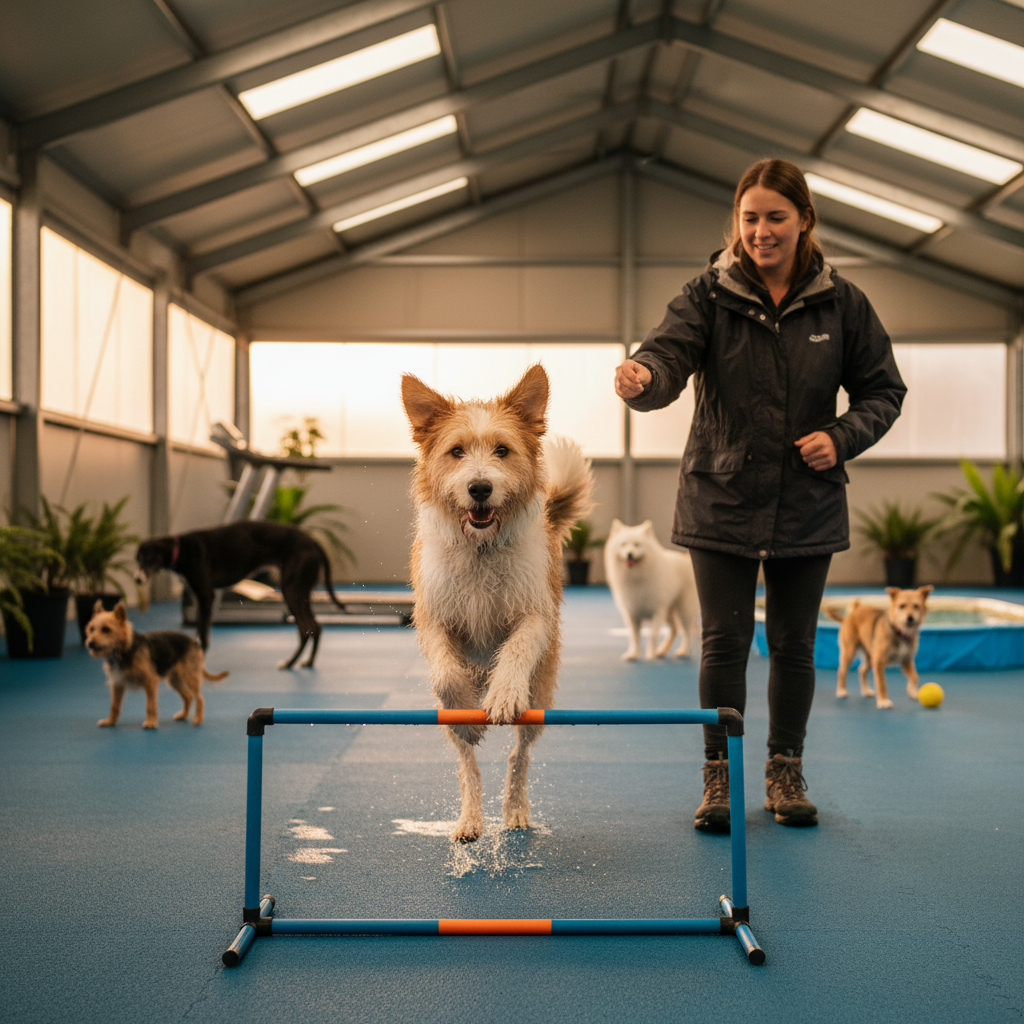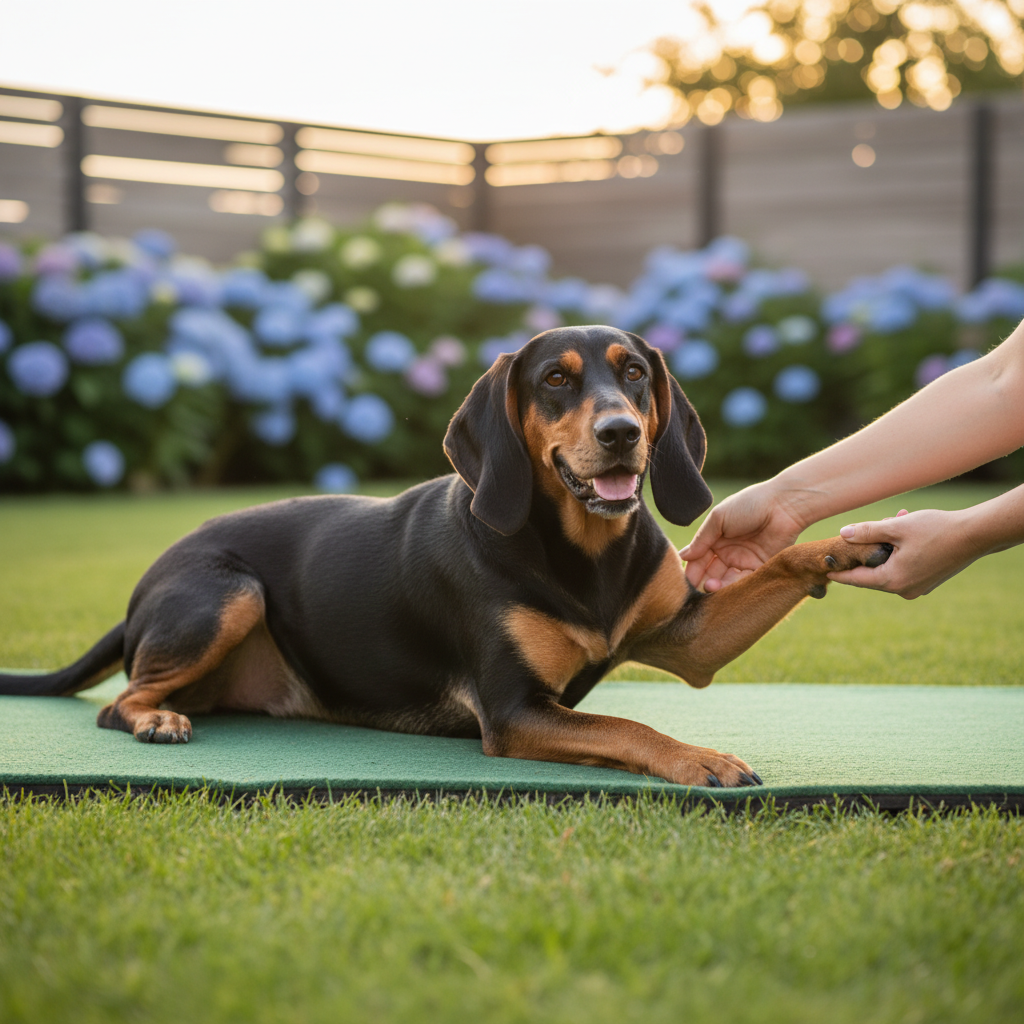
Canine hydrotherapy sessions in Ireland typically cost between €40 and €100, with a full rehabilitation course for hip dysplasia ranging from €500 to €2,500 or more. This guide covers Irish pricing, insurance options, facility types, and what to expect from structured aquatic rehabilitation.
Key Takeaways
- A single underwater treadmill session for a dog with hip dysplasia in Ireland typically costs between €40 and €100, depending on the facility, session length, and whether it is veterinary or independently operated.
- Most rehabilitation protocols call for one to three sessions per week over six to twelve weeks, bringing total costs to roughly €500 to €2,500 before any insurance reimbursement.
- Veterinary referral is standard practice in Ireland; most hydrotherapy and physiotherapy centres require a referral letter from your dog's primary vet before commencing treatment.
- Pet insurance providers operating in Ireland, including Allianz, Agria, and others, increasingly include rehabilitation and complementary therapies, but pre-existing condition exclusions and annual sub-limits apply.
- Ireland's damp, cool climate can worsen joint stiffness in dogs with hip dysplasia, making year-round access to warm-water hydrotherapy particularly beneficial.
Why Hydrotherapy Matters for Irish Dogs With Hip Dysplasia
Hip dysplasia is one of the most frequently diagnosed orthopaedic conditions in dogs, especially among medium to large breeds popular in Ireland such as Labrador Retrievers, German Shepherds, Golden Retrievers, Irish Setters, and Bernese Mountain Dogs. The condition causes abnormal hip joint development, leading to instability, cartilage wear, inflammation, and progressive osteoarthritis. While surgical options such as total hip replacement or femoral head ostectomy exist, many dogs respond well to conservative management built around pain control, weight management, and structured physical rehabilitation.
Ireland's temperate maritime climate brings frequent rain, high humidity, and cool temperatures for much of the year. These conditions can aggravate joint stiffness and discomfort in dogs with hip dysplasia, particularly during the colder months from October through March. Hydrotherapy provides a controlled, warm-water environment (typically 26°C to 30°C) that eases joint pain and allows dogs to exercise comfortably regardless of the weather outside. For owners in rural parts of the country where long walks may involve uneven terrain or muddy fields, hydrotherapy offers a safe alternative to outdoor exercise during flare-ups.
How Underwater Treadmill Therapy Works
An underwater treadmill consists of an enclosed chamber fitted with a motorised belt at the base. The chamber fills with temperature-controlled water to a depth set by the therapist. Key variables include:
- Water depth: Higher water levels provide greater buoyancy, reducing the load on hip joints by an estimated 40% to 60% of body weight. Lower levels increase the weight-bearing challenge as the dog progresses.
- Treadmill speed: Usually set between 0.5 and 3.0 km/h, matched to the dog's comfort and gait quality.
- Session duration: Initial sessions may involve only 5 to 10 minutes of active walking, building gradually to 20 to 30 minutes as conditioning improves.
- Water jets: Some units include adjustable resistance jets that further engage core and limb muscles.
A qualified canine rehabilitation therapist monitors the dog throughout, observing gait symmetry, compensatory movement patterns, fatigue, and pain indicators. In Ireland, practitioners may hold credentials such as a Postgraduate Diploma in Veterinary Physiotherapy, membership of the Irish Register of Veterinary Animal Physiotherapists (IRVAP), or internationally recognised certifications (CCRT or CCRP). Sessions are typically documented to track progress over time.
Underwater Treadmill vs. Swimming Pool Therapy
Some Irish facilities offer pool-based swimming sessions alongside or instead of underwater treadmills. Both use water's properties to support rehabilitation, but they differ in ways that affect cost and clinical outcomes:
- Controlled gait pattern: Treadmills encourage a natural walking or trotting gait, which is particularly valuable for retraining hip extension. Swimming involves a paddling motion that may not target hip mechanics as precisely.
- Precision: Treadmill speed, water depth, and session duration can be adjusted with precision. Pool sessions are more difficult to standardise.
- Cost: Underwater treadmill sessions tend to be more expensive because the equipment represents a significant capital investment for the facility (units can cost €30,000 to €80,000 or more).
Cost of Canine Hydrotherapy in Ireland
Session Pricing
Based on published pricing from Irish hydrotherapy centres, a standard 30-minute underwater treadmill session typically costs between €40 and €70 at independent hydrotherapy facilities. Veterinary-based rehabilitation centres, where a vet or veterinary physiotherapist supervises treatment, may charge €60 to €100 per session. Package deals are commonly available; for example, purchasing a block of 10 sessions often includes a complimentary or discounted extra session, reducing the effective per-session cost by approximately 10%.
Initial Assessment Fee
Most rehabilitation centres in Ireland require an initial consultation before hydrotherapy begins. This assessment typically includes gait analysis, range-of-motion measurement, pain scoring, body condition evaluation, and a treatment plan. Expect to pay €80 to €200 for this initial visit, depending on the facility and the level of diagnostic work involved. Some clinics include the first treadmill session within this fee.
Full Cost Breakdown for Ireland
| Item | Typical Cost Range (EUR) |
|---|---|
| Initial rehabilitation assessment | €80 to €200 |
| Single underwater treadmill session (20 to 30 min) | €40 to €100 |
| Package of 10 sessions (if offered) | €350 to €800 |
| Maintenance phase (1 to 2 sessions per month, ongoing) | €40 to €200 per month |
| Total for a 6 to 12 week initial programme (1 to 3x per week) | €500 to €2,500+ |
What Influences Price
- Location: Facilities in Dublin and surrounding commuter counties (Kildare, Wicklow, Meath) generally sit at the higher end of the price range. Centres outside the greater Dublin area may offer somewhat lower rates.
- Facility type: Veterinary hospital-based rehabilitation (such as university teaching hospitals) may charge differently from independent hydrotherapy centres. UCD Veterinary Hospital, for example, operates an Animal Rehabilitation Clinic that accepts referral cases and provides physiotherapy services within a teaching hospital setting.
- Dog size: Larger breeds require more water to fill the treadmill chamber, longer handling time, and sometimes additional staff. Some facilities apply a surcharge of €5 to €15 for giant breeds such as Irish Wolfhounds, Great Danes, or Saint Bernards.
- Severity and concurrent conditions: Dogs with severe dysplasia, post-surgical patients, or those with additional issues (obesity, cruciate ligament disease) may need longer sessions and supplementary treatments such as laser therapy or manual joint mobilisation, adding €15 to €50 per visit.
Finding a Qualified Hydrotherapy Provider in Ireland
The field of canine rehabilitation is still developing in Ireland compared to the UK or the United States, but the number of qualified practitioners and equipped facilities has grown steadily. When selecting a provider, consider the following:
- Credentials: Look for therapists who hold a recognised qualification in veterinary physiotherapy or canine rehabilitation, and ideally membership of the Irish Register of Veterinary Animal Physiotherapists (IRVAP).
- Veterinary oversight: The Veterinary Practice Act 2005 governs the practice of veterinary medicine in Ireland. Physiotherapy and hydrotherapy for animals should be carried out with appropriate veterinary referral. Reputable centres will require a referral letter from your dog's vet before commencing treatment.
- Equipment and hygiene: Ask about water filtration, temperature control, and infection prevention protocols. A well-maintained facility will be transparent about its procedures.
- Progress tracking: Facilities that record gait scores, range-of-motion measurements, and muscle circumference at regular intervals demonstrate a commitment to evidence-based practice.
Call your vet's emergency out-of-hours number or contact the UCD Veterinary Hospital in Dublin.
Irish vet practices provide out-of-hours emergency contact details on their answerphone message.
Pet Insurance and Hydrotherapy Coverage in Ireland
Several pet insurance providers operating in Ireland now include rehabilitation and complementary therapies within their policies. Key points for Irish pet owners:
- Providers with rehabilitation cover: Insurers such as Allianz, Agria, and others active in the Irish market offer policies that list hydrotherapy, physiotherapy, or complementary treatments as covered benefits. Coverage limits vary; some policies cap complementary therapy at a sub-limit within the overall annual vet fee allowance (for example, within a total cover of €3,000 to €7,500 depending on the plan tier).
- Pre-existing conditions: If hip dysplasia was diagnosed before the policy started, or during the waiting period, hydrotherapy costs are almost certainly excluded. This is universal across Irish insurers.
- Waiting periods: Most policies impose a waiting period of 14 to 30 days for illness claims. Some impose longer waits (up to 12 months) specifically for orthopaedic or hereditary conditions like hip dysplasia. Insuring puppies of predisposed breeds as early as possible is the most effective strategy.
- Referral requirements: Insurers generally require that hydrotherapy be prescribed by a veterinary surgeon and carried out at a recognised facility to qualify for reimbursement. Keep all referral letters and receipts.
- Excess and co-pay: Standard policy structures apply, with annual excesses typically ranging from €100 to €300 and reimbursement rates of 70% to 80% being common among Irish providers.
Financial Assistance Beyond Insurance
For owners without insurance coverage or facing exclusions, options include:
- Veterinary payment plans: Many Irish veterinary practices offer instalment payment options, either in-house or through third-party financing.
- Charitable organisations: The ISPCA and breed-specific rescue groups in Ireland occasionally assist with medical costs for dogs in need. The Dogs Trust Ireland also provides veterinary support in certain circumstances.
- Teaching hospitals: UCD Veterinary Hospital, as an academic institution, may offer certain rehabilitation services at rates that reflect its teaching mission, though this should be confirmed directly with the hospital.
Session Frequency and Treatment Phases
Rehabilitation professionals in Ireland generally follow a phased approach consistent with international guidelines:
Acute or Post-Surgical Phase (Weeks 1 to 4)
Two to three sessions per week with short active intervals (5 to 15 minutes of treadmill walking). The focus is on pain reduction, gentle reintroduction of weight bearing, and early muscle activation.
Strengthening Phase (Weeks 5 to 12)
One to two sessions per week with longer intervals (15 to 25 minutes) and progressive challenge through increased speed or reduced water depth. Formal reassessment of gait and range of motion every two to four weeks helps guide adjustments.
Maintenance Phase (Ongoing)
One to two sessions per month for dogs with chronic hip dysplasia. In Ireland's damp climate, many owners find that consistent maintenance hydrotherapy through the autumn and winter months is especially valuable for managing stiffness. Combining ongoing sessions with weight management, joint supplements, and controlled daily exercise provides the best long-term outcomes.
What the Evidence Shows
Veterinary rehabilitation is a relatively young specialty, and the evidence base consists primarily of small clinical studies and case series. However, published findings consistently support the following outcomes from structured underwater treadmill programmes:
- Statistically significant improvements in hip joint range of motion, measured with goniometry.
- Improved weight bearing and gait symmetry on pressure-sensitive walkway analysis.
- Measurable increases in thigh muscle circumference (typically 1 to 3 cm over a rehabilitation course), indicating improved muscular support.
- Improvement in owner-assessed quality-of-life scores using validated questionnaires such as the Canine Brief Pain Inventory and Helsinki Chronic Pain Index.
- Potential reduction in reliance on non-steroidal anti-inflammatory medication, always managed under veterinary supervision.
Questions to Ask Before Starting Hydrotherapy
Before committing to a programme at an Irish facility, clarify the following:
- What qualifications does the therapist hold, and are they registered with IRVAP or an equivalent body?
- Is a veterinary surgeon on site or available for consultation during sessions?
- What does the initial assessment include, and is it billed separately from the first session?
- Are block booking discounts available, and what is the cancellation policy?
- Will the facility provide itemised receipts and clinical documentation suitable for insurance claims?
- How will progress be measured, and how frequently will formal reassessments take place?
When Hydrotherapy May Not Be Appropriate
Hydrotherapy is not suitable for every dog. Contraindications may include open wounds or active skin infections, uncontrolled cardiac or respiratory disease, severe anxiety around water, certain infectious conditions, and orthopaedic instability that requires surgical correction before rehabilitation can safely begin. A thorough veterinary assessment should always precede the first session. Owners of restricted breeds under Ireland's Control of Dogs Act should also confirm with their chosen facility that appropriate handling protocols are in place.
Budgeting for Hydrotherapy in Ireland
The cumulative cost of consistent treatment over weeks and months is what most owners find surprising, not the price of a single session. Budgeting €800 to €1,800 for an initial six to twelve week course is a reasonable starting point for most Irish dog owners, with ongoing maintenance adding €40 to €200 per month. Given Ireland's climate and the prevalence of hip dysplasia in popular breeds here, early investment in rehabilitation can meaningfully improve a dog's comfort and mobility over the long term. Owners are encouraged to explore insurance cover before symptoms appear, ask about package pricing, and maintain open communication with their rehabilitation team about goals, timelines, and budget constraints.
Frequently Asked Questions
How much does a single dog hydrotherapy session cost in Ireland? ↓
Do I need a vet referral for dog hydrotherapy in Ireland? ↓
Does pet insurance in Ireland cover hydrotherapy for dogs? ↓
How many hydrotherapy sessions will my dog need for hip dysplasia? ↓
What qualifications should a canine hydrotherapist in Ireland hold? ↓

Rachel Simmons
Pet Ownership Cost Advisor
Pet ownership cost advisor — transparent vet fee breakdowns, insurance guidance, and financial planning for owners.
Content Disclosure
This article was created using state-of-the-art AI models with human editorial oversight. It is intended for informational and entertainment purposes only and does not constitute veterinary medical advice. Always consult a licensed veterinarian for your pet's specific health needs. Learn more about our process.