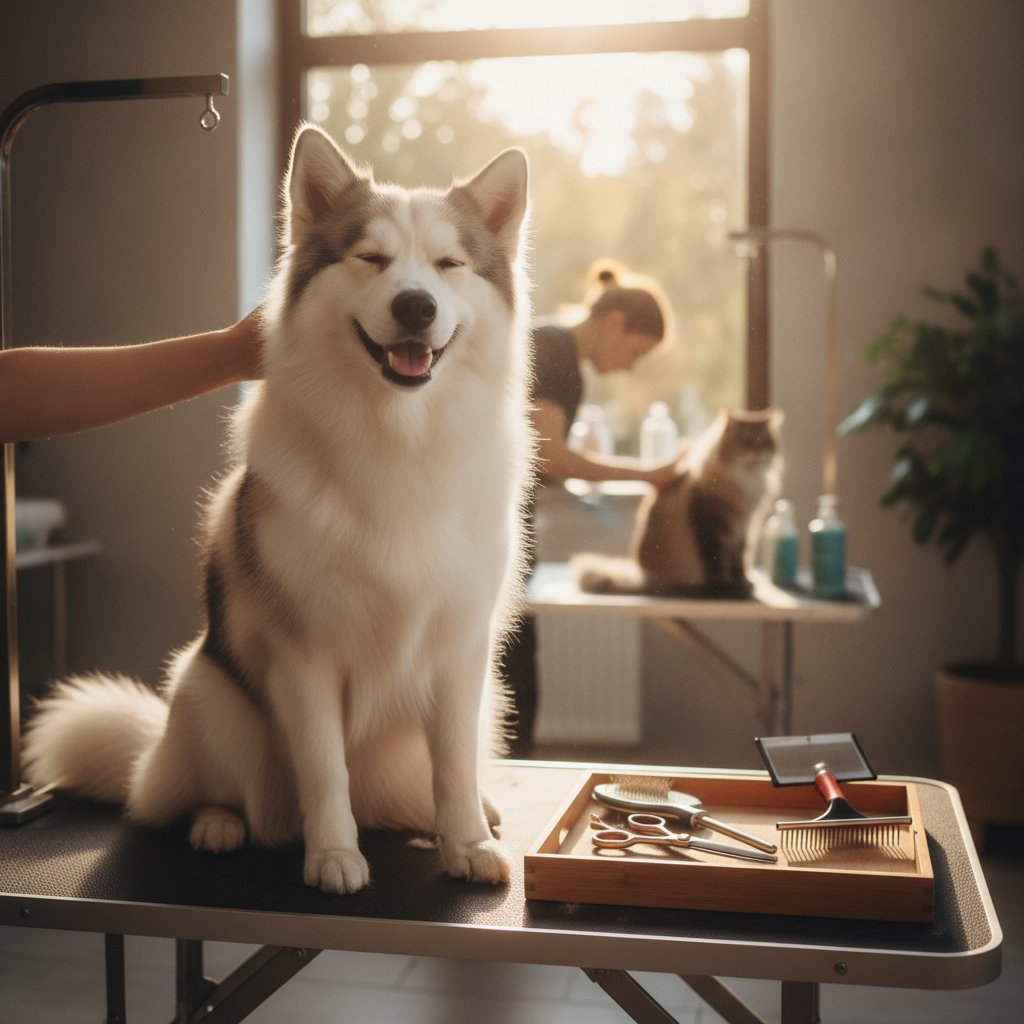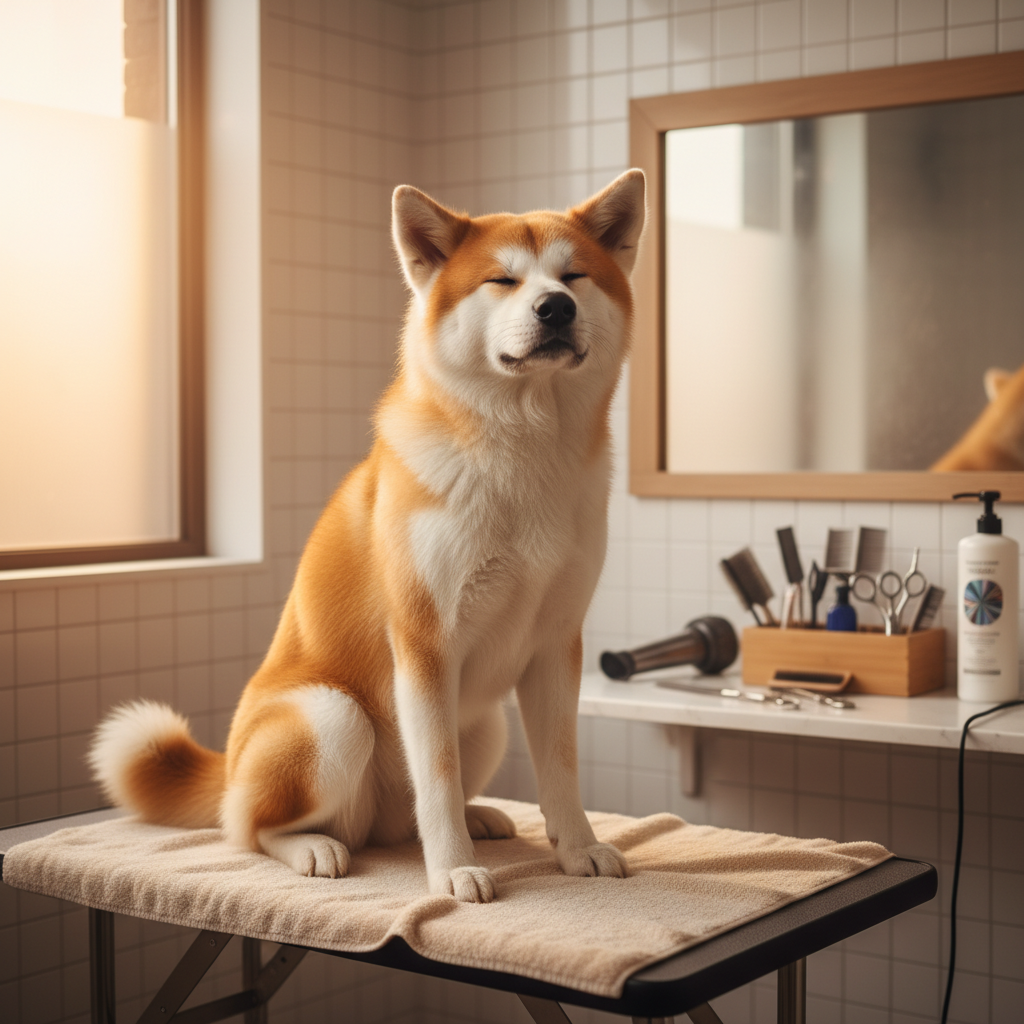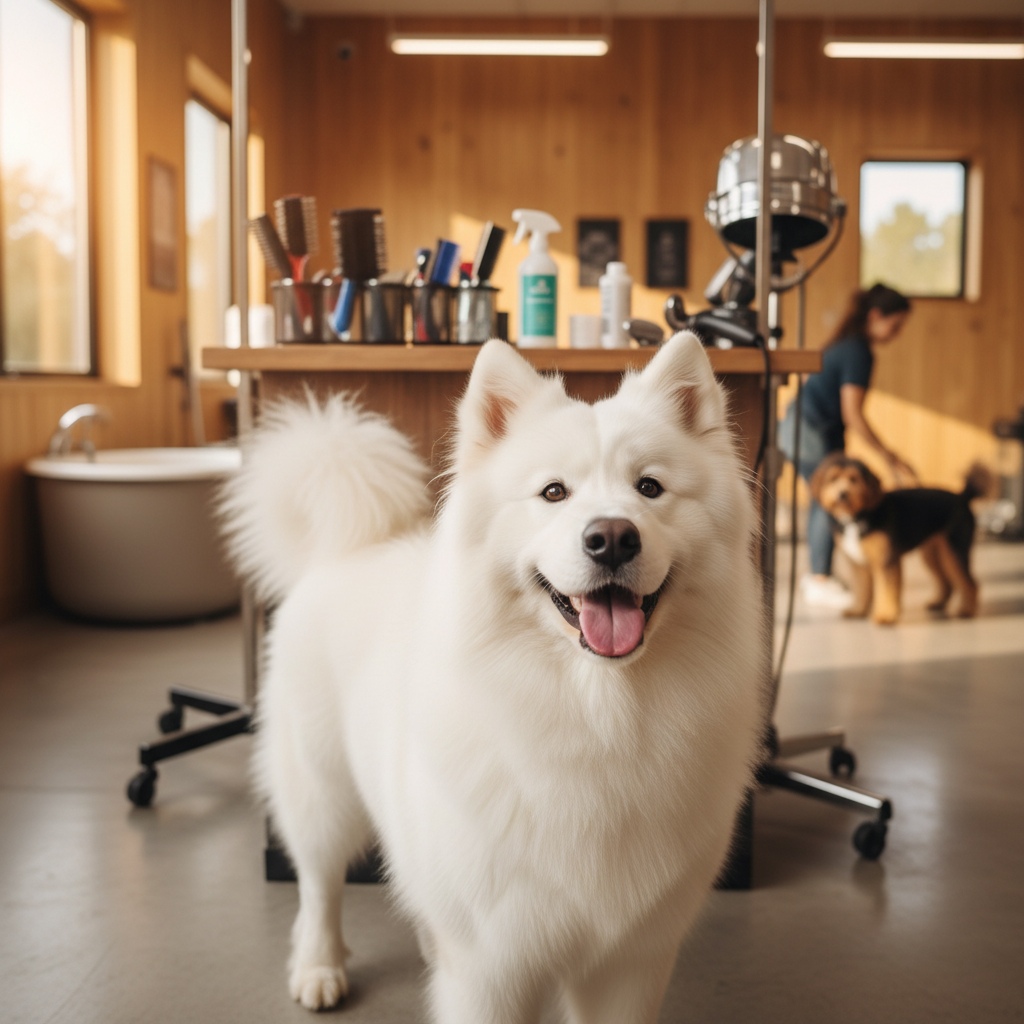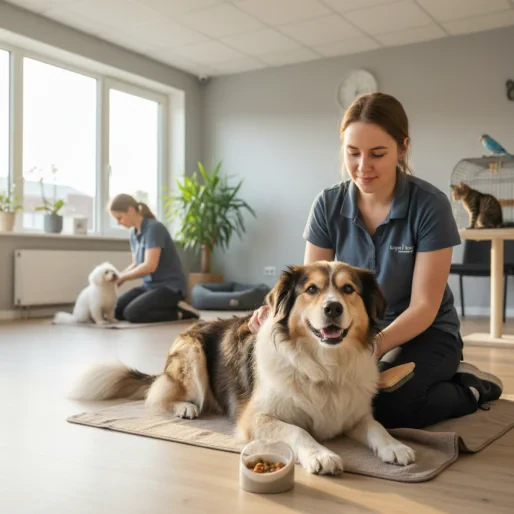
Anxious dogs in Ireland face unique grooming challenges shaped by our damp climate and strong welfare culture. This guide covers cooperative care, local resources, and veterinary support tailored to Irish dog owners.
Key Takeaways
- Cooperative care training gives dogs a sense of control during grooming, dramatically reducing fear responses.
- Ireland's wet, humid climate means more frequent grooming is often necessary, making low-stress techniques especially important.
- Desensitisation to clippers and dryers should follow a gradual, positive reinforcement protocol over days or weeks.
- Veterinary Ireland and the Veterinary Council of Ireland provide guidance on sedation and pharmacological support for severe grooming anxiety.
- Restricted breed owners under the Control of Dogs Act 1986 should be especially proactive about low-stress handling to keep dogs calm and manageable.
Why Grooming Anxiety Is Common in Irish Dogs
Grooming anxiety in dogs is neither unusual nor a sign of poor temperament. The International Association of Animal Behavior Consultants (IAABC) lists fear during handling among the most commonly reported behaviour concerns. In Ireland, several factors can intensify grooming needs and, consequently, grooming stress:
- Climate and coat condition: Ireland's temperate maritime climate brings persistent rain, high humidity, and muddy conditions for much of the year. Dogs walked regularly (as most Irish dogs are) accumulate dirt, matting, and damp coats that require more frequent grooming than dogs in drier climates. Breeds popular in Ireland such as Irish Setters, Soft Coated Wheaten Terriers, Kerry Blue Terriers, and various Collie crosses all carry coats that demand consistent upkeep.
- Lack of early socialisation: Puppies not gently introduced to grooming tools, handling, and salon environments during the critical socialisation window (roughly 3 to 14 weeks) are more likely to find these stimuli threatening later. Rescue dogs, of which Ireland has a strong culture of rehoming through organisations such as the ISPCA and Dogs Trust Ireland, may have unknown grooming histories.
- Previous aversive experiences: A single painful or frightening grooming session, such as a clipper nick or forceful restraint, can create a lasting negative association.
- Sensory sensitivity: Vibration from clippers, the sound and airflow of dryers, and the sensation of nail trimming can be genuinely overwhelming, especially for breeds with heightened sensory reactivity.
Understanding the root cause helps trainers and owners design the right intervention. A dog who has never been groomed requires a different approach than one who has been traumatised by past handling.
Irish Regulations and Restricted Breeds
Under the Control of Dogs Act 1986 (and subsequent amendments), certain breeds and their crosses are classified as restricted in Ireland. These include the American Pit Bull Terrier, Bull Mastiff, Doberman Pinscher, English Bull Terrier, German Shepherd, Japanese Akita, Japanese Tosa, Rhodesian Ridgeback, Rottweiler, Staffordshire Bull Terrier, and their crosses. Restricted breed dogs must be muzzled and kept on a short, strong lead in public by a person over 16 years of age.
For owners of restricted breeds, grooming anxiety carries additional practical implications. A dog that becomes reactive or difficult to handle during grooming may also become more challenging to manage in public settings where muzzle compliance is required. Investing in cooperative care training benefits not only the grooming experience but also the dog's overall tolerance of handling, including muzzle fitting and lead attachment.
All dogs in Ireland must also be microchipped under the Microchipping of Dogs Regulations 2015. Groomers and veterinary professionals may check or scan microchips during appointments, so accustoming dogs to being handled around the neck and scruff area is worthwhile.
Cooperative Care Training: A Step by Step Approach
Cooperative care is a training framework in which the dog is taught to actively participate in its own handling and grooming. The approach aligns with the Least Intrusive, Minimally Aversive (LIMA) principles endorsed by the IAABC. The core concept is that the dog has a "start button" behaviour (a voluntary action that signals consent) and can withdraw at any time to pause the procedure.
Step 1: Teach a Start Button Behaviour
The most common start button is a chin rest: the dog voluntarily places its chin on a hand, platform, or cushion.
- Hold your hand flat at the dog's chin height. Most dogs will investigate with a nose touch. Mark (with a clicker or verbal marker like "yes") and deliver a high value treat.
- Gradually shape for longer chin contact, increasing duration by half second increments, marking and rewarding each successful repetition.
- Once the chin rest is reliable at 5 to 10 seconds, begin pairing it with very mild handling: a brief touch on the shoulder, a gentle ear stroke.
The critical rule: if the dog lifts its chin, all handling stops immediately. This teaches the dog that it controls the interaction.
Step 2: Introduce Grooming Tools at a Distance
Place the grooming tool (brush, clippers turned off, nail trimmer) on the floor a metre or two away. Allow the dog to investigate voluntarily. Mark and reward any calm interest: a glance toward the tool, a step closer, a sniff.
Step 3: Pair the Tool with Positive Outcomes
Once the dog is comfortable near the tool, pick it up calmly and let the dog see it in your hand. Deliver treats simply for the dog remaining relaxed. Gradually begin touching the dog lightly with the tool (still switched off for clippers and dryers):
- Brief touch on a low sensitivity area (shoulder or side), mark, reward.
- Slightly longer contact, mark, reward.
- Move toward more sensitive areas (legs, paws, face) only when the dog remains relaxed at each previous stage.
Step 4: Add Sound and Vibration Gradually
For clippers and dryers, the sound is often the most frightening element:
- Turn the clipper or dryer on in an adjacent room while the dog eats treats in the training space. Repeat until the dog shows no reaction.
- Move the running tool closer over multiple sessions, always pairing the sound with treats.
- Once the dog tolerates the sound at close range, introduce the vibration or airflow against the body, starting at the lowest setting on a non sensitive area.
- A typical desensitisation timeline for a moderately anxious dog might span 2 to 6 weeks of daily short sessions (2 to 5 minutes each).
Seasonal Grooming Considerations for Ireland
Ireland's climate creates distinct seasonal grooming patterns that owners should plan around:
- Autumn and winter: Wet, muddy walks are unavoidable for most Irish dog owners. Regular paw washing, belly cleaning, and coat drying become routine necessities. Dogs not accustomed to towelling and drying can find this daily handling very stressful, making year round desensitisation training essential.
- Spring: Many breeds undergo a heavy moult as temperatures rise (typically reaching 10 to 15°C). Double coated breeds popular in Ireland, such as Collies and Retrievers, require increased brushing during this period. Dogs with spring allergies may also have irritated skin that makes brushing uncomfortable.
- Summer: Even in Ireland's relatively cool summers (typically 15 to 20°C), dogs can pick up grass seeds, burrs, and ticks during walks in the countryside. Regular coat checks and grooming sessions help prevent matting and detect parasites early.
Given the frequency of grooming required in Irish conditions, dogs that remain anxious about handling face compounding welfare concerns. Investing in cooperative care training early pays dividends across all seasons.
Common Mistakes Owners Make
- Moving too fast: The most frequent error is advancing to the next step before the dog is genuinely comfortable. Signs of stress (lip licking, yawning, whale eye, turning away) should prompt a return to the previous step.
- Using too low value treats: Standard kibble rarely competes with the intensity of grooming fear. High value, novel treats are essential for counterconditioning.
- Practising only before grooming appointments: Desensitisation should be a standalone activity, not something rushed the day before a salon visit.
- Restraining through panic: Physically holding a thrashing, terrified dog "until it calms down" is flooding, not desensitisation. This is associated with increased stress hormone levels and typically worsens anxiety. Professional organisations including the Certification Council for Professional Dog Trainers (CCPDT) advise against this approach.
Sedation and Calming Support
When behavioural training alone is not sufficient, pharmacological support may be considered. It is important to distinguish between calming supplements and veterinary sedation.
Calming Supplements
Over the counter calming supplements available through Irish veterinary practices and pet retailers may contain ingredients such as L-theanine, casein derived peptides, or valerian root. These are generally considered low risk and may help mildly anxious dogs. However, the evidence base for many supplements is limited, and they are not a substitute for behavioural modification.
Veterinary Sedation
For dogs whose fear is severe enough to risk injury, veterinary sedation may be the most humane option. Sedation should always be prescribed and monitored by a veterinarian registered with the Veterinary Council of Ireland after a full health assessment. Common scenarios include:
- Dogs with a history of bite risk during grooming
- Dogs exhibiting extreme physiological stress responses (trembling, excessive drooling, loss of bladder control)
- Medical grooming procedures such as mat removal where pain is likely
- Cases where behavioural training has been consistently attempted without sufficient progress
Owners should never administer human anti-anxiety medications or sedatives to dogs. Dosages, drug interactions, and breed specific sensitivities (particularly in herding breeds with potential MDR1 gene mutations, relevant for the many Collie types in Ireland) make self-medication dangerous.
UCD Veterinary Hospital / Local Emergency Vet
Call your vet's emergency out-of-hours number or contact the UCD Veterinary Hospital in Dublin.
Irish vet practices provide out-of-hours emergency contact details on their answerphone message.
Finding a Low Stress Groomer in Ireland
While the Fear Free certification programme (fearfreepets.com) is the most widely recognised international standard, the number of certified groomers in Ireland remains relatively small. Owners can search the Fear Free directory for Irish practitioners, but should also look for groomers who demonstrate low stress principles regardless of formal certification. Useful questions to ask any groomer include:
- "What do you do if a dog panics during grooming?"
- "Are you willing to break the session into multiple shorter visits?"
- "Do you use any form of physical correction beyond a grooming loop?"
- "Can I stay with my dog during the appointment?"
Veterinary Ireland, the representative body for veterinary professionals in Ireland, can be a useful resource for referrals to behaviour practitioners and groomers experienced in handling anxious dogs. Pet Industry Association of Ireland members may also maintain standards relevant to grooming welfare.
When to Seek Professional Help
Owners should seek help from a certified professional dog trainer or a veterinary behaviourist when:
- The dog shows aggression (growling, snapping, biting) during grooming
- Desensitisation has been practised consistently for several weeks without measurable improvement
- The dog's grooming anxiety is part of a broader pattern of generalised anxiety
- The owner is uncertain about reading the dog's stress signals
In Ireland, qualified behaviour practitioners can be found through the IAABC directory or through referral from a veterinary practice registered with the Veterinary Council of Ireland. The Association of Pet Dog Trainers Ireland (APDTI) is another resource for locating force free trainers. Always verify that any trainer uses only positive reinforcement and force free methods.
Building a Long Term Routine
Successful grooming for anxious dogs is not about one breakthrough session. It is an ongoing practice built into daily life. Brief, positive handling exercises (touching paws, lifting ears, running a brush along the back) paired with treats should become part of the dog's regular routine. For Irish dog owners, incorporating a quick towel dry and paw wipe after every wet walk provides natural daily opportunities to build handling confidence.
With patience, the right techniques, and a commitment to the dog's emotional safety, even the most anxious dogs can learn to tolerate grooming. The investment in cooperative care training pays dividends not only at the grooming table but in every aspect of the dog's handling throughout its life.
Frequently Asked Questions
Are there Fear Free certified groomers in Ireland? ↓
Does the Control of Dogs Act affect grooming for restricted breeds? ↓
How often should I groom my dog in Ireland's wet climate? ↓
Can my vet in Ireland prescribe sedation for grooming? ↓
What calming supplements are available for dogs in Ireland? ↓

Mark Sullivan
Certified Professional Dog Trainer
Certified professional dog trainer — positive-reinforcement methods for every breed and behavioural challenge.
Content Disclosure
This article was created using state-of-the-art AI models with human editorial oversight. It is intended for informational and entertainment purposes only and does not constitute veterinary medical advice. Always consult a licensed veterinarian for your pet's specific health needs. Learn more about our process.