
In this article
The Great Avian Diet Debate
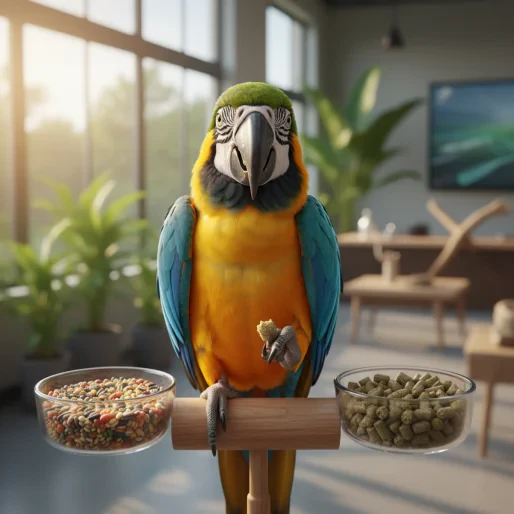
For decades, the image of a parrot has been inextricably linked with a bowl of sunflower seeds. However, advances in avian veterinary medicine have fundamentally shifted the understanding of what constitutes a complete diet for psittacines. The transition from loose seed mixes to formulated pelleted diets represents one of the most significant advancements in captive bird care, yet it remains a source of confusion and resistance for many owners.
Veterinary consensus suggests that malnutrition is a leading cause of premature illness in companion birds. The debate between pellets and seeds is not merely a matter of preference but a question of long-term health, longevity, and disease prevention. This guide examines the nutritional science behind both options, dissecting bioavailability, ingredient sourcing, and the psychological aspects of feeding.
Key Takeaways
- Selective Feeding: Loose seed mixes allow birds to pick out high-fat, low-nutrient items, leading to deficiencies even if the mix itself is theoretically balanced.
- The Vitamin A Gap: All-seed diets are notoriously deficient in Vitamin A, a critical nutrient for respiratory and immune health.
- Pellet Consistency: Formulated diets prevent sorting, ensuring every bite contains the correct ratio of vitamins, minerals, and macronutrients.
- Species Specificity: Not all parrots have the same requirements; the high-energy needs of a Macaw differ vastly from the obesity-prone Amazon.
- The 70/30 Rule: Most avian nutritionists advocate for a diet that is roughly 70% formulated pellets and 30% fresh vegetables, with seeds reserved as treats.
The Nutritional Deficit of the All-Seed Diet
Seeds are a natural food source for wild birds, but the seeds found in commercial mixes rarely resemble the diversity consumed in the wild. In their natural habitat, parrots spend hours flying, foraging, and burning massive amounts of energy. They consume seeds at different stages of ripeness, along with insects, bark, and vegetation. In contrast, the captive parrot is often sedentary, and the dry seed mix in their bowl is a concentrated source of fat and carbohydrates with poor vitamin profiles.
The Problem of Selective Feeding
The primary argument against loose seed mixes is the phenomenon of selective feeding. When presented with a bowl of mixed seeds, a parrot will almost invariably consume the high-fat options first—typically sunflower seeds or safflower seeds—and ignore the nutritionally dense grains like millet or canary seed. This is akin to a child eating only the french fries from a balanced meal. Even if the package claims to be vitamin fortified, those vitamins are often sprayed onto the hulls of the seeds, which the bird discards.
Veterinary data frequently highlights calcium and Vitamin A deficiencies in seed-addicted birds. Calcium is essential for bone density and nerve function, while Vitamin A maintains the lining of the respiratory tract. A deficiency in the latter leaves birds highly susceptible to fungal and bacterial infections, particularly Aspergillosis.
The Science of Pelleted Diets
Pelleted diets, often referred to as formulated diets, were developed to address the nutritional gaps inherent in seed mixes. These diets function similarly to dog kibble; ingredients are ground, mixed, fortified with vitamins and minerals, and then extruded or cold-pressed into uniform shapes.
Extrusion vs. Cold-Pressed
Understanding the manufacturing process helps owners make informed decisions. Extruded pellets are cooked at high temperatures, which gelatinizes starches and increases digestibility. This process also kills bacteria, extending shelf life. Cold-pressed pellets use less heat, aiming to preserve more natural enzymes, though they may have a shorter shelf life. Both forms share the critical advantage of homogeneity: the bird cannot separate the ingredients.
Analyzing the Label
When selecting a pellet, label literacy is crucial. Owners should look for specific protein sources and avoid generic terms where possible. The ingredient list should ideally begin with grains (corn, wheat, soy) or legumes, followed by specific vitamin supplements. For a deeper dive into understanding these lists, refer to our guide on decoding pet food labels.
It is important to note that fillers in bird food are not always negative. Corn and soy provide essential amino acids and energy. The criticism of these ingredients often stems from mammalian nutrition and does not strictly apply to avian physiology, where high-energy carbohydrates are utilized efficiently.
Comparing Nutrient Profiles
| Nutrient | Typical Seed Mix (Sunflower heavy) | High-Quality Pellet |
|---|---|---|
| Fat | High (30%+) | Controlled (4-15% depending on species) |
| Protein | Variable, often incomplete amino acids | Balanced, complete amino acid profile |
| Calcium/Phosphorus Ratio | Poor (Inverse ratio, dangerous for bones) | Optimized (2:1 or similar) |
| Vitamin A | Negligible | Supplemented to meet daily requirements |
Species-Specific Considerations
A one size fits all approach is dangerous in avian nutrition. While pellets provide a safety net, the formulation must match the species.
Macaws and Golden Conures
These species require higher fat levels than most other parrots. A standard low-fat pellet designed for an Amazon parrot might leave a Hyacinth Macaw with dry skin and poor feather quality. Owners of these species often need to supplement pellets with high-quality nuts (macadamia, walnut) to reach appropriate energy levels.
Amazons, Galahs, and Quakers
Conversely, these species are prone to rapid weight gain and fatty liver disease (hepatic lipidosis). For them, a seed-heavy diet is particularly dangerous. A strictly portioned, low-energy pellet combined with extensive foraging opportunities is often recommended by avian specialists.
Eclectus Parrots
The Eclectus has a unique digestive tract that is longer than other species, making them sensitive to additives and vitamin overdose (hypervitaminosis). Many experts recommend a diet lower in pellets and significantly higher in fresh produce compared to other parrots. See our resource on fresh greens for parrots for safe vegetable options.
The Transition: Converting a Seed Junkie
The most common barrier to feeding pellets is the bird's refusal to eat them. Parrots imprint on food texture and appearance at a young age. To a bird raised on seeds, a brown pellet may not even register as food. Starvation is never a valid conversion method; parrots have high metabolisms and can suffer serious health consequences from fasting.
Gradual Introduction Strategy
Professional behaviourists recommend a slow, steady approach. Start by mixing the pellets into the seed mix, initially at a 10/90 ratio. Over weeks, gradually increase the proportion of pellets while decreasing seeds. Dampening the pellets with warm water or fruit juice can sometimes increase palatability, though these must be removed quickly to prevent bacterial growth.
The "Meals" Approach
Another effective strategy is to offer pellets first thing in the morning when the bird is hungriest. Seeds are then offered for a limited window in the evening. This ensures the bird does not starve but is motivated to try the new food.
The Role of Fresh Foods and Enrichment
Neither seeds nor pellets should constitute 100% of the diet. The ideal protocol is widely cited as: 60-70% formulated pellets, 20-30% fresh vegetables/legumes/sprouts, and 0-10% seeds/nuts/fruit as treats.
Enrichment plays a vital role in nutrition. In the wild, eating is an activity, not just a biological function. Owners are encouraged to place food in foraging toys rather than open bowls. This stimulates the bird mentally and reduces the likelihood of hormonal behaviors triggered by an abundance of easily accessible food. For those managing outdoor setups, understanding how environmental factors influence caloric needs is also key; see our guide on preparing outdoor aviaries for insights on seasonal adjustments.
Safety and Hygiene
Regardless of the diet chosen, hygiene is paramount. Water bowls can quickly become a bacterial soup when birds dip pellets or seeds into them. Daily cleaning with hot soapy water is non-negotiable. Furthermore, wet food (fresh chop or moistened pellets) should not be left out for more than a few hours to prevent spoilage.
Storage
Pellets, due to their fat content, can go rancid. They should be stored in airtight containers in a cool, dry place. Many owners opt to freeze portions of the bag to maintain freshness. Seeds are also susceptible to fungal spores and pantry moths if not stored correctly.
Conclusion
The shift from seeds to pellets is one of the most proactive steps an owner can take for their parrot's health. While seeds act as high-value currency for training and bonding, they fail to support the complex physiological needs of a long-lived companion animal as a staple diet. By choosing a high-quality pelleted base and supplementing with diverse fresh foods, owners can replicate the nutritional balance of the wild while avoiding the pitfalls of captivity.
Frequently Asked Questions
Content Disclosure
This article was created using state-of-the-art AI models with human editorial oversight. It is intended for informational and entertainment purposes only and does not constitute veterinary medical advice. Always consult a licensed veterinarian for your pet's specific health needs. Learn more about our process.