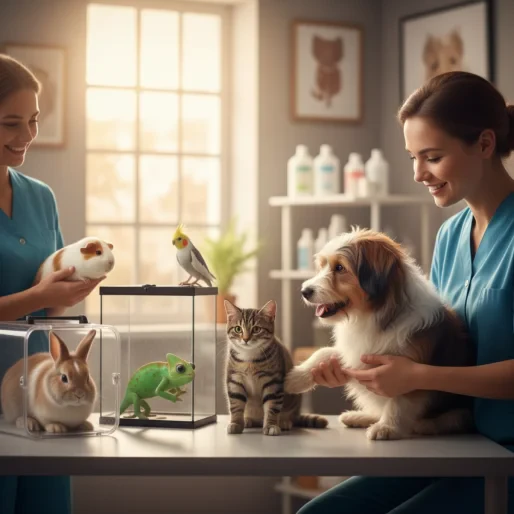
A comprehensive guide for pet sitters in Ireland covering veterinary emergencies, consent forms, first response protocols, and Ireland-specific regulations. Includes the 3 C rule, restricted breed considerations, and local poison helpline information.
Key Takeaways
- Pale gums, laboured breathing, collapse, or uncontrolled bleeding are always emergencies requiring immediate veterinary attention, whether or not the owner answers the phone.
- A signed emergency veterinary consent form is the single most important document a pet sitter in Ireland should have before any sitting engagement begins.
- Pet sitters should follow the 3 C rule: Check the pet, Call the vet, Contact the owner in that order, never delaying treatment to reach the owner first.
- Ireland's Control of Dogs Act and restricted breed regulations carry specific implications for pet sitters transporting dogs in an emergency.
- The Animal PoisonLine (01202 509 000) is available 24/7 for suspected poisoning cases and can advise Irish pet owners and sitters.
Recognising a Genuine Pet Emergency in Ireland
Delayed presentation remains one of the most dangerous patterns in veterinary emergency medicine. Pet sitters may hesitate because a pet seems "just a bit off," but certain signs always warrant immediate action. Pale or white gums, a capillary refill time (CRT) greater than two seconds, rapid shallow breathing, or a distended abdomen are red flags that should never be ignored.
The following signs in any dog, cat, bird, or exotic pet should be treated as time sensitive emergencies:
- Uncontrolled or pulsatile bleeding
- Loss of consciousness or collapse
- Difficulty breathing, open mouth breathing in cats, or gasping respirations
- Suspected ingestion of a toxic substance (contact the Animal PoisonLine on 01202 509 000, or ask your veterinary clinic to contact the Veterinary Poisons Information Service directly)
- Seizures lasting more than two to three minutes, or cluster seizures
- Inability to urinate, especially in male cats
- Suspected gastric dilatation volvulus (GDV): non productive retching with a swollen, taut abdomen, which is particularly relevant for deep chested breeds such as Irish Setters, Irish Wolfhounds, and Great Danes
- Severe allergic reaction with facial swelling, hives, vomiting, or respiratory distress
- Trauma such as being struck by a vehicle, a fall from height, or an animal attack
- Sudden hind limb paralysis, particularly in cats, which may indicate aortic thromboembolism
If any of these signs are present, do not wait for the owner to call back. Veterinary professional consensus is clear: early intervention dramatically improves outcomes.
UCD Veterinary Hospital / Local Emergency Vet
Call your vet's emergency out-of-hours number or contact the UCD Veterinary Hospital in Dublin.
Irish vet practices provide out-of-hours emergency contact details on their answerphone message.
Ireland Specific Considerations for Pet Sitters
Restricted Breed Regulations
Under the Control of Dogs (Restriction of Certain Dogs) Regulations 1998, eleven breed types are classified as restricted in Ireland. These include the American Pit Bull Terrier, Bull Mastiff, Doberman Pinscher, English Bull Terrier, German Shepherd, Japanese Akita, Japanese Tosa, Rhodesian Ridgeback, Rottweiler, Staffordshire Bull Terrier, and the Bandog type, along with any crosses of these breeds. Additionally, XL Bully dogs have been banned in Ireland since October 2024.
Pet sitters caring for restricted breeds must ensure the dog is muzzled and kept on a strong lead no longer than 2 metres whenever in a public place, and must be handled by a person aged 16 or over. During an emergency transport, these requirements still apply. Keep a properly fitted muzzle and sturdy lead accessible at all times. Failing to comply can result in fines and the dog being seized.
Mandatory Microchipping
All dogs in Ireland must be microchipped under the Microchipping of Dogs Regulations 2015. When presenting at an emergency veterinary clinic, the microchip number helps the vet access the pet's medical history. Ensure the microchip number is recorded on both the emergency consent form and the laminated quick reference card. For guidance on keeping microchip records current, see our Pet Microchip Data When Moving to or From Ireland.
Ireland's Climate and Seasonal Risks
Ireland's temperate maritime climate presents specific hazards that pet sitters should be aware of:
- Autumn and winter: Slug pellets containing metaldehyde are commonly used in Irish gardens and are extremely toxic to dogs. Symptoms include tremors, seizures, and hyperthermia. If ingestion is suspected, contact the Animal PoisonLine immediately.
- Spring: Adder bites, while relatively rare, do occur in Ireland. Daffodil bulbs, which are widespread across Irish gardens, are toxic if ingested by dogs or cats.
- Year round: Ireland's frequent rainfall means dogs are regularly walked on wet ground. Leptospirosis, transmitted through contaminated water, is a concern. Ensure the pet's vaccination status is confirmed before the sitting engagement.
- Coastal areas: Saltwater ingestion during beach walks can cause vomiting, diarrhoea, and in severe cases, hypernatraemia. Monitor dogs closely near the sea.
Emergency Veterinary Consent Forms for Irish Pet Owners
Before a sitting engagement begins, owners should complete a written emergency consent form. Under Irish law, the Veterinary Council of Ireland (VCI) Code of Professional Conduct governs how veterinary practitioners deliver care. Veterinary clinics will stabilise an animal in distress, but a signed consent form removes ambiguity and allows the sitter to authorise further treatment.
The consent form should include:
- Pet identification: Name, species, breed, age, weight (in kg), and microchip number
- Primary and secondary emergency contacts: At least two phone numbers, plus a backup decision maker
- Regular veterinarian details: Clinic name, address, and phone number
- Preferred emergency clinic: 24 hour facility name and address (many areas in Ireland are served by regional emergency clinics, so confirm the nearest one in advance)
- Known medical conditions and current medications: Including dosages and schedules
- Known allergies: Drug allergies, food sensitivities, vaccine reactions
- Financial authorisation: A stated maximum in euro that the sitter may authorise, for example "up to €1,500 for stabilisation and diagnostics"
- Surgical consent: Whether the sitter may consent to emergency surgery if the owner cannot be reached within a specified window (e.g., 60 minutes)
- Do Not Resuscitate (DNR) preferences: Particularly relevant for senior pets or those with terminal conditions
- Owner signature and date
Print and sign this form, keep it with the pet's documents, and store a digital copy on the sitter's phone.
The 3 C Rule: Immediate First Response
1. Check the Pet
Assess airway, breathing, and circulation:
- Airway: Is the pet choking, gagging, or pawing at the mouth?
- Breathing: Normal resting respiratory rates are typically 15 to 30 breaths per minute for dogs and 20 to 40 for cats. Rates above 50 to 60 per minute in a resting animal are cause for concern.
- Circulation: Check gum colour. Pink is normal. White, blue, grey, or brick red gums indicate a potentially life threatening problem. Press the gum with your finger and colour should return in under two seconds (CRT).
If the pet is unconscious and not breathing, the RECOVER initiative (Reassessment Campaign on Veterinary Resuscitation) recommends trained individuals begin chest compressions at 100 to 120 per minute. Untrained sitters should focus on rapid transport to an emergency clinic.
2. Call the Vet
Contact the emergency veterinary clinic before leaving. Provide the species, breed, approximate weight in kg, age, what happened, current symptoms, whether any toxin may have been ingested, and your estimated arrival time. Calling ahead allows the veterinary team to prepare triage equipment, oxygen, and IV access supplies.
3. Contact the Owner
After initiating transport, attempt to reach the owner through all listed contacts: phone, text, email, and the designated backup. Keep trying at intervals but never delay transport to keep calling.
First Response Protocols
Choking
A choking pet may paw at the mouth, drool excessively, make high pitched wheezing sounds, or become suddenly silent. Gums may turn blue. Open the mouth carefully and look for a visible obstruction. If you can safely grasp the object, remove it gently. For small dogs and cats, hold the animal with the head pointing downward and give 4 to 5 firm back blows between the shoulder blades. For larger dogs, a modified Heimlich technique can be attempted by placing your fist behind the last rib and giving 3 to 5 quick upward thrusts. If the obstruction is not cleared within 60 to 90 seconds, transport immediately.
Seizures
Do not restrain the pet or place your hands near its mouth. Clear the area of furniture and sharp objects. Time the seizure using your phone. Seizures lasting more than 2 to 3 minutes, or clusters without full recovery between episodes, are medical emergencies. After the seizure ends, keep the pet in a quiet, safe space and prevent falls. Seek emergency veterinary care for any first seizure, seizures lasting over 3 minutes, more than one seizure in 24 hours, or seizures following suspected toxin ingestion.
Allergic Reactions and Anaphylaxis
In Ireland, insect stings from bees and wasps are common triggers during summer months. Remove a visible bee stinger by scraping it off with a card rather than using tweezers. Do not administer antihistamines unless specifically pre authorised in writing by the pet's veterinarian with a confirmed dose. If the pet shows laboured breathing, blue gums, or swollen throat, this is anaphylaxis and requires immediate emergency veterinary care. Anaphylaxis can escalate from mild swelling to cardiovascular collapse within minutes.
Safe Transport to the Emergency Vet
Transporting an injured or seizing pet safely is critical, particularly in rural Ireland where the nearest emergency clinic may be some distance away.
- Cats and small pets: Place in a secure carrier lined with a towel. If no carrier is available, a pillowcase loosely closed can serve as temporary containment for cats.
- Large dogs: Use a blanket as a makeshift stretcher. Keep the pet on their side if unconscious. For restricted breeds, ensure the muzzle is in place before entering any public space.
- Birds and exotics: Transport in a small, dark, ventilated container. Minimise handling, as stress alone can be fatal to birds.
- Drive calmly. Many Irish roads, particularly in rural areas, are narrow and winding. Erratic driving increases risk. Pre programme the emergency clinic address in your phone's navigation before any sitting engagement begins.
For related guidance on recognising stress in dogs, see Canine Body Language: A Guide for Daycare Staff.
What to Tell the Vet on Arrival
Provide the completed emergency consent form along with a brief factual timeline, for example: "The dog began retching at 14:15. Non productive retching for 10 minutes. Abdomen appears distended. No vomiting." Also bring any substances the pet may have ingested (with packaging if possible), details of current medications, information on when the pet last ate and drank, your contact information, and the owner's details including the pre authorised spending limit in euro.
Recovery and Follow Up
After emergency treatment, follow the veterinary team's discharge instructions precisely. Monitor for recurrence of symptoms, administer medications on schedule, restrict activity as directed, and keep detailed notes for the owner covering times of medication, food and water intake, urination and defecation, energy level, and any concerns. Communicate a full written summary to the owner alongside the veterinary discharge paperwork as soon as they are reachable.
For pets recovering from heatstroke, which can occur even in Ireland's moderate climate during unusually warm spells, the guidance in Heatstroke in Dogs: Cooling Protocols and Breed Risks provides supplementary guidance. Our Pet Wearable Heart Monitors for Dogs and Cats: 2026 Guide may also be useful for ongoing post emergency monitoring.
Laminated Quick Reference Card
PET EMERGENCY QUICK REFERENCE CARD
Pet Name: _______________ Species/Breed: _______________
Weight (kg): _______ Age: _______ Microchip #: _______________
Owner Name: _______________ Phone: _______________
Backup Contact: _______________ Phone: _______________
Regular Vet: _______________ Phone: _______________
Emergency Vet Clinic: _______________ Phone: _______________
Emergency Clinic Address: _______________
Known Allergies: _______________
Current Medications: _______________
Authorised Spending Limit: € _______________
Surgery Consent (Yes/No): _______________
Restricted Breed (Yes/No): _______________ Muzzle Location: _______________
EMERGENCY ACTION STEPS
- CHECK the pet: Airway, Breathing, Circulation (gum colour, CRT)
- CALL the emergency vet clinic (number above)
- CONTACT the owner and backup contact
- TRANSPORT safely: carrier for small pets, blanket stretcher for large dogs
- BRING this card, consent form, and any ingested substance packaging
RED FLAGS: GO TO THE VET IMMEDIATELY
- White, blue, or grey gums
- Difficulty breathing or open mouth breathing (cats)
- Seizure lasting more than 2 to 3 minutes
- Collapse or loss of consciousness
- Non productive retching with swollen abdomen
- Uncontrolled bleeding
- Suspected poisoning
Animal PoisonLine: 01202 509 000 | ISPCA: 0818 515 515
Final Preparation Checklist for Pet Sitters in Ireland
- Obtain and review the signed emergency consent form before the owner leaves
- Confirm you have at least two emergency contact numbers
- Save the emergency vet clinic address in your phone's navigation app and confirm the route, especially in rural areas
- Know where the pet's carrier, leash, muzzle (if a restricted breed), and medications are stored
- Review the laminated quick reference card
- Ask the owner about known medical conditions, behavioural triggers, vaccination status, and any history of seizures, allergies, or previous emergencies
- Confirm whether the dog is a restricted breed and understand the legal requirements for public handling
- Discuss the financial authorisation limit openly in euro; there should be no ambiguity
- Check that the dog licence is current, as required under the Control of Dogs Act
Preparation is the most effective form of emergency response. The time invested before an emergency determines how quickly and effectively a sitter can act during one. For sitters new to professional pet care, understanding the financial landscape of pet ownership in Ireland helps frame emergency cost conversations. Our New Pet Budget 2026: First Year Cost Breakdown provides helpful context.
Frequently Asked Questions
What should a pet sitter in Ireland do if a pet has an emergency and the owner is unreachable? ↓
What number should a pet sitter in Ireland call for suspected pet poisoning? ↓
Are there special rules for pet sitters handling restricted dog breeds in Ireland? ↓
What should be included in a pet emergency consent form in Ireland? ↓
Do Irish pet sitters need to worry about heatstroke in Ireland's mild climate? ↓

Dr. Ana Reyes
Emergency & Critical Care Veterinarian
Emergency and critical care veterinarian — life-saving first-aid guidance and emergency recognition for pet owners.
Content Disclosure
This article was created using state-of-the-art AI models with human editorial oversight. It is intended for informational and entertainment purposes only and does not constitute veterinary medical advice. Always consult a licensed veterinarian for your pet's specific health needs. Learn more about our process.