Irish summers may be mild, but high humidity and poor ventilation can push rabbits into heat stroke surprisingly fast. This guide covers prevention, first aid, and emergency steps for rabbit owners in Ireland.
Key Takeaways for Irish Rabbit Owners
- Ireland's humidity is the hidden danger. Even when air temperatures seem modest (23°C to 27°C), high relative humidity common across Ireland dramatically reduces a rabbit's ability to dissipate heat through its ears and respiration.
- Ambient temperatures above 26°C cause physiological stress in most rabbit breeds. Irish heatwaves are becoming more frequent, and garden hutches with poor ventilation can exceed this threshold even on days that feel comfortable to humans.
- Frozen water bottles alone are not sufficient. They provide only localised, short lived cooling and do not lower the ambient air temperature inside a hutch or shed.
- Heat stroke in rabbits is a genuine veterinary emergency. If a rabbit is limp, breathing with an open mouth, or unresponsive, begin gentle cooling immediately and transport to an emergency veterinarian without delay.
- Prevention is always safer than treatment. Survival rates for severe heat stroke remain poor even with aggressive veterinary intervention.
Why Irish Rabbits Are More Vulnerable Than Owners Expect
Ireland's temperate maritime climate rarely produces the extreme heat seen in southern Europe, which gives many rabbit owners a false sense of security. However, Ireland's consistently high humidity (often above 70% to 80% during summer) is a critical factor. When humidity is high, evaporative cooling becomes far less effective. A rabbit in a poorly ventilated hutch on a 25°C day with 85% humidity may be under greater thermoregulatory strain than one at 28°C in a dry climate.
Met Éireann has noted a trend toward warmer summers in Ireland, with more frequent periods where temperatures exceed 25°C for consecutive days. The record breaking heat events in recent years caught many pet owners unprepared. Rabbits, which evolved to shelter in cool underground burrows, have no effective mechanism to cope. They cannot pant efficiently, they cannot sweat, and they rely almost entirely on blood flow through their ears to shed excess heat.
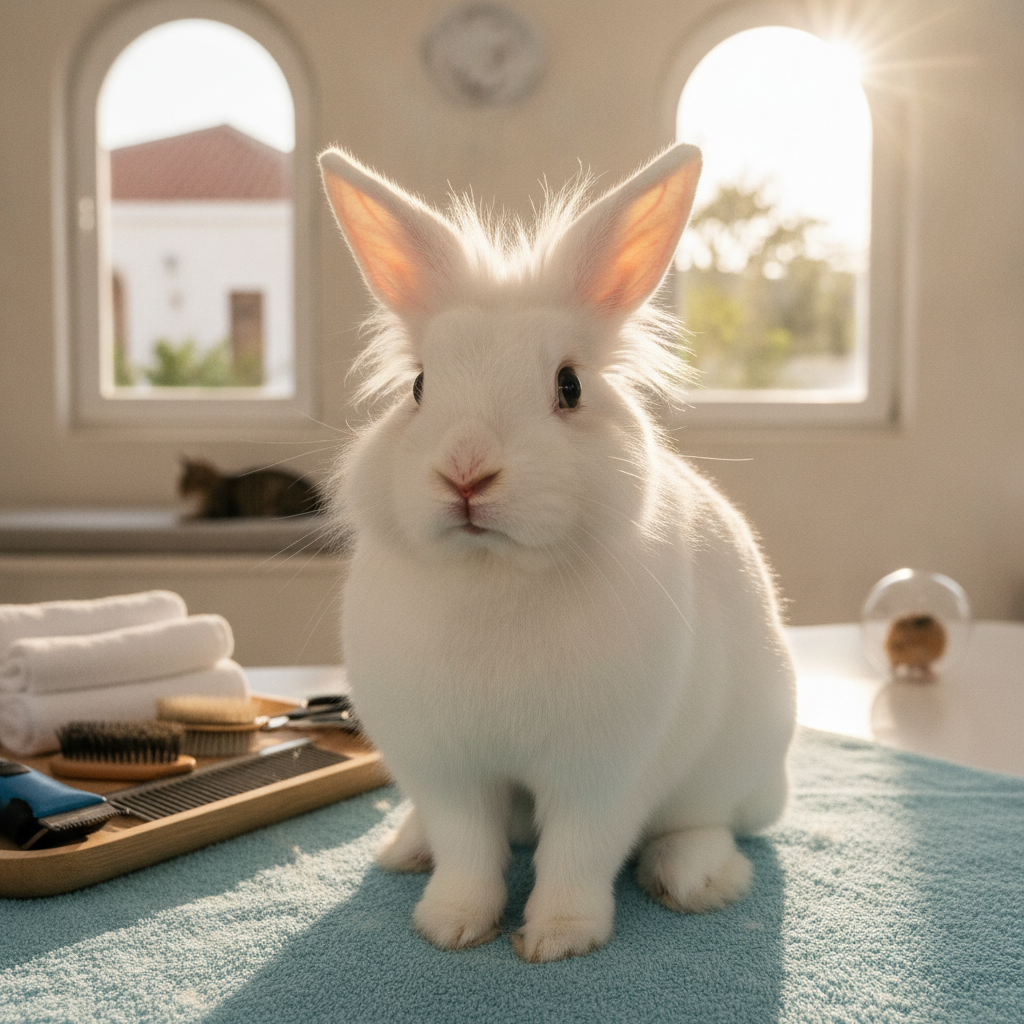
Breeds with thick coats (such as Angoras and Lionheads), lop eared breeds (whose folded ears reduce the surface area for heat radiation), overweight rabbits, and seniors older than six years are at highest risk. These breeds are popular across Ireland, making awareness especially important.
Critical Temperature Thresholds
Environmental Temperature
- 18°C to 21°C: Ideal comfort zone for most pet rabbits. Typical of a well ventilated Irish home.
- 22°C to 25°C: Tolerable, but monitoring should increase. Provide shade and airflow. On humid Irish days, treat this range with more caution than the numbers suggest.
- 26°C to 29°C: Active heat stress zone. Cooling measures must already be in place. In Ireland, this range is particularly dangerous when combined with high humidity and still air.
- 30°C and above: Danger zone. Heat stroke can develop within 15 to 30 minutes.
Body Temperature
Normal rectal temperature in rabbits ranges from approximately 38.5°C to 40.0°C. A rectal temperature above 40.5°C indicates heat stress. Above 41.5°C, organ damage may already be occurring, and the situation is immediately life threatening.
The Irish Hutch Problem
Many rabbits in Ireland are housed in timber hutches in back gardens, sheds, or garages. These structures present specific risks during warm spells:
- Timber hutches absorb and retain heat. A wooden hutch in direct afternoon sun, even at modest air temperatures, can reach internal temperatures well above the surrounding air.
- Sheds and garages trap heat. A corrugated roofed shed with no ventilation can function like a greenhouse. On a 24°C day, an enclosed shed can easily exceed 30°C internally.
- Conservatories and sunrooms are extremely dangerous for rabbits. These glass enclosed spaces regularly exceed 35°C during sunny spells and should never be used for rabbit housing in summer.
- Garden positioning matters. A hutch that sits in shade at 9 a.m. may be in full sun by midday. Track the sun path across your garden through the full day.
The Veterinary Council of Ireland (VCI) oversees professional standards for veterinary care in the country, and the Irish Society for the Prevention of Cruelty to Animals (ISPCA) has issued guidance emphasising that pet owners have a legal duty of care under the Animal Health and Welfare Act 2013 to protect animals from suffering, including heat related distress.
Recognising Heat Stroke: Progressive Stages
Stage 1: Early Heat Stress (Act Now)
- Rapid breathing with nostrils flaring
- Ears feel very hot to the touch and appear deeply flushed
- Restlessness, stretching out flat on cool surfaces
- Reduced appetite or refusal of food
- Warm, damp nose
Stage 2: Moderate Heat Stroke (Veterinary Attention Needed Urgently)
- Open mouth breathing (a critical danger sign, as rabbits are obligate nasal breathers)
- Excessive drooling or wetness around the mouth
- Lethargy, reluctance to move or respond
- Gums appearing pale, dark red, or bluish
Stage 3: Severe Heat Stroke (Life Threatening Emergency)
- Limp, unresponsive body
- Seizures or muscle tremors
- Gasping, irregular breaths
- Blood from the nose or mouth
- Loss of consciousness
Critical rule: Any rabbit showing open mouth breathing, limpness, or seizures needs emergency veterinary care immediately. Do not wait to see if they improve.
UCD Veterinary Hospital / Local Emergency Vet
Call your vet's emergency out-of-hours number or contact the UCD Veterinary Hospital in Dublin.
Irish vet practices provide out-of-hours emergency contact details on their answerphone message.
Immediate First Aid: What to Do in the Next 10 Minutes
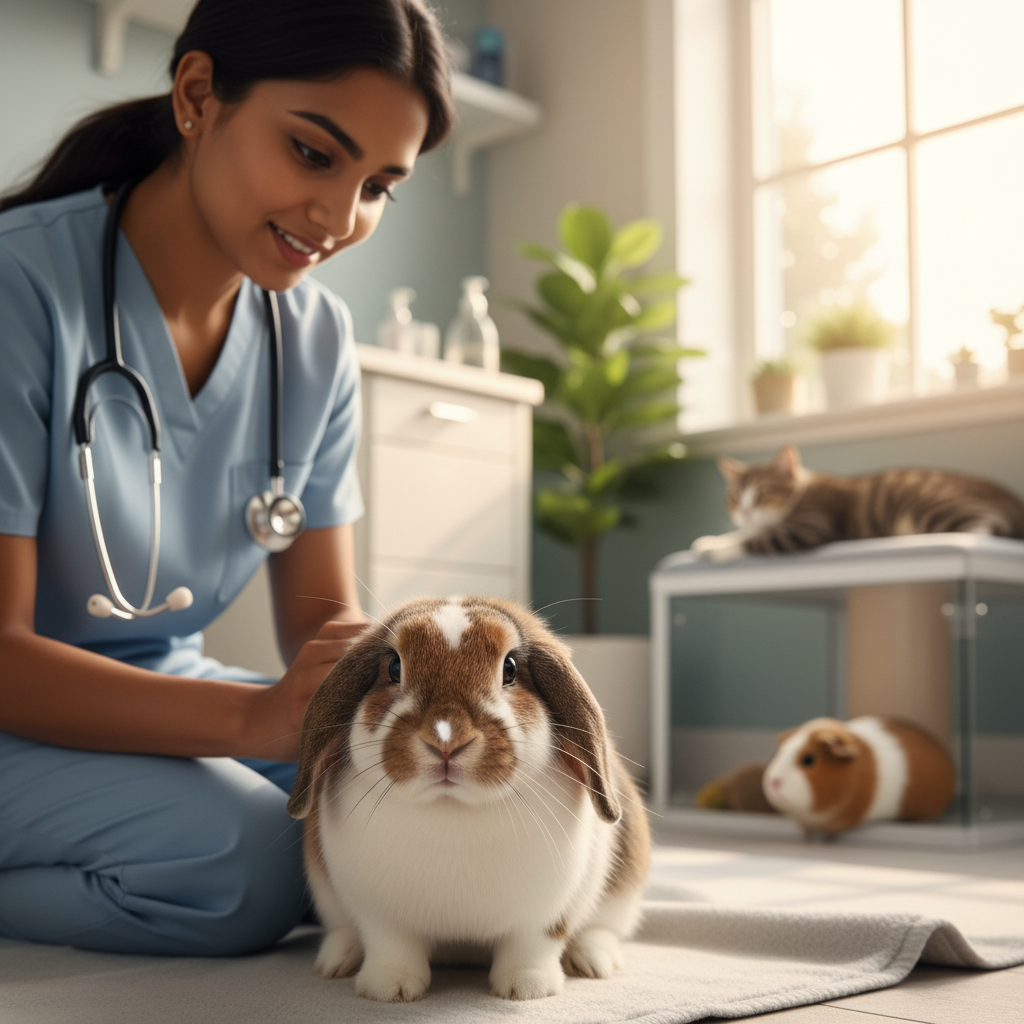
Begin these steps while someone else contacts your nearest emergency veterinary clinic. Many practices across Ireland offer out of hours emergency cover, but not all treat rabbits (an exotic species in veterinary terms). It is essential to confirm in advance that your local clinic or their referral service handles rabbit emergencies.
- Move the rabbit to the coolest available location. An air conditioned room is ideal, though many Irish homes lack air conditioning. A tiled bathroom, north facing room, or basement space can serve well. Place the rabbit on a cool tile or ceramic surface.
- Dampen the ears with cool (not ice cold) water. The ears are the primary heat exchange organ. Gently wet them with tepid to cool water (around 15°C to 20°C). Use a damp cloth or gently drip water over the ear surfaces.
- Mist or lightly dampen the fur. Focus on the belly, inner legs, and feet. A fine spray bottle works well.
- Direct a fan toward the rabbit. Moving air significantly enhances evaporative cooling from damp fur and ears. Even a small desk fan is beneficial.
- Offer (do not force) cool water. Place a shallow bowl near the rabbit's mouth. If the rabbit is too weak to drink, do not syringe water into the mouth, as aspiration pneumonia is a serious risk.
- Monitor breathing and responsiveness. Note the time you found the rabbit, what you observed, and any changes. This information is invaluable for the veterinary team.
What NOT to Do
- Do NOT immerse the rabbit in cold water or apply ice. Extreme cold causes peripheral vasoconstriction, trapping heat in the core and worsening the emergency.
- Do NOT wrap the rabbit in wet towels and leave them on. Wet towels quickly become insulating in Ireland's humid air, trapping heat against the body. If using a damp cloth, re wet it frequently or remove it after a few minutes.
- Do NOT place the rabbit directly against frozen items. Frozen water bottles and ice packs in direct skin contact can cause localised frostbite and trigger vasoconstriction.
- Do NOT force feed water to a semiconscious or unconscious rabbit.
- Do NOT delay transport to the vet while hoping cooling helps. Begin first aid during transport, not instead of transport.
Cooling Strategies for Irish Homes (Without Air Conditioning)
Since many Irish homes do not have air conditioning, alternative approaches are essential:
- Ceramic or marble tiles placed in the rabbit's enclosure provide a cool resting surface. Store them in the fridge and rotate them through the day. A set of four tiles (widely available at Irish hardware stores for around €5 to €15) creates an effective rotation system.
- A fan with a damp cloth nearby (draped over a chair, not over the enclosure) creates meaningful evaporative cooling.
- Close curtains and blinds on sun facing windows during peak hours, typically 11 a.m. to 5 p.m. in Irish summer.
- North facing rooms tend to stay coolest. Consider temporarily relocating the rabbit's indoor enclosure during warm spells.
- Avoid placing the enclosure near windows, radiators, or appliances that generate heat.
- Portable air conditioning units, while an investment (typically €250 to €500), may be worthwhile for owners of heat vulnerable breeds if warm summers continue trending.
Outdoor Hutch Cooling for Irish Gardens
- Relocate the rabbit indoors whenever temperatures exceed 26°C, especially with high humidity. This is the safest strategy.
- If the rabbit must remain outdoors, ensure the hutch is in permanent, deep shade. Irish gardens often have good tree cover, but verify shade position throughout the day.
- Elevate the hutch off the ground to allow airflow beneath.
- Drape a damp light coloured sheet over part of the hutch roof to create evaporative cooling. Re wet regularly. Ensure it does not block ventilation.
- Provide multiple water sources in ceramic bowls (which stay cooler than plastic) placed in the shadiest section of the enclosure.
- Frozen ceramic tiles or terracotta pots (chilled in a freezer) serve as cool resting spots. Rotate every few hours.
Hydration Strategies
Dehydration accelerates heat stroke and compounds organ damage. Rabbits typically consume 50 to 150 mL of water per kg of body weight per day, increasing substantially in warm weather.
- Provide both a water bottle and a water bowl. Some rabbits drink more readily from bowls.
- Add fresh, water rich vegetables: romaine lettuce, cucumber, fresh herbs such as parsley and coriander. These are readily available in Irish supermarkets and greengrocers. Rinse in cool water before serving for additional moisture.
- Change water at least twice daily in warm weather.
- Monitor water consumption. A rabbit that stops drinking in warm weather is showing a red flag warning.
- Avoid adding ice cubes directly to the water bowl, as extremely cold water can trigger gut stasis in sensitive rabbits. Cool water (not icy) is appropriate.
Getting to the Emergency Vet Safely
Plan ahead. Many general practices in Ireland refer rabbit emergencies to larger veterinary hospitals or specialist exotic animal clinics, particularly outside Dublin, Cork, Galway, and Limerick. Know your nearest option and confirm they accept rabbit patients before an emergency occurs.
- Cool the car before loading the rabbit. Run the air conditioning for several minutes. A hot car interior can worsen heat stroke dramatically.
- Use a well ventilated carrier. Place a damp (not soaking) cloth on the carrier floor and position it near an air conditioning vent.
- Do not place the carrier in the boot, where airflow and climate control are minimal.
- Call the clinic while en route so the team can prepare. Heat stroke cases benefit from immediate IV fluid therapy and controlled cooling.
Recovery and Monitoring
If the rabbit survives the acute emergency, careful follow up is essential:
- Kidney function: Heat stroke commonly damages the kidneys. Follow up blood work is typically recommended within 48 to 72 hours and again at one to two weeks.
- Gastrointestinal stasis: Stressed rabbits frequently develop GI stasis (gut slowdown), which is itself a secondary emergency. Monitor faecal pellet output closely. A rabbit producing fewer or no droppings within 12 hours post event needs veterinary reassessment.
- Appetite and hydration: Offer favourite foods (fresh hay, preferred greens) in a quiet, cool environment.
- Neurological signs: Head tilt, circling, or persistent disorientation after heat stroke may indicate brain injury and warrants urgent veterinary follow up.
- Prevent re exposure: Review and upgrade the rabbit's living environment before the next warm spell. Survivors are often more vulnerable to subsequent episodes.
Preparation Saves Lives
The most important message from veterinary emergency guidelines is this: prevention is overwhelmingly more effective than treatment for heat stroke in rabbits. Check Met Éireann forecasts daily during summer. Have a cooling plan in place before temperatures rise. Know the location and phone number of your nearest emergency or exotic animal veterinary clinic, and confirm they treat rabbits. Under the Animal Health and Welfare Act 2013, all pet owners in Ireland are legally obligated to ensure the welfare of animals in their care, including protection from environmental hazards. Preparation, not reaction, saves rabbit lives during warm spells.
Frequently Asked Questions
Can rabbits get heat stroke in Ireland even though summers are mild? ↓
What should I do if my rabbit shows signs of heat stroke in Ireland? ↓
Are conservatories safe for rabbits in summer? ↓
Do I need air conditioning to keep my rabbit safe in Ireland? ↓
Is there a legal obligation to protect my rabbit from heat in Ireland? ↓

Dr. Ana Reyes
Emergency & Critical Care Veterinarian
Emergency and critical care veterinarian — life-saving first-aid guidance and emergency recognition for pet owners.
Content Disclosure
This article was created using state-of-the-art AI models with human editorial oversight. It is intended for informational and entertainment purposes only and does not constitute veterinary medical advice. Always consult a licensed veterinarian for your pet's specific health needs. Learn more about our process.