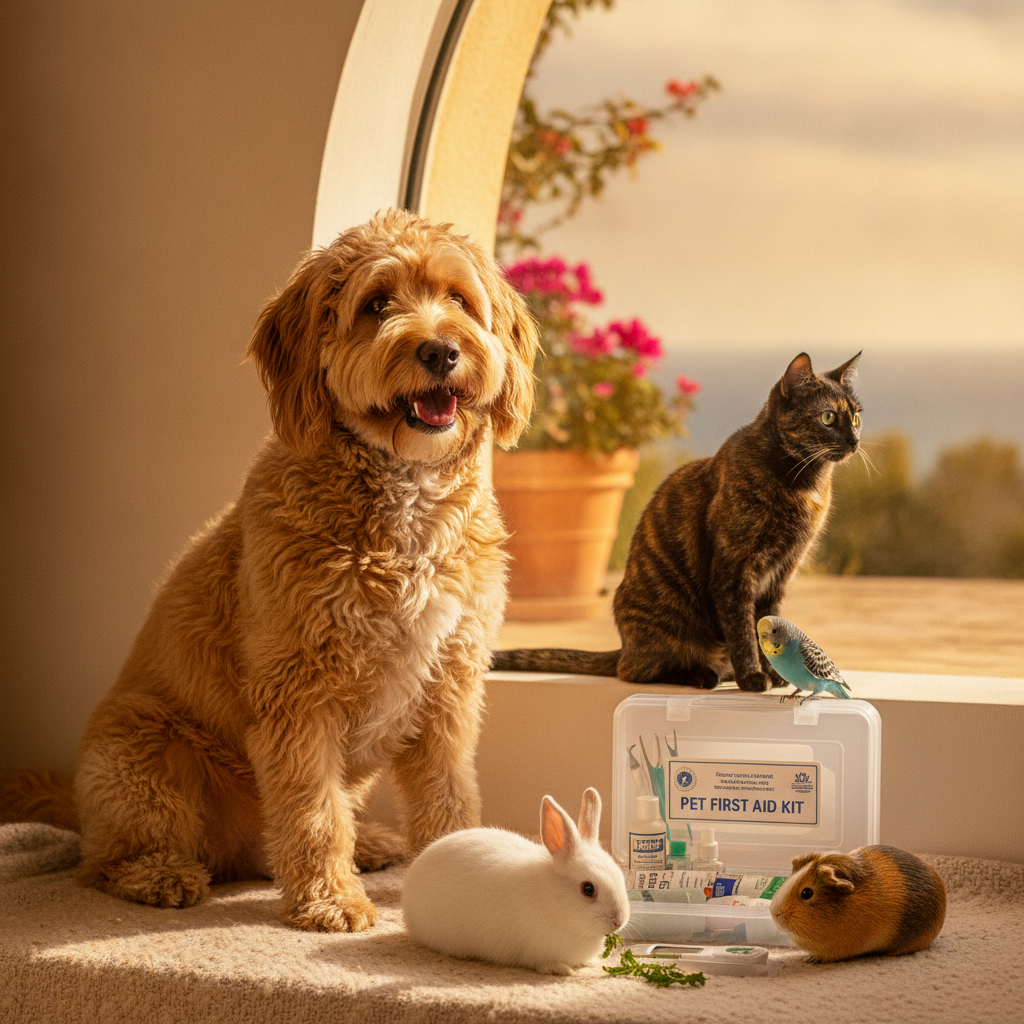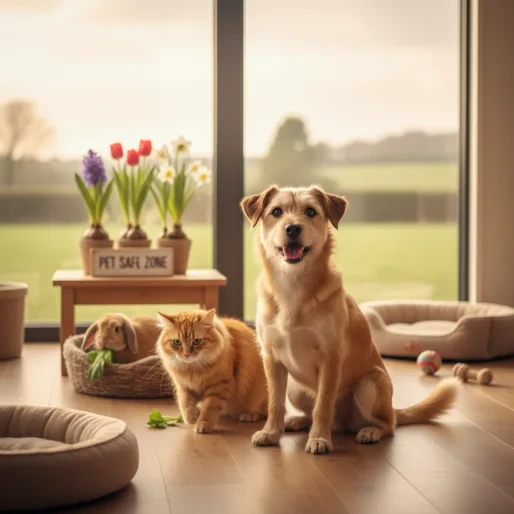
As Irish gardens wake up, so do the hidden dangers for our pets. From the ubiquitous daffodil to the woodland wild garlic, learn how to protect your cats and dogs from Ireland's common toxic flora.
Spring in the Emerald Isle: A Double-Edged Sword for Pets
There is a grand stretch in the evenings, and for pet owners across Ireland, from the rugged coasts of Donegal to the leafy suburbs of South Dublin, this signals the return of long walks and garden play. However, the lush greenery that defines our landscape also harbours hidden dangers. As a veterinary professional working within the Irish community, I frequently see a spike in toxicity cases between March and May. The very bulbs that brighten our gloomiest days, specifically tulips, daffodils, and lilies, contain potent alkaloids that can turn a leisurely Sunday in the garden into a medical emergency.
In Ireland, our specific climate adds a layer of complexity to this risk. Our wet springs and heavy clay soils often mean bulbs are not as deep as we think, or they can be easily unearthed by a determined terrier or a badger, leaving them exposed for inquisitive pets. Furthermore, the popularity of wild foraging and woodland walks introduces risks like Wild Garlic, which many owners fail to recognise as a threat.
While we rightly focus on complying with the Control of Dogs Act and ensuring microchip details are up to date with Fido or the Irish Kennel Club, environmental safety is a pillar of preventive health that requires equal attention. This guide is tailored to the Irish pet owner, addressing our specific flora, climate, and veterinary landscape.
The 'Big Three' Garden Hazards
Not all plants are created equal. Understanding exactly why these common bulbs are dangerous helps you prioritise your garden defence strategy. Here is what you need to know about the most common offenders found in Irish garden centres and window boxes.
1. Tulips (Tulipa species)
Tulips are a staple of Irish spring landscapes, often planted in dense borders. They contain allergenic lactones, specifically tulipalin A and B. While the entire plant contains these compounds, the concentration is significantly higher in the bulb.
The Local Risk: In Ireland, we often see active dogs, particularly breeds like Jack Russells and Terriers with high prey drives, digging up bulbs. Because our soil is frequently damp and soft, digging requires less effort than in drier climates. If a dog unearths and chews a bulb, the concentrated toxins can cause intense gastrointestinal irritation, excessive drooling, loss of appetite, and depression of the central nervous system. In severe cases involving large ingestions, we can see cardiac abnormalities.
2. Daffodils (Narcissus species)
You cannot drive a mile in Ireland during spring without seeing a drift of golden daffodils. They are culturally significant and ubiquitous. However, they contain lycorine and other alkaloids. Like tulips, the bulb is the most toxic part. Crystals found in the outer layers of the bulbs are known to cause severe tissue irritation.
The Local Risk: The ingestion of a daffodil bulb often leads to rapid and severe vomiting, diarrhoea, and abdominal pain. We often see cases where dogs invoke the 'scavenger' instinct, picking up bulbs that have been displaced by heavy rain or garden maintenance. Because the crystals are irritating to the mouth, you may notice your pet pawing at their face or drooling excessively immediately after chewing. Respiratory distress and cardiac arrhythmia can follow in severe cases.
3. Lilies (Lilium and Hemerocallis species)
This is the critical warning for cat owners. True lilies, including Easter lilies, Tiger lilies, and Asiatic lilies, are nephrotoxic (kidney-damaging) to felines.
The Local Risk: Lily toxicity is often associated with indoor cats in Ireland, especially around Easter when bouquets are common gifts. The toxicity cannot be overstated. It is not just about eating the bulb. If a cat brushes past a lily in a hallway vase, gets pollen on their coat, and then grooms it off, that small amount is enough to cause acute, irreversible kidney failure. For dogs, lilies are less critical, often resulting in minor stomach upset, but for cats, they are a zero-tolerance hazard.
The Woodland Threat: Wild Garlic (Ramsons)
Unique to our landscape is the abundance of Wild Garlic (Allium ursinum) in Irish woodlands and shaded hedgerows. While popular for human foraging in pesto and soups, it belongs to the Allium family (along with onions, leeks, and chives), which is toxic to both dogs and cats.
Identifying the Danger: Wild garlic carpets the forest floor in white stars during late spring. It smells strongly of garlic. Ingestion can lead to haemolytic anaemia, where the pet's red blood cells burst. Symptoms may be delayed for several days and include pale gums, lethargy, rapid breathing, and dark urine. If you are walking your dog in areas like Glendalough or local Coillte trails, keep a close eye on what they are grazing on.
Climate Factors: The 'Soft Day' Hazard
Our temperate maritime climate plays a significant role in toxicology risk. The frequent rainfall in Ireland means that water collecting in plant saucers or garden pots can become a toxic "soup" if bulbs are soaking in it. A thirsty dog drinking from a saucer under a pot of daffodils can ingest dissolved alkaloids.
Additionally, the damp conditions promote fungal growth. Mouldy bulbs or garden waste can contain mycotoxins, which cause tremors and seizures. Ensure your compost heap is securely fenced off, as the heat and smell of decaying organic matter are incredibly attractive to dogs.
Legislation and Safety: The Control of Dogs Act
Under the Control of Dogs Regulations 1998, specific breeds (including German Shepherds, Rottweilers, Bull Terriers, and Dobermanns, among others) must be muzzled and on a strong lead in public places. While often viewed as a restriction, this can actually be a safety benefit regarding toxicity.
If you own a restricted breed, the mandatory muzzle prevents them from scavenging bulbs or toxic plants in public parks like Phoenix Park or St Stephen's Green, where planting is extensive. For non-restricted breeds, if your dog is a known scavenger, voluntarily using a basket muzzle during woodland walks in spring can be a lifesaver, preventing them from ingesting wild garlic or unearthed bulbs.
Strategic Prevention in the Irish Garden
As a practitioner focused on proactive care, I believe in engineering the environment to reduce failure points. You do not have to pave over your garden, but you must establish boundaries suitable for our wet/windy environment.
Barrier Methods and Raised Beds
If you love spring bulbs, physical separation is the only 100% effective method of prevention.
- Raised Garden Beds: Elevating your planting areas can deter casual sniffing and digging. Ensure the sides are high enough to discourage terriers.
- Secure Fencing: Use decorative but sturdy fencing around bulb beds. Given the Irish weather, ensure timber is treated and wire is galvanised to prevent rot and rust. Chicken wire buried just below the soil surface can also discourage dogs from digging up freshly planted bulbs.
- Container Gardening: Plant tulips and daffodils in heavy ceramic pots that cannot be blown over by Atlantic gusts. This keeps the bulbs out of paw's reach and allows you to move them to secure areas (like a greenhouse or garage) when your pets are unsupervised.
The 'Leave It' Command
Training is a safety function. A reliable "leave it" command is as important as a good recall. Practice this command with low-value distractions (like a toy) in the garden before you encounter a high-stakes temptation. Reward your dog heavily, perhaps with a piece of high-quality local meat treat, for ignoring garden beds.
Indoor Safety: The Easter Hazard
Spring is a popular time for cut flowers. If you have cats, never bring lilies into the house. The risk is simply too high. Inform friends and family of this rule to prevent well-meaning gifts from becoming a tragedy. If you receive a mixed bouquet, inspect it immediately. If you are unsure if a flower is a lily, err on the side of caution and remove it.
Safe Alternatives for Irish Gardens
Consider replacing toxic bulbs with pet-safe flora that thrives in the Irish climate:
- Snapdragons (Antirrhinum): These do well in our cool summers and are non-toxic.
- Fuchsias: An iconic Irish hedgerow plant, fuchsias are generally safe for pets and grow vigorously here.
- Roses: While the thorns are a physical hazard, the plants themselves are non-toxic.
- Pet Grass: Planting a dedicated patch of wheatgrass gives your pet a "yes" zone where grazing is permitted.
When to Act: Veterinary Emergencies
Despite our best efforts, accidents happen. If you suspect your pet has ingested a bulb or part of a toxic plant, time is the enemy.
Immediate Steps:
- Remove the plant material: Gently take any remaining plant matter out of your pet's mouth.
- Identify the plant: Take a photo or bring a sample with you. This helps the vet determine the specific toxin.
- Call the professionals: Contact your local veterinary surgery immediately. If it is out of hours (nights or weekends), you will likely be directed to an emergency service.
UCD Veterinary Hospital / Local Emergency Vet Call your vet's emergency out-of-hours number or contact the UCD Veterinary Hospital in Dublin. Irish vet practices provide out-of-hours emergency contact details on their answerphone message.
Do not induce vomiting unless specifically instructed to do so by a veterinary professional. Some bulbs can cause damage coming back up, or there may be a risk of aspiration pneumonia, especially in brachycephalic breeds (like Pugs or French Bulldogs) which are popular in Ireland.
Warning Signs to Watch For:
- Sudden, severe vomiting
- Hypersalivation (excessive drooling)
- Diarrhoea
- Weakness or collapse
- Seizures or tremors
Your pet's health depends on a holistic approach. By respecting the power of these spring blooms and managing your garden effectively, you can enjoy the beauty of an Irish spring while keeping your four-legged family members safe.
Frequently Asked Questions
Are daffodils poisonous to dogs in Ireland? ↓
Is wild garlic safe for dogs to eat? ↓
What should I do if my cat eats a lily? ↓
Can I grow tulips if I have a dog? ↓
Does the Control of Dogs Act require muzzles? ↓

Lena Voss
Pet Wellness & Lifestyle Coach
Pet wellness and lifestyle coach — proactive fitness, weight management, and preventive care for healthier, happier pets.
Content Disclosure
This article was created using state-of-the-art AI models with human editorial oversight. It is intended for informational and entertainment purposes only and does not constitute veterinary medical advice. Always consult a licensed veterinarian for your pet's specific health needs. Learn more about our process.