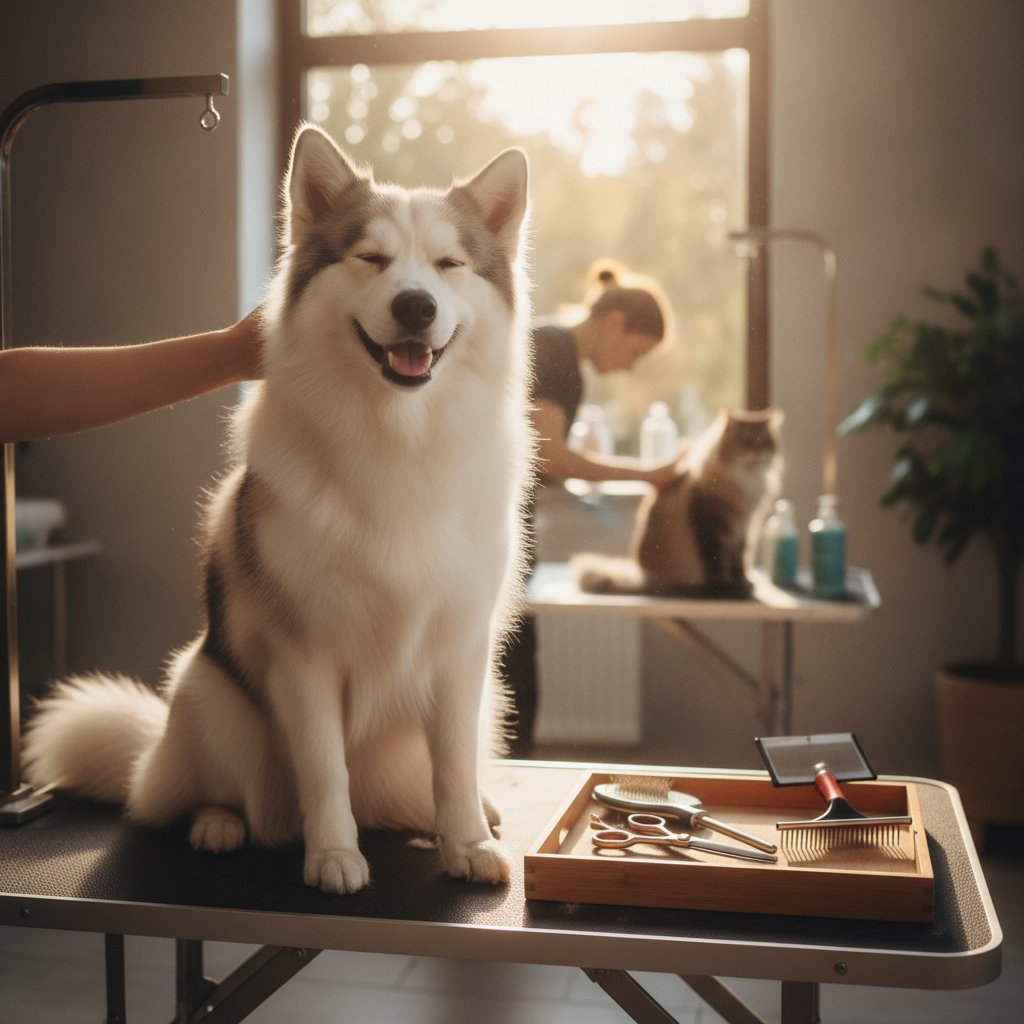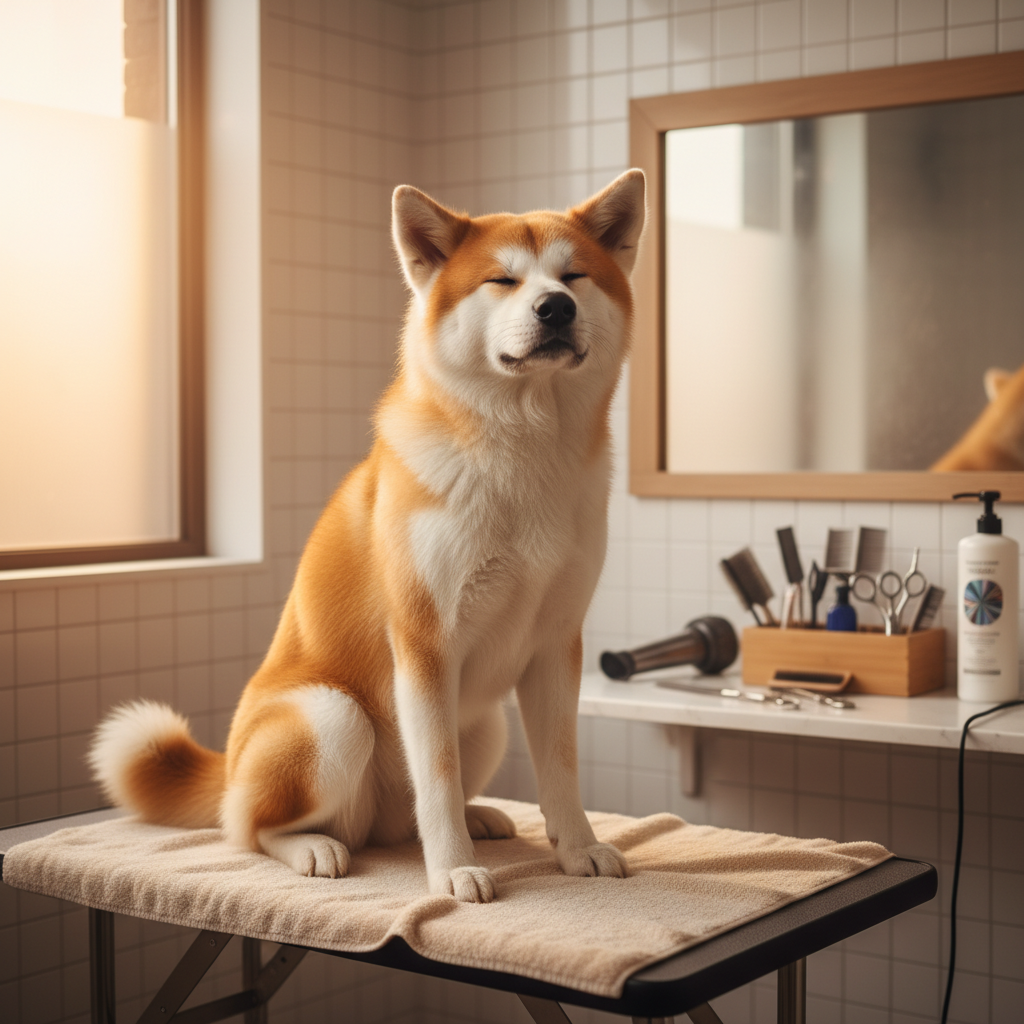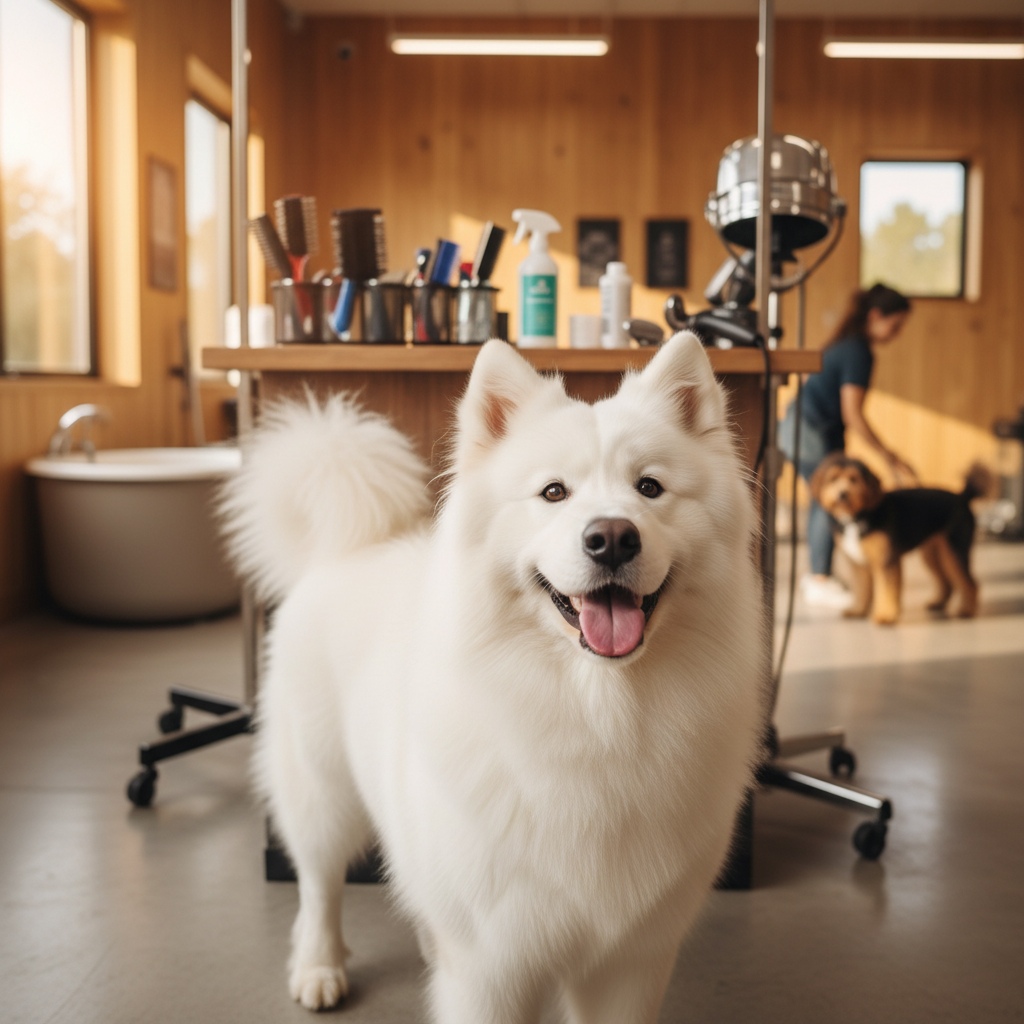
Ireland's damp maritime climate makes undercoat management especially important for double-coated breeds. Learn how to manage spring coat blow safely, with advice tailored to Irish conditions and regulations.
Key Takeaways
- Ireland's high humidity and frequent rain make trapped undercoat a significant risk factor for hotspots and fungal skin infections in double-coated breeds.
- Spring coat blow in Ireland typically begins in March and peaks through April, though the mild maritime climate can cause more diffuse, prolonged shedding than in continental climates.
- Undercoat rakes are the safest primary tool; deshedding blades should be used sparingly and with controlled pressure.
- Patchy, symmetrical, or sudden hair loss is not normal shedding and warrants a consultation with your veterinary practitioner.
- Owners of restricted breeds under the Control of Dogs Act should factor grooming needs into their routine, as a well-maintained coat supports calmer handling in public.
Why Coat Blow Management Matters in Ireland's Climate
Double-coated breeds such as German Shepherds, Siberian Huskies, Golden Retrievers, Samoyeds, Border Collies, and Alaskan Malamutes carry a dense undercoat beneath a protective guard coat. Twice a year, hormonally driven by changes in daylight length, this undercoat releases in large volumes. Groomers refer to this as "coat blow."
In Ireland, the temperate maritime climate creates specific challenges. Average humidity levels frequently exceed 80%, and rainfall is spread across the year. When dead undercoat is not removed promptly, it compresses against the skin and traps moisture from rain, damp grass, and general atmospheric humidity. This creates ideal conditions for acute moist dermatitis (hotspots), bacterial skin infections, and fungal overgrowth. The Veterinary Council of Ireland (VCI) notes that skin complaints are among the most common presentations in small animal practice, and poor coat maintenance is a contributing factor in many seasonal cases.
Ireland's relatively mild winters (rarely dropping below 0°C in most regions) also mean that some dogs, particularly those living indoors with consistent artificial lighting, may shed more continuously rather than in a distinct seasonal burst. Owners should be alert to gradual undercoat buildup from late February onwards.
Timing: When Does Coat Blow Peak in Ireland?
In most Irish counties, noticeable coat blow begins in early to mid March as daylight hours increase past the 11.5 to 12 hour mark. The heaviest shedding typically occurs through April and into early May. However, the mild Irish climate means coat blow can be less dramatic but more prolonged compared to dogs in Scandinavia or Canada, where temperature shifts are more extreme.
Dogs that spend significant time outdoors, such as working sheepdogs on farms in Connemara, Kerry, or Donegal, often experience a more pronounced seasonal blow than urban pets in Dublin or Cork, whose exposure to natural light cycles is moderated by indoor living.
Tools and Products: What You Need
Undercoat Rakes
An undercoat rake uses rounded, rotating metal pins to reach through the guard coat and lift loose undercoat without cutting it. This is widely regarded by professional grooming bodies, including the British Dog Groomers Association, as the safest hand tool for routine undercoat removal. Expect to pay between €15 and €35 for a quality undercoat rake from Irish pet retailers.
Best suited for: Heavy-coated breeds (Samoyeds, Alaskan Malamutes, Chow Chows) and any areas where the coat is dense but not severely matted.
Deshedding Tools
Deshedding tools use a fine stainless steel edge to catch and remove loose undercoat. They work faster than rakes but carry a moderate risk of thinning the coat if overused. Prices typically range from €20 to €45 in Ireland.
Best suited for: Moderate-undercoat breeds (Labrador Retrievers, Border Collies, Australian Shepherds) and quick maintenance between deeper grooming sessions.
Choosing Between Them
| Factor | Undercoat Rake | Deshedding Tool |
|---|---|---|
| Removal method | Lifts and pulls | Catches and cuts |
| Risk to guard coat | Low | Moderate if overused |
| Speed | Slower, more thorough | Faster surface passes |
| Skill level | Beginner friendly | Requires controlled pressure |
| Ideal frequency during blow | Several times per week | Once or twice per week maximum |
Professional consensus favours using the undercoat rake as the primary tool during heavy coat blow, supplementing with the deshedding tool only for finishing passes on the body. Avoid bony areas such as hips and spine when using deshedding blades.
Additional Supplies
- Slicker brush: For smoothing the topcoat and catching remaining loose fur after raking.
- Steel comb (Greyhound comb): For checking completeness. If the comb passes through without snagging, the section is clear.
- Detangling spray or light conditioner: Reduces static and friction. Avoid heavy silicone-based products that can clog the undercoat, a particular concern in Ireland's damp climate where trapped product residue takes longer to dry.
- High velocity dryer: See technique guidance below.
Step by Step Grooming Routine
Step 1: Pre-Grooming Assessment
Run both hands through the coat, checking for mats, lumps, scabs, or tender spots. Focus on behind the ears, the axillary region (armpits), the groin, and under the collar. In Ireland's wet conditions, collars and harnesses can trap moisture against the neck, so check carefully for damp, reddened skin beneath them. Note any areas where the dog flinches.
Step 2: Bathing
A warm bath with a mild, soap-free dog shampoo loosens dead undercoat considerably. Work the shampoo to the skin and rinse thoroughly, as residual product causes dryness and flaking. A light rinse-out conditioner helps separate the undercoat from the guard coat. In Ireland, many owners bathe dogs in utility rooms or sheds; ensure the space is warm enough (above 18°C) and well ventilated to allow the coat to dry properly afterwards.
Step 3: High Velocity Dryer Technique
A high velocity (force) dryer blasts room-temperature or warm air at high speed, pushing water and loose fur out of the coat. This tool is particularly valuable in Ireland, where air drying is unreliable due to humidity.
- Start on a moderate setting. Introduce airflow at the shoulder or hip before working towards the head.
- Direct the nozzle at roughly 45 degrees to the skin, in the direction of coat growth. Holding it perpendicular can be uncomfortable for the dog.
- Maintain approximately 10 to 15 centimetres from the skin to avoid wind irritation.
- Work systematically from rear to front: flanks, chest, legs, then head on a reduced setting near ears and eyes.
- Never direct the dryer into the ear canal. Dogs with heart conditions, severe anxiety, or brachycephalic anatomy may not tolerate the noise and airflow; towel drying followed by hand-tool grooming is a safer alternative.
Step 4: Raking, Deshedding, and Final Check
With the coat loosened, begin raking section by section in the direction of growth using short, gentle strokes. The tail and britches (rear thigh feathering) typically hold the most stubborn undercoat. If significant loose fur remains after raking, use a deshedding tool lightly, limiting each area to three to five passes. Finish by running a steel Greyhound comb through every section; smooth passage from skin to tip confirms the undercoat is adequately removed.
Ireland Specific: Humidity, Skin Health, and Drying
Ireland's consistently damp air means that even after a grooming session, the coat can reabsorb ambient moisture within hours. Veterinary guidelines recommend that after bathing or wet walks, double-coated dogs are dried as thoroughly as possible, ideally with a high velocity dryer or at minimum by vigorous towelling followed by time in a warm, dry indoor space. Allowing a double-coated dog to remain damp with residual undercoat creates a significantly higher hotspot risk than in drier climates.
During spring, dogs walked in fields, bogs, or along riverbanks should be checked for ticks after every outing. Tick-borne diseases such as Lyme disease (borreliosis) are present in Ireland, and a thinned, well-maintained coat makes tick checks far more effective. The Department of Agriculture, Food and the Marine (DAFM) advises that tick prevention remains a year-round consideration in many Irish counties.
Normal Shedding vs. Warning Signs
Distinguishing healthy coat blow from pathological hair loss is essential.
Normal Coat Blow
- Seasonal, beginning around March in Ireland.
- Shedding is diffuse and roughly even across the body.
- Soft tufts of undercoat release, but guard coat stays intact.
- Skin beneath appears pink, smooth, and healthy.
- No excessive itching or behavioural changes.
Red Flags Requiring Veterinary Attention
- Patchy or asymmetrical bald spots: May indicate hormonal imbalance (hypothyroidism, Cushing's disease), fungal infection (dermatophytosis), or parasitic infestation.
- Excessive scratching, licking, or chewing: Commonly relates to allergies, flea allergy dermatitis, or anxiety.
- Skin changes: Redness, scaling, crusting, darkened pigmentation, or greasy texture beneath thinning fur.
- Symmetrical flank alopecia: Bilateral hair loss on the flanks without inflammation can indicate seasonal flank alopecia or endocrine disease.
- Behavioural changes: Hair loss with lethargy, weight change, increased thirst, or appetite shifts points to systemic illness.
If any of these signs are present, seek veterinary advice promptly.
UCD Veterinary Hospital / Local Emergency Vet
Call your vet's emergency out-of-hours number or contact the UCD Veterinary Hospital in Dublin.
Irish vet practices provide out-of-hours emergency contact details on their answerphone message.
Restricted Breeds and Grooming Considerations
Under the Control of Dogs Act 1986 (and subsequent amendments), certain breeds and their crosses are classified as restricted in Ireland. These include German Shepherds, Akitas, and several other breeds, some of which are double coated. Restricted breeds must be muzzled and kept on a short, strong lead (not exceeding 2 metres) in public. A well-groomed, mat-free coat makes muzzle fitting more comfortable and reduces the risk of skin irritation under straps. All dogs in Ireland must be microchipped under the Microchipping of Dogs Regulations 2015.
When to See a Professional Groomer
- Mats have formed close to the skin, particularly in sensitive areas.
- The coat blow is exceptionally heavy and you lack a high velocity dryer.
- Your dog becomes stressed, aggressive, or shuts down during grooming.
- There are signs of skin disease requiring careful handling.
- You are unsure whether your dog has a single or double coat, especially relevant for mixed-breed rescue dogs adopted through organisations such as the ISPCA, Dogs Trust Ireland, or Madra.
Professional groomers certified through bodies such as the British Dog Groomers Association or City and Guilds qualifications have training in breed-specific coat handling. A professional deshedding session in Ireland typically costs between €50 and €90 depending on the breed and coat condition.
Common Mistakes to Avoid
- Shaving a double coat: This does not help the dog stay cool and can lead to sunburn (yes, even in Ireland during May to August), post-clipping alopecia, and loss of the coat's natural insulating properties.
- Over-bathing: Bathing more than once every three to four weeks strips natural oils and worsens dryness.
- Skipping the belly and legs: These areas accumulate loose undercoat and are especially prone to matting from rain and wet grass.
- Neglecting post-walk drying: In Irish conditions, this is arguably the single most impactful habit for preventing skin problems during coat blow season.
Frequently Asked Questions
When does coat blow season start in Ireland? ↓
Why is Ireland's climate a particular concern during coat blow? ↓
How much does professional deshedding cost in Ireland? ↓
Are any double-coated breeds restricted under Irish law? ↓
How can I tell if my dog's hair loss is normal coat blow or a medical issue? ↓

Sophie Bianchi
Certified Master Pet Groomer
Certified master pet groomer — breed-standard techniques, skin health awareness, and at-home grooming guidance.
Content Disclosure
This article was created using state-of-the-art AI models with human editorial oversight. It is intended for informational and entertainment purposes only and does not constitute veterinary medical advice. Always consult a licensed veterinarian for your pet's specific health needs. Learn more about our process.