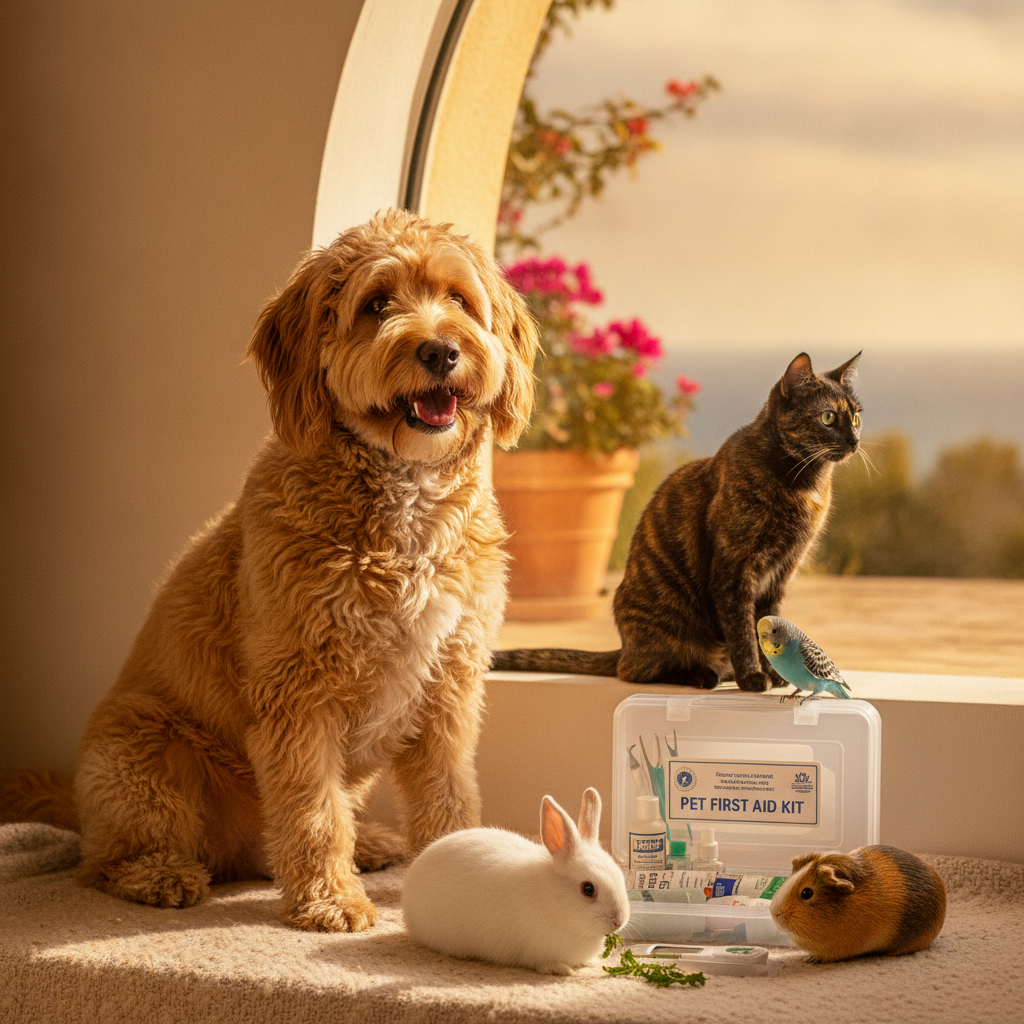
As the daffodils bloom across the Emerald Isle, discover essential safety advice for protecting your cats and dogs from common toxic plants in Irish gardens and parks.
- The Daffodil Danger: Ubiquitous across Ireland in spring, especially around Daffodil Day, these are highly toxic. The bulb poses the greatest risk to digging dogs.
- Lilies are Lethal to Cats: All true lilies (Lilium) causing rapid kidney failure are a severe risk indoors and out.
- Restricted Breeds & Muzzles: For owners of breeds listed under the Control of Dogs Act, mandatory muzzling in public provides an unintended safety barrier against accidental ingestion.
- Wet Weather Risks: Ireland's damp climate intensifies scents and keeps soil soft, making bulbs easier to unearth. Muddy paws can also transfer toxins during grooming.
As the grand stretch in the evenings returns and the frost clears from the Wicklow Mountains to the wild Atlantic coast, our habits as pet owners shift. We spend more time in the garden and take advantage of longer daylight hours for evening walks. However, this explosion of life in our hedgerows and flowerbeds brings specific risks that every Irish pet owner needs to manage.
While we often focus on diet and exercise, environmental management is the third pillar of pet wellness. The emergence of spring bulbs signals the changing season, but for our four-legged friends, these plants represent a significant toxicological threat. Whether you are walking in Phoenix Park, strolling a local greenway, or tending to your own back garden, awareness is your best defence.
The "Big Three" Toxic Bulbs in Irish Gardens
In Ireland, three specific plant groups cause the majority of plant-related poisoning cases seen by veterinary practices during the spring months. Understanding the biological mechanisms helps us assess the risk to our pets.
1. Daffodils (Narcissus): The National Spring Symbol
Daffodils are perhaps the most common spring flower in Ireland, appearing in private gardens, on roadside roundabouts, and wild in parklands. They are also culturally significant, symbolising hope and the Irish Cancer Society's Daffodil Day in March. However, for dogs, they present a serious hazard.
All parts of the daffodil contain lycorine, an alkaloid that triggers severe vomiting, drooling, and diarrhoea. In large ingestions, it can cause cardiac arrhythmia and respiratory depression. The danger is most acute in the bulb. If you have a dog that enjoys digging, common in Terriers or Spaniels, a dormant daffodil bulb looks suspiciously like a ball. The outer skin is particularly concentrated with toxins.
Local Tip: Be particularly vigilant after heavy rain (a common occurrence). The soil becomes loose, and bulbs can often rise to the surface or be easily dislodged by a curious snout.
2. Lilies: A Critical Warning for Cat Owners
If you share your home with a cat, this rule must be absolute: No True Lilies.
Plants in the Lilium family (e.g., Easter Lily, Tiger Lily) and Hemerocallis (Daylily) are nephrotoxic to cats, meaning they target the kidneys. The ingestion of one or two petals, or even grooming pollen off their fur after brushing against a cut flower arrangement, can result in irreversible kidney failure within days.
In Ireland, lilies are popular in Easter bouquets and formal gardens. If you receive a bouquet, check it immediately. If it contains lilies, it cannot stay in a house with a cat. Placing it on a high shelf or the "good room" mantlepiece is rarely sufficient for agile felines.
3. Tulips (Tulipa)
Tulips are a staple of Irish cottage gardens and formal planting schemes. Similar to daffodils, the tulip's toxic principles (Tulipalin A and B) are concentrated in the bulb. While chewing on the leaves might cause mild irritation, crunching into a bulb delivers a potent dose that can lead to intense nausea and depression of the central nervous system. This is a common scenario for puppies or high-drive dogs with unchanneled energy who dig up flowerbeds.
The Impact of Irish Climate on Toxicity Risks
Our specific climate contributes to the risk profile of these plants in ways that differ from drier regions.
- Soft Soil & Digging: Our frequent rainfall keeps the ground soft, making it incredibly easy for dogs to dig up bulbs. In drier climates, the ground often hardens, acting as a natural barrier. Here, a bored dog can excavate a flowerbed in minutes.
- Grooming & Ingestion: Mud is a fact of life for Irish dog owners. If your dog walks through a bed of crushed daffodils or lilies, the toxins can transfer to their fur. Later, when they clean themselves, they ingest the residue. Wiping paws thoroughly after every walk is not just about keeping your floors clean; it is a health check.
- Slug Pellets: It is worth noting that with our damp climate comes slugs, and with slugs come slug pellets. Many gardeners use metaldehyde-based pellets to protect these very bulbs. These are often more lethal than the plants themselves. Always opt for pet-safe, organic pest control methods.
Legal Obligations and Safety: The Control of Dogs Act
Ireland has specific legislation that, while designed for public safety, can inadvertently protect your dog from toxicity risks in public spaces.
Under the Control of Dogs Act and the associated regulations on restricted breeds, certain dogs (including German Shepherds, Rottweilers, Bull Terriers, and Dobermanns, among others) must be muzzled and kept on a strong short lead (under 2 metres) when in public places.
While these restrictions are often debated, from a toxicology perspective, a muzzle is an effective barrier. If you own a restricted breed, your compliance with the law ensures your dog cannot scavenge bulbs or toxic litter in public parks. For owners of non-restricted breeds, using a basket muzzle during high-risk seasons in dense floral areas (like botanic gardens where dogs are permitted) can be a sensible, proactive management tool.
Proactive Garden Design for Irish Homes
We do not need to banish nature, but we must curate it intelligently. By auditing your environment, you create a passive safety net.
Elevation and Exclusion
If you are planting a garden this year, consider raised beds. Sleeper beds are very popular in modern Irish landscaping and can raise the planting level out of a small dog's eye line. For curious diggers, installing chicken wire just below the soil surface allows plants to grow through but prevents paws from accessing the bulbs beneath.
Pet-Safe Alternatives
Ireland's acidic soil is perfect for many plants that are safer for pets. Camellias and Roses are generally safe alternatives that thrive here. Fuchsia, the icon of West Cork, is also non-toxic to dogs and cats. Opting for these allows you to enjoy a vibrant garden without the veterinary risks.
Training for Safety: The "Leave It" Command
A reliable "Leave It" cue is a critical life skill. Whether you are walking on the pavement in Dublin or a boreen in Kerry, you will encounter rubbish, dropped food, and toxic plants.
Practice this command daily with low-value items and reward with high-value treats (like small pieces of reputable Irish cheese or liver cake). Your goal is for the dog to look at a plant and check in with you rather than engage with it. If you are struggling with this, consider contacting a local trainer accredited by the APDT Ireland (Association of Pet Dog Trainers) for support.
When to Seek Professional Help
Despite our best efforts, accidents happen. If you suspect your pet has ingested a toxic bulb or plant:
- Act Immediately: Do not wait for symptoms to appear. Time is critical, especially with lilies and cats.
- Identify the Plant: Take a photo or bring a sample of the plant (safely bagged) to the vet.
- Contact Your Vet: Call your registered veterinary practice immediately. If it is outside of normal hours (evenings or weekends), you will need the designated out-of-hours service.
Emergency Contact:
UCD Veterinary Hospital / Local Emergency Vet
Call your vet's emergency out-of-hours number or contact the UCD Veterinary Hospital in Dublin.
Irish vet practices provide out-of-hours emergency contact details on their answerphone message.
Do Not Induce Vomiting: Unless explicitly instructed by a veterinary professional, do not induce vomiting at home. Some toxins can cause more damage coming back up, and there is a risk of aspiration pneumonia.
Summary
Spring is a beautiful time to explore our island. Whether you are heading to the Curragh for a run or just enjoying your local park, a little proactive planning ensures that the only thing blooming this season is your pet's health. Keep an eye on the verges, wipe those muddy paws, and enjoy the season safely.
Frequently Asked Questions
Are daffodils poisonous to dogs in Ireland? ↓
What should I do if my cat eats a lily? ↓
Can I walk my dog in parks with spring flowers? ↓
Are there pet-safe plants that grow well in Ireland? ↓

Lena Voss
Pet Wellness & Lifestyle Coach
Pet wellness and lifestyle coach — proactive fitness, weight management, and preventive care for healthier, happier pets.
Content Disclosure
This article was created using state-of-the-art AI models with human editorial oversight. It is intended for informational and entertainment purposes only and does not constitute veterinary medical advice. Always consult a licensed veterinarian for your pet's specific health needs. Learn more about our process.