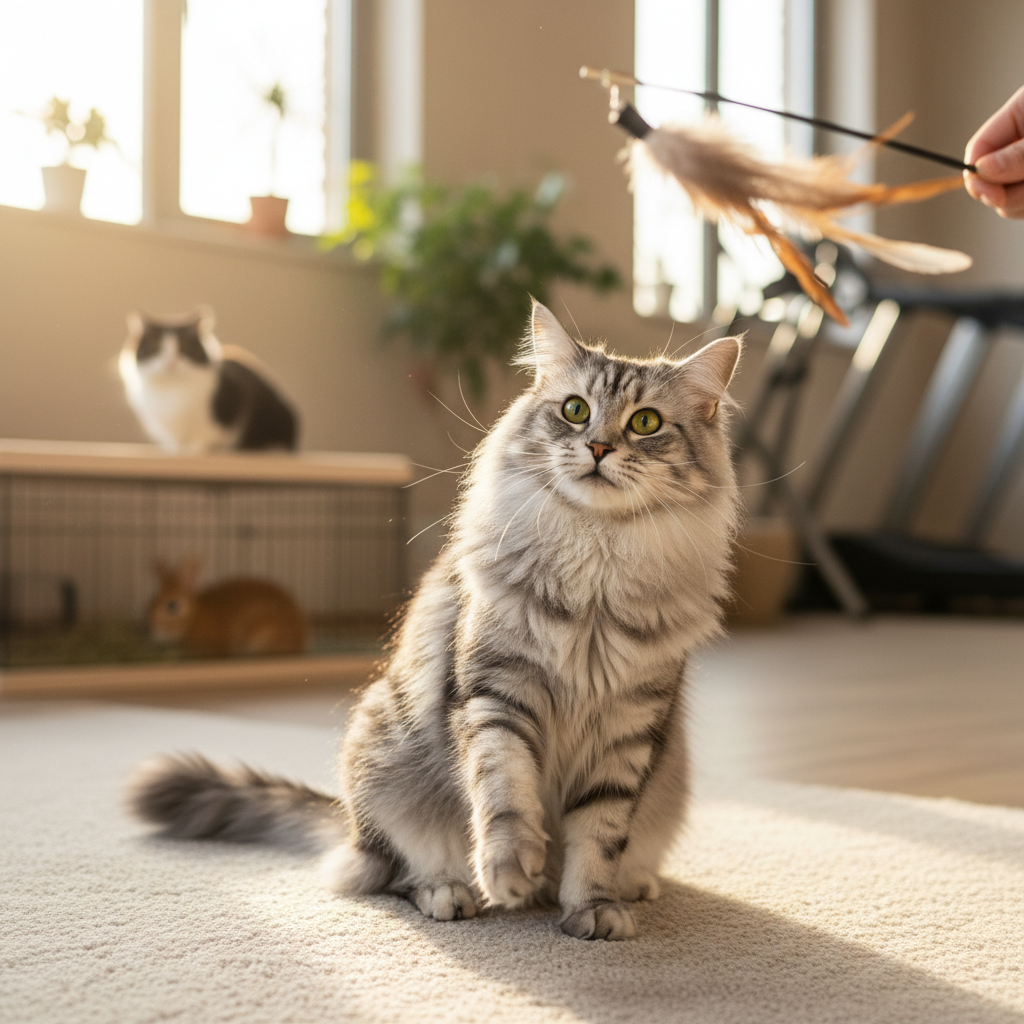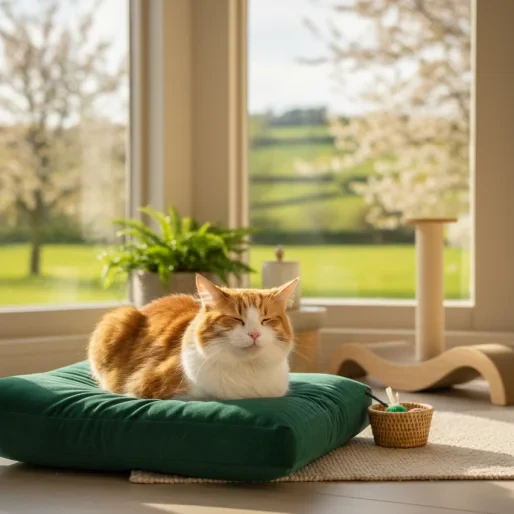
Irish springs bring damp, mild conditions that can mask health changes in older cats. This checklist covers kidney screening, dental care, weight tracking, mobility, and seasonal hazards specific to Ireland's climate and veterinary landscape.
Key Takeaways
- Cats aged 11 and older are classified as senior, and Ireland's mild, damp spring creates specific health considerations that differ from drier climates.
- Chronic kidney disease (CKD) affects a substantial proportion of senior cats; early screening through bloodwork and urinalysis is widely recommended by the International Society of Feline Medicine (ISFM), whose guidelines are followed by veterinary practices across Ireland.
- Dental disease is among the most commonly diagnosed conditions in older cats and often goes undetected because cats mask oral pain effectively.
- Ireland's high humidity and persistent dampness through spring can worsen joint stiffness in cats with degenerative joint disease, a condition frequently mistaken for normal ageing.
- Easter lilies, culturally significant in Ireland, are extremely toxic to cats and represent a heightened seasonal risk every spring.
- A spring home safety audit tailored to Irish housing and garden conditions can reduce hazards for less mobile senior cats.
Why Spring in Ireland Requires Special Attention for Senior Cats
Irish springs are characterised by gradually lengthening days, temperatures typically rising from around 7°C to 13°C between March and May, frequent rain, and persistent humidity. For senior cats, these conditions create a distinct set of challenges. Damp weather can aggravate joint stiffness. Mild but changeable temperatures may cause subtle shifts in water intake that are easy to overlook. The arrival of spring flowers, including species highly toxic to cats, coincides with Easter celebrations when households are more likely to receive bouquets or purchase decorative plants.
Veterinary Ireland, the representative body for the veterinary profession in the country, supports the ISFM recommendation that senior cats receive wellness examinations at least twice yearly. Scheduling one of these visits in spring, ideally in March or April, allows veterinary teams to assess how a cat has fared through winter and to address emerging issues before the warmer months.
Kidney Screening
Why It Matters in the Irish Context
Chronic kidney disease remains one of the most prevalent conditions in ageing cats worldwide, and Ireland is no exception. Studies suggest CKD may affect roughly 30 to 40 percent of cats over the age of 15. Ireland's damp climate does not directly cause kidney disease, but it can influence drinking habits: cats in cooler, humid environments may drink less than those in warmer climates, potentially masking early signs of increased thirst (polydipsia) that would otherwise prompt investigation.
What to Request at the Vet
- Full blood chemistry panel: Including blood urea nitrogen (BUN), creatinine, and symmetric dimethylarginine (SDMA) where available. SDMA is increasingly offered by Irish veterinary laboratories and can detect reduced kidney function earlier than creatinine alone.
- Complete urinalysis: Urine specific gravity, protein levels, and sediment analysis provide essential information about kidney concentrating ability.
- Blood pressure measurement: Hypertension commonly accompanies CKD and can accelerate kidney damage. Many Irish veterinary clinics now include blood pressure checks as part of senior wellness panels.
Home Monitoring
- Track daily water consumption. In Ireland's cool spring, a noticeable increase in drinking may be easier to miss against a backdrop of already moderate intake.
- Monitor litter box output. Larger or more frequent urine clumps can indicate polyuria.
- Note changes in appetite, energy levels, or coat quality. A dull, unkempt coat in a previously well-groomed cat can be an early indicator.
Understanding how pet insurance handles diagnostic screening is worth reviewing before the appointment. Irish pet insurance policies vary significantly in their coverage of routine wellness bloodwork versus diagnostic testing prompted by clinical signs. For guidance, see Pet Insurance Payouts in Ireland: Understanding Excess, Co-Pay, and Annual Limits Before You Claim.
Dental Assessment
Why It Matters
Dental disease is one of the most frequently diagnosed conditions in cats, with prevalence increasing substantially with age. Common findings in senior cats include periodontal disease, tooth resorption (a painful condition where the tooth structure breaks down below the gumline), and stomatitis. Cats are exceptionally good at hiding oral pain, so owners often notice problems only when the disease is advanced.
What the Vet Will Check
- Visual oral examination: Assessing for redness, tartar buildup, gum recession, and visible lesions.
- Dental radiographs (if indicated): Tooth resorption is frequently invisible without imaging. Many Irish veterinary practices now have dental radiography capabilities.
- Assessment for feline stomatitis: Severe oral inflammation that may require tooth extractions or immunosuppressive treatment.
Home Monitoring
- Watch for drooling, pawing at the mouth, dropping food, or chewing on one side only.
- Note reluctance to eat dry food when the cat previously accepted it.
- Check for worsening breath odour or blood spots on toys, bedding, or near food bowls.
Cats experiencing dental pain may reduce grooming, leading to matting or coat deterioration. In Ireland's humid conditions, a poorly maintained coat can become damp and uncomfortable more quickly than in drier climates, compounding the cat's discomfort. For grooming strategies, see Zero-Waste Cat Grooming at Home: Reusable Wipes, Compostable Brushes, and What to Do With Shed Fur.
Weight Monitoring
Why It Matters
Weight changes in senior cats carry significant clinical meaning. Unintentional weight loss can signal CKD, hyperthyroidism, diabetes, cancer, or inflammatory bowel disease. Weight gain increases the risk of diabetes, hepatic lipidosis, and additional stress on arthritic joints. The World Small Animal Veterinary Association (WSAVA) nutritional guidelines recommend that body weight and body condition scoring form part of every senior wellness visit.
What to Request at the Vet
- Accurate scale weight in kg: Compared to previous visits to identify trends. Even a loss of 0.2 to 0.3 kg in a cat can be proportionally significant.
- Body condition score (BCS): Assessed on a 9-point scale, with 4 to 5 considered ideal.
- Muscle condition score: Evaluates muscle mass over the spine, skull, and hindquarters, separate from overall body fat. Muscle wasting is common in older cats even when total weight appears stable.
Home Monitoring
- Weigh the cat monthly using a kitchen or baby scale. Record results in a log or phone app.
- Run your hands along the ribs: they should be easy to feel but not prominently visible.
- Watch for a shrinking waistline (viewed from above) or a newly prominent spine.
- Track daily food intake, including treats and supplements.
Spring Nutrition Considerations for Ireland
Irish springs rarely bring the heat that suppresses appetite in warmer climates, but changeable weather and increased daylight can still subtly alter eating patterns. Any sustained decrease in food intake in a senior cat warrants veterinary investigation regardless of season. Spring is also a practical time to reassess diet formulation: senior-specific diets typically adjust protein, phosphorus, and calorie levels to support ageing kidneys and lean muscle.
Mobility Review
Why Ireland's Climate Matters
Degenerative joint disease (arthritis) is extremely common in older cats. Radiographic studies suggest that a large majority of cats over the age of 12 show evidence of joint changes. Ireland's consistently damp and cool spring conditions can be particularly challenging for arthritic cats. High humidity and low barometric pressure, both frequent features of Irish weather, are widely reported to worsen joint stiffness and discomfort.
Unlike dogs, cats rarely limp in a recognisable way. Instead, they reduce activity, avoid jumping, or change resting positions. In Irish homes, where many older properties have stone or tiled floors that retain cold, the surface temperature underfoot can add to a senior cat's reluctance to move.
What the Vet Will Check
- Joint palpation: Checking for thickening, reduced range of motion, and pain responses in the elbows, hips, knees, and spine.
- Gait observation: Owners can bring smartphone footage of the cat moving at home, which is particularly valuable since cats often behave differently in the clinic.
- Pain scoring: Validated tools such as the Feline Grimace Scale help quantify discomfort and track changes over time.
Home Monitoring and Adaptations
- Note reluctance to jump onto surfaces the cat previously accessed easily.
- Watch for stiffness after rest, particularly on cold, damp mornings (common through April and May in Ireland).
- Observe litter box posture: difficulty squatting may indicate hind-limb joint pain.
- Consider placing warm bedding or heated pads in favourite resting spots, especially in rooms without central heating.
- Provide ramps or low steps to help arthritic cats reach preferred elevated positions.
Indoor cameras can help track mobility patterns when owners are away. For guidance, see How Indoor Pet Cameras Help You Monitor Behaviour While Away: What Normal Activity Looks Like and What Footage to Share With Your Vet or Sitter.
Spring Home Safety Audit for Irish Households
Toxic Plants: A Heightened Irish Risk
Easter lilies deserve special emphasis in Ireland. Beyond their widespread availability as Easter decorations in shops and garden centres, the Easter lily holds particular cultural significance in Ireland as a symbol of remembrance. This means they appear frequently in Irish homes during spring. All species of Lilium and Hemerocallis are extremely toxic to cats, and even minor contact with pollen can cause fatal kidney failure. Cats in households that observe Easter traditions should be kept entirely away from these flowers. Daffodils, another iconic Irish spring flower, are also toxic (particularly the bulbs), as are tulips and azaleas.
Room by Room Considerations
- Living areas: Ensure ramps or steps allow access to favourite resting spots. Secure loose cables. In older Irish homes with draughty floors, provide raised, insulated bedding options.
- Kitchen: Store cleaning products in latched cabinets. Spring cleaning products containing phenols and essential oils are toxic to cats.
- Bathroom: Keep toilet lids closed, especially when using chemical treatments. Secure medications in closed containers.
- Windows and doors: As weather improves, Irish households begin opening windows and doors more frequently. Ensure all openable windows have secure screens or guards. Falls from upper-storey windows remain a significant seasonal risk.
- Litter box stations: Use low-entry boxes for cats with mobility issues. Place at least one box on every floor and ensure paths are clear and well-lit.
Parasite Prevention
Tick and flea activity increases through Irish spring. The castor bean tick (Ixodes ricinus) is widespread across Ireland, found in grassland, woodland edges, and even suburban gardens. Ensure any topical or oral parasite preventive is specifically labelled for cats. Permethrin-based products designed for dogs are highly toxic to cats and must never be used on felines. Your veterinary practice can advise on appropriate products for your cat's age and health status.
For more on seasonal skin responses, see How the Feline Immune System Responds to Seasonal Environmental Change: Allergy Mechanisms, Skin Flares, and Why Spring Triggers Differ From Human Hay Fever.
Emergency Preparedness for Senior Cat Owners in Ireland
Spring is a practical time to update your emergency kit and contacts. For senior cats, recommended items include:
- A printed copy of the cat's medical history, current medications, and dosages.
- A two-week supply of any prescription medications.
- Contact details for your primary veterinary practice, the nearest emergency or out-of-hours veterinary service, and .
UCD Veterinary Hospital / Local Emergency Vet
Call your vet's emergency out-of-hours number or contact the UCD Veterinary Hospital in Dublin.
Irish vet practices provide out-of-hours emergency contact details on their answerphone message.
- A comfortable, easy-to-clean carrier with a low entry point for arthritic cats.
- Familiar bedding carrying the cat's scent.
- A small supply of the cat's regular food and fresh water.
- Copies of vaccination records and microchip details. While microchipping is mandatory for dogs in Ireland under current legislation, it is strongly recommended for cats and makes reunification far easier if a cat escapes during the increased outdoor activity of spring.
- A basic first-aid kit: gauze, non-adhesive bandages, saline solution, and blunt-tipped scissors.
For guidance on recognising when symptoms require emergency care versus calm monitoring, see The First Emergency With a New Puppy: Recognising When Symptoms Require Immediate Vet Attention vs. Calm Observation at Home, which covers triage principles applicable to cats as well.
When to Act Urgently
While this checklist focuses on preventive care, certain spring scenarios require immediate veterinary attention:
- Any contact with lilies (including pollen on fur) warrants an emergency visit, even without visible symptoms.
- Sudden inability to bear weight on one or more limbs.
- Complete refusal to eat or drink for more than 24 hours.
- Laboured breathing or open-mouth breathing.
- Sudden, dramatic increase in water consumption or urination.
- Vomiting or diarrhoea persisting beyond 12 hours in a senior cat.
In any emergency, contact your veterinary practice or nearest out-of-hours emergency service immediately. Keep these numbers stored in your phone and posted visibly at home.
Final Thought
Senior cats are masters of subtlety. The changes that matter most (a slight dip in kidney function, a quiet toothache, a slow loss of muscle) are exactly the ones they hide best. Ireland's mild, damp spring can both mask and aggravate age-related conditions, making structured monitoring all the more valuable. By combining twice-yearly veterinary visits with consistent home observation, cat owners in Ireland give their senior companions the best chance at comfort, early intervention, and quality of life through every season.
Frequently Asked Questions
How often should a senior cat in Ireland see the vet? ↓
Are Easter lilies dangerous to cats in Ireland? ↓
Does Ireland's damp climate affect arthritis in senior cats? ↓
Is microchipping mandatory for cats in Ireland? ↓
What parasite prevention should senior cats in Ireland receive in spring? ↓

Tom Ashford
Pet Safety & Home Consultant
Pet safety and home-proofing specialist — systematic hazard prevention and emergency preparedness for pet owners.
Content Disclosure
This article was created using state-of-the-art AI models with human editorial oversight. It is intended for informational and entertainment purposes only and does not constitute veterinary medical advice. Always consult a licensed veterinarian for your pet's specific health needs. Learn more about our process.