A practical summer feeding plan for hamsters, gerbils, and mice covering cooling vegetables, safe portions, and hydration tactics. Includes a weekly chart, toxic-food table, and label literacy tips grounded in current small mammal nutrition guidance.
Key Takeaways
- Small rodents lose water fast in heat: their high surface-area-to-volume ratio means even mild dehydration can become dangerous within hours.
- Cooling vegetables help, but portions matter: excessive moisture-rich produce is the leading cause of summer diarrhoea in hamsters, gerbils, and mice.
- Fresh water is non-negotiable: bottles, sipper checks, and a backup bowl reduce the risk of silent dehydration during heatwaves.
- Avoid sugary fruit, citrus, raw onion, and any wilted greens when ambient temperatures rise above roughly 26 to 28 C.
- Label literacy beats brand loyalty: crude protein, fibre content, and added sugars on commercial mixes deserve closer reading than marketing claims.
Why Summer Changes Small Rodent Nutrition
Hamsters, gerbils, and mice evolved in arid or semi-arid environments, yet captivity introduces variables (poor ventilation, glass tanks, sun-facing windows) that can push body temperatures past their comfort zone. Veterinary exotic medicine references generally cite a safe ambient range of roughly 18 to 24 C for Syrian and dwarf hamsters, with gerbils tolerating slightly warmer conditions and laboratory mice preferring around 20 to 24 C. Above 28 C, heat stress risk climbs sharply, and feeding strategy becomes part of the cooling toolkit rather than a separate consideration.
Owners are often surprised that hydration in these species is largely food-driven. Gerbils in particular, adapted to desert ecology, extract a significant proportion of daily water from moisture in seeds and fresh produce. Increasing safe, watery vegetables in measured amounts during heatwaves can supplement bottle drinking without overwhelming a sensitive digestive tract.
Nutritional Needs Overview by Species
Syrian and Dwarf Hamsters
Adult hamsters typically require a diet around 15 to 20 percent crude protein and 4 to 7 percent fat, with moderate fibre. Pregnant, lactating, or juvenile animals need protein at the higher end. Dwarf species (Campbell's, Winter White, Roborovski) are prone to diabetes-like glucose dysregulation, so sugary fruit and dried banana chips should be reserved for rare treats year-round, and avoided entirely in summer when stress can already destabilise metabolism.
Gerbils
Mongolian gerbils thrive on roughly 14 to 18 percent crude protein with low to moderate fat. Their water requirements are modest but absolute: a sealed sipper bottle that fails in a hot room can be fatal within a day. Gerbils tolerate small portions of fresh produce well, but introducing new vegetables abruptly during heat stress can trigger soft stools.
Mice
Pet mice generally do well on 16 to 18 percent crude protein, with slightly higher fat tolerance than gerbils. Their tiny size means portion control is precise: a teaspoon of mixed feed per mouse per day is a common professional guideline, adjusted for activity and body condition.
Cooling Vegetables and Their Approximate Water Content
The following vegetables are commonly considered safe for hamsters, gerbils, and mice in measured portions. Water content figures are drawn from standard food composition references and rounded for practical use.
- Cucumber (approximately 95 percent water): excellent for short cooling bursts, but the easiest vegetable to over-feed.
- Romaine lettuce (around 94 percent water): safer than iceberg, which offers minimal nutrition and can cause loose stools.
- Courgette / zucchini (around 94 percent water): mild and well tolerated, ideal in thin slivers.
- Bell pepper, red or yellow (around 92 percent water): rich in vitamin C, useful in small cubes.
- Carrot (around 88 percent water): higher in sugar, so limit to a thin slice for dwarf hamsters and diabetic-prone species.
- Broccoli florets (around 89 percent water): nutritious but gas-forming if over-fed.
- Fresh herbs (parsley, basil, coriander, dill, around 85 to 90 percent water): aromatic enrichment that doubles as hydration.
Vegetables should be served at room temperature, never straight from the fridge. Cold produce can cause gut spasm and discourage further intake. Rinse thoroughly to remove pesticide residues, and pat dry so cage bedding stays clean.
Portion Sizes to Prevent Diarrhoea
Soft stool is the most common summer complaint reported by small rodent owners. The cause is almost always too much fresh produce introduced too quickly. Professional consensus for small rodents suggests fresh food should comprise no more than around 10 to 15 percent of the daily diet by weight, with the remainder coming from a balanced seed-and-pellet mix appropriate to the species.
- Syrian hamster: roughly one teaspoon of fresh vegetable per day, split into morning and evening servings.
- Dwarf hamster: roughly half a teaspoon per day, with sugar-light choices prioritised.
- Gerbil: a pea-sized portion per gerbil per day, increased gradually if tolerated.
- Mouse: a pea-sized portion per mouse per day, typically chopped fine.
When introducing a new vegetable, offer a tiny piece and observe droppings for 24 to 48 hours before increasing. Any sign of wet tail in hamsters (a serious bacterial enteric condition) warrants immediate veterinary attention rather than dietary self-management.
Foods to Avoid in Hot Weather
Some foods that are merely cautionary in cool weather become higher risk in summer because spoilage accelerates and gut flora is already under heat stress.
- Citrus fruits (orange, lemon, grapefruit): too acidic for hamsters and mice, and unsuitable for gerbils.
- Onion, garlic, leek, chives, shallots: contain compounds toxic to small rodents, with risk of haemolytic anaemia.
- Raw potato and potato peels: contain solanine.
- Rhubarb leaves and raw kidney beans: contain oxalates and lectins respectively.
- Avocado: persin content makes it unsafe, especially the skin and pit.
- Chocolate, caffeine, alcohol: universally toxic, no safe amount.
- Sugary fruit in heat: grapes, banana, mango, and dried fruits ferment quickly in warm cages and can spike blood glucose.
- Wilted or browning greens: bacterial load rises rapidly above 25 C ambient.
- Mealworms and other high-fat protein in large amounts: digestion generates metabolic heat that compounds heat load.
Reading Pet Food Labels: Beyond the Front of the Pack
Commercial small rodent mixes vary enormously in quality. Owners are often surprised that ingredient lists tell them less than the guaranteed analysis panel and the species-appropriate ratios behind it. Key checkpoints include:
- Crude protein: compare against the species range above. Excess protein in seniors can stress kidneys.
- Crude fibre: aim for at least 8 to 15 percent depending on species; fibre supports gut motility, especially relevant in heat when appetite drops.
- Added sugars and molasses: often listed as honey, glucose syrup, or fruit concentrates. Minimise for dwarf hamsters and gerbils.
- Whole seeds versus colourful extruded pieces: brightly coloured pellets are often selectively avoided by the animal, leading to nutritional imbalance.
- Preservatives and antioxidants: tocopherols (vitamin E) are preferable to artificial preservatives where indicated.
Because these species are not covered by the same comprehensive AAFCO or FEDIAF nutritional adequacy statements as dogs and cats, label scrutiny becomes even more important. Where possible, cross-reference manufacturer claims with peer-reviewed small mammal nutrition literature or guidance from bodies such as the Royal (Dick) School of Veterinary Studies exotic animal resources.
How to Encourage Drinking
Even with hydrating vegetables, an accessible water source is essential. Practical professional recommendations include:
- Provide two water sources: a sipper bottle and a shallow ceramic dish. Bottles can clog or air-lock; bowls catch bedding but offer redundancy.
- Check sipper bottles twice daily in summer by tapping the ball valve and confirming a drop of water releases.
- Use filtered or dechlorinated tap water if local water quality is highly chlorinated, which can deter drinking.
- Position water away from direct sun to prevent warm, algae-prone conditions.
- Refresh water at least once daily in hot weather, ideally twice.
- Offer water-rich vegetables as described above to supplement intake passively.
- Avoid electrolyte powders unless specifically recommended by an exotics vet for a diagnosed condition.
Smart climate monitoring can flag dangerous indoor temperature spikes before they affect a small rodent. Readers interested in technology-assisted prevention may find the overview in AI Climate Monitors: Protecting Pets From Heatstroke a useful companion read.
Weekly Summer Feeding Chart
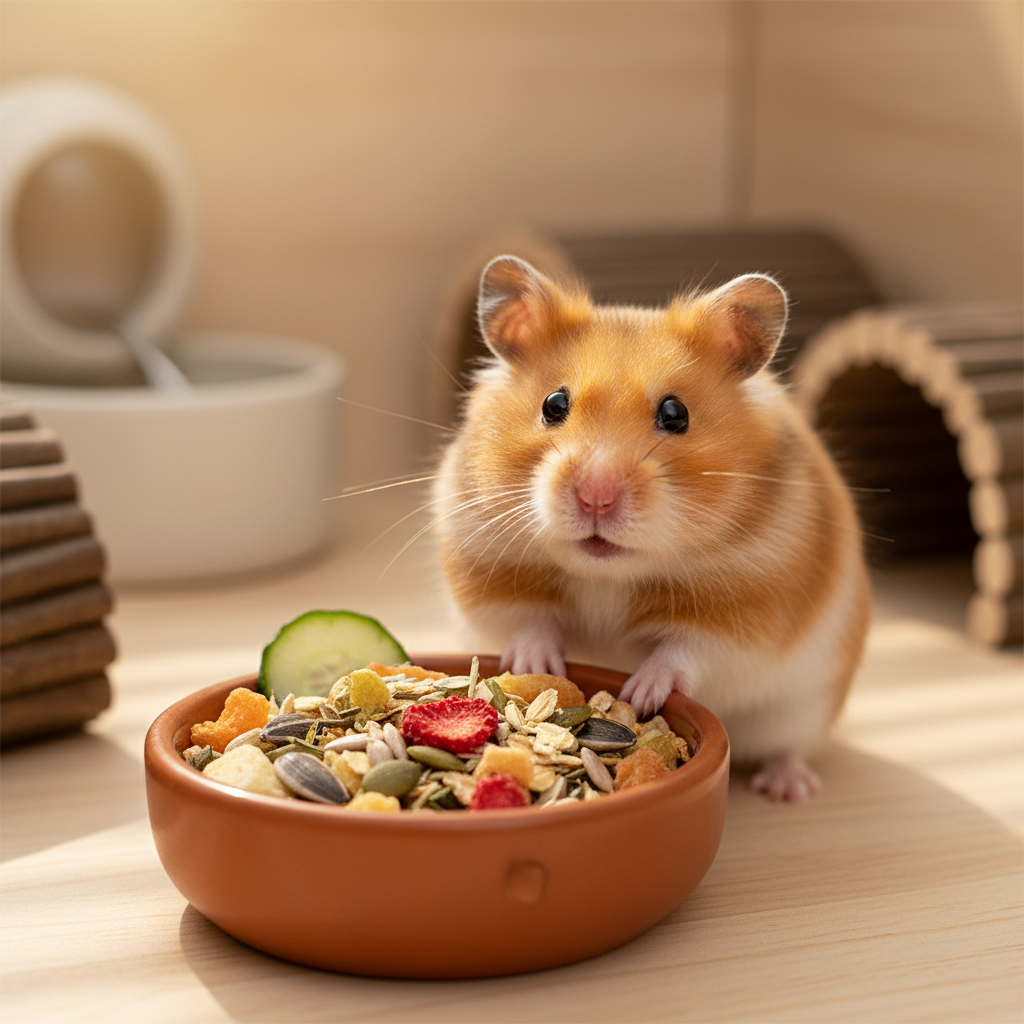
The chart below offers a template rotation for an adult Syrian hamster. Scale portions down for dwarf hamsters, gerbils, and mice as outlined earlier. The base diet (species-appropriate dry mix and unlimited fresh water) remains constant; the fresh element rotates to prevent oversupply of any single nutrient.
- Monday: base mix plus a thin sliver of cucumber (morning) and two strands of parsley (evening).
- Tuesday: base mix plus a small cube of red bell pepper (morning) and a tiny piece of romaine (evening).
- Wednesday: base mix plus a thin slice of courgette (morning); skip evening fresh to rest the gut.
- Thursday: base mix plus a small broccoli floret tip (morning) and one basil leaf (evening).
- Friday: base mix plus a thin matchstick of carrot (morning) and a sprig of coriander (evening).
- Saturday: base mix plus a small cube of cucumber (morning); offer a single sunflower seed as enrichment.
- Sunday: base mix plus a thin sliver of yellow pepper (morning) and a parsley sprig (evening).
Remove any uneaten fresh food within four to six hours, faster in very warm rooms, to prevent spoilage and attract-pest issues.
Special Diets: Juveniles, Seniors, and Pregnant Females
Juveniles
Growing rodents need slightly higher protein and consistent caloric intake. Fresh produce should be introduced in tiny pieces from around four weeks for hamsters and mice, with extra vigilance for soft stools.
Seniors
Older small rodents (typically 18 months and above for hamsters, two years and above for gerbils and mice) often show reduced appetite in summer. Soft, hydrating foods such as a tiny amount of mashed cooked pumpkin or steamed courgette can encourage intake. Disrupted sleep patterns during long summer days can compound this; the article on Summer Daylight, Senior Pets' Sleep and Sundowning discusses related circadian considerations, which apply in principle to small mammals housed in bright rooms.
Pregnant and Lactating Females
Protein requirements rise to the upper end of the species range, and water intake roughly doubles. Place an additional water source near the nest and avoid disturbing the cage layout in the final days of pregnancy.
Toxic Foods Safety Table
- Chocolate, cocoa, coffee, tea: theobromine and caffeine toxicity, never safe.
- Onion family (onion, garlic, leek, chives, shallots): risk of haemolytic anaemia.
- Avocado: persin toxicity, avoid entirely.
- Raw potato, green tomato, aubergine leaves: solanine risk.
- Rhubarb leaves: oxalate toxicity.
- Raw kidney beans: lectin toxicity.
- Citrus fruits: too acidic, gastrointestinal upset.
- Almonds (bitter), apple seeds, apricot pits, cherry pits: cyanogenic compounds.
- Sticky foods (peanut butter, soft bread): choking and cheek-pouch impaction risk in hamsters.
- Alcohol, tobacco, household herbs in essential-oil form: universally hazardous.
Practical Cage and Housing Considerations
Nutrition does not work in isolation from environment. In rooms that climb above 26 C, position cages away from windows, avoid placing them directly in front of fans (which can dry mucous membranes), and consider a ceramic tile in the enclosure for the animal to lie against. Owners juggling travel during heatwaves may also find the planning guidance in Hiring a Trustworthy In-Home Pet Sitter This Summer helpful, as small rodents are easily overlooked by sitters unfamiliar with their fragility. Households with other small mammals can also reference Summer Grooming for Longhair Guinea Pigs and Rabbits for adjacent heat-management strategy.
When to Contact a Veterinarian
Owners should seek veterinary care promptly if they observe persistent diarrhoea, a wet or matted hindquarters in a hamster, hunched posture, refusal to drink, rapid breathing, or sudden lethargy. Therapeutic and prescription diets, including any treatment for diabetic dwarf hamsters or renal-compromised seniors, require veterinary supervision and should not be self-prescribed.
Final Notes on Trust and Brand Choice
No single commercial mix is universally superior. The professional position is consistent: choose products whose guaranteed analysis fits the species, whose ingredient list is dominated by recognisable whole foods, and whose fresh supplementation is calibrated to the season. Heat changes the equation, and a small adjustment to portion size, water access, and produce selection can prevent the majority of summer dietary emergencies in hamsters, gerbils, and mice.
Frequently Asked Questions
How much fresh vegetable can I safely give my hamster in summer? ↓
Is cucumber safe for gerbils and mice every day? ↓
What signs of dehydration should I watch for in small rodents? ↓
Can I use electrolyte solutions to help my hamster stay hydrated? ↓
Why does my mouse get diarrhoea every summer when I add fresh vegetables? ↓
Are pellet diets or seed mixes better for small rodents in hot weather? ↓

Sarah Mitchell
Canine Nutrition Consultant
Canine nutrition consultant — evidence-based feeding guidance, label literacy, and diet planning without brand bias.
Content Disclosure
This article was created using state-of-the-art AI models with human editorial oversight. It is intended for informational and entertainment purposes only and does not constitute veterinary medical advice. Always consult a licensed veterinarian for your pet's specific health needs. Learn more about our process.