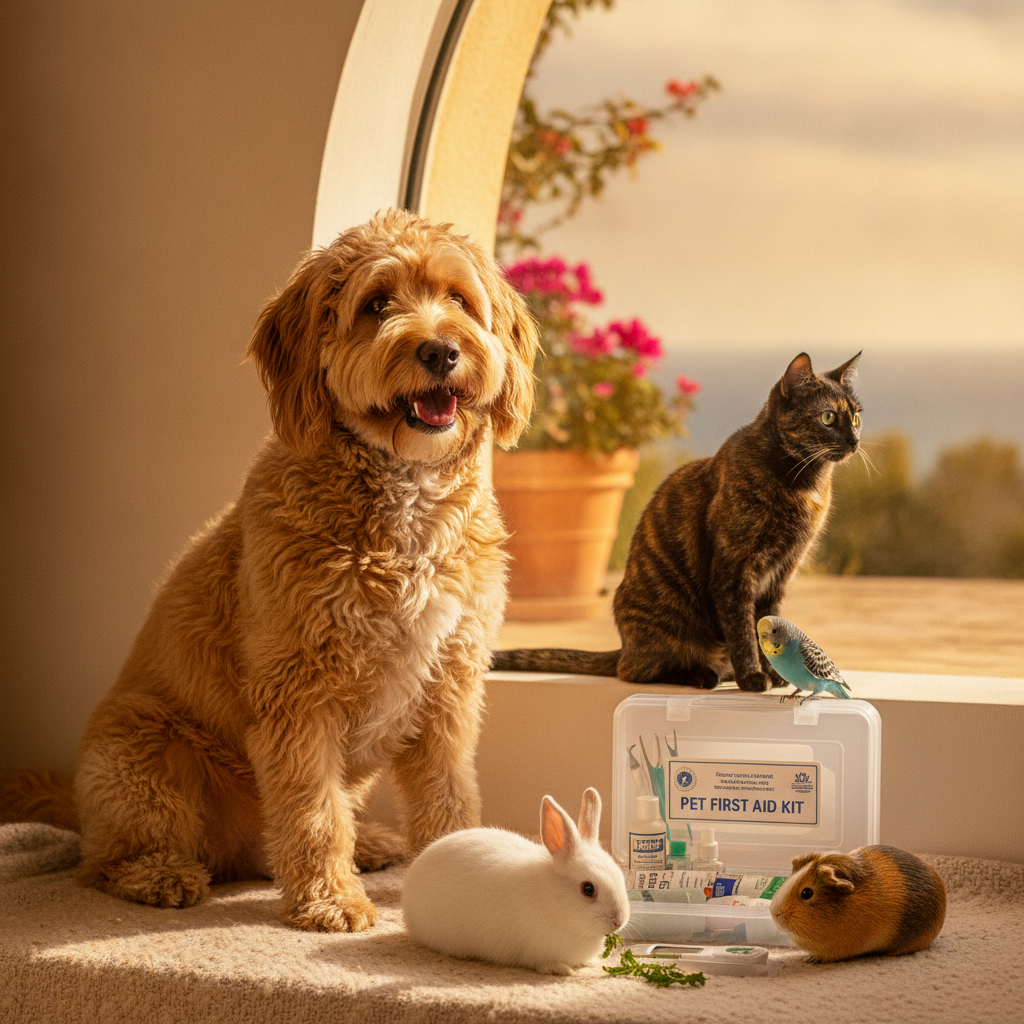
Ireland's wet maritime climate creates ideal conditions for slug pellets, mould, and fertiliser runoff, all of which pose serious risks to dogs. This spring safety audit covers the garden toxins most relevant to Irish dog owners and the steps to reduce exposure.
Why Irish Gardens Pose a Heightened Spring Risk for Dogs
Ireland's temperate maritime climate, with its frequent rainfall and mild temperatures, creates a gardening environment where certain toxic products are used more heavily than in drier regions. Slug and snail populations thrive in damp conditions, leading to widespread use of molluscicides. Persistent moisture encourages mould growth on mulch and compost. Fertiliser granules dissolve unevenly, leaving concentrated residues in puddles and low spots where dogs drink or dig.
Spring in Ireland arrives gradually, often stretching from late February through May depending on the region. This extended window means garden products are applied over a longer period, and dogs may be exposed repeatedly. A structured garden audit before granting unsupervised outdoor access is one of the most effective preventative measures an Irish dog owner can take.
UCD Veterinary Hospital / Local Emergency Vet
Call your vet's emergency out-of-hours number or contact the UCD Veterinary Hospital in Dublin.
Irish vet practices provide out-of-hours emergency contact details on their answerphone message.
Metaldehyde Slug Pellets: Ireland's Most Pressing Garden Toxin
Slug pellets containing metaldehyde remain legally available in Ireland, unlike in the United Kingdom where outdoor use was banned from April 2022. This distinction is critical for Irish dog owners, as metaldehyde based products are still commonly sold in Irish garden centres and agricultural supply shops.
Given Ireland's wet climate, slug pressure is consistently high, and metaldehyde pellets are among the most frequently purchased garden products. Veterinary professionals across Ireland regularly treat dogs for metaldehyde poisoning, particularly between March and June when pellets are freshly applied.
Why Metaldehyde Is So Dangerous
Even a small quantity of metaldehyde can cause rapid onset symptoms in dogs. A dose as low as 0.5 g per kg of body weight can be life threatening. For a 10 kg terrier (a common size among popular Irish breeds such as the Kerry Blue Terrier, Soft Coated Wheaten Terrier, or Irish Terrier), this represents a very small number of pellets.
Symptoms typically appear within one to three hours and may include:
- Muscle tremors and twitching
- Uncoordinated movement (ataxia)
- Excessive drooling and panting
- Rapid breathing
- Seizures
- Dangerously elevated body temperature (hyperthermia above 40°C)
Metaldehyde poisoning is a genuine veterinary emergency. Without prompt treatment, it can be fatal.
The Safer Alternative
Iron phosphate based slug pellets are widely available in Ireland and are significantly less toxic to dogs. Products based on ferric phosphate break down into iron and phosphate in the soil, posing minimal risk to pets and wildlife. Irish garden centres typically stock these alongside traditional pellets, so check the active ingredient on the packaging carefully.
Cocoa Bean Mulch: Less Common but Still a Risk
Cocoa bean mulch (also called cocoa shell mulch) is a byproduct of chocolate manufacturing and contains theobromine, the compound responsible for chocolate toxicity in dogs. While less widely used in Ireland than in North America, it is available from specialist garden suppliers and online retailers.
The chocolate aroma actively attracts dogs. Theobromine poisoning symptoms include vomiting, diarrhoea, restlessness, rapid heart rate, muscle tremors, and seizures in severe cases. Pine bark mulch and untreated hardwood mulch are readily available Irish alternatives that carry no theobromine risk.
Fertiliser Risks in Irish Gardens
Blood Meal and Bone Meal
Organic fertilisers containing blood meal or bone meal are popular among Irish gardeners. These products smell highly attractive to dogs and, if ingested, can cause vomiting, diarrhoea, and pancreatitis. Bone meal is particularly hazardous because it can form a solid mass in the stomach, sometimes requiring surgical removal.
Iron Based Lawn Feeds
Lawn feed products containing ferrous sulphate (iron sulphate), commonly used to control moss in Irish lawns, pose a toxicity risk if ingested. Ireland's damp climate makes moss a persistent problem, so these products see heavy use. Symptoms of iron toxicity in dogs include bloody vomiting, lethargy, and in severe cases, liver damage. Dogs should be kept off treated lawns for a minimum of 48 to 72 hours, or until the product has been thoroughly watered in and the grass is completely dry.
Combination Products
"Weed, feed, and mosskiller" combination products are especially popular in Ireland. These may contain multiple active ingredients including herbicides such as 2,4-D, mecoprop-P, or dicamba alongside iron sulphate and fertiliser. The combined toxicity risk is higher than single ingredient products. Always read the label for pet safety guidance and drying times before allowing dog access.
Herbicides and Weed Control
Glyphosate based herbicides remain widely used in Irish domestic gardens. While acute toxicity to dogs is considered relatively low, ingestion of concentrated product or contact with freshly sprayed vegetation can cause drooling, vomiting, and gastrointestinal upset. Keep dogs away from treated areas until the product has dried fully, typically at least 24 hours.
Under EU regulations, Ireland follows the European framework for pesticide authorisation, managed domestically by the Department of Agriculture, Food and the Marine (DAFM) through the Pesticide Registration and Control Division. Only products authorised for use in Ireland should be applied. Purchasing unregistered products online from outside the EU is both illegal and potentially more hazardous.
Compost Heaps and Mould: An Underestimated Irish Hazard
Ireland's consistently damp conditions accelerate mould growth on compost heaps, mulch beds, and decaying garden material. Tremorgenic mycotoxins produced by certain moulds (particularly Penicillium and Aspergillus species) are extremely dangerous to dogs. Symptoms of mycotoxin ingestion include whole body tremors, agitation, hyperthermia, and seizures.
Compost bins should be securely lidded and ideally fenced off. After periods of heavy rain, check mulch beds for visible mould or fungal growth. Dogs that enjoy digging are at particular risk.
Spring Bulbs and Toxic Plants
Daffodils, tulips, and hyacinths are widely planted across Irish gardens. All three are toxic to dogs, with the highest toxin concentration found in the bulb. Dogs that dig, particularly breeds with strong digging instincts, may encounter bulbs during spring.
Daffodil poisoning (from the alkaloid lycorine) causes vomiting, drooling, diarrhoea, and in serious cases, cardiac abnormalities. Veterinary guidance should be sought if a dog chews or ingests any part of a daffodil, including the bulb, stem, or flower.
For multi pet households that include cats, be aware that lily species (including Easter lilies and tiger lilies) are extremely toxic to cats and are commonly sold in Irish supermarkets and garden centres during spring. Our Lily Poisoning in Cats: Emergency Guide for Ireland guide provides specific emergency advice.
Standing Water, Ponds, and Algal Risk
Ireland's rainfall means standing water accumulates quickly in saucers, garden trays, water features, and poorly drained areas. This water may contain dissolved fertiliser residue, pesticide runoff, or harmful algae. Blue green algae (cyanobacteria) can develop in garden ponds and stagnant water during warmer spells from late spring onwards and is potentially fatal to dogs if ingested.
Empty and refresh standing water regularly. If a garden pond is present, our Spring Pond Water Testing in Ireland After Winter guide covers how to assess water safety.
Pet Safer Alternatives for Irish Gardens
| Hazardous Product | Pet Safer Alternative |
|---|---|
| Metaldehyde slug pellets | Iron phosphate (ferric phosphate) slug pellets |
| Cocoa shell mulch | Pine bark mulch or untreated hardwood mulch |
| Blood meal or bone meal | Seaweed based fertilisers (widely available in Ireland), compost tea |
| Iron sulphate mosskiller | Lawn scarification, improved drainage, shade tolerant grass seed |
| Chemical weed killers | Manual weeding, mulch suppression, vinegar based sprays |
| Anticoagulant rodenticides | Snap traps in tamper resistant stations |
Products labelled "organic" or "natural" are not automatically safe for dogs. Blood meal and bone meal are organic yet hazardous. Always check the active ingredient list.
Spring Garden Audit Checklist for Irish Dog Owners
Complete Before Granting Unsupervised Garden Access
Slug and Snail Control
- ☐ Check all slug pellets for active ingredient: replace metaldehyde with iron phosphate
- ☐ Remove any old or scattered pellets from beds and borders
- ☐ Store all molluscicides in sealed containers out of reach
Mulch and Ground Cover
- ☐ Confirm no cocoa shell mulch is present
- ☐ Inspect mulch for mould after wet weather
Fertilisers and Lawn Products
- ☐ Inventory all products and record active ingredients
- ☐ Secure blood meal, bone meal, and iron based products
- ☐ Note re entry times on labels and restrict access until safe
Herbicides and Pesticides
- ☐ Confirm all products are DAFM authorised for use in Ireland
- ☐ Check shed for leaking or unlabelled containers
- ☐ Inspect for rodenticide bait stations; ensure tamper resistance
Plants and Bulbs
- ☐ Fence off or supervise around daffodils, tulips, and hyacinths
- ☐ Remove lily plants if cats share the garden
- ☐ Check for emerging mushrooms after rain
Water Sources
- ☐ Empty and refresh standing water in saucers and trays
- ☐ Inspect pond for algal growth
Structures and Boundaries
- ☐ Inspect fencing for gaps (important under the Control of Dogs Act, which requires dogs to be under effectual control)
- ☐ Secure compost bin lids
- ☐ Check raised beds for chewable treated timber
Emergency Preparedness
- ☐ Nearest veterinary clinic phone number and address noted
- ☐ Out of hours emergency vet details confirmed
- ☐ Product ingredient list shared with dog walkers or pet sitters
- ☐ Garden emergency kit stocked: clean water, disposable gloves, muzzle, towel, sample bag
Puppies and Senior Dogs: Additional Precautions
Puppies explore with their mouths and have a lower body weight, meaning a smaller quantity of any toxin can cause serious harm. Garden proofing for a new puppy should be as thorough as indoor puppy proofing. For puppies adjusting to new environments, our How to Socialise a Puppy at Daycare Safely guide offers broader safety context.
Senior dogs with pre existing liver or kidney conditions may metabolise toxins less efficiently. Dogs on ongoing medication may experience harmful interactions with ingested garden chemicals. For older dogs spending more supervised time outdoors during spring, our Senior Dog Arthritis: Spring Walk Guide provides relevant complementary advice.
Irish Legal Context: Control of Dogs Act
Under the Control of Dogs Act 1986 (and subsequent amendments), dog owners in Ireland are legally required to keep their dogs under effectual control at all times. This includes within your own garden. A dog that escapes through a gap in fencing and is poisoned by a neighbour's garden products, or that causes damage while unsupervised, creates both a health risk and a legal liability. Ensuring secure garden boundaries is part of responsible ownership and part of your spring safety audit.
All dogs in Ireland must also be microchipped under the Microchipping of Dogs Regulations 2015. While this does not directly relate to poisoning prevention, a microchipped dog that is found unwell after escaping can be reunited with its owner and receive faster veterinary care.
When to Contact a Veterinarian
Do not wait for symptoms before seeking help. If there is any suspicion a dog has ingested a toxic garden product, contact a veterinary clinic immediately. For out of hours emergencies, most regions in Ireland have access to emergency veterinary services. Have the following information ready:
- Product name and active ingredient
- Estimated quantity ingested
- Time of ingestion or time of discovery
- Dog's weight (in kg), age, breed, and any existing health conditions
Veterinary professionals in Ireland can also access the Veterinary Poisons Information Service (VPIS), a 24 hour specialist toxicology advice line. Pet owners can contact Animal PoisonLine (operated by VPIS) directly for guidance, though charges apply.
For households that use pet sitters or dog walkers, ensure caregivers have emergency vet contact details and a list of all garden products in use. Our Pet Sitter Emergency Guide for Ireland provides a framework for preparing caregivers for emergencies like these.
Frequently Asked Questions
Are metaldehyde slug pellets banned in Ireland? ↓
What should I do if my dog eats slug pellets in Ireland? ↓
Are moss killer lawn products dangerous for dogs? ↓
What pet safe slug control options are available in Ireland? ↓
Is cocoa shell mulch sold in Ireland dangerous for dogs? ↓

Tom Ashford
Pet Safety & Home Consultant
Pet safety and home-proofing specialist — systematic hazard prevention and emergency preparedness for pet owners.
Content Disclosure
This article was created using state-of-the-art AI models with human editorial oversight. It is intended for informational and entertainment purposes only and does not constitute veterinary medical advice. Always consult a licensed veterinarian for your pet's specific health needs. Learn more about our process.