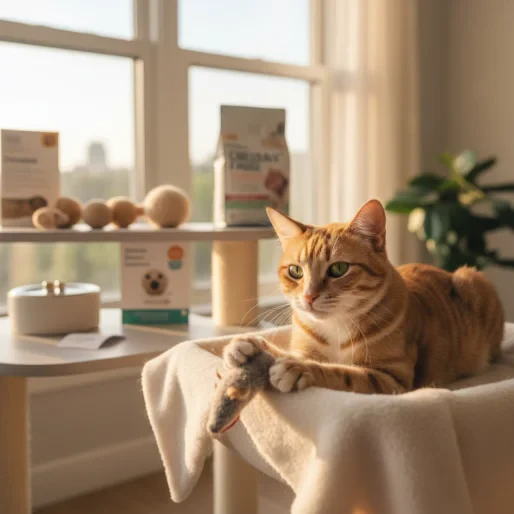
Irish cat owners typically spend between €80 and €260 per month, depending on diet, veterinary needs, and location. This guide breaks down every recurring and hidden expense in euro for households across Ireland.
Key Takeaways
- The average monthly cost of owning a cat in Ireland in 2026 typically falls between €80 and €260, depending on diet quality, insurance level, and the cat's age and health.
- Veterinary care and insurance combined frequently represent the largest recurring expense, exceeding food costs in many households.
- Hidden costs such as cattery boarding, household damage, and emergency funds are routinely underestimated in first-year budgets.
- Dublin and other urban centres tend to carry veterinary and boarding fees 15% to 30% higher than rural areas.
- Building a dedicated emergency fund of at least €1,000 is widely recommended by veterinary professionals in Ireland.
Why Irish Cat Owners Should Calculate the True Cost
The figure that surprises most new cat owners in Ireland is not the adoption fee from a shelter such as the DSPCA, Cats Aid, or the Irish Blue Cross. It is the cumulative weight of monthly expenses that builds up, sometimes within the first 90 days. Veterinary practice data consistently shows that underestimating ongoing costs is a leading reason owners delay preventive care or, in difficult cases, surrender pets to rescue organisations.
This guide examines every predictable and hidden monthly expense associated with cat ownership in Ireland in 2026, with all prices quoted in euro.
Food: The Foundation of Your Monthly Budget
Standard, Premium, and Prescription Diets
Cat food is the most visible recurring cost, but the range is broad. A standard adult cat eating a mid-range commercial diet (widely available through supermarkets such as Dunnes, Tesco, and SuperValu, or pet retailers like Petmania and Maxi Zoo) typically costs around €30 to €60 per month. Premium or grain-free brands from specialist pet shops push this to €50 to €80. Prescription veterinary diets, often required for cats with urinary, renal, or gastrointestinal conditions, may cost €70 to €110 per month and are usually dispensed through the treating veterinary practice.
Ireland's damp, temperate maritime climate means outdoor cats may require slightly higher caloric intake during colder months (typically November through March, when temperatures regularly drop to 2°C to 5°C), which can modestly increase food costs.
Treats and Supplements
Treats, dental chews, and supplements (such as omega fatty acids or joint support for senior cats) add roughly €5 to €18 per month. While modest individually, these accumulate over a cat's typical 12 to 18 year lifespan.
If a cat requires Smart Cat Feeders for Weekend Trips: a Full FAQ, the upfront cost of a smart feeder (€40 to €140) should also be spread across the monthly budget.
Litter: A Steady Recurring Expense
Litter is the second most predictable monthly expense. Clumping clay litter for a single-cat household typically costs €12 to €28 per month. Silica gel and natural alternatives (wood pellet, corn, recycled paper) range from €18 to €40. Multi-cat households should multiply accordingly. Veterinary guidelines generally recommend one litter box per cat plus one extra.
Litter Accessories
Replacement liners, deodorising sprays, litter mats, and periodic box replacement add approximately €5 to €12 per month when averaged over the year.
Veterinary Care: The Largest Variable Cost
Routine Preventive Care
Professional consensus from Veterinary Ireland, the representative body for veterinary surgeons in Ireland, suggests healthy adult cats need at least one comprehensive wellness examination per year. Senior cats (typically age 7 and older) benefit from biannual visits. The average consultation fee across Irish practices sits at approximately €60 to €70, though Dublin and commuter-belt practices may charge €70 to €90.
Core vaccinations for cats in Ireland typically cover feline parvovirus (panleukopenia), feline calicivirus, and feline herpesvirus. An annual booster generally costs around €50 to €70. Cats with outdoor access or those in multi-cat environments may also be vaccinated against feline leukaemia virus (FeLV). Parasite prevention (flea and worm treatments) runs approximately €10 to €20 per month when purchased through a veterinary practice.
When the annual cost of wellness visits, vaccinations, and parasite prevention is divided across 12 months, the monthly equivalent typically falls between €20 and €55.
Dental Care
Dental disease is one of the most common clinical findings in cats over age three. A professional dental cleaning (scale and polish) under general anaesthesia in Ireland typically starts at around €250. If extractions are required, costs rise to €400 to €800 for minor to moderate cases and potentially €800 to €1,300 for complex procedures. When amortised monthly (assuming one procedure every one to two years), dental care adds roughly €12 to €55 per month to the budget.
Emergency and Specialist Care
Emergency veterinary visits are the cost category that derails budgets most dramatically. After-hours emergency consultations in Ireland can range from €100 to €250, before any diagnostics or treatment. Specialist referrals for conditions such as urinary obstruction, fracture repair, or oncology, available through centres like Veterinary Specialists Ireland, can range from €1,500 to €6,000 or more per episode.
UCD Veterinary Hospital / Local Emergency Vet
Call your vet's emergency out-of-hours number or contact the UCD Veterinary Hospital in Dublin.
Irish vet practices provide out-of-hours emergency contact details on their answerphone message.
Veterinary data suggests that approximately one in three cat owners will face at least one emergency costing over €1,000 during their cat's lifetime. Building an emergency fund, or carrying adequate insurance, is essential for responsible financial planning.
Pet Insurance: Premiums and Practical Value in Ireland
How Cat Insurance Works in Ireland
Several providers offer cat insurance in Ireland, including Allianz, An Post Insurance, and specialist providers such as Petinsurance.ie. Monthly premiums for a healthy adult cat typically range from €6 to €30 per month, depending on the level of cover (accident only, time-limited, or lifetime). Premiums increase with age and breed predisposition to certain conditions.
Owners should pay close attention to annual benefit caps, waiting periods, and exclusion lists. For a detailed explanation of how waiting periods work, Pet Insurance Waiting Periods in Ireland Explained.
Insurance vs. Self-Insuring
Self-insuring (setting aside a fixed monthly amount into a dedicated savings account) is a viable strategy for disciplined savers whose cats are young with no pre-existing conditions. However, a single emergency can exhaust years of savings in one visit. Insurance transfers that catastrophic risk to the insurer, which is its core financial value.
A blended approach is increasingly recommended: carry a policy with a higher excess (to keep premiums lower) and maintain a savings buffer of €500 to €1,000 for routine and sub-excess expenses.
Hidden and Frequently Overlooked Costs
Rental Accommodation
Finding cat-friendly rental accommodation in Ireland can be challenging. While there is no standardised "pet rent" system as in the US, landlords who do accept pets may require an additional deposit (typically €200 to €500) or charge a modest monthly premium. The Residential Tenancies Board (RTB) oversees tenancy disputes, but pet clauses in lease agreements remain common. This cost is invisible to homeowners but very real for renters.
Cattery Boarding and Pet Sitting
Owners who travel should factor in boarding costs. Licensed catteries in Ireland typically charge €12 to €22 per night, with peak-season rates (June through August and the Christmas period) at the higher end. Even two weeks of boarding per year adds approximately €12 to €25 per month to the annualised budget. Those interested in professional pet-sitting standards can explore How to Become a Certified Pet Sitter in Ireland. For cats that benefit from social enrichment while owners are away, How to Choose a Cat Daycare With Real Enrichment is another option worth evaluating.
Toys, Scratching Posts, and Environmental Enrichment
Cats require environmental enrichment for both physical and mental health. Scratching posts, interactive toys, cat trees, and window perches need periodic replacement. A reasonable monthly allocation is €5 to €18, though the initial setup cost for a well-equipped home can run €80 to €250.
Grooming
Short-haired cats have minimal grooming costs. Long-haired breeds such as Persians and Maine Coons may require professional grooming every four to eight weeks, costing €35 to €70 per session in Ireland. Monthly grooming supplies (brushes, nail clippers, ear cleaner) add €3 to €8.
Microchipping and Identification
Unlike dogs, cats are not currently required by law to be microchipped in Ireland. However, microchipping is strongly recommended by Veterinary Ireland and animal welfare organisations such as the ISPCA and the Irish Blue Cross. Microchipping is a one-time cost of approximately €30 to €60. Updating registered details on the Fido database (Ireland's authorised microchip database) should be done whenever contact details change.
Household Damage and Cleaning
Experienced cat owners know this cost well: furniture repair, carpet cleaning, and replacement of damaged items. Setting aside €5 to €12 per month provides a realistic buffer.
Ireland Cost Breakdown: Monthly Summary
- Food: €30 to €80
- Litter and supplies: €17 to €40
- Veterinary care (annualised): €20 to €55
- Insurance: €6 to €30
- Hidden costs (boarding, enrichment, rental): €15 to €55
- Estimated total: €88 to €260 per month
These ranges reflect a typical single-cat, indoor-only household. Outdoor cats, multi-cat homes, and cats with chronic health conditions will trend toward or exceed the upper range.
What Pushes Costs Higher in Ireland
Breed
Certain breeds carry well-documented predispositions to costly conditions. Persian cats are prone to polycystic kidney disease and brachycephalic airway issues. Maine Coons, popular in Ireland, frequently face screening for hypertrophic cardiomyopathy. These breed-linked conditions increase both veterinary costs and insurance premiums.
Age
Kittens require an initial vaccine series, neutering, and more frequent vet visits in the first year. Senior cats (typically 10 years and older) often need biannual bloodwork, dental procedures, and chronic disease management for conditions like hyperthyroidism, kidney disease, or diabetes. Both life stages are significantly more expensive than the young adult plateau.
Location
Veterinary practices in Dublin and surrounding commuter-belt counties (Kildare, Meath, Wicklow) consistently charge more than practices in rural areas. Data from Irish veterinary pricing comparisons suggests that corporate veterinary chains may charge up to 15% to 17% more than independent local practices for equivalent services.
Climate Considerations
Ireland's mild, damp climate means that flea infestations can persist year-round rather than being seasonal. Veterinary guidelines in Ireland recommend continuous, year-round parasite prevention rather than seasonal-only treatment, which adds to ongoing costs.
Building a Realistic Monthly Cat Budget
A practical approach involves three tiers:
- Fixed monthly costs: food, litter, insurance premium. These are predictable and should be set up as standing orders.
- Annualised costs divided by 12: wellness exams, vaccinations, dental care, cattery boarding. Set these aside monthly even if the expense occurs once or twice a year.
- Emergency reserve contribution: a fixed monthly deposit of €25 to €50 into a dedicated savings account until the fund reaches at least €1,000 to €2,000.
Multi-cat households multiply most costs proportionally, though some efficiencies exist (bulk food and litter purchases, multi-pet insurance discounts). If a cat shares a home with dogs, owners planning for How to Introduce a New Dog to Your Cats Safely should also budget for potential behavioural consultation fees.
When Costs Become Unmanageable: Resources in Ireland
Financial strain should never result in a cat going without necessary medical care. Options available to cat owners in Ireland include:
- Many veterinary practices offer payment plans or phased treatment options
- The Irish Blue Cross provides veterinary services at reduced cost for those on social welfare or low incomes
- The DSPCA and ISPCA offer welfare services and may assist with urgent veterinary needs
- Open communication with the veterinary team about budget constraints, allowing the vet to prioritise the most critical diagnostics and treatments
Under the Animal Health and Welfare Act 2013, cat owners in Ireland have a legal duty of care to protect their animal's welfare, including providing adequate veterinary attention. The goal is always to maintain the pet's welfare while finding a financially sustainable path forward.
Frequently Asked Questions
How much does it cost to own a cat per month in Ireland? ↓
Is cat microchipping mandatory in Ireland? ↓
How much does pet insurance cost for a cat in Ireland? ↓
How much does a vet visit cost for a cat in Ireland? ↓
Are there low-cost veterinary options for cat owners in Ireland? ↓

Rachel Simmons
Pet Ownership Cost Advisor
Pet ownership cost advisor — transparent vet fee breakdowns, insurance guidance, and financial planning for owners.
Content Disclosure
This article was created using state-of-the-art AI models with human editorial oversight. It is intended for informational and entertainment purposes only and does not constitute veterinary medical advice. Always consult a licensed veterinarian for your pet's specific health needs. Learn more about our process.