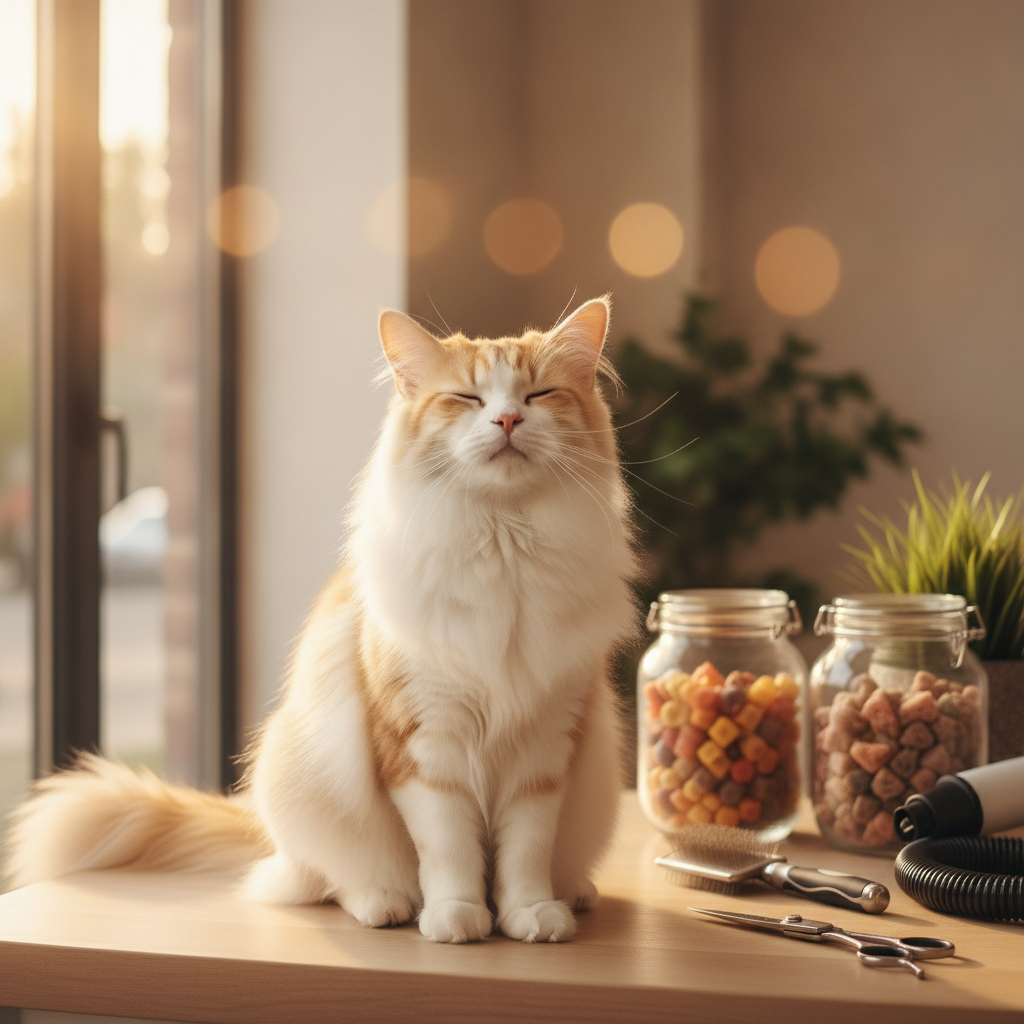
Spring triggers accelerated shedding in cats, leading to a surge in hairballs. A targeted grooming routine combined with dietary adjustments can significantly reduce frequency before problems escalate.
Key Takeaways
- Cats shed their dense winter undercoat in spring, increasing hair ingestion during self-grooming by a substantial margin.
- A consistent brushing routine (daily for long-haired breeds, every two to three days for short-haired breeds) is the single most effective prevention strategy.
- Fibre supplements and moisture-rich diets help move swallowed hair through the digestive tract before it forms a mass.
- Frequent vomiting, lethargy, or loss of appetite warrants veterinary evaluation, not just grooming intervention.
Why This Grooming Task Matters for Health
Hairballs (trichobezoars) are not simply a nuisance; they represent a failure of the gastrointestinal system to pass ingested fur efficiently. While occasional hairballs are common in healthy cats, frequent episodes can signal excessive shedding, over-grooming due to stress, or inadequate dietary fibre. In rare cases, a large trichobezoar can cause intestinal obstruction requiring surgical intervention.
Spring is a critical window because lengthening daylight hours trigger hormonal shifts that release the thick undercoat grown during winter. Indoor cats with exposure to artificial light may shed year-round, but even they tend to experience a noticeable uptick in spring as ambient light changes. Professional grooming organisations, including those aligned with International Professional Groomers (IPG) standards, recommend proactive seasonal grooming plans rather than reactive responses once hairballs become frequent.
Owners commonly report finding more fur on furniture, clothing, and bedding from late March through May. This loose fur, if not removed by brushing, ends up in the cat's digestive system via the barbed tongue during self-grooming sessions that can occupy several hours per day.
Tools and Products Needed
Brushes and Combs
- Slicker brush: Ideal for medium to long coats. The fine, angled wire bristles capture loose undercoat without cutting the topcoat when used with gentle pressure.
- Stainless steel greyhound comb: Useful as a finishing tool to detect remaining tangles or mats, especially behind the ears and under the armpits.
- Rubber curry brush or grooming glove: Suited for short-haired breeds (British Shorthair, Siamese, Burmese). Removes loose hair while providing a massage-like sensation most cats tolerate well.
- Undercoat rake: Designed for double-coated breeds (Maine Coon, Norwegian Forest Cat, Siberian). The rotating teeth reach the dense undercoat without scraping the skin.
Supplementary Products
- Fibre supplement paste or treats: Products containing psyllium husk or cellulose help bind ingested hair and facilitate passage through the intestines.
- Omega-3 and omega-6 fatty acid supplements: Support coat health and may reduce excessive shedding by improving skin hydration.
- Deshedding shampoo and conditioner (optional): Loosens dead undercoat during bathing, making subsequent brushing more productive.
Environmental Aids
- Lint rollers and washable furniture covers to reduce ambient loose hair the cat might re-ingest.
- A non-slip grooming mat or towel to keep the cat comfortable and secure during sessions.
Step-by-Step Grooming Routine for Hairball Reduction
Step 1: Prepare the Environment
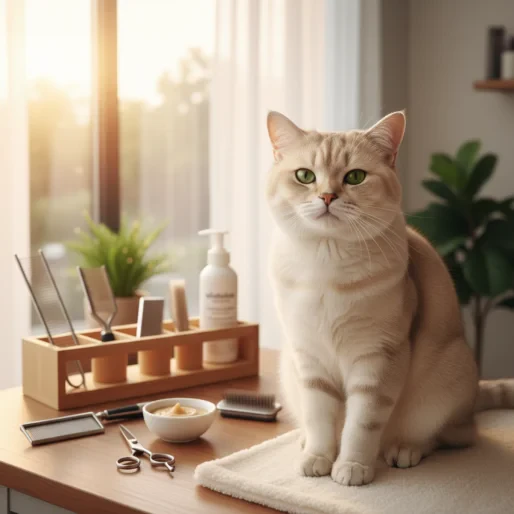
Choose a quiet room with good lighting. Place the cat on a stable, non-slip surface at a comfortable height. Have all tools within reach before beginning, as leaving mid-session often means the cat will not return willingly.
Step 2: Initial Assessment
Run hands gently over the entire body, feeling for mats, lumps, or areas of sensitivity. Pay particular attention to the belly, inner thighs, behind the ears, and the base of the tail where mats commonly form in spring. Any unusual lumps, scabs, or areas of hair loss should be noted for veterinary assessment rather than worked through with a comb.
Step 3: Undercoat Removal
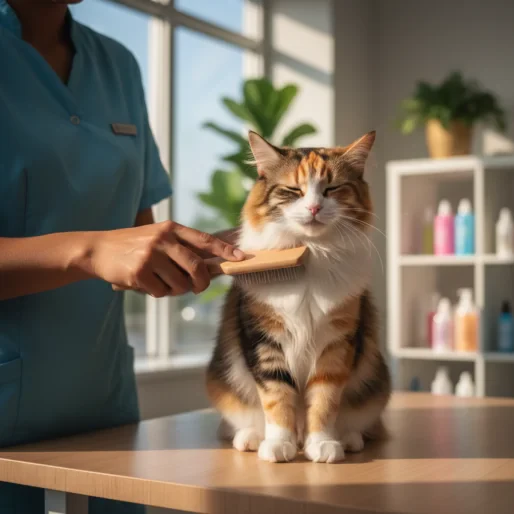
Using an undercoat rake (for double-coated breeds) or slicker brush (for medium coats), work in the direction of hair growth. Start at the shoulders and move toward the tail. Use short, gentle strokes, lifting the brush away at the end of each stroke rather than dragging continuously. For the belly and chest, support the cat gently and use even lighter pressure, as the skin is thinner in these areas.
Step 4: Fine Combing
Follow with the greyhound comb to detect any remaining tangles. If the comb snags, hold the hair between the mat and the skin (to avoid pulling) and work outward from the tip of the tangle. Small mats near the ears or armpits that cannot be gently teased apart should be left for a professional groomer with appropriate dematting tools.
Step 5: Finishing Pass
A rubber curry brush or grooming glove provides a final pass that collects surface-level loose hair and distributes natural skin oils along the coat. This step also serves as a reward, since most cats find the sensation pleasant.
Step 6: Clean-Up and Reward
Dispose of collected fur immediately (a sealed bin prevents the cat from playing with or ingesting loose clumps). Offer a small treat or a brief play session to build positive associations with the grooming routine.
Frequency Guide by Coat and Breed Type
| Coat Type | Example Breeds | Spring Frequency | Rest of Year |
|---|---|---|---|
| Long, double coat | Maine Coon, Persian, Ragdoll | Daily | Every 1 to 2 days |
| Semi-long, double coat | Norwegian Forest Cat, Siberian, Birman | Daily | Every 2 to 3 days |
| Short, double coat | British Shorthair, Russian Blue, Scottish Fold | Every 2 to 3 days | Twice weekly |
| Short, single coat | Siamese, Burmese, Oriental Shorthair | Every 3 to 4 days | Once weekly |
Senior cats and cats with arthritis may require more frequent grooming assistance because reduced flexibility limits their self-grooming efficiency. For guidance on supporting mobility in older cats, see Home Physiotherapy for Your Arthritic Senior Cat.
Dietary Adjustments to Support Hairball Reduction
Fibre Supplements
Dietary fibre helps bind ingested hair in the stomach and intestines, facilitating its movement through the digestive tract and out in the stool rather than being vomited back up. Common fibre sources used in feline hairball formulas include psyllium husk, powdered cellulose, and beet pulp. Veterinary nutritional guidelines (such as those referenced by WSAVA) suggest introducing fibre supplements gradually over five to seven days to avoid digestive upset.
A typical approach involves adding a small amount (following the specific product's dosage instructions) to wet food once daily during peak shedding season. Owners should consult their veterinarian before adding supplements, particularly for cats with inflammatory bowel conditions or diabetes where fibre intake requires careful management.
Moisture-Rich Diets
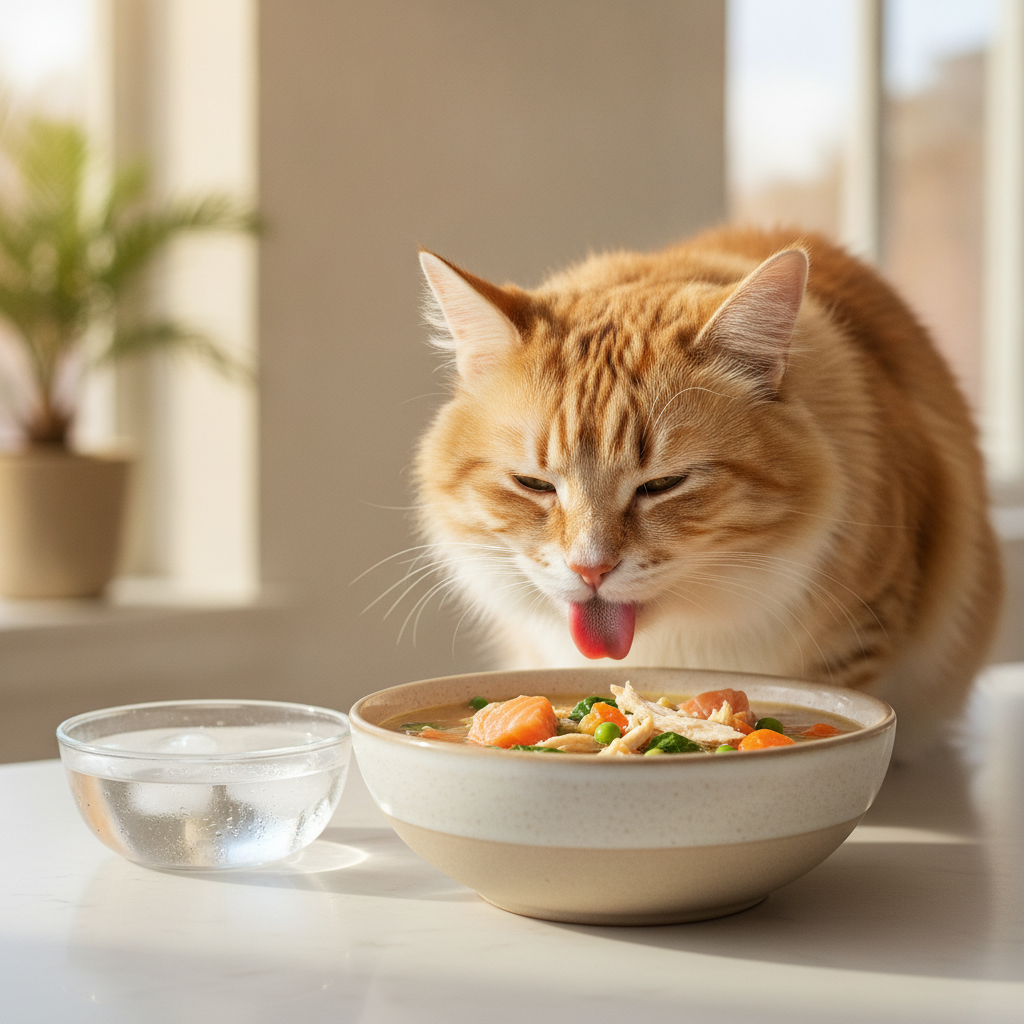
Wet food and raw diets naturally contain higher moisture levels (typically around 70 to 80 percent) compared to dry kibble (around 8 to 12 percent). Adequate hydration supports healthy intestinal motility, helping hair pass through rather than accumulating. Transitioning to a higher proportion of wet food during spring can complement a grooming-based approach.
Fatty Acid Supplementation
Omega-3 fatty acids (commonly sourced from fish oil) and omega-6 fatty acids support skin barrier function and coat quality. A well-nourished coat sheds less excessively, and healthier skin produces appropriate levels of sebum that keeps hair anchored in the follicle until its natural growth cycle completes. This can reduce the volume of loose fur available for ingestion.
For a broader look at feline nutrition costs including supplements, owners may find True Monthly Cost of Owning a Cat in 2026 helpful for budgeting.
Warning Signs to Watch for During Grooming
- Bald patches or thinning areas: May indicate over-grooming due to stress, allergic dermatitis, or fungal infection. Requires veterinary assessment.
- Redness, flaking, or scabbing: Possible signs of dermatitis, parasites (fleas, mites), or bacterial infection. Do not continue brushing irritated areas.
- Sudden sensitivity or flinching: Could indicate an underlying abscess, muscle pain, or joint discomfort, particularly in senior cats.
- Excessive loose fur beyond normal spring shedding: Thyroid conditions (hyperthyroidism is common in older cats) can cause abnormal coat changes. Veterinary blood work is advised.
- Repeated retching without producing a hairball: This can mimic hairball symptoms but may indicate asthma, foreign body ingestion, or gastrointestinal obstruction. Seek veterinary attention promptly.
Professional Groomer vs Home Grooming: Decision Guide
When Home Grooming Is Appropriate
- The cat tolerates brushing calmly or with minimal restraint.
- The coat is free of significant matting (small tangles only).
- Skin appears healthy with no open wounds, rashes, or parasites.
- The owner has correct tools for the specific coat type.
- Sessions can be kept short (five to fifteen minutes) to prevent stress.
When to Seek a Professional Groomer
- Matting is extensive, particularly in areas close to the skin (pelting). Attempting to remove pelted mats at home risks cutting the skin.
- The cat becomes aggressive or extremely distressed during grooming. Professional groomers trained to IPG or NDGAA standards have handling techniques and equipment to manage these situations safely.
- A full deshedding bath and blow-dry is desired. Professional-grade high-velocity dryers remove significantly more undercoat than brushing alone.
- The cat has a medical condition (skin disease, recent surgery) requiring careful, knowledgeable handling during grooming.
When to See a Veterinarian Instead
- More than two hairballs per week over a sustained period.
- Weight loss, reduced appetite, or constipation alongside hairball symptoms.
- Blood in vomited material.
- Any skin condition identified during grooming that does not improve within a few days.
Building a Spring Hairball Prevention Calendar
A structured approach helps owners stay consistent during the peak shedding window (typically late March through May in the Northern Hemisphere, September through November in the Southern Hemisphere).
- Week 1 to 2 of spring: Increase brushing frequency to the spring recommendation for the cat's coat type. Introduce fibre supplement gradually.
- Week 3 to 4: Assess hairball frequency. If still elevated, consider increasing wet food proportion and adding omega-3 supplementation after veterinary consultation.
- Monthly: Check for developing mats in problem areas (behind ears, inner thighs, base of tail). Schedule a professional grooming session if mats are forming despite regular brushing.
- End of spring: Gradually reduce brushing frequency to maintenance levels as shedding slows. Continue fatty acid supplementation year-round if coat quality benefits are observed.
Owners managing multiple pets during the busy spring season may also appreciate planning tools. For multi-pet households, automatic feeding solutions can free up time for grooming; see Smart Cat Feeders for Weekend Trips: a Full FAQ.
Common Mistakes That Worsen Hairball Problems
- Using the wrong brush: A slicker brush on a short single-coated breed can irritate the skin without effectively removing loose hair. Match the tool to the coat type.
- Brushing too infrequently then over-compensating: One aggressive weekly session causes more stress and skin irritation than brief, gentle daily sessions.
- Ignoring environmental hair: Loose fur on furniture and cat beds can be re-ingested. Regular vacuuming and washing of bedding complements the grooming routine.
- Relying solely on hairball paste: Petroleum-based laxative pastes can help move existing hairballs but do not address the root cause (excess loose fur). Grooming remains the primary intervention.
- Shaving the coat: Unless medically necessary, shaving a cat removes the coat's natural temperature regulation function and can lead to sunburn or skin trauma. Carding (removing dead undercoat while preserving guard hairs) is the professional-standard alternative.
Special Considerations for Multi-Cat Households
Cats in multi-cat homes often groom each other (allogrooming), which means they ingest fur from housemates in addition to their own. During spring, this can amplify hairball issues across the group. Prioritising the heaviest shedder for daily brushing benefits all cats in the household. Providing enrichment activities can also redirect excessive mutual grooming behaviour that stems from boredom. Resources on enrichment standards are available in How to Choose a Cat Daycare With Real Enrichment.
Final Thoughts
Spring hairball season is predictable and largely preventable with a proactive approach combining regular grooming, appropriate dietary support, and environmental management. The goal is not to eliminate hairballs entirely (occasional ones are normal feline physiology) but to keep frequency low and prevent escalation into a medical concern. When in doubt about any skin, coat, or digestive symptom observed during grooming, professional veterinary guidance should always be the next step.
Frequently Asked Questions
How often should I brush my cat during spring to reduce hairballs? ↓
Are fibre supplements safe for all cats to reduce hairballs? ↓
When should I see a veterinarian about hairballs instead of just grooming more? ↓
Can diet changes alone prevent hairballs without extra grooming? ↓

Sophie Bianchi
Certified Master Pet Groomer
Certified master pet groomer — breed-standard techniques, skin health awareness, and at-home grooming guidance.
Content Disclosure
This article was created using state-of-the-art AI models with human editorial oversight. It is intended for informational and entertainment purposes only and does not constitute veterinary medical advice. Always consult a licensed veterinarian for your pet's specific health needs. Learn more about our process.